Quick answer
Write the card in five short steps: choose the recipient and occasion, open with a specific greeting, add one concrete detail, close with a warm sign-off, and sign your name. If the card is blank inside, use a fill-in-the-blank prompt from this guide instead of waiting for perfect words.
Why a simple process beats searching for perfect words
Most people freeze because they try to write a finished message in one pass. Breaking it into steps gives you a place to start, a checkpoint for tone, and a clear finish. The process below works for any card, including blank-inside cards, because you are building the message instead of hunting for a pre-written verse.
Step 1: Choose the recipient and occasion before you write
Decide who the card is for and what the occasion actually is. A birthday card for a coworker needs a different tone than one for a sibling. A new baby card may go to the parents, the baby, or both. Write the recipient's name at the top of a scratch note so the whole message stays aimed at one person.
- For birthdays: name the person and the year if it matters to them.
- For a new baby: decide whether you are writing to the parents, the baby, or the whole family.
- For sympathy: write to the person grieving, not to the situation.
- For thank-you: name the specific gift, favor, or time you are thanking them for.
Step 2: Open with a greeting that fits the relationship
The first line sets the temperature. Use the name you actually call them, not a formal version they never hear. If you are unsure, match the greeting to how you speak in person. A card that opens with 'Dear Margaret' when you have called her Maggie for twenty years will feel stiff.
Step 3: Add one concrete detail so the message does not sound generic
One specific memory or observation does more than three generic sentences. For a birthday, mention something you did together or a quality you admire. For a new baby, mention something about the parents or the baby's name. For sympathy, name a quality you valued in the person who died or a memory you share with the recipient. For a thank-you, name the exact thing and how you used or felt about it.
- Birthday detail example: 'I still think about the time we got lost on the way to that concert.'
- New baby detail example: 'She already has your calm expression.'
- Sympathy detail example: 'I will always remember how he made room for everyone at the table.'
- Thank-you detail example: 'The soup you brought got me through the whole week.'
Step 4: Close with a warm sign-off and sign your name
The closing line should match the tone you set in the opening. Keep it short and sincere. Then sign your name the way the recipient knows you. If you are writing on behalf of a group, sign all names or write 'from all of us' so no one is left out.
Step 5: Read it once for tone, then stop editing
Read the message out loud once. If it sounds like something you would actually say, stop. Over-editing flattens the voice and makes the card sound like a template. The only things worth fixing are a wrong name, a misspelling, or a detail that could confuse the recipient.
Occasion-specific wording prompts
Use these prompts when you need a starting line. They are intentionally plain so you can add your own detail in Step 3.
- Birthday: 'Happy birthday, [name]. I hope this year brings you [specific wish].'
- New baby: 'Congratulations on [baby's name]. I am so happy for you and [partner's name].'
- Sympathy: 'I was so sorry to hear about [name]. I am thinking of you and [family member].'
- Thank you: 'Thank you for [specific thing]. It meant a lot to me because [reason].'
- Blank card: 'I saw this card and thought of you. [One specific memory or observation.]'
Your five-step card-writing checklist
- Name the recipient and occasion: Write the person's name and the occasion at the top of your scratch note before you write a single line of the message. Checkpoint: if you cannot say the occasion in one sentence, you are not ready to write.
- Open with a greeting that matches how you actually talk: Use the name you call them in person, not a formal version they never hear. Checkpoint: read the first line out loud. If it sounds stiff, change it.
- Add one concrete detail: Name a specific memory, quality, or moment. One real detail beats three generic sentences. Checkpoint: if the detail could apply to anyone else, it is too generic.
- Close with a warm sign-off and sign your name: Keep the closing short. Sign the way the recipient knows you, and include group names if you are writing for more than one person. Checkpoint: make sure every person who contributed is named or represented.
- Read once for tone, then stop editing: Read the full message out loud one time. Fix only a wrong name, a misspelling, or a confusing detail. Next step: seal the envelope and send it. A sent card beats a perfect draft.
Cards that give you room for your own message
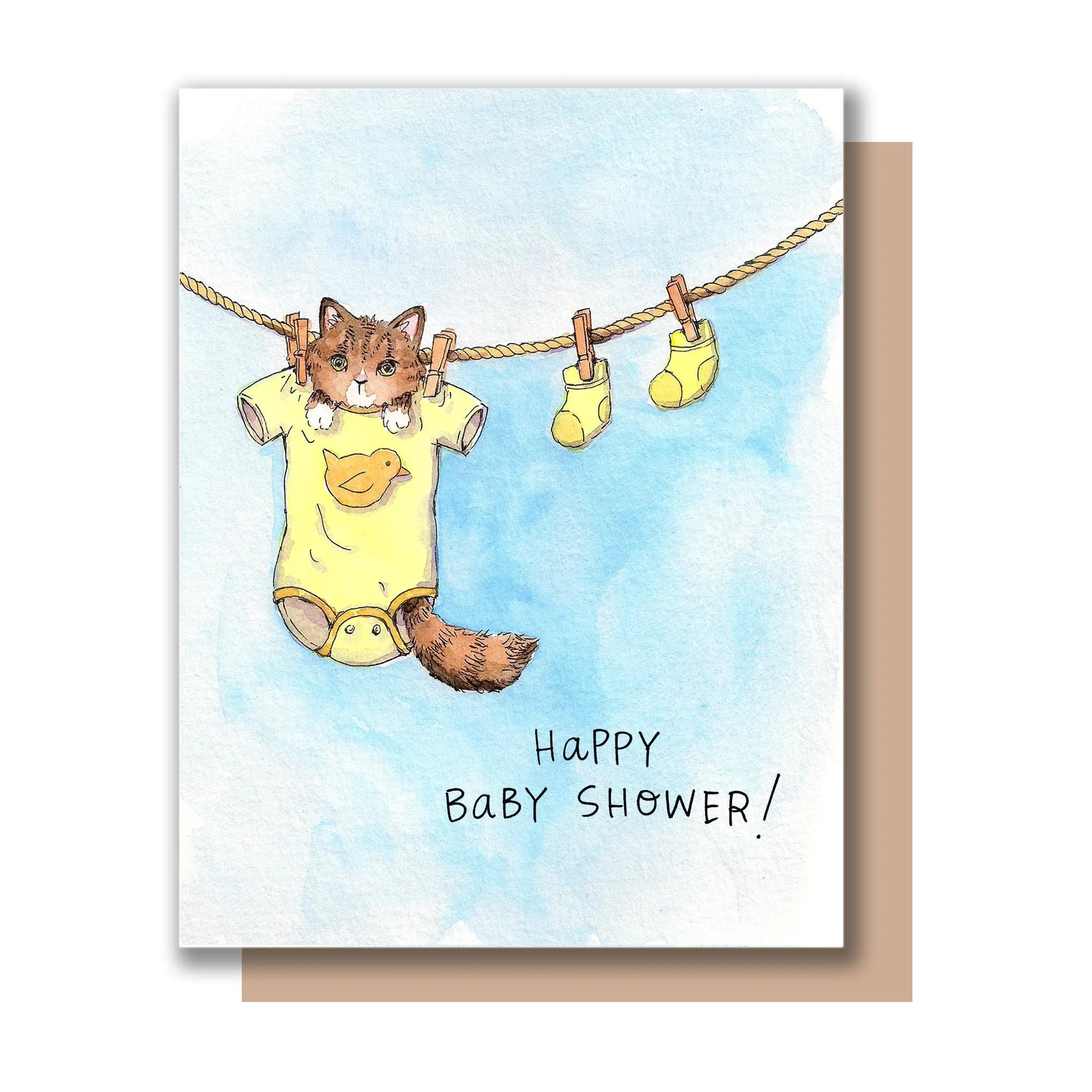
- Happy Baby Shower Kitten New Baby Card: Original watercolor illustration printed on 130 lb. premium bright white paper, 4.25 x 5.5 inches, blank inside, with a deep-flap kraft paper envelope in a protective cellophane sleeve. The blank inside gives you full control over the message, and the heavy 130 lb. paper handles pen ink without bleeding through to the other side.
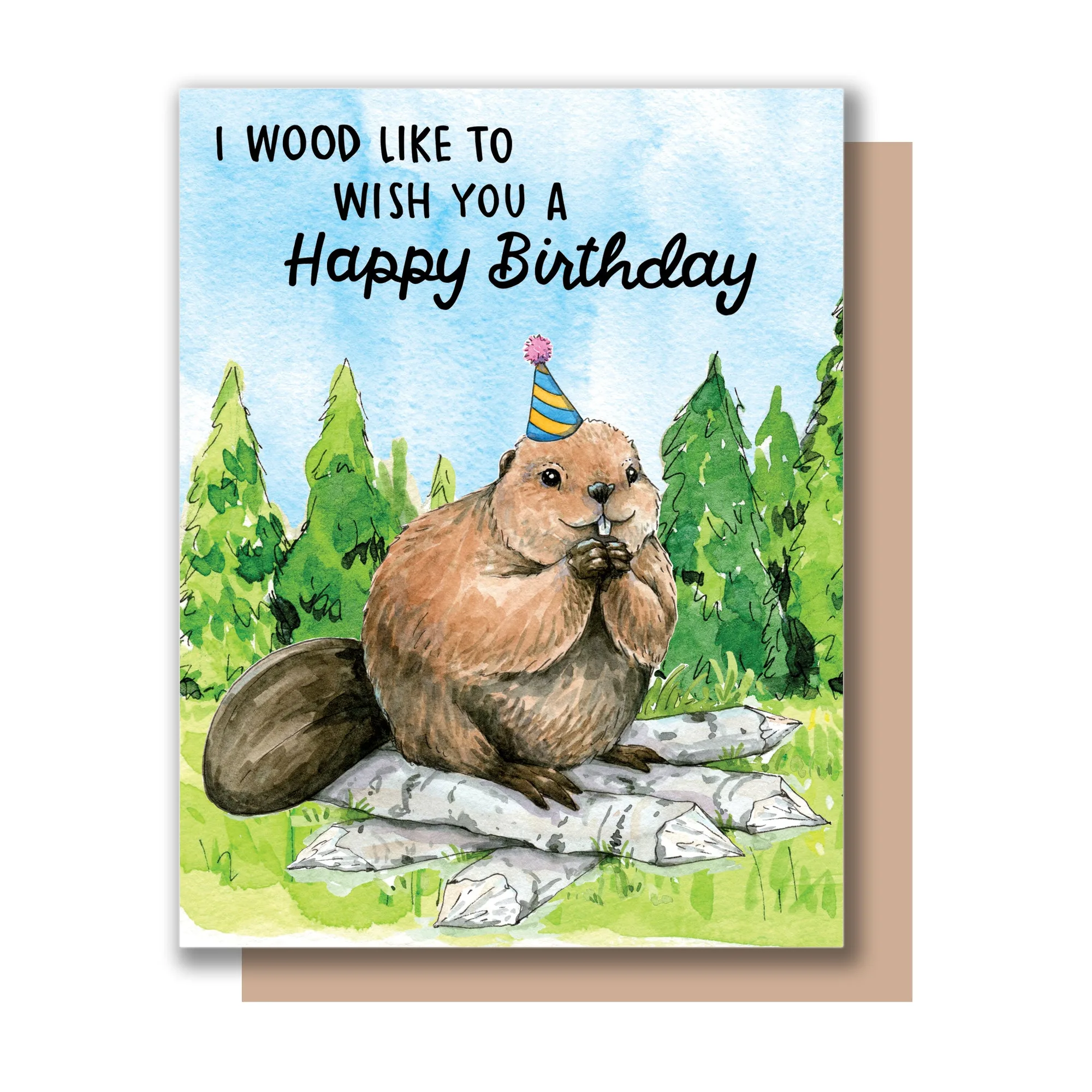
- Wood Like To Wish You A Happy Birthday Beaver Card: Original watercolor illustration printed on 130 lb. premium bright white paper, 4.25 x 5.5 inches, blank inside, with a deep-flap kraft paper envelope in a protective cellophane sleeve. A playful birthday card with a blank interior means you can write a short, specific note without working around a printed verse.
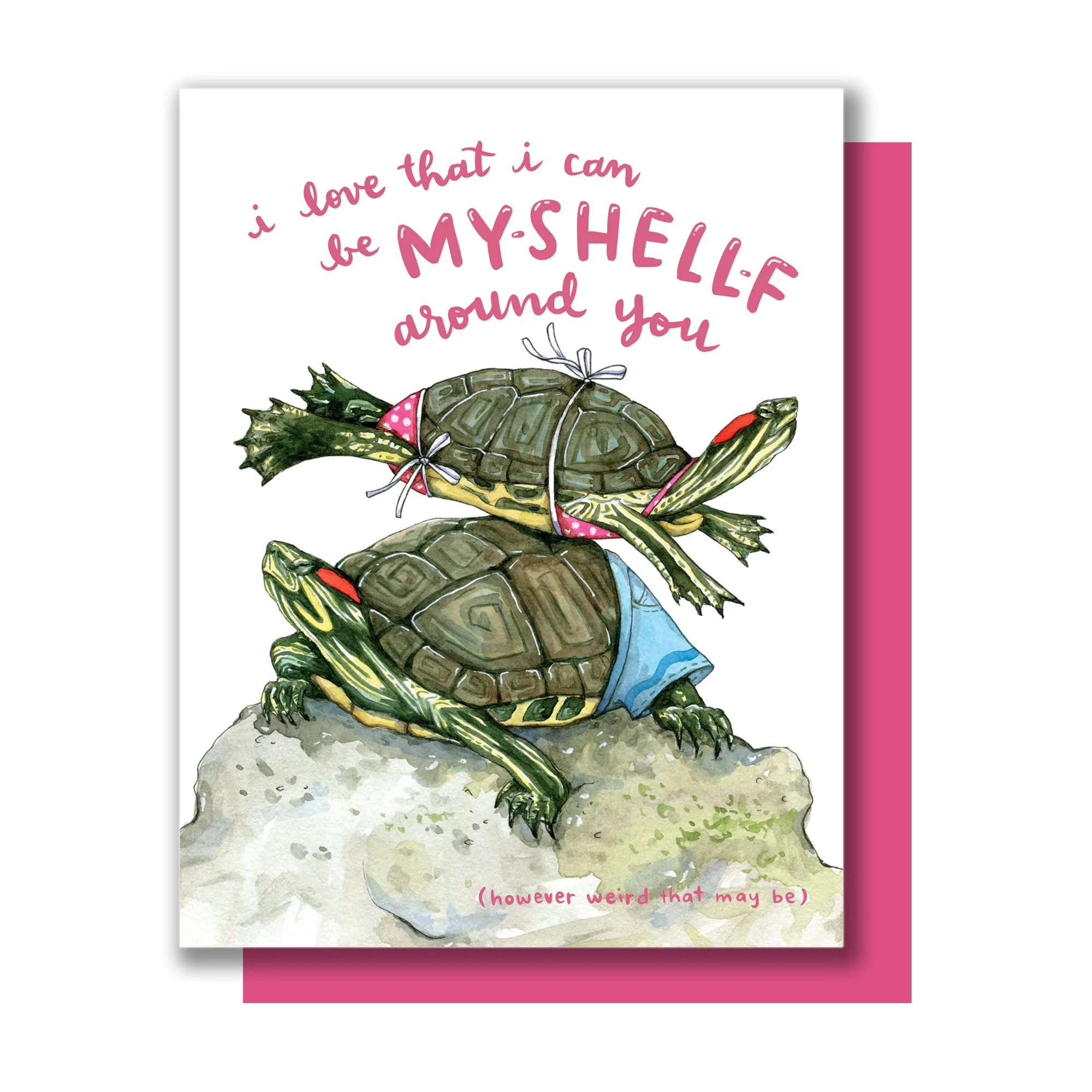
- I Miss Your Face Miss You Card: Original watercolor illustration printed on 130 lb. premium bright white paper, 4.25 x 5.5 inches, blank inside, with a deep-flap kraft paper envelope in a protective cellophane sleeve. For a miss-you card, the blank inside lets you name the exact reason you miss them, which is the detail that makes the message land.