Quick answer
To get the most from your Greystone 0° sleeping bag, pair it with an insulated pad, wear dry base layers, and follow a simple wash-and-store routine that preserves the DownTek insulation.
Why the Greystone 0° needs a thoughtful cold-weather setup
A 0°F bag is only as warm as the system around it. The Greystone 0° uses 650 fill DownTek insulation and a water-resistant coating, but down loses loft when it absorbs moisture from your body or the ground. That means your pad, shelter, and clothing choices directly affect how well the bag performs.
The bag’s mummy shape and recycled shell are built for backpacking, yet the same features that save weight also leave little room for error. If you compress the insulation with tight layers or skip a pad, you’ll feel cold spots even at temperatures well above the rating.
When to size up or add a liner
The Greystone 0° comes in multiple sizes. Choose a size that lets you wear a base layer and thin fleece without pressing against the bag walls; a bag that’s too short compresses the footbox and reduces loft. If you sleep cold or expect temps below the rating, add a sleeping bag liner for extra warmth rather than layering bulky clothing inside the bag.
Avoid wearing cotton or damp clothes to bed. Moisture trapped against the bag’s lining can migrate into the down and reduce its insulating power overnight.
Cold-weather setup and care steps
- Choose an insulated pad with an appropriate R-value: Place a pad with enough insulation for the ground temperature under your bag. A common mistake is using a thin summer pad; if you feel cold from below, add a closed-cell foam pad or switch to a higher-R pad. Check your pad’s R-value before every cold-weather trip.
- Wear dry, synthetic or wool base layers: Put on clean, dry base layers before getting into the bag. Avoid cotton and never wear the clothes you wore during the day if they’re damp. A common mistake is wearing too many thick layers, which compresses the bag’s insulation and creates cold spots. If you’re cold, add a liner or a thin fleece rather than a bulky jacket.
- Fluff the bag and distribute down before bed: Take the bag out of its storage sack early, shake it to redistribute the down, and let it loft fully. A common mistake is leaving the bag compressed until bedtime; down needs time to regain loft. Allow at least 15–30 minutes for the bag to loft before you get in.
- Vent moisture and manage condensation: Use a sleeping pad and avoid breathing into the bag. If condensation forms inside the tent, wipe it down and air the bag during the day. A common mistake is packing a damp bag; always dry it thoroughly before storage. Air your bag in the sun or a dry breeze each morning if possible.
- Wash sparingly with a down-specific cleaner: Wash the bag only when necessary, using a front-loading machine on a gentle cycle with a down-specific detergent. Rinse thoroughly. A common mistake is using regular detergent, which strips natural oils and reduces loft. Never dry-clean your down bag; the chemicals can damage the insulation.
- Dry completely on low heat with dryer balls: Tumble dry on low with clean dryer balls until the bag is completely dry and lofty, which can take several hours. A common mistake is stopping too soon; clumps of down mean trapped moisture. Feel for clumps and continue drying if you find any.
- Store loosely in a large cotton or mesh sack: Keep the bag uncompressed in a cool, dry place. A common mistake is storing it in its stuff sack, which compresses the down over time and reduces loft. Hang the bag if space allows, or use a large storage sack.
Product facts
-
Greystone 0°: 650 fill DownTek insulation with a water-resistant coating. DownTek resists moisture better than untreated down, but it still needs dry conditions to maintain loft, so keep the bag dry and avoid compressing it when damp.
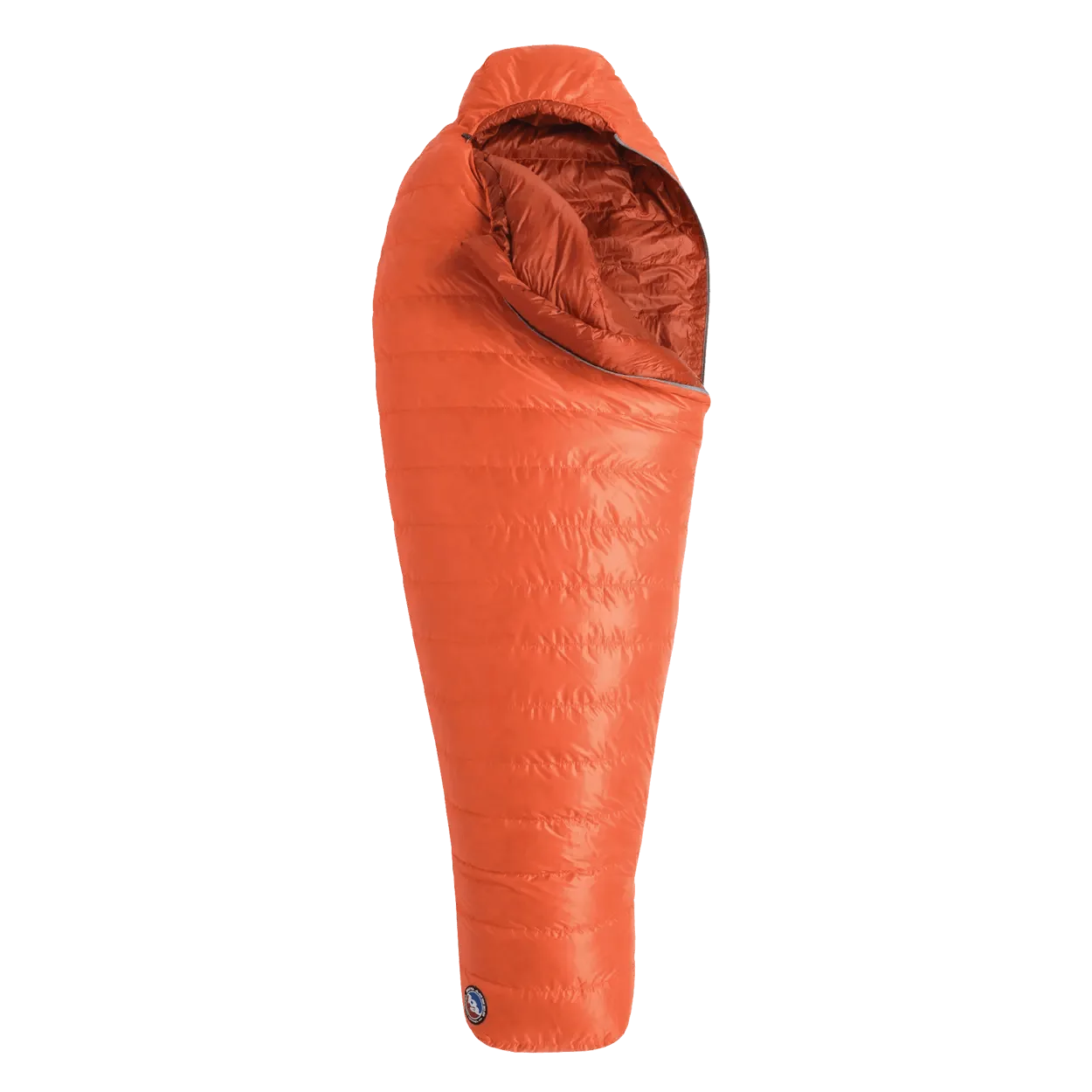
Greystone 0°
-
Greystone 0°: Recycled shell and lining fabrics. These fabrics are durable but can be damaged by harsh detergents or high heat, so use a gentle, down-specific cleaner and air-dry thoroughly.