Quick answer
For a crispy, chewy crust with a subtle smoky flavor, cook frozen pizza on a griddle. For a blistered, pizzeria-style crust with charred edges, a Blackstone pizza oven is the better tool. Choose based on your preferred texture and how much outdoor setup you want.
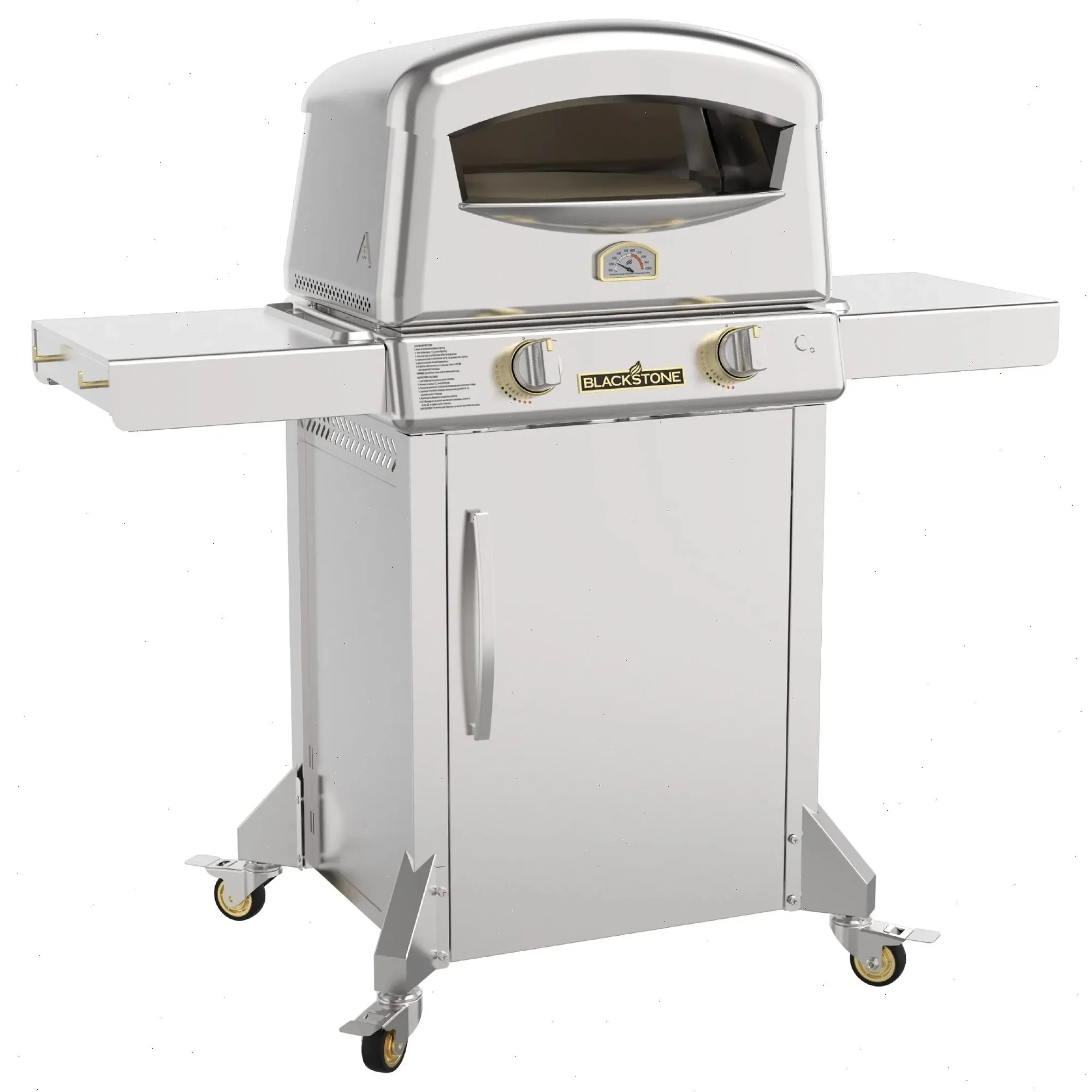
pizza oven
Frozen pizza is a weeknight staple, but it can turn out soggy or unevenly cooked in a standard oven. Cooking it outdoors on a griddle or in a pizza oven changes the game, but the results are surprisingly different. The method you choose affects crust crispness, cheese melt, and overall texture.
This comparison breaks down how each outdoor cooking method handles a frozen pizza, the trade-offs you need to know, and how to pick the right tool for the crust you crave.
Frozen pizza on a griddle: What to expect
Cooking frozen pizza on a griddle is a hands-on process that rewards attention. The flat top transfers heat directly to the crust, creating a crispy, golden bottom with a chewy interior. You control the heat zone, so you can crisp the underside without burning the toppings.
The griddle works best for thin-crust or tavern-style pizzas. You'll need to press the pizza down with a spatula to maximize contact, and you may want to cover the griddle briefly to help the cheese melt. The result is a crust that's more cracker-like than puffy, with a subtle smoky flavor from the outdoor cooking surface.
- Use medium heat and preheat the griddle for at least 10 minutes for even browning.
- Press the pizza down firmly with a spatula to ensure full contact with the griddle surface.
- Cover the pizza with a metal bowl or dome to trap steam and melt the cheese faster.
Blackstone pizza oven: The high-heat approach
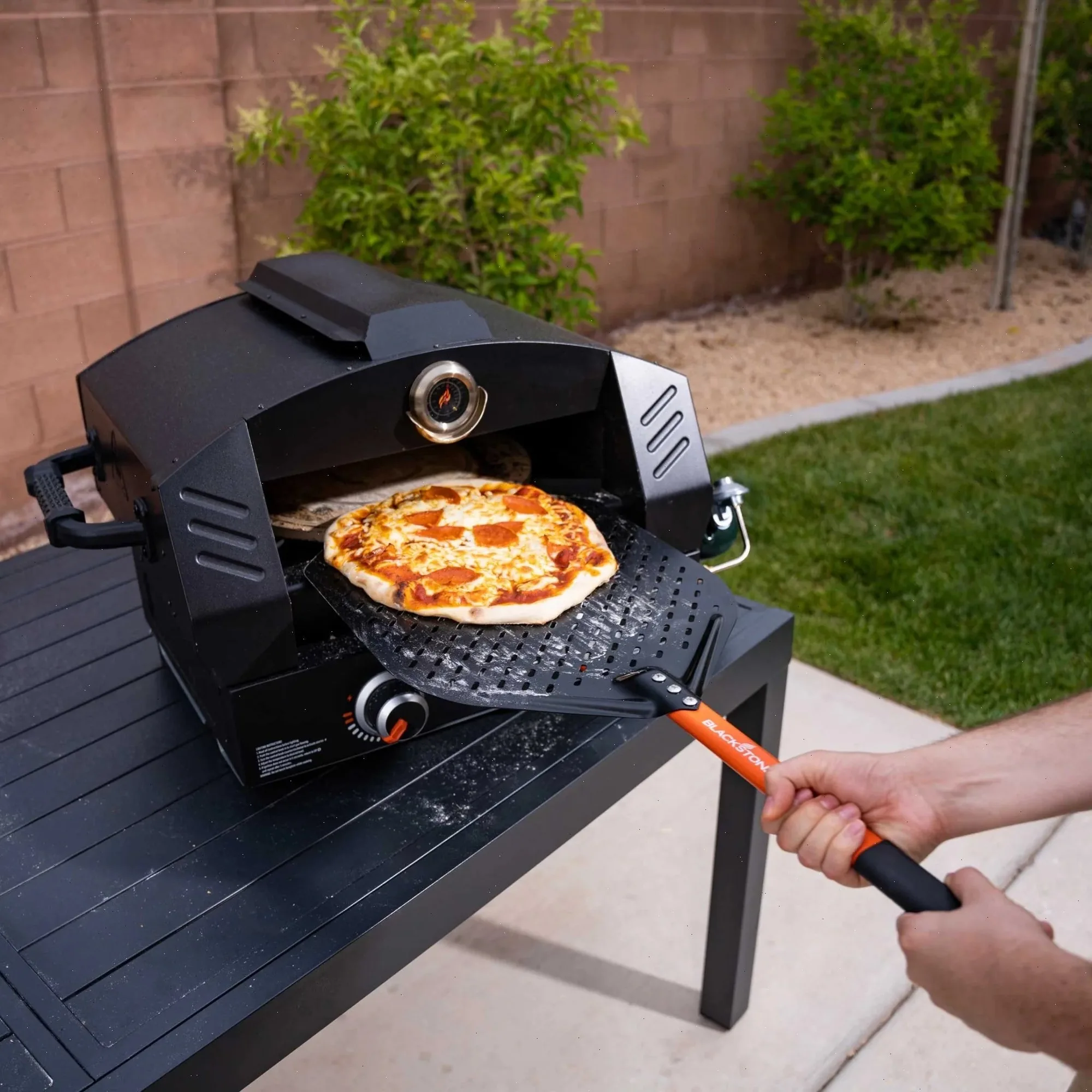
A Blackstone pizza oven reaches much higher temperatures than a griddle, often exceeding 500°F. This intense heat mimics a wood-fired oven, producing a blistered crust with charred edges and a puffy, airy interior. Frozen pizzas cook faster, and the results are closer to what you'd get from a pizzeria.
The trade-off is that pizza ovens are single-purpose tools. They take up storage space and require a separate fuel source. If you already own a griddle, you can achieve a crisp crust without adding another appliance. But if you regularly cook pizza and want that authentic char, a pizza oven is worth the investment.
- Preheat the pizza oven for at least 20 minutes to reach the ideal temperature.
- Rotate the pizza halfway through cooking for even browning.
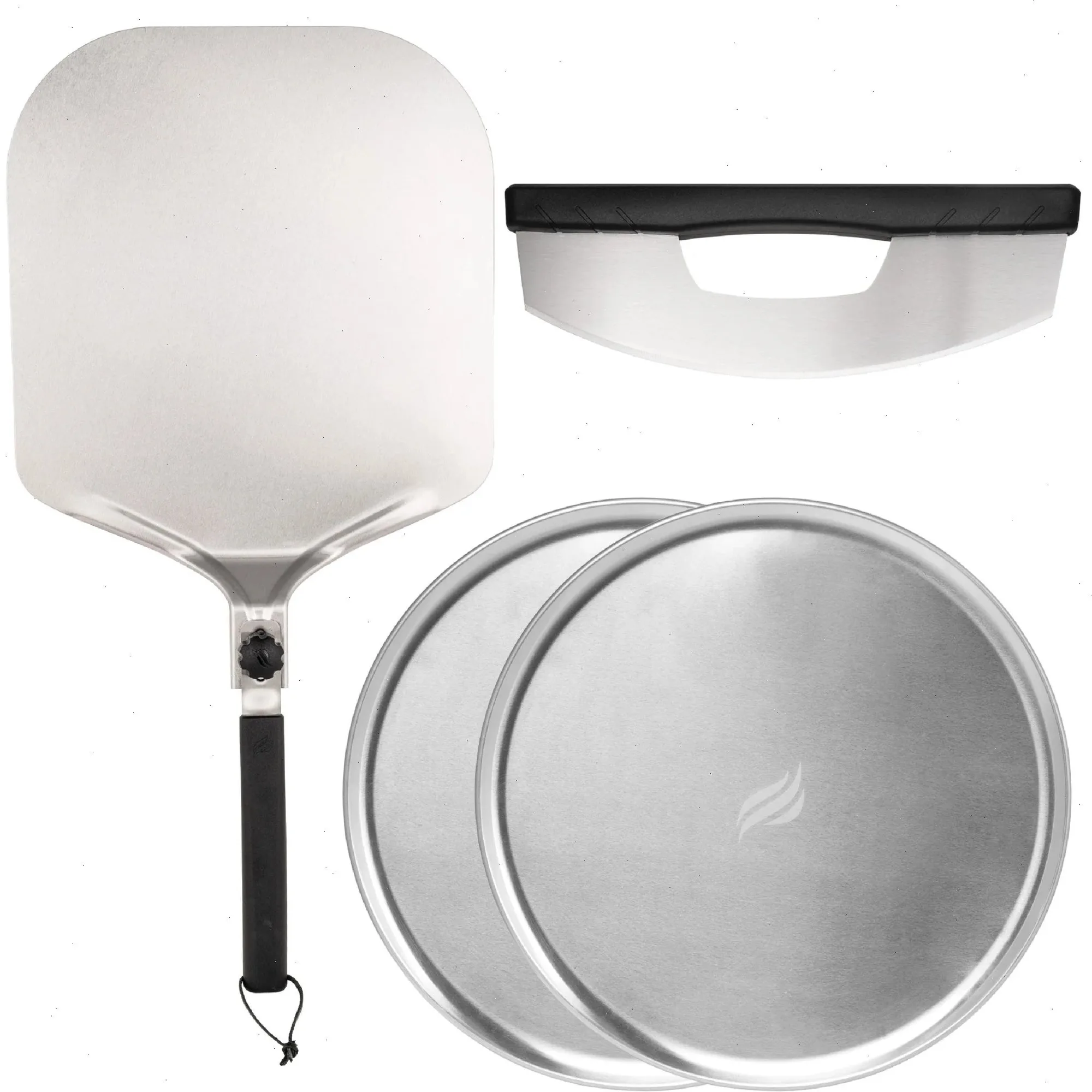
- Use a pizza peel to slide the pizza in and out safely.
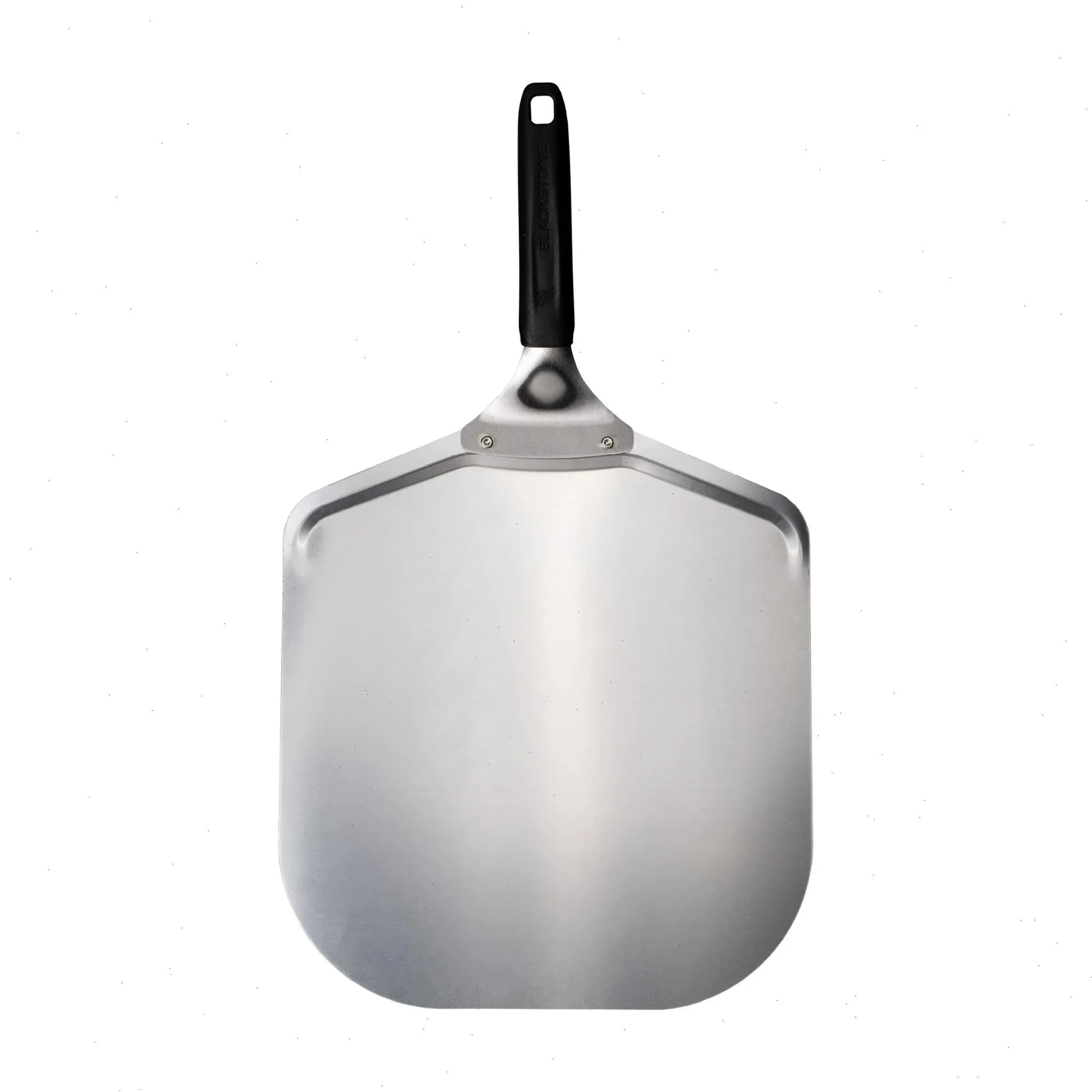
pizza peel
Crust crispness: The key differences
The fundamental difference is heat transfer. A griddle conducts heat through direct contact, which crisps the bottom of the crust. A pizza oven uses radiant heat and convection, which cooks the entire crust evenly and creates a lighter, airier texture.
For frozen pizza, this means a griddle produces a denser, crunchier crust, while a pizza oven yields a more delicate, blistered crust. If you prefer a cracker-like crunch, go with the griddle. If you want a puffy, charred crust, choose the pizza oven.
The trade-offs at a glance
- Crust texture: Griddle: crispy, cracker-like bottom. Pizza oven: blistered, puffy, and charred. Choose griddle for crunch, pizza oven for airy char.
- Cook time: Pizza oven cooks faster due to higher heat (typically 8-10 minutes). Griddle takes a bit longer (12-15 minutes) with more hands-on flipping and pressing. If speed matters, pizza oven wins.
- Versatility: Griddles cook everything from breakfast to stir-fry. Pizza ovens are dedicated to pizza and similar flatbreads. Griddle is the better value if you want one tool for many meals.
Products that help
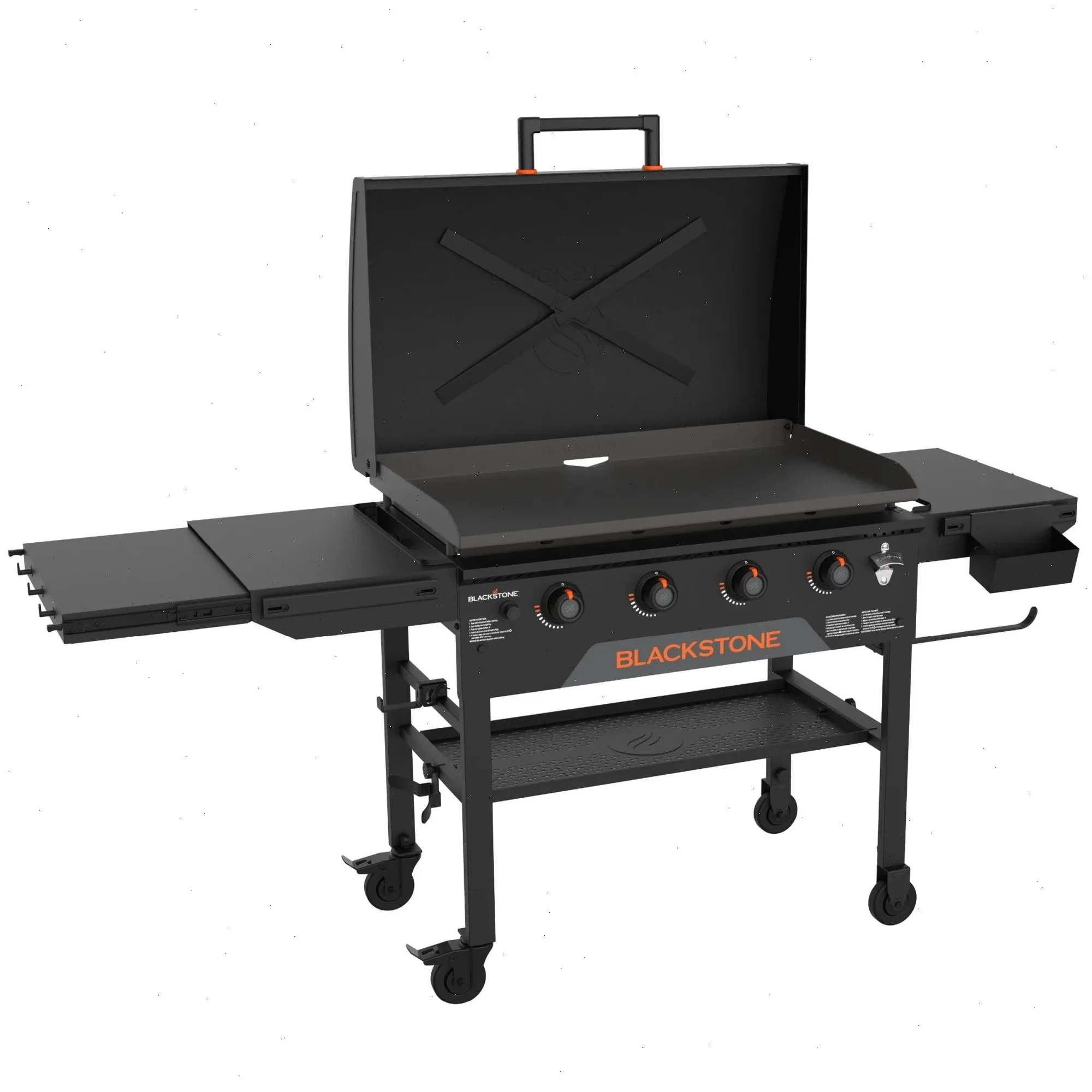
- 28" Griddle with Hood: This 28" omnivore griddle with hood features 24,000 BTUs of searing heat, so you can easily cook all your favorite meals. With two independent cooking zones, you'll be able to cook to your fullest potential. The hood doubles as a cover to protect your griddle from the elements and a basting dome to help steam and evenly cook your food. The hood acts as a basting dome, which helps melt cheese on frozen pizza without lifting the crust. The two cooking zones let you crisp the bottom on one side while keeping the toppings warm on the other.
- 36" Griddle with Hood: Push the boundaries of what's possible with the Blackstone Iron Forged 36” Griddle with Hood. The redesigned 36” Griddle looks sleek yet provides a powerful performance. Infused with new Omnivore Griddle Plate Technology, you’ll be whipping up meals like never before. With the extendable side shelf and the customization of the new side shelf rail system, there’s room to experiment, innovate, and construct your... The larger cooking surface lets you cook multiple frozen pizzas at once, and the side shelf provides a convenient landing spot for toppings and tools. The Omnivore plate technology distributes heat evenly, which helps prevent hot spots that can burn the crust.
- 22" Tabletop Griddle: Looking for the perfect addition to your new or old RV? Look no further - the 22-inch griddle is the ideal griddle you'll need for all your adventures. Featuring 361 square inches of cooking space and a large heat shield to keep your countertop safe from the heat. This compact griddle is perfect for camping or tailgating when you want crispy frozen pizza away from home. The heat shield protects your table or countertop, and the 361 square inches are enough for a personal-size pizza.
Which method fits you?
Best for
- Outdoor cooks who want a crispy, chewy crust and already own a griddle
- Campers and tailgaters who need a portable pizza solution
- Families who want to cook multiple pizzas at once on a large surface
Not for
- Anyone who wants an authentic, blistered pizzeria crust without charred edges
- Those who prefer a puffy, airy crust over a dense, cracker-like texture
Both methods turn frozen pizza into something special. The griddle gives you a crispy, smoky crust with minimal extra gear, while a pizza oven delivers that high-heat char that’s hard to replicate. Consider your preferred texture, your existing equipment, and how often you’ll cook pizza outdoors. Whichever you choose, you’ll never want to go back to the kitchen oven.