Quick Answer
For a puffy, leopard-spotted crust with classic wood-fired char, a dedicated pizza oven wins. But if you want one cooker that handles pizza night plus seared meats, veggies, and breakfast, a Blackstone griddle offers versatility—just expect a thinner, more even crust without heavy char. Choose based on whether pizza is a weekly ritual or an occasional treat.
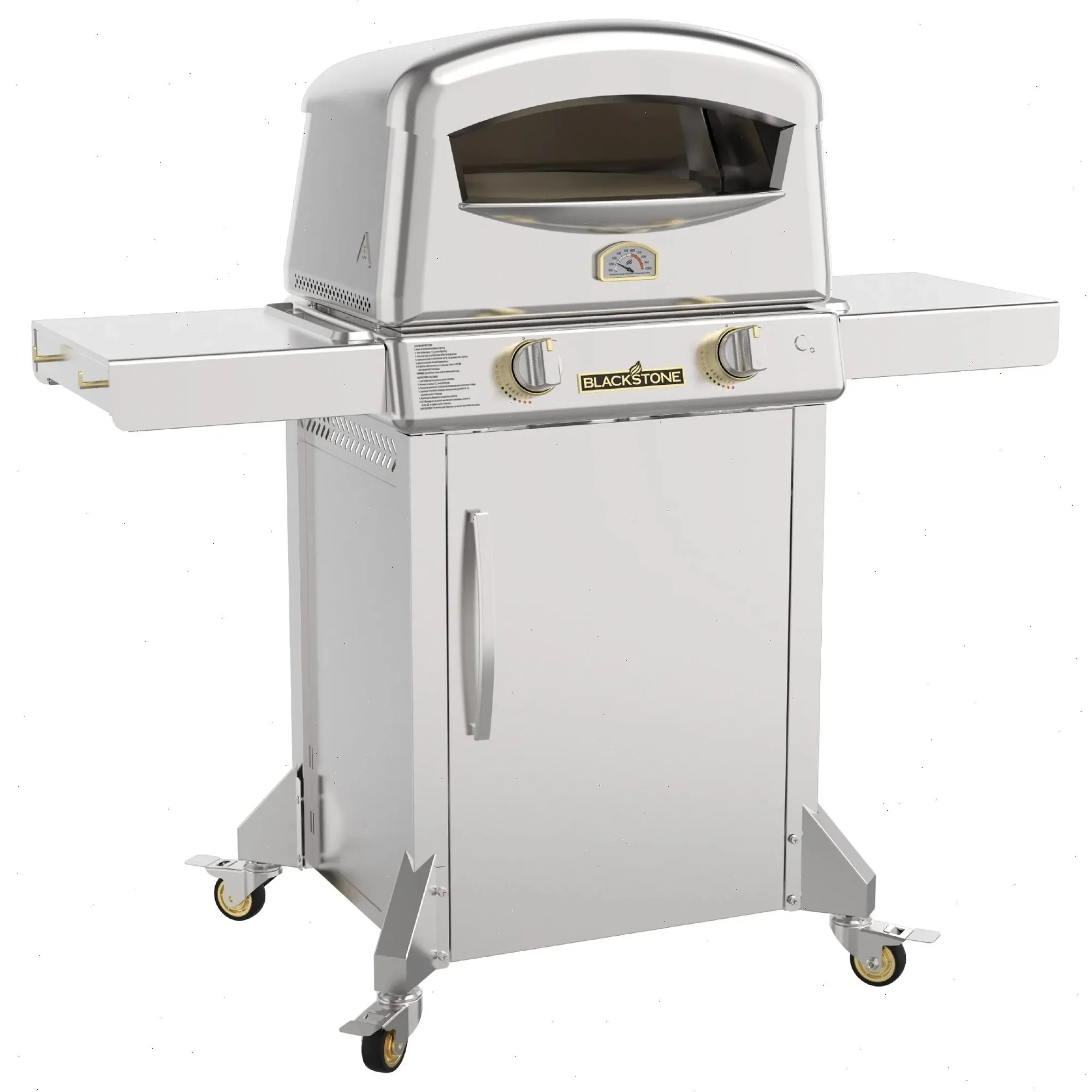
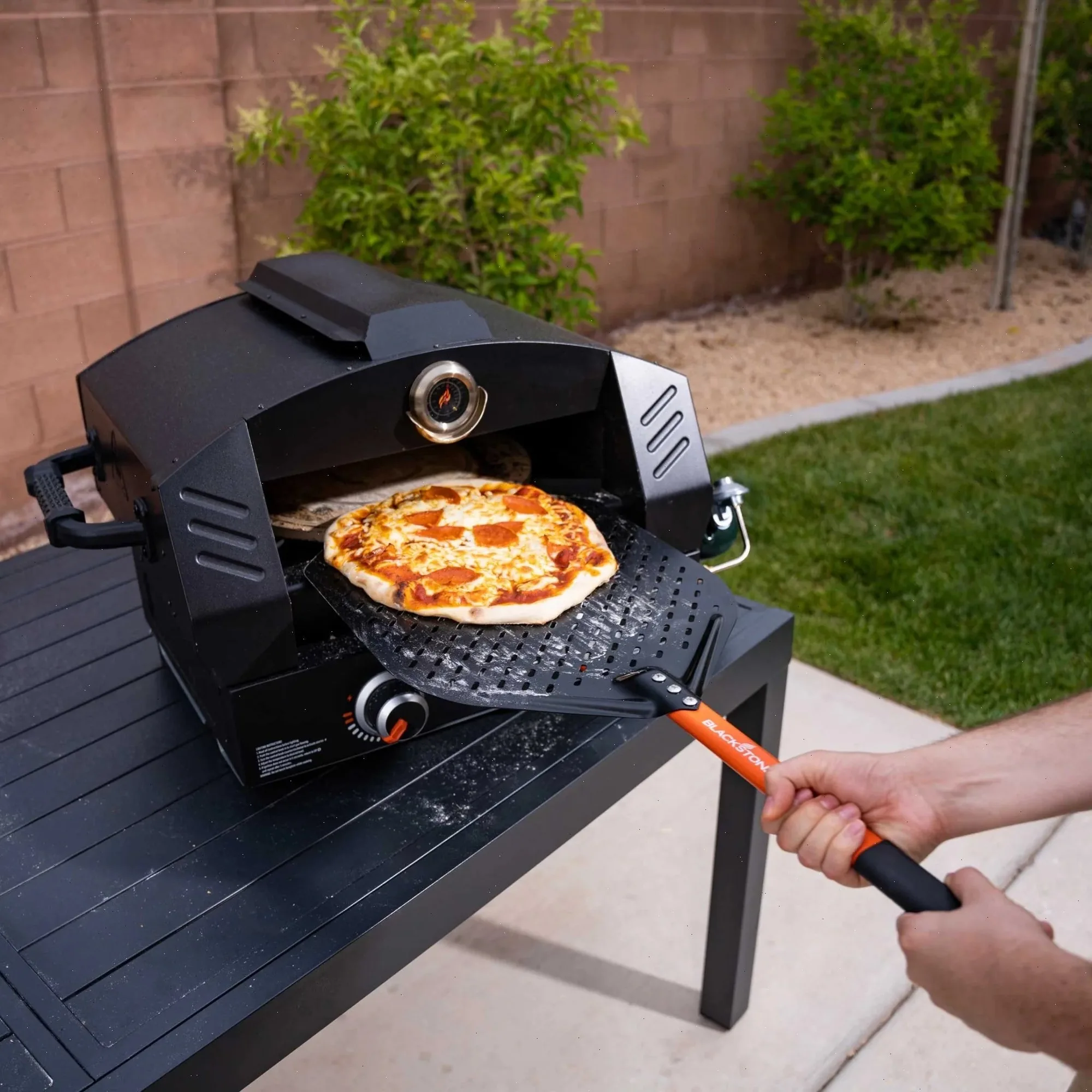
pizza oven
When the craving for outdoor pizza hits, the question isn't just about toppings—it's about crust and char. A Blackstone griddle and a dedicated pizza oven approach heat and cooking surfaces very differently, and that difference shows up in every bite.
We'll compare how each cooker handles dough, heat distribution, and browning, so you can decide which one deserves a spot on your patio. No hype, just practical tradeoffs.
Heat and Cooking Surface: Direct vs Radiant
A pizza oven relies on radiant heat and hot stone or steel surfaces to blast dough with temperatures often exceeding 700°F. That intense, even heat drives rapid oven spring—the quick rise that creates a puffy, airy crust—and encourages char spots where dough contacts the surface. The result is a Neapolitan-style crust with leopard spotting and a chewy interior.
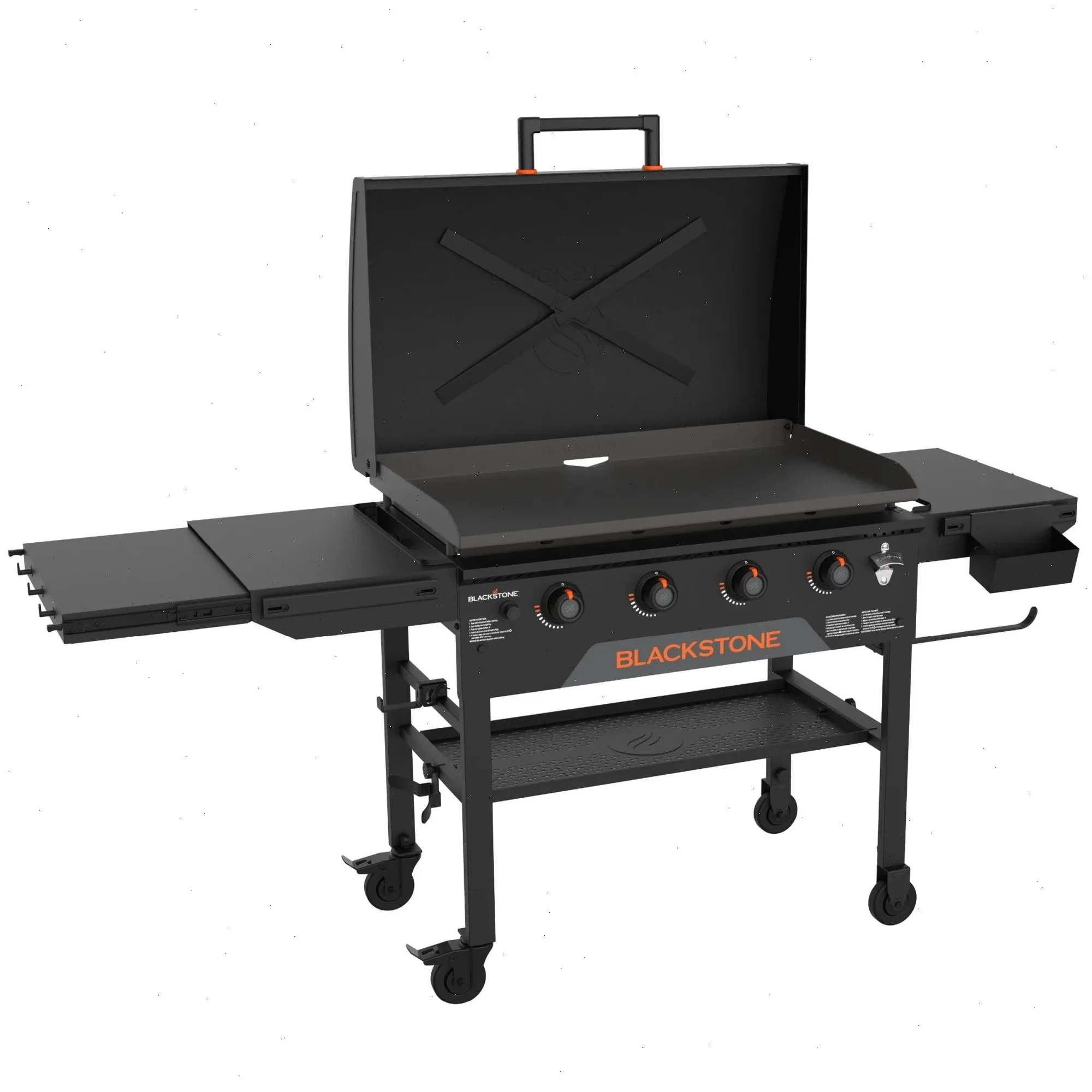
A griddle, by contrast, heats from below only, with no overhead radiant source. Typical griddle temperatures max out around 500-600°F. You can still make excellent pizza, but the crust develops more like a flatbread or pan pizza: crisp and golden on the bottom, with less rise and virtually no char on top. If you're after that wood-fired look, a griddle alone won't get you there.
- Pizza ovens excel at high-heat, radiant cooking for puffy crusts.
- Griddles offer even bottom heat but no top browning.
- Consider your preferred pizza style: Neapolitan vs flatbread.
Crust Texture and Char: What to Expect
The crust is where the two cookers diverge most. In a pizza oven, the combination of high heat and quick cooking (60-90 seconds) yields a crust that's crisp outside, soft and airy inside, with charred blisters that add smoky flavor. That char isn't just cosmetic—it's a sign of Maillard reaction and caramelization happening fast.
On a griddle, you'll get a uniformly browned, crispy bottom—think restaurant-style flatbread pizza. The lack of top heat means no char on the edges or toppings unless you add a broiler or lid. If you're a char lover, you might miss that complexity. But if you prefer a sturdy, crunchier crust that holds toppings without sogginess, a griddle can be a great choice.
- Oven: airy, blistered, smoky char.
- Griddle: even, crispy, sturdy base.
- Trade-off: speed of cook vs versatility.
Beyond Pizza: Versatility and Value
A dedicated pizza oven is a specialist. It does pizza—and maybe bread or roasted veggies—exceptionally well, but it's not built for searing steaks, flipping pancakes, or cooking a full breakfast. That's where a griddle shines. With a large flat surface, you can cook multiple items at once, from smash burgers to stir-fry, and even make pizza with the right technique.
Griddles also tend to be more budget-friendly and take up less space, especially tabletop models. If you're weighing cost per use, a griddle that handles daily meals plus occasional pizza may offer better value than a single-purpose oven. But if pizza is your passion and you're willing to dedicate space, the oven's superior crust and char justify the investment.
- Griddle: all-day cooking, from breakfast to dinner.
- Oven: specialty performance for pizza enthusiasts.
- Consider how often you'll actually make pizza.
The Tradeoff: Crust and Char vs Versatility
- Pizza Oven for Authentic Crust: High radiant heat produces puffy, blistered crust with smoky char in minutes. Ideal for Neapolitan-style pies. Choose if pizza is a weekly ritual and you value crust authenticity.
- Griddle for Everyday Flexibility: Even bottom heat gives a crispy, sturdy crust but no top char. Perfect for flatbread-style pizza and all other meals. Choose if you want one cooker for everything, including pizza night.
- Hybrid Approach: Use a griddle for pizza base and finish under a broiler or with a kitchen torch to add char. Or invest in a pizza oven if space allows. Best of both worlds if you're willing to experiment.
Gear That Bridges the Gap
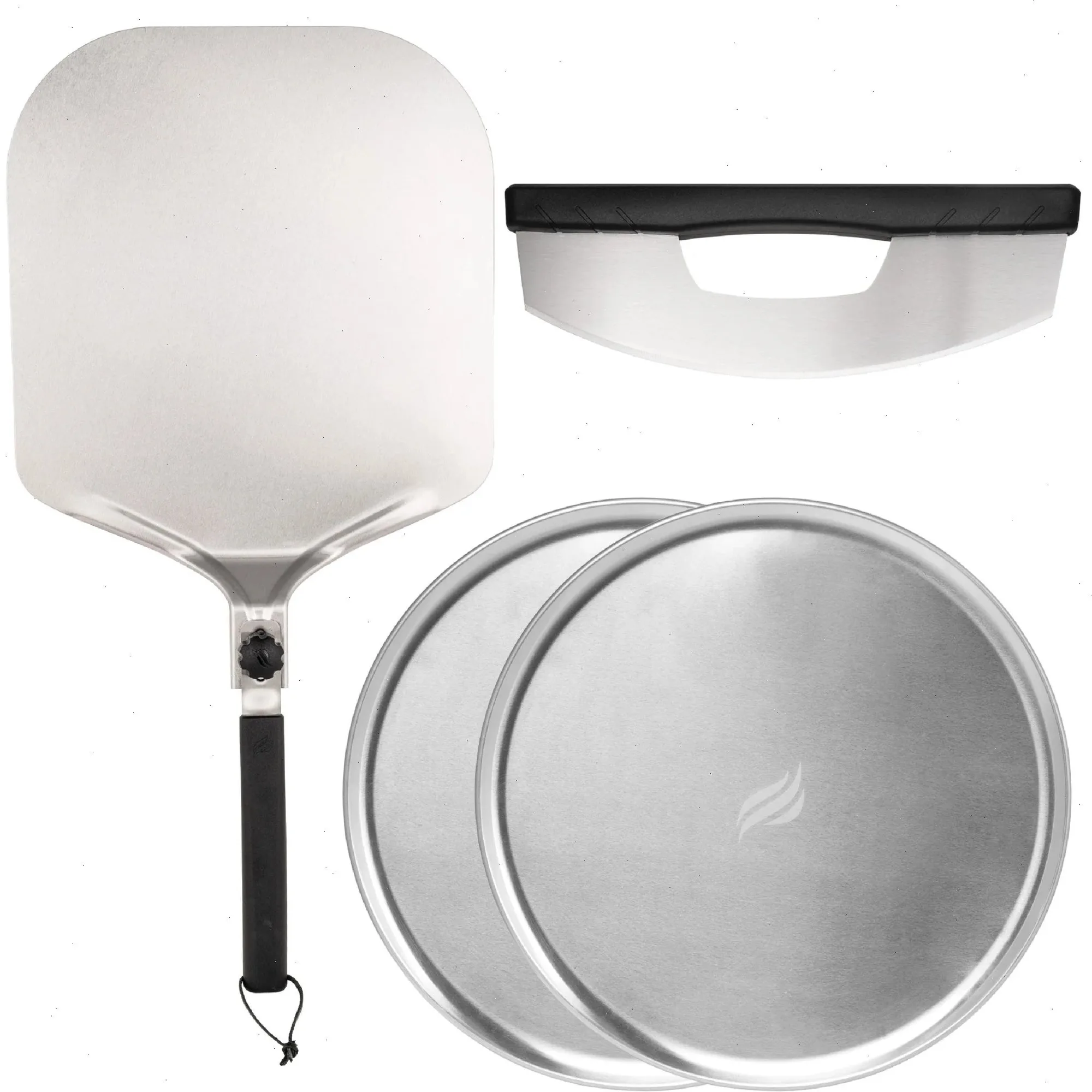
- 12" Pizza Peel: Made of Acacia wood with a textured plastic handle. Handle is 7-in. in length. Beveled edge for easy pizza launch. Handwash recommended. 1 year warranty. Whether you use a griddle or pizza oven, launching and retrieving pizza safely is key. This peel's beveled edge helps slide dough onto a hot surface without tearing, so you can focus on crust and char.
- Adjustable Warming Rack: Never let your food go cold again! The Adjustable Warming Rack is perfect for keeping your main dish hot while making room to cook your side dishes. The surface is slightly beveled to prevent food from slipping and falling, while small slits let the heat through. The stainless-steel warming rack can be adjusted for a perfect fit on your tabletop and 36" griddles. Silicone heat-resistant handles makes adjusting the... If you're using a griddle to cook multiple items for a pizza night, this rack keeps cooked toppings or sides warm without overcooking, freeing up cooking space for your crust.
Which Cooker Fits Your Style?
Best for
- Pizza purists who want wood-fired crust and char at home.
- Those who host pizza parties and want quick, high-heat cooking.
Not for
- Home cooks who need one outdoor cooker for daily meals beyond pizza.
- Budget-conscious buyers who want maximum versatility per dollar.
Ultimately, the choice between a griddle and a pizza oven comes down to how often you make pizza and how much you value authentic crust and char. If pizza is a passion, a dedicated oven delivers results a griddle can't match. But if you want a single outdoor cooker that handles everything from breakfast to dinner—with pizza as a fun option—a Blackstone griddle offers unbeatable versatility. Whichever you choose, the right tools and technique will make every meal memorable.