Miracle Fruit: Raised Bed or Container?
Miracle Fruit (Synsepalum dulcificum) is a tropical shrub known for its flavor-changing berries. After eating one, sour foods like lemons and limes taste sweet for up to an hour. If you're considering adding this plant to your garden, the first decision is where to grow it: in a raised bed or a container. Both options work, but the right choice depends on your climate, available space, and how much control you want over soil and humidity.
What the Miracle Fruit Record Tells You
-
Miracle Fruit: Miracle Fruit is a tropical plant that can thrive indoors or outdoors in warm climates. It prefers bright, indirect light indoors and full sun to part sun outdoors with well-draining soil. This tells you that the plant is not frost-tolerant and needs warm conditions. Indoors, you can provide consistent warmth and humidity, which is easier with a container. Outdoors in a raised bed, you'll need a frost-free climate or be prepared to move the plant.
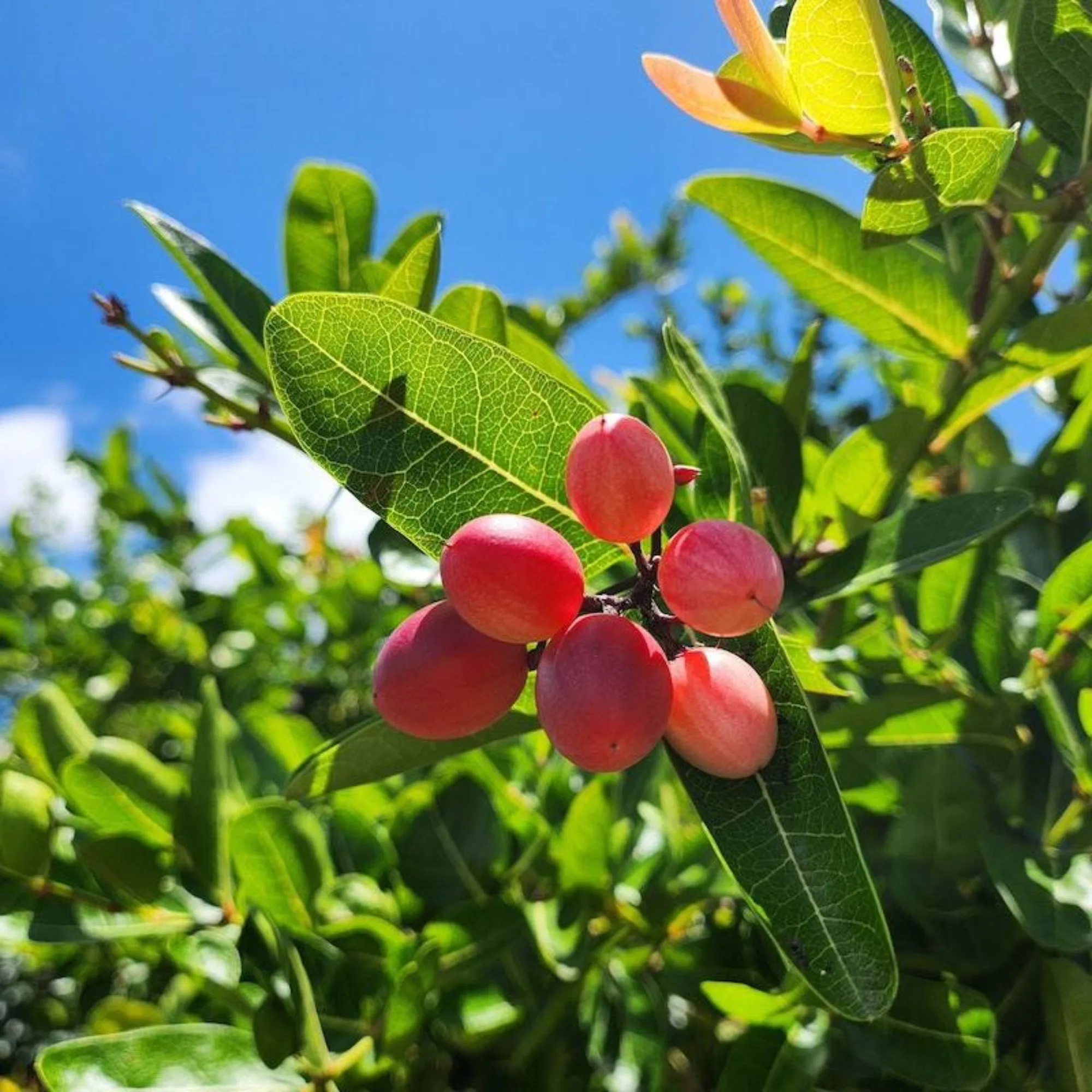
Miracle Fruit
-
Miracle Fruit: Miracle Fruit is well-suited for containers, making it a great option for apartment dwellers or those without garden space. You can enjoy the flavor-transforming magic right from your patio or living room! Container growing is explicitly recommended, which is a strong signal if you have limited outdoor space or want to bring the plant indoors during cold months. Containers also let you control soil mix and drainage more precisely.
-
Miracle Fruit: While it can be grown as a houseplant, it will do best with some humidity and regular watering to mimic its native environment. Humidity is a key factor. A container on a patio or indoors near a humidifier can be easier to manage than a raised bed in a dry climate. Raised beds in a humid greenhouse or warm, coastal area may also work well.
Raised Bed vs Container: Key Trade-offs
Both options can support a healthy Miracle Fruit plant, but your local conditions and goals will tip the balance.
- Climate and Portability: Containers win if you need to move the plant indoors during cold snaps or to adjust sun exposure. Raised beds are permanent and better suited for warm, frost-free climates where the plant can stay put year-round.
- Soil and Drainage: Containers let you use a custom, well-draining potting mix ideal for Miracle Fruit's tropical roots. Raised beds may require soil amendment to match the plant's preference for acidic, well-draining conditions.
- Humidity Control: Indoor or patio containers make it easier to boost humidity with pebble trays or grouping plants. Raised beds in a dry climate may struggle unless you use a greenhouse or misting system.
- Space and Aesthetics: Containers are perfect for balconies, patios, or small gardens. Raised beds can accommodate larger plants and multiple specimens, but take up more ground space.
Care Considerations for Either Setup
Regardless of where you plant, Miracle Fruit needs bright, indirect light indoors or full sun to part sun outdoors. Water regularly to keep the soil moist but not waterlogged. The plant is available in a 3-gallon size, which is a good starting point for either a container or a small raised bed. If you choose a raised bed, ensure the soil is well-draining and slightly acidic. For containers, use a pot with drainage holes and a high-quality potting mix. Remember that the supplied information does not include specific frost tolerance or exact pH requirements, so it's wise to research local conditions or consult a nursery for your area.