In recent years, the tea industry has witnessed a remarkable shift toward organic and fair trade certifications. Consumers are no longer satisfied with just a delicious cup of tea—they want to know where their leaves come from, how they were grown, and whether the farmers behind them were treated fairly. This growing demand for transparency and sustainability is reshaping the global tea market, making ethical tea choices more accessible than ever.
From small-batch artisanal blends to everyday staples, organic and fair trade teas now account for a significant share of sales. This article explores the reasons behind this trend, the benefits of choosing certified teas, and how you can make more informed purchasing decisions. Whether you are a seasoned tea lover or new to the world of loose leaf, understanding these certifications will help you sip with confidence.
What Does Organic Tea Really Mean?
Organic tea is grown without synthetic pesticides, herbicides, or chemical fertilizers. Instead, farmers rely on natural methods like composting, crop rotation, and biological pest control to maintain soil health and plant vitality. This approach not only produces a cleaner cup of tea but also protects local ecosystems, water sources, and the health of farm workers.
Certifications such as USDA Organic, EU Organic, and Soil Association provide third-party verification that strict organic standards have been met. When you choose organic tea, you are supporting farming practices that reduce environmental impact and promote biodiversity. For example, many organic tea gardens in China and India serve as habitats for birds and beneficial insects, creating a balanced agricultural system.
- Look for certifications like USDA Organic or EU Organic on the packaging.
- Organic teas often have a cleaner, more natural flavor profile without chemical aftertastes.
- Choosing organic supports long-term soil fertility and reduces pollution.
The Fair Trade Difference: Empowering Tea Communities
Fair trade certification goes beyond environmental concerns to address social and economic justice. It guarantees that tea farmers receive a minimum price for their harvest, which protects them from volatile market fluctuations. Additionally, fair trade premiums are paid into community funds that workers can use for education, healthcare, and infrastructure projects.
Many tea-producing regions, particularly in India, Sri Lanka, and Kenya, have benefited from fair trade programs. Workers gain access to better working conditions, fair wages, and opportunities for skill development. For consumers, fair trade tea offers peace of mind that their purchase contributes to breaking the cycle of poverty in rural farming communities. Brands that prioritize fair trade often highlight these partnerships on their websites and packaging.
- Fair trade labels include Fairtrade International, Fair for Life, and Rainforest Alliance.
- Premium funds have built schools, clinics, and clean water systems in tea-growing areas.
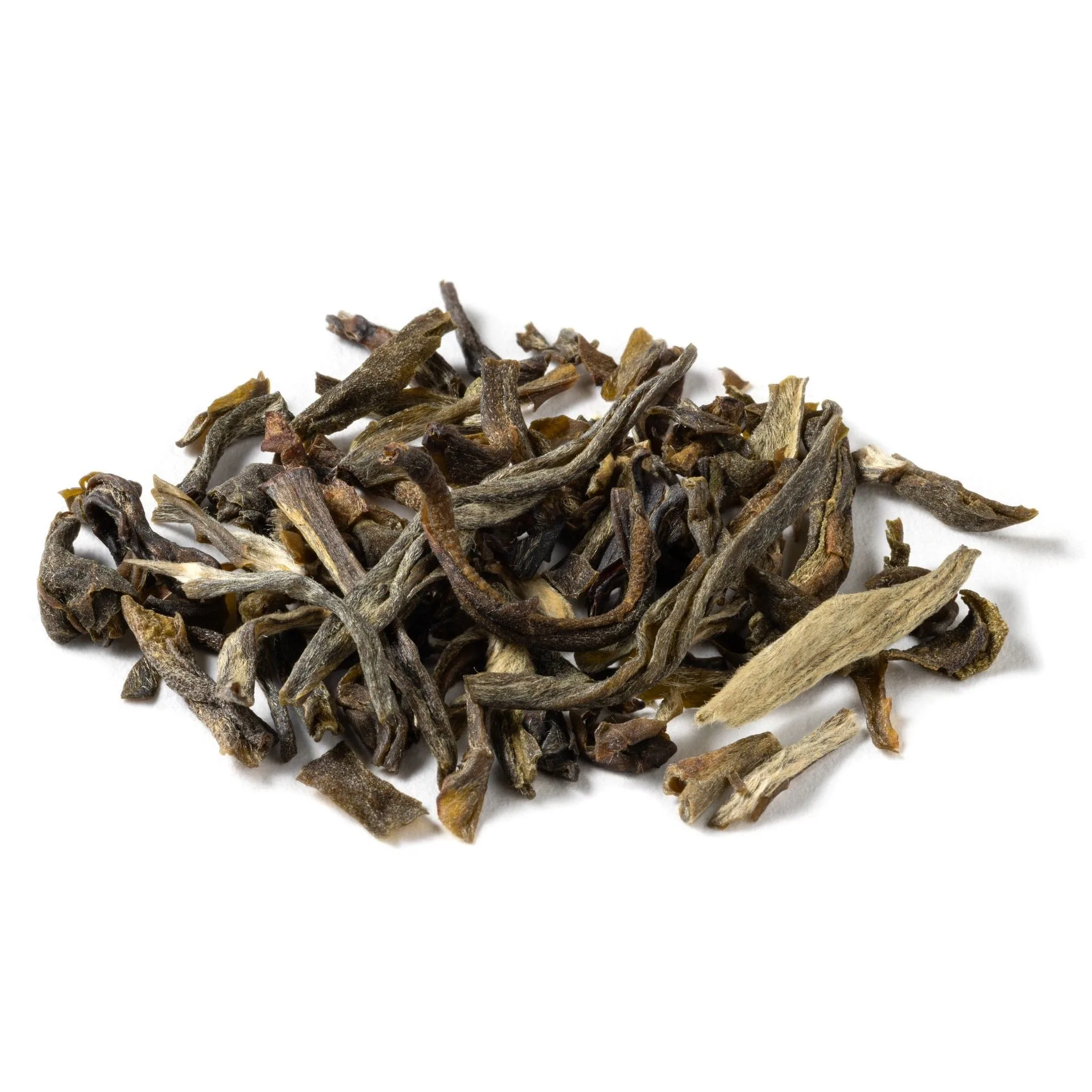
- Fair trade teas are often available in both black and green varieties, such as English Breakfast Tea and Mao Feng Green Tea.
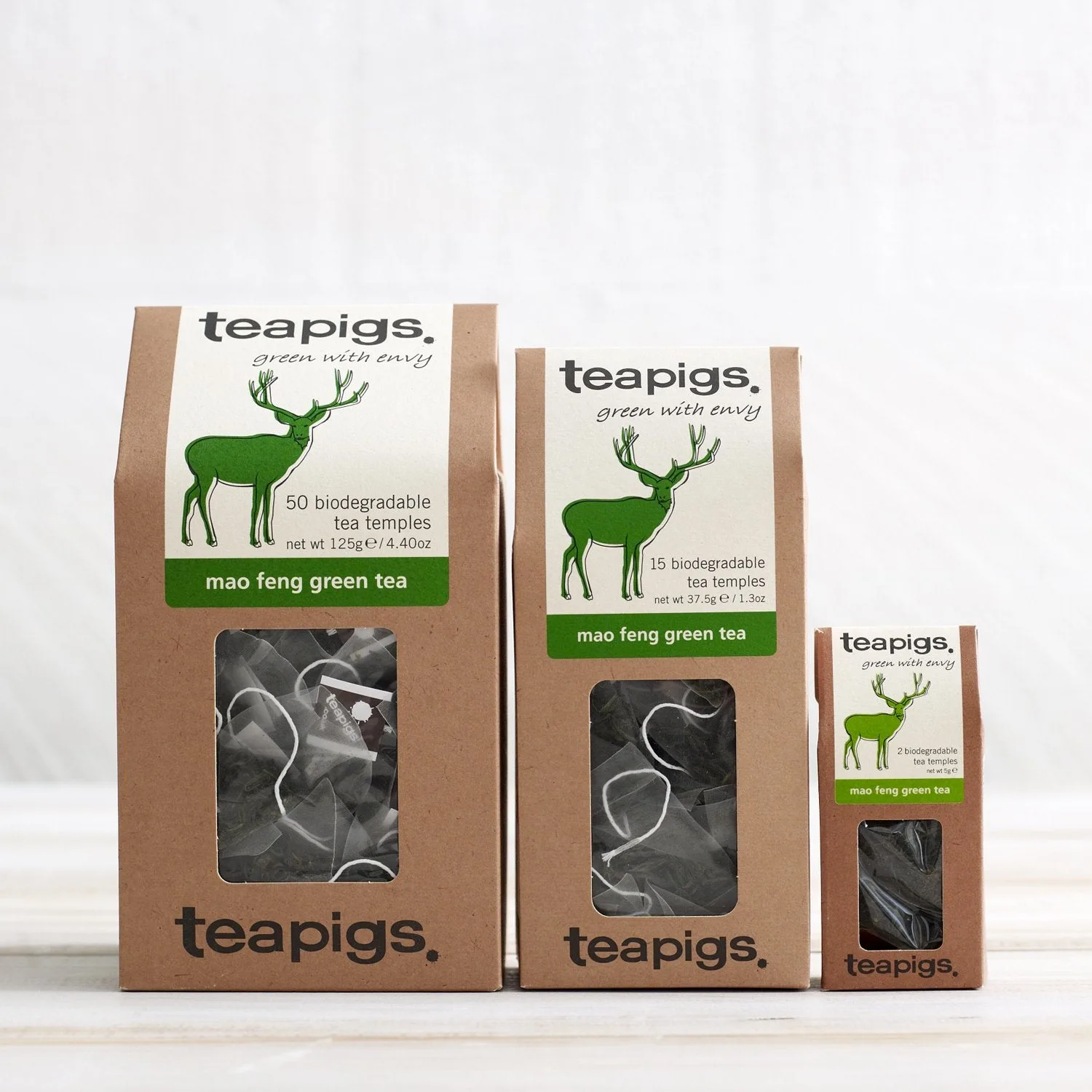
Mao Feng Green Tea
Why Consumers Are Switching to Ethical Teas
The rise of conscious consumerism is a major driver behind the popularity of organic and fair trade teas. Millennials and Gen Z shoppers, in particular, prioritize brands that align with their values. They are willing to pay a little more for products that are ethically sourced, environmentally friendly, and socially responsible. This trend is amplified by social media and documentaries that expose the harsh realities of conventional tea production.
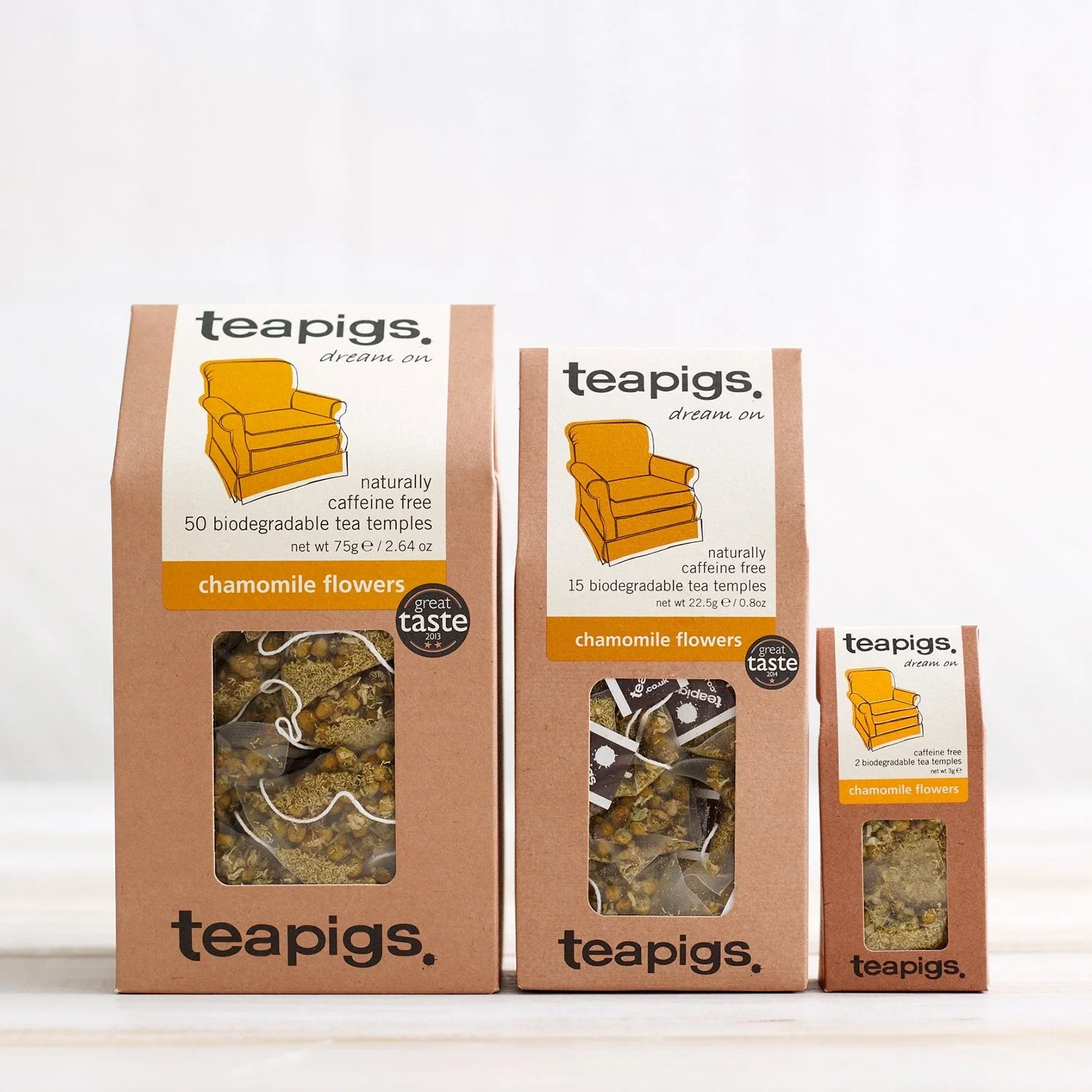
Another factor is the growing awareness of health benefits. Organic teas are free from synthetic residues, making them a cleaner choice for daily consumption. Many people also find that organic teas have a richer, more nuanced flavor because the plants are grown in healthier soil. As a result, even traditional favorites like Chamomile Tea are now available in organic versions that appeal to health-conscious buyers.
- Ethical teas often come in eco-friendly packaging, reducing plastic waste.
- Supporting fair trade helps preserve traditional tea-growing knowledge and cultural heritage.
- Many specialty tea shops now offer curated collections of organic and fair trade blends.
How to Identify and Choose Ethical Teas
When shopping for ethical teas, start by checking the label for certifications. Look for logos from recognized organizations such as Fairtrade International, USDA Organic, or Rainforest Alliance. Some brands also provide detailed information about their sourcing practices on their websites, including the names of the farms or cooperatives they work with.
Another tip is to buy from reputable online tea shops that specialize in ethical sourcing. These retailers often provide transparency about their supply chain and may offer sample boxes so you can try before committing to a larger purchase. For example, a teapigs best seller letterbox sample box is a great way to explore different organic and fair trade options without waste. Additionally, consider reusable accessories like a teapigs cockerel mug or a Kinto Unitea Glass Cup to enjoy your ethical brew in style.
- Research brands online to see if they publish sustainability reports or farmer stories.
- Choose loose leaf teas over tea bags to reduce packaging waste.
- Support companies that invest in regenerative agriculture and carbon offset programs.
The Environmental Impact of Organic and Fair Trade Tea Farming
Conventional tea farming often relies on heavy chemical inputs that degrade soil quality and contaminate water sources. In contrast, organic farming methods build healthy soil, sequester carbon, and promote water conservation. Fair trade practices further enhance environmental stewardship by requiring farmers to adopt sustainable land management techniques.
Studies have shown that organic tea plantations host higher levels of biodiversity, including beneficial insects, birds, and microorganisms. This ecological balance reduces the need for pesticides and creates a resilient farming system. Additionally, many fair trade cooperatives invest in renewable energy, reforestation, and waste reduction projects. By choosing organic and fair trade teas, consumers directly support these positive environmental outcomes.
- Organic tea farms often use shade trees to protect plants and provide wildlife habitat.
- Fair trade premiums have funded solar panels and biogas systems in some communities.
- Choosing organic reduces your exposure to potentially harmful chemicals.
The growing popularity of organic and fair trade teas reflects a broader shift toward mindful consumption. By choosing ethically sourced teas, you not only enjoy a superior cup but also support farmers, protect the environment, and promote social justice. Whether you are a longtime tea enthusiast or just beginning your journey, exploring organic and fair trade options can deepen your appreciation for this ancient beverage. Start your ethical tea adventure today by browsing our selection of certified teas, including the beloved Mao Feng Green Tea, and discover the difference that responsible sourcing makes.