The outdoor gear landscape is shifting. Gone are the days when a single static backpack had to serve every purpose from a quick city commute to a multi-day wilderness trek. Today's adventurers demand versatility, adaptability, and efficiency from their carry systems. Enter the modular backpack—a customizable, component-based approach that lets you tailor your loadout to the mission at hand. From detachable pouches to interchangeable straps and expandable compartments, modular backpacks are redefining what it means to pack smart.
This trend isn't just a passing fad; it's a response to real-world needs. Whether you're a digital nomad hopping between co-working spaces, a weekend warrior tackling alpine trails, or a minimalist traveler aiming to reduce gear redundancy, modular systems offer a level of personalization that traditional backpacks simply cannot match. In this article, we'll explore why modular backpacks are gaining traction, how they outshine conventional designs, and what to look for when building your own customizable carry system.
What Makes a Backpack Modular?
At its core, a modular backpack is designed around a platform—typically a main compartment or frame—that accepts attachable components such as pockets, pouches, compression straps, and even sleeping pad holders. Unlike all-in-one backpacks, modular systems allow you to add or remove elements based on the trip length, weather, or activity. For instance, you might carry a slim daypack configuration for a short hike, then clip on extra storage and a water bottle holder for a full weekend expedition.
Key features include MOLLE/PALS webbing for attaching pouches, removable daypacks or summit packs, interchangeable hip belts and shoulder straps, and internal dividers that can be repositioned. Brands are increasingly embracing this philosophy, offering ecosystems of accessories that snap, clip, or zip onto a core pack. The result is a single backpack that can evolve with your needs—reducing the urge to buy multiple bags for different scenarios.
- Tip: When evaluating a modular system, check the compatibility of attachments across the brand's lineup. A well-designed ecosystem lets you mix and match seamlessly.
Why Modular Backpacks Are Gaining Popularity
One major driver is the rise of multi-sport and hybrid travel. Modern adventurers often combine hiking, biking, urban exploration, and even remote work in a single trip. A modular backpack can transform from a tech-savvy commuter bag to a rugged trail pack without missing a beat. This flexibility also appeals to minimalists who want one quality bag that does it all, reducing consumer waste and saving money in the long run.
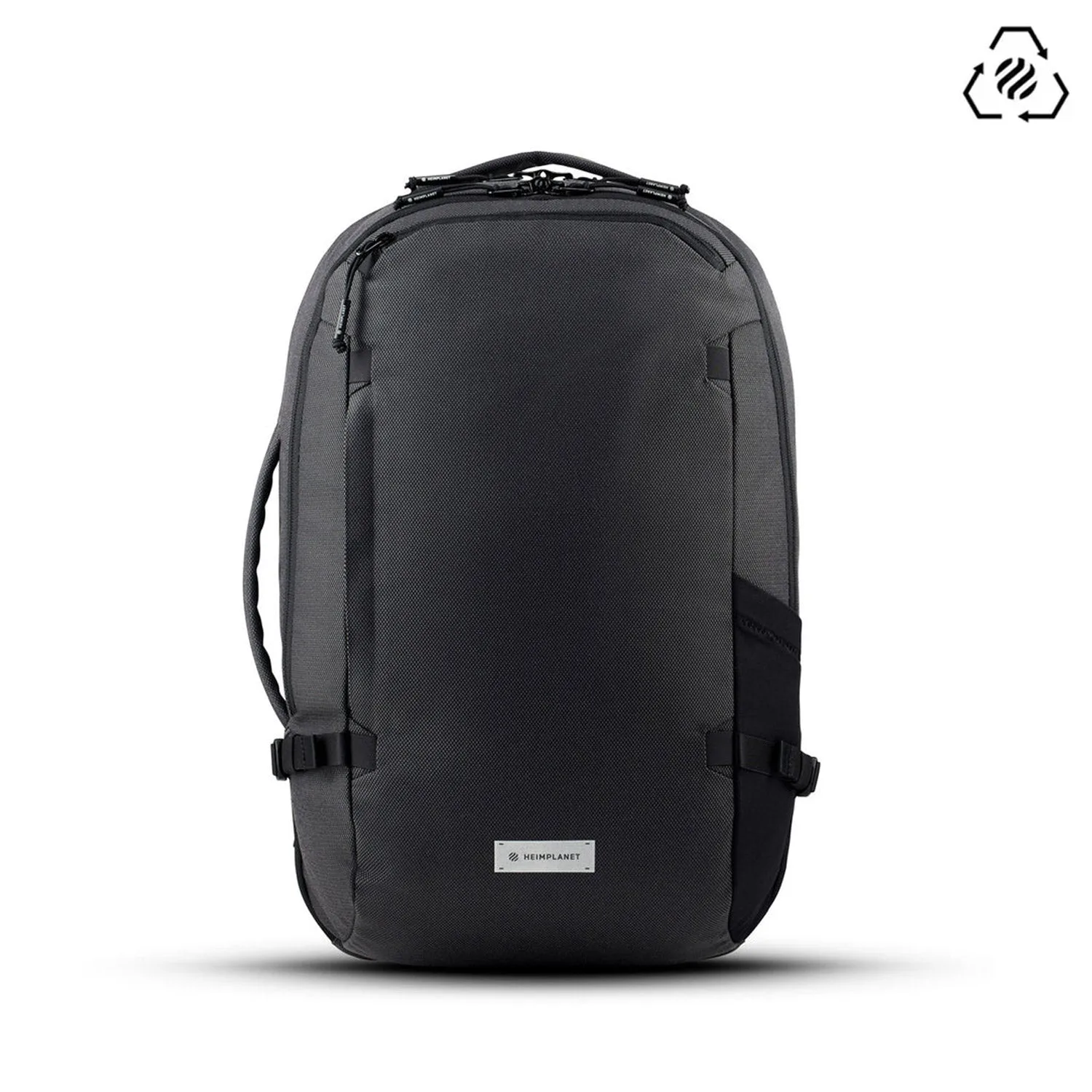
Another factor is the growing emphasis on organization. With dedicated pouches for electronics, toiletries, and emergency gear, modular systems help you stay tidy and quickly access essentials. For example, the Carry Essentials Kit Bag V2 offers a compact, detachable way to keep your daily carry items organized, while the Transit Set - Travel Pack 34L, Black provides a larger modular platform for longer journeys. These kinds of products empower users to build a carry system that matches their exact workflow.
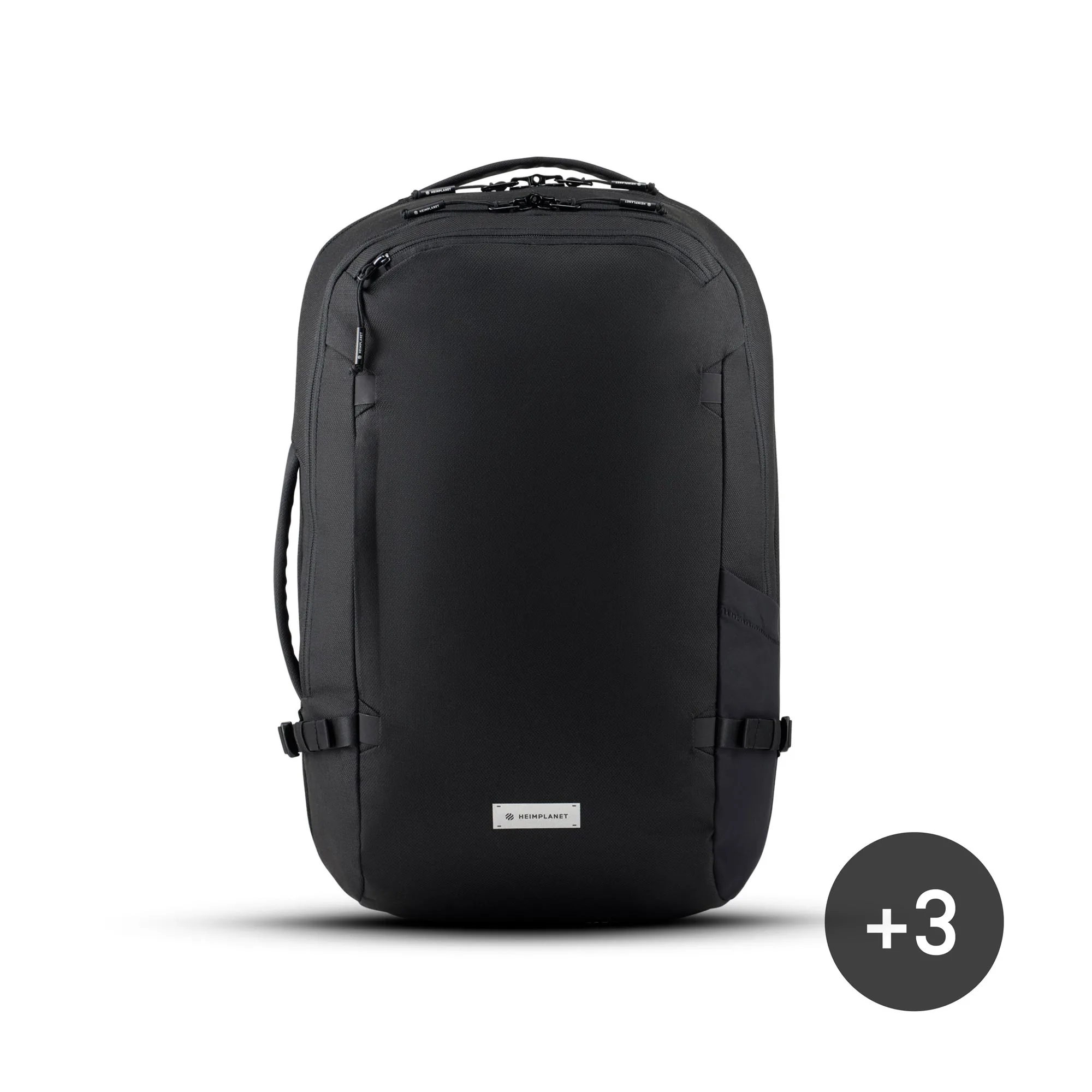
Transit Set - Travel Pack 34L, Black
Finally, there's a community aspect: modular backpacks invite customization and personal expression. Enthusiasts swap patches, mix colors, and share their loadout configurations online, turning gear into a hobby. This engagement strengthens brand loyalty and drives innovation as companies release new attachments and limited-edition components.
- Stat: A 2024 outdoor gear survey found that 62% of respondents aged 25–40 prefer modular or customizable backpacks over fixed-design models for multi-day trips.
How to Build Your Own Modular Carry System
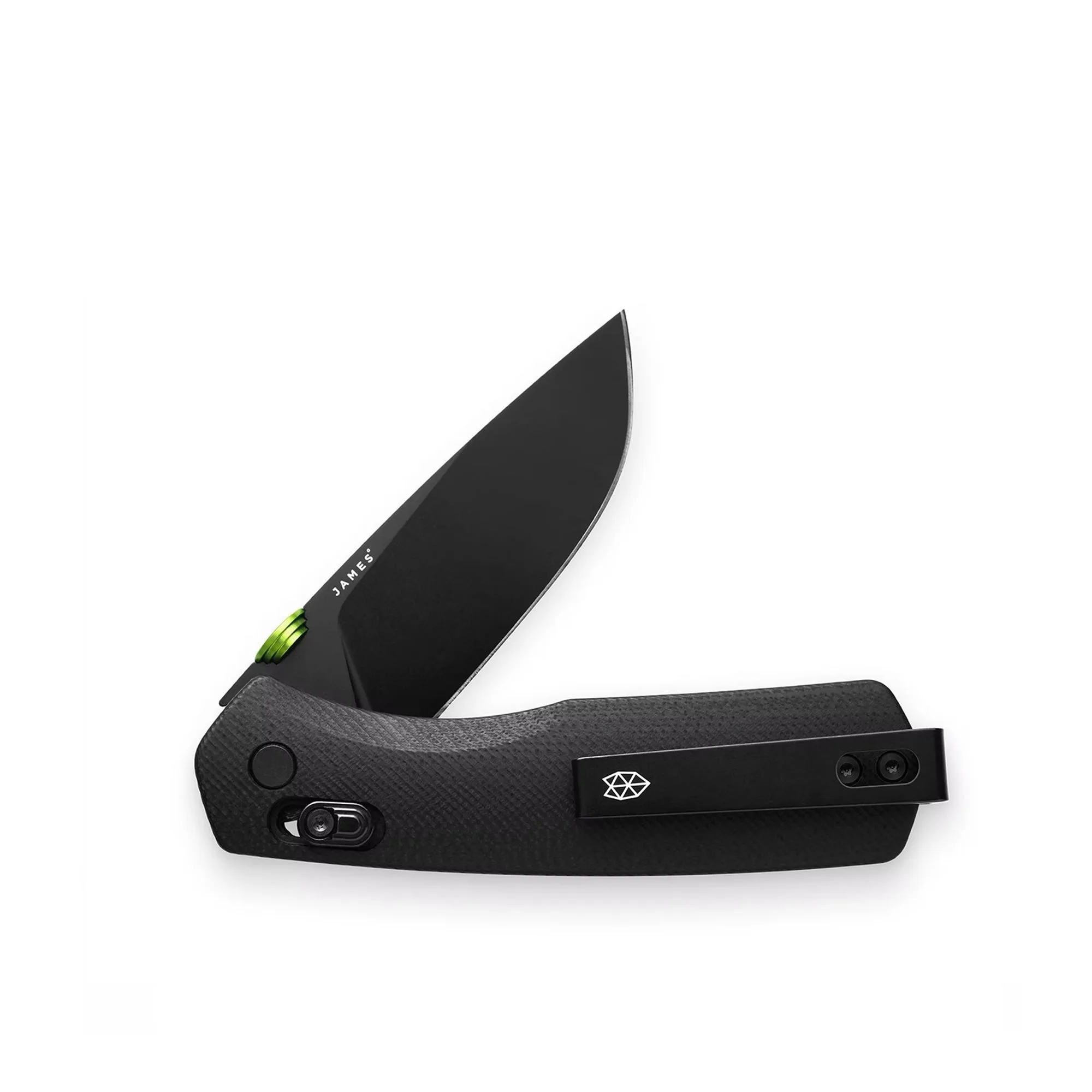
Start with a versatile core pack that fits your torso length and typical load. Look for a bag with attachment points (like webbing or rail systems) and a removable or adjustable hip belt. For urban-to-trail transitions, consider a pack that includes a dedicated laptop sleeve and a hydration reservoir compartment. Once you have your base, add accessories strategically: a sling pocket for quick-access items, a tool roll for knives and saws, or a compression sack for sleeping gear.
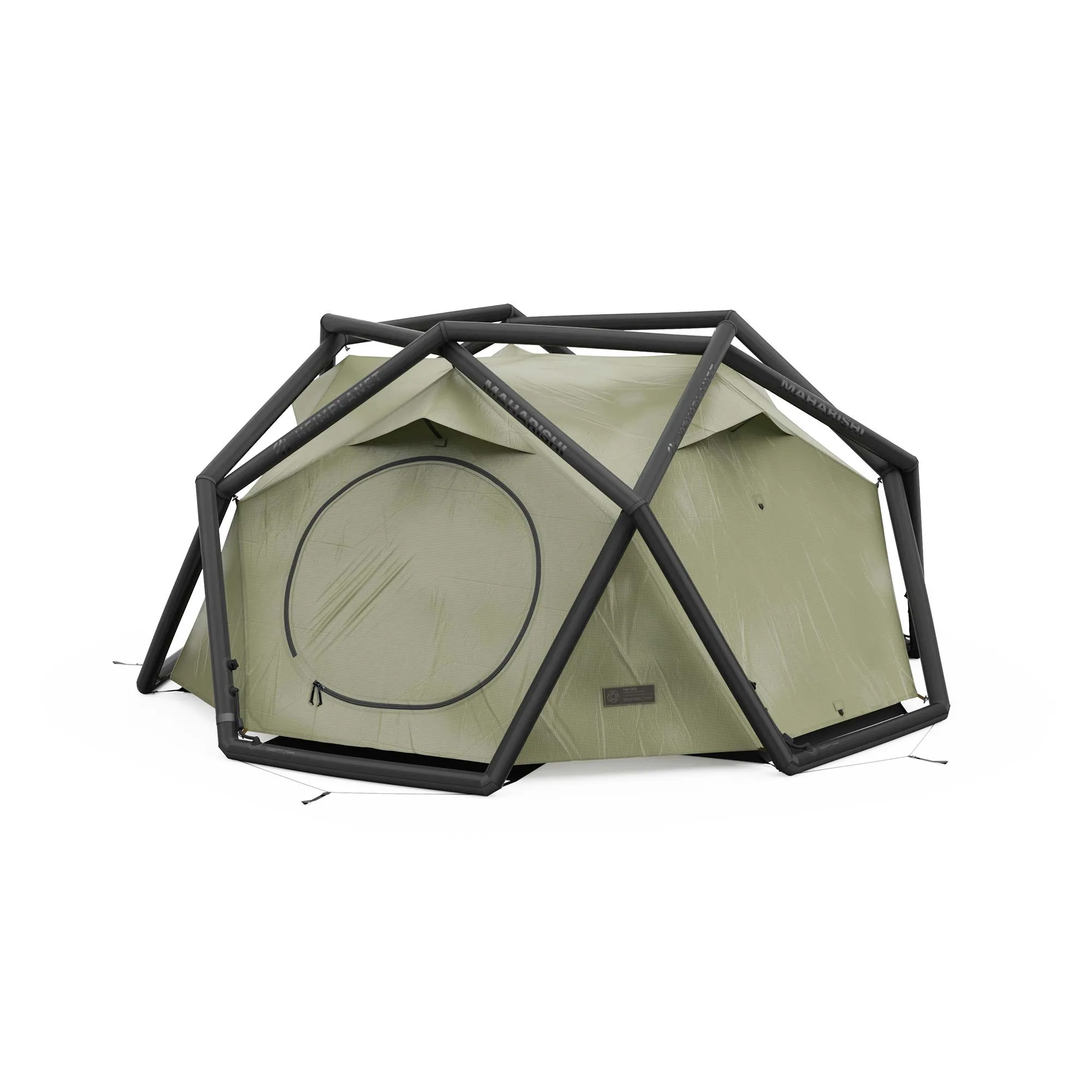
Think about your most frequent activities. If you often travel with a camera or drone, a padded insert pouch can protect gear while keeping it accessible. For campers, a detachable shelter sack that holds your tent and poles can free up internal space. The key is to avoid over-accessorizing—only add what you'll actually use on a given trip. Modularity is about reduction as much as expansion.
Finally, invest in quality attachments that won't fail in the field. Look for robust zippers, reinforced stitching, and weather-resistant materials. A well-chosen modular system can last for years, adapting as your outdoor pursuits evolve.
- Tip: Start with two or three core attachments (e.g., a front pocket, a water bottle holder, and a small organizer pouch) and test your setup on a short trip before adding more.
Comparing Modular Backpacks to Traditional Designs
Traditional backpacks are often lighter and simpler, with fewer points of failure. They can be ideal for ultralight backpackers who prioritize weight savings over versatility. However, they lack the adaptability that many modern users crave. A fixed-design pack may force you to carry unnecessary volume or leave you without a dedicated spot for critical gear. Modular systems, by contrast, let you dial in the exact capacity and organization you need for each outing.
Another difference is cost. A high-quality modular backpack plus a few attachments can be more expensive upfront than a standard pack. But over time, the ability to reconfigure the same bag for different trips can save you from buying multiple specialized packs. For frequent adventurers, the investment often pays for itself in convenience and longevity.
- Comparison: A traditional 40L pack weighs about 2.5 lbs empty; a modular equivalent with three attachments may weigh 3.2 lbs but offers 50% more organizational options.
What to Look for in a Modular Backpack Brand
Not all modular systems are created equal. When shopping, prioritize brands that offer a coherent ecosystem—meaning attachments are designed to work seamlessly together and are available for years. Check for compatibility across product lines; some brands use proprietary attachment systems that limit your options. Also, read reviews about the durability of attachment points and the security of quick-release buckles.
Consider the weight and bulk of the system. A modular pack should still be comfortable when stripped down to its core. Look for load-lifter straps, sternum straps, and padded hip belts that can handle heavier configurations. Finally, think about aesthetics and color options—many modular enthusiasts enjoy mixing earth tones with bright accents for both function and style.
- Tip: Attend outdoor gear expos or visit specialty retailers to test how attachments click onto the core pack. A smooth, intuitive connection system makes a big difference in daily use.
The modular backpack trend is more than a novelty—it's a smart evolution in outdoor gear design that puts control back in the hands of the user. By embracing customizable carry systems, you can pack lighter, stay more organized, and adapt to any adventure with confidence. Ready to build your own setup? Explore the Transit Set - Travel Pack 34L, Black and start creating a carry system that truly fits your life.