Quick answer
For most beginners, a jade gua sha stone in a heart shape offers the best balance of glide, durability, and versatility for facial and neck use.
Material matters: jade vs rose quartz vs bian stone
Jade is the most common gua sha stone material. It stays cool during use, which helps reduce puffiness, and it resists chipping better than softer stones. Rose quartz offers a similar cooling feel but is slightly more porous, so it may absorb oils and require more frequent cleaning. Bian stone is a dark, dense stone that can be heated for a different sensation, but it is heavier and less common in starter sets.
Your choice should also consider skin sensitivity. Jade and rose quartz are generally safe for all skin types, while bian stone may be too heavy for delicate facial skin. If you plan to use the stone on the body, a larger bian stone can provide deeper pressure without extra effort.
Shape: heart, comb, and arrow styles
The heart shape is the most versatile. Its curved edges fit the cheekbones, jawline, and under-eye area, while the pointed tip works well on the brow bone and sinuses. The comb shape has multiple teeth for scalp and neck use, but it is less effective for flat facial planes. The arrow or wing shape has two distinct curves and is excellent for the neck and collarbone, though it may feel awkward on the cheeks.
Think about where you will use the stone most. If your focus is facial contouring and lymphatic drainage, a heart or arrow shape will serve you better. If you want to include scalp and neck work, consider a comb shape as a secondary tool.
Decision rules for choosing your gua sha stone
- Material first: Choose jade for durability and consistent cooling; rose quartz for a similar feel with a slightly softer look; bian stone if you want a heavier tool for body work. Jade is the most practical all-rounder for facial use.
- Shape matches your routine: Heart shape for facial contouring and lymphatic drainage; comb shape for scalp and neck; arrow shape for neck and collarbone. Start with a heart shape if you are new to gua sha.
- Size and weight: Facial stones should be palm-sized and lightweight (under 50 g). Body stones can be larger and heavier (100–200 g) for deeper pressure. Check the weight before buying; a stone that is too heavy can cause discomfort.
- Edge smoothness: Run your finger along the edges. They should be smooth and rounded, not sharp or jagged, to avoid scratching the skin. Inspect the stone in person or read reviews about edge quality.
Product facts
-
Gua Sha Massage Stone: Experience the soothing benefits of a Gua Sha stone massage, designed to promote relaxation, improve circulation, and support natural detoxification. This stone is a practical choice for at-home lymphatic drainage and facial massage, combining cooling jade properties with a versatile heart shape.
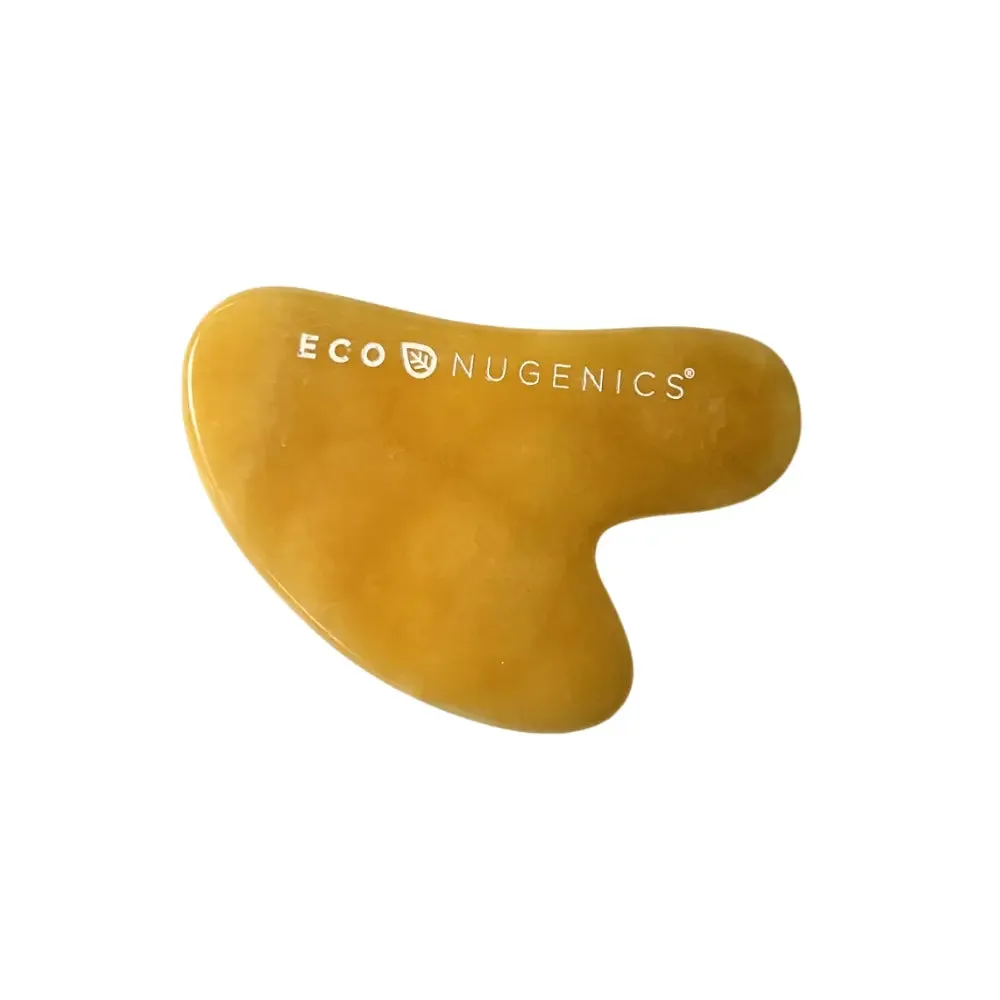
Gua Sha Massage Stone
Which stone is right for you?
Best for
- Beginners wanting a versatile facial tool: jade heart-shaped stone
- Users focusing on lymphatic drainage and puffiness reduction: rose quartz or jade heart-shaped stone
- Those who want a body and face tool: larger bian stone or jade arrow shape
Not for
- People with very sensitive skin who may prefer a silicone or metal tool instead of stone
- Users who want a single tool for both scalp and face: consider a gua sha comb as a secondary purchase