Every parent knows that diaper changes are a daily ritual — sometimes happening multiple times an hour. A high-quality baby changing mat can transform this routine from a messy struggle into a safe, comfortable, and even pleasant experience. Whether you are setting up a nursery or looking for a portable solution for on-the-go changes, understanding the key features and benefits of changing mats will help you make an informed choice.
In this guide, we will explore what to look for in a changing mat, including materials, safety features, portability, and how it fits into your overall nursery essentials. We will also highlight some complementary products from Shop Kids Clothes & toys that can make diaper changes smoother and more enjoyable for both you and your little one.
Why a Dedicated Changing Mat Matters
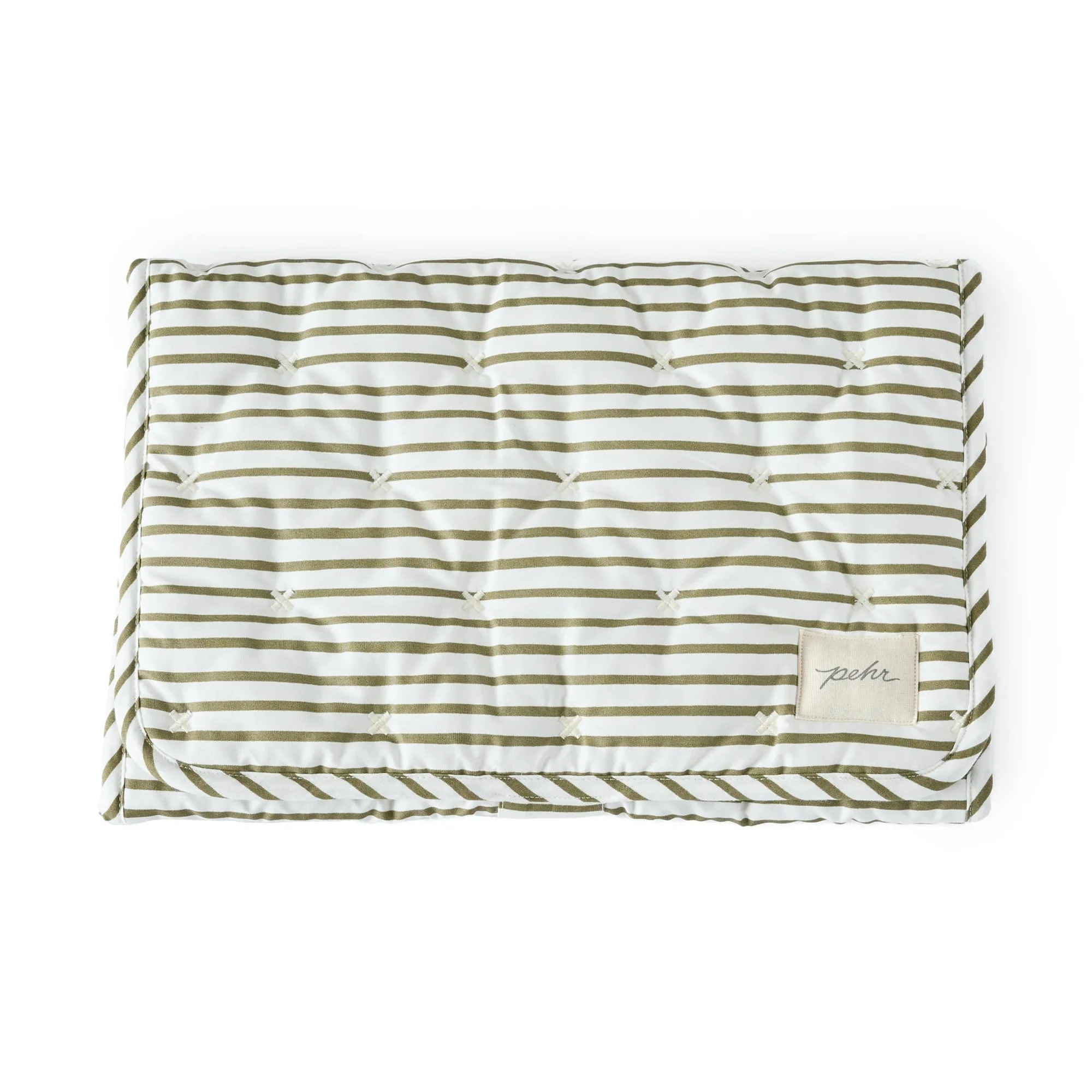
A baby changing mat is more than just a cushioned surface — it is a hygiene barrier, a comfort zone, and a practical tool. Using a dedicated mat protects your baby from germs on public changing tables or hard surfaces, while also providing a soft, padded area that prevents discomfort. Many mats are designed with raised edges to prevent rolling, adding an extra layer of safety during wriggly diaper changes.
Beyond safety, a changing mat helps contain messes. Waterproof or wipe-clean surfaces make cleanup quick, so you can focus on your baby rather than scrubbing furniture. For parents who change diapers on the go, a portable mat that folds or rolls compactly is a lifesaver. The right mat can be used from newborn through toddlerhood, making it a long-lasting investment in your daily routine.
- Look for mats with raised sides or bolsters to prevent rolling.
- Choose waterproof materials like PVC-free vinyl or TPU for easy cleaning.
- Consider a mat with a built-in pillow or gentle head support for added comfort.
Key Features to Look For in a Changing Mat
When shopping for a baby changing mat, consider the material first. Soft, non-toxic fabrics like cotton or plush fleece are gentle on baby’s skin, while a waterproof backing prevents leaks from soaking through. Mats with a removable, machine-washable cover offer the best of both worlds: comfort and easy maintenance. Size is another critical factor — a mat should be long enough to accommodate your baby as they grow, typically around 70-80 cm in length.
Portability matters for families on the move. Lightweight mats that fold or roll into a compact shape fit easily into a diaper bag. Some mats come with carrying handles or straps. Additionally, look for mats with non-slip backing to keep them securely in place on any surface. A mat with a gentle incline or contoured shape can also help with positioning during changes, reducing strain on your back.
- Check for certifications like OEKO-TEX or GOTS for chemical-free materials.
- A mat with a built-in storage pocket for wipes or diapers adds convenience.
- Opt for a mat with a neutral or playful pattern that matches your nursery decor.
How a Changing Mat Complements Other Nursery Essentials
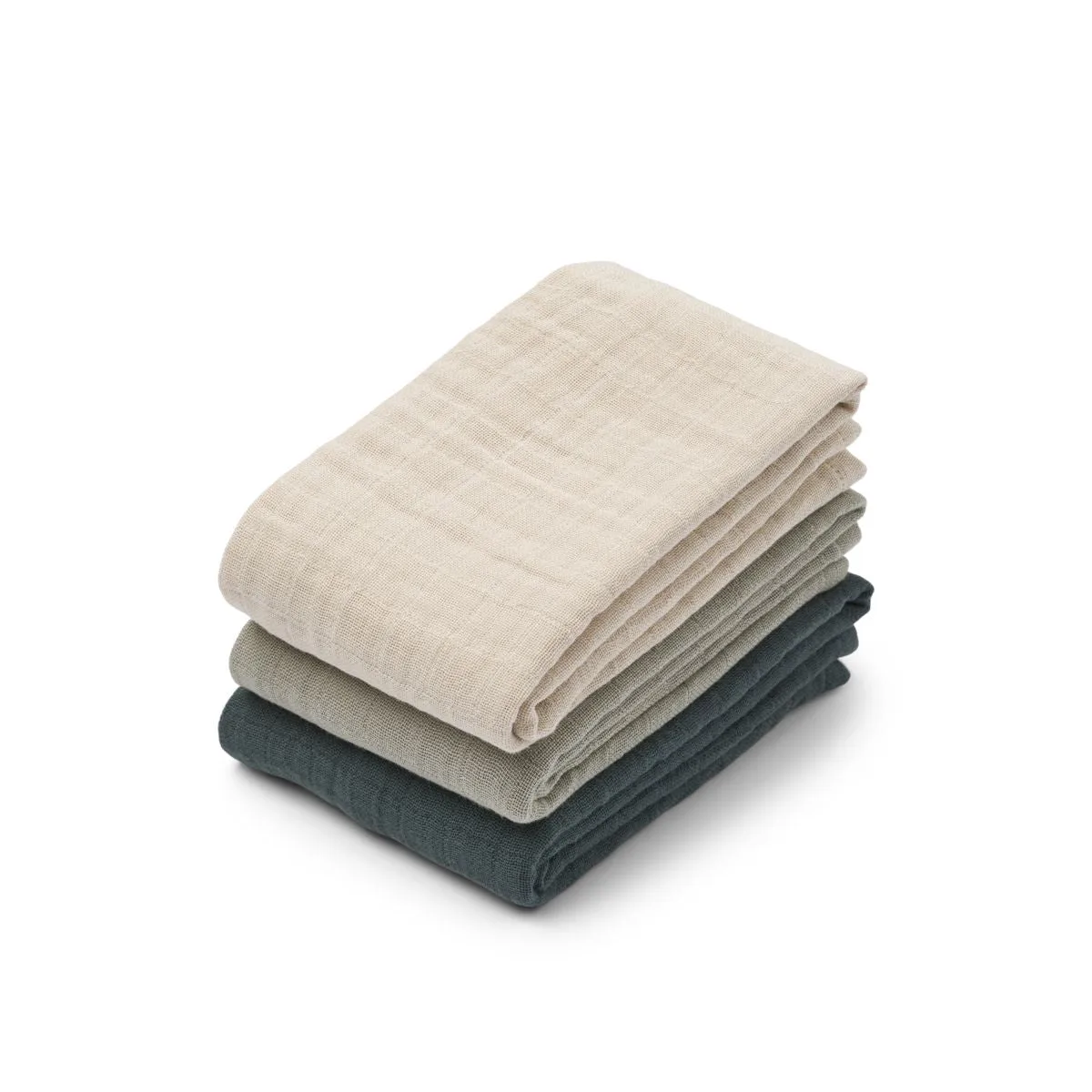
A changing mat is often used in combination with other baby care products. For example, placing the mat on a sturdy changing table or dresser keeps diapers and wipes within reach. Many parents also use a muslin cloth or soft blanket under the mat for extra cushioning. The Lewis Muslin Cloth 3-pack - Tuscany rose mix is a versatile choice that can serve as a changing pad cover, burp cloth, or swaddle, adding softness and absorbency to the changing area.
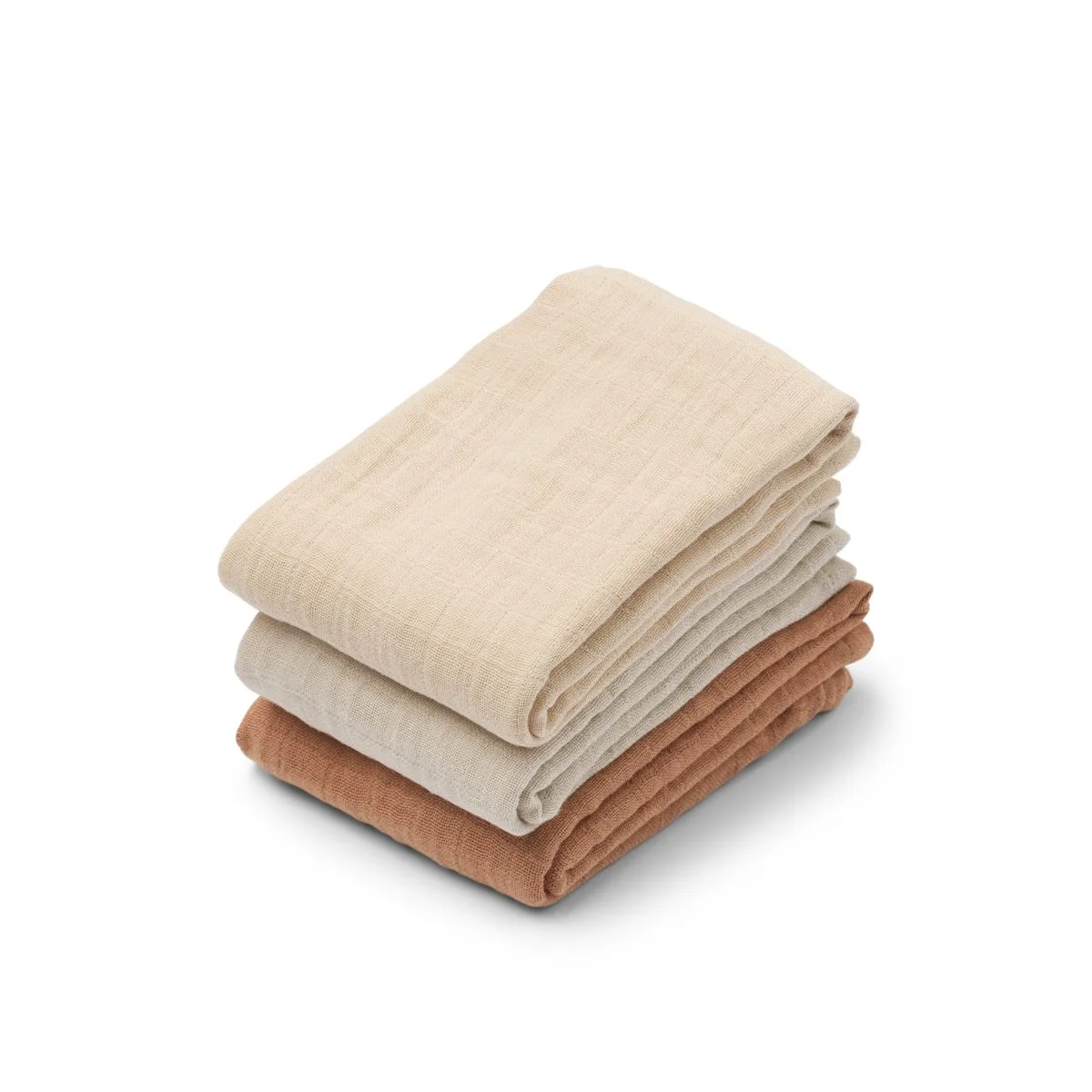
Lewis Muslin Cloth 3-pack - Tuscany rose mix
After a diaper change, a quick wipe-down with a damp cloth keeps the mat fresh. For bath time, consider pairing your changing routine with a bath mat to transition smoothly from bath to dry. Products like the Bre Beach Sandals - Peppermint can be fun for older toddlers who want to walk to the changing area after a swim or bath. Keeping your changing station organized with a multi-holder or basket nearby also streamlines the process.
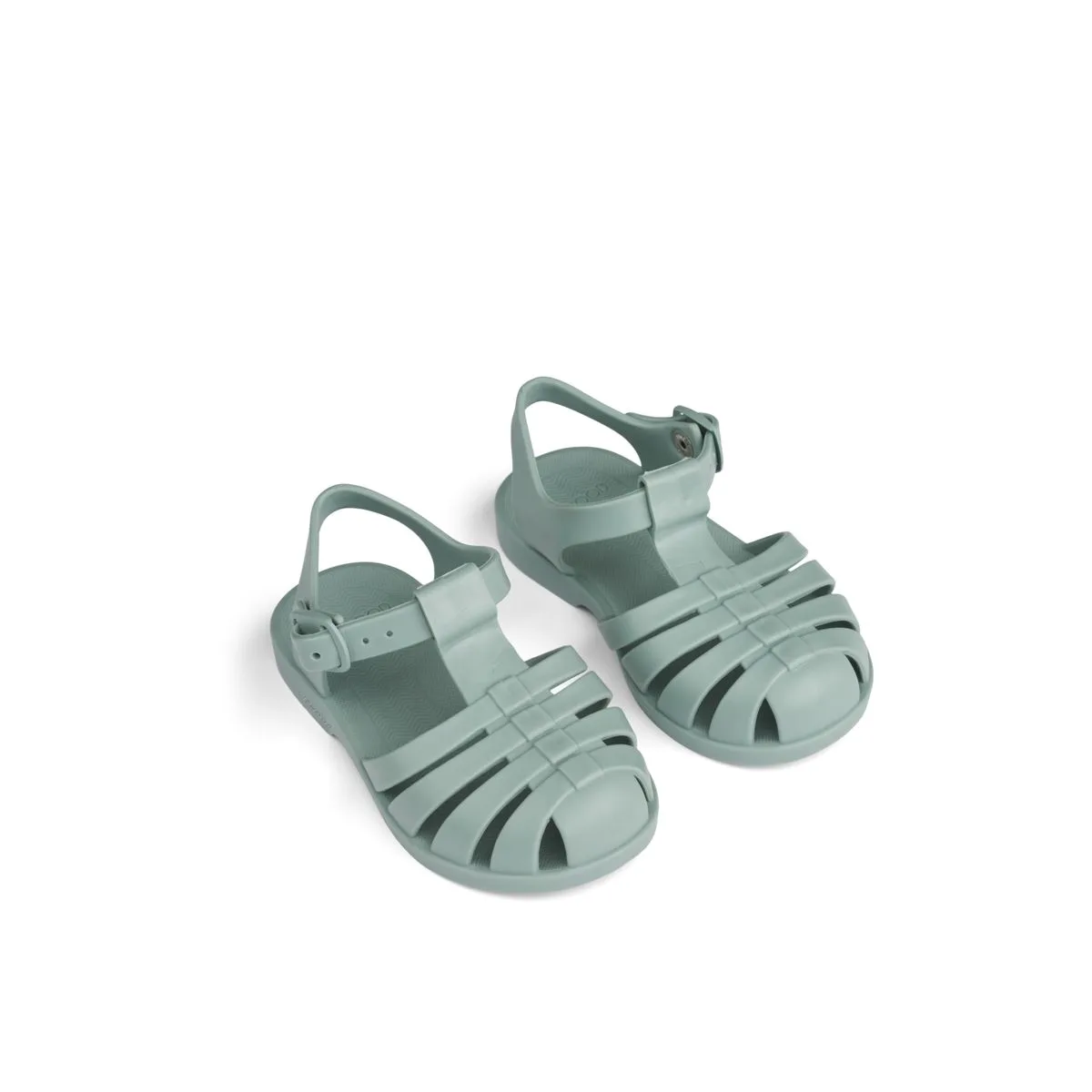
Bre Beach Sandals - Peppermint
- Use a muslin cloth as a breathable layer between baby and the mat.
- Store diapers, wipes, and creams in a caddy or basket next to the changing area.
- Rotate seasonal products like sandals or swim hats to keep your baby’s wardrobe fresh.
Choosing the Right Changing Mat for Your Lifestyle
Your lifestyle will determine the best type of changing mat for you. If you travel frequently, a compact, foldable mat that fits in a diaper bag is essential. For home use, a larger, padded mat with raised edges offers more comfort and safety. Some mats double as play mats or tummy time surfaces, providing extra value. Consider whether you prefer a mat with a built-in pillow, a contoured shape, or a simple flat design.
Parents who value eco-friendly products should look for mats made from organic cotton, natural rubber, or recycled materials. Many modern mats are free from BPA, phthalates, and PVC, ensuring a safe environment for your baby. The right mat should be easy to clean — machine-washable covers or wipe-clean surfaces save time. Finally, choose a color or pattern that brings joy to your nursery; playful prints can make diaper changes more fun for both parent and child.
- For travel, choose a mat that folds into a small pouch with a carry handle.
- For home, a larger mat with a non-slip base and raised edges is ideal.
- Eco-conscious parents can find mats made from organic or recycled materials.
Investing in a quality baby changing mat is a simple yet impactful decision that enhances your daily diaper-changing routine. By focusing on safety, comfort, and easy maintenance, you can find a mat that grows with your baby. For more nursery essentials and baby care products, explore the wide selection at Shop Kids Clothes & toys, where you can find everything from soft muslin cloths to playful accessories that make parenting a little easier and a lot more fun.