Quick answer
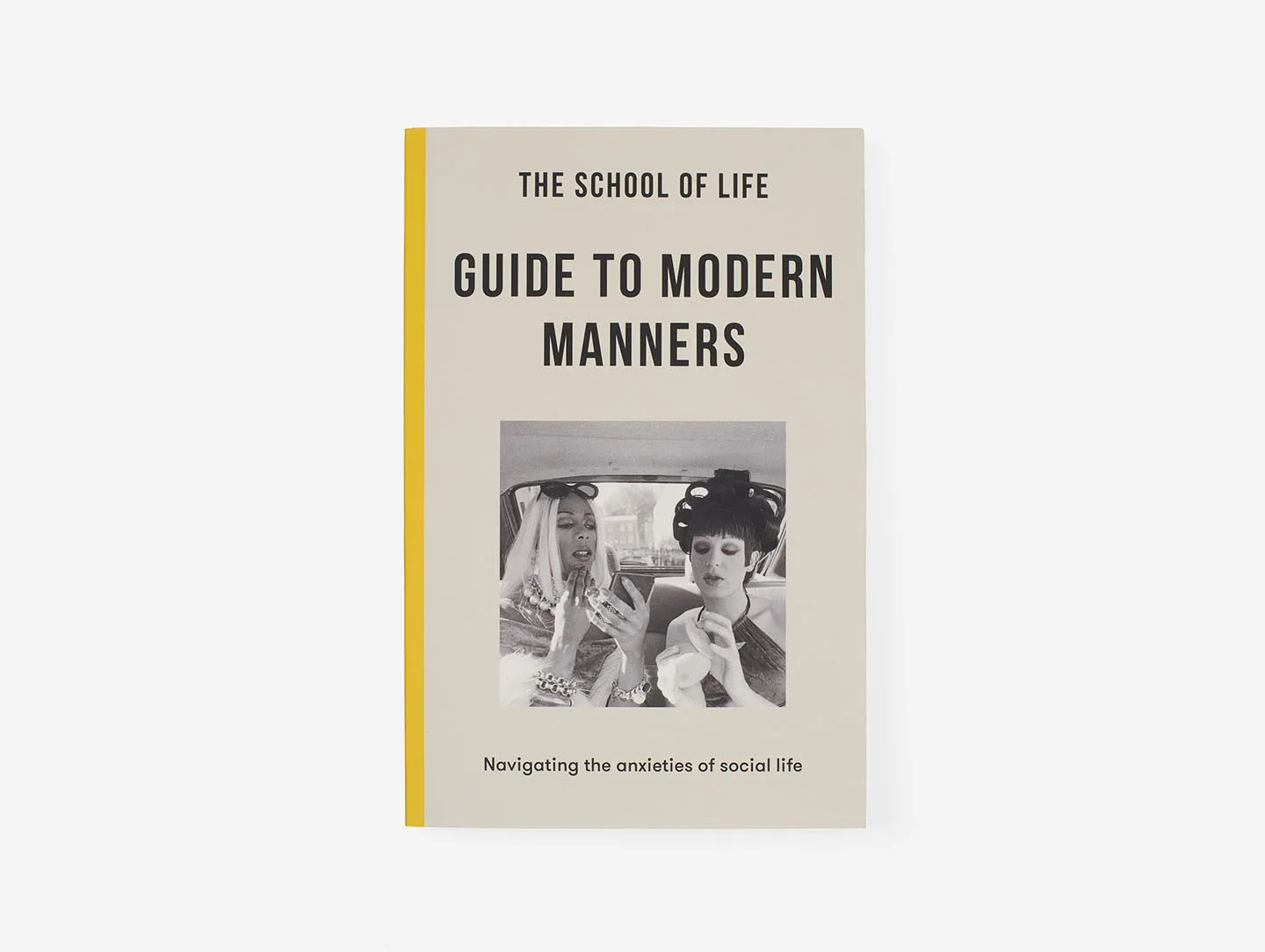
For a short, practical reference on everyday social dilemmas, The School of Life's Guide to Modern Manners is a sensible starting point. It is a compact manners and politeness book that frames etiquette as a way to balance honesty with kindness, not as a rulebook.
What this manners book actually covers
The book focuses on the small but uncomfortable moments of social life: ending a boring conversation without causing offence, forgetting a name when introducing friends, or running into an ex on a first date with a new partner. These are not abstract questions; they are the situations that make people avoid social events or overthink a text.
It treats these dilemmas as illustrations of larger themes in social existence, such as how to pursue your own happiness while honouring the needs of others. That framing makes it more useful than a list of rigid rules, because you can apply the reasoning to situations the book never mentions.
Who will get the most from it
This is an etiquette book for adults who want a thoughtful overview rather than a comprehensive etiquette encyclopedia. It suits readers who feel anxious about social missteps, people who want to be more considerate without becoming formal, and anyone who prefers short, idea-driven chapters to long reference sections.
It is less useful if you need country-specific protocol, business dining rules, or detailed guidance on formal events. The catalog does not list those topics, so treat it as a general guide to everyday manners, not a specialist manual.
How to use it without turning it into a rulebook
Read one dilemma at a time and connect it to a recent situation of your own. The value comes from rehearsing the reasoning before you need it, not from memorizing scripts. Keep it somewhere you will see it, such as a bedside table or desk, and revisit a section before a social event that makes you nervous.
If you are buying it for someone else, consider whether they want reflection or quick answers. The book leans toward reflection, so pair it with a clear note about why you thought of them.
Everyday etiquette questions, answered
How do I end a boring conversation without being rude?
Acknowledge the conversation, give a brief reason, and make a clean exit. For example: 'I've enjoyed hearing about this, but I need to catch someone before they leave.' Avoid pretending you will return if you will not; a small, honest exit is kinder than a drawn-out one.
What should I do if I forget someone's name while introducing them?
Admit it lightly and ask, rather than guessing. You can say, 'I'm blanking on your name, and I don't want to introduce you wrong.' Then make the introduction. Most people appreciate the honesty more than a confident mistake.
Is it rude to leave a group chat or decline an invitation?
Declining is not rude if you do it clearly and promptly. Say no to the invitation, not to the person, and avoid inventing elaborate excuses. For group chats, leave quietly if the chat is no longer relevant, or say a brief goodbye if you were active in it.
How do I handle running into an ex on a first date?
Keep the interaction short and neutral. Introduce your date if it feels natural, exchange a brief greeting, and return your attention to your date. Do not use the moment to catch up or compare; your date is the priority.
Should I text someone to apologize for a social mistake?
A short, specific message is usually better than silence. Name the mistake, say you are sorry, and avoid over-explaining. If the mistake was public, apologize privately first and ask whether a public correction would help.
Product facts
-
Guide to Modern Manners: The catalog describes the book as covering minor but acute dilemmas such as ending a boring conversation without causing offence, forgetting a name when introducing friends, and running into an ex on a first date with a new partner. These examples show the book is built around real social situations, so you can check whether its scope matches the questions you actually have.
Guide to Modern Manners