What the game is for
Gummiband-Familien – Rubberband Families is a card game that celebrates the limitless spectrum of family. It invites playful, prejudice-sensitive engagement with language and aims to include and make visible all family members. That purpose shapes how you play: the goal is not to win by having the “right” family, but to use language in a way that makes room for every family configuration.
The supplied product information does not include a rulebook, card count, recommended age, player count, or step-by-step instructions. So this guide focuses on the supported intent of the game and on how to shape a round that stays true to that intent, rather than inventing rules the record does not confirm.
The product at a glance
-
Gummiband-Familien – Rubberband Families: Gummiband-Familien – Rubberband Families celebrates the limitless spectrum of family and invites playful, prejudice-sensitive engagement with language that aims to include and make visible all family members. This is the stated purpose of the game and the basis for every choice you make at the table.
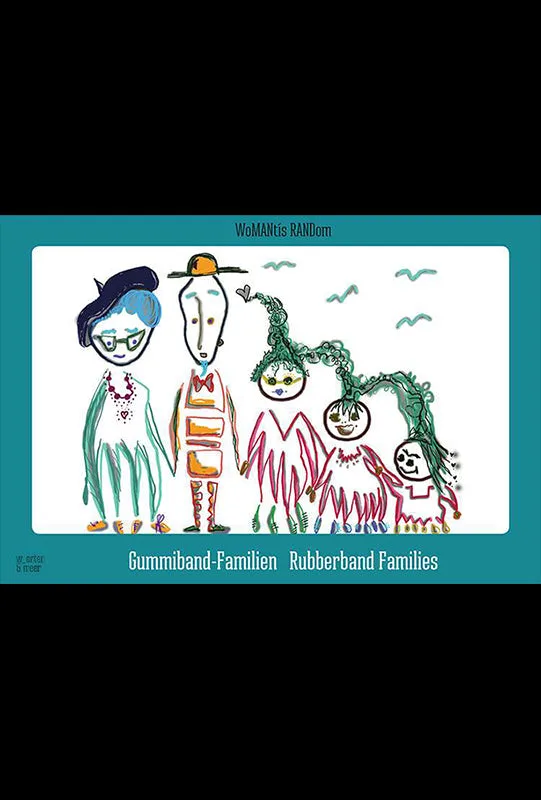
Gummiband-Familien – Rubberband Families
How to set up a round that fits your group
Because the record does not supply official rules, use these steps to build a session around the game’s inclusive intent. Treat them as a framework, not as manufacturer instructions.
- Read the game’s purpose aloud: Start by sharing the product’s description: the game celebrates the limitless spectrum of family and invites prejudice-sensitive language. This sets the tone and makes the inclusive aim explicit before anyone plays a card.
- Agree on a language pact: Ask the group to use language that includes and makes visible all family members. For example, avoid assuming a “normal” family structure and let people describe their own families in their own words.
- Choose a simple turn structure: The supplied information does not specify turn order or winning conditions. Pick a simple format that keeps everyone involved—such as taking turns drawing a card and saying one sentence about how it connects to a family you know—and adjust it to the ages and comfort levels at the table.
- Keep the focus on play, not performance: The game is described as playful. Encourage laughter and curiosity rather than correct answers. If a card or phrase feels awkward, treat that as a chance to practice inclusive language together.
Making the game work for kids and mixed ages
The product description calls the game a family game and emphasizes including all family members, but it does not state a recommended age or reading level. For younger children, you can simplify the language and model inclusive phrasing yourself. For mixed ages, pair a younger player with an older one and let the younger player choose how much to say.
If a child asks a question about family structures, answer briefly and factually, then return to the game. The aim is to make every family visible, not to put anyone on the spot.
Checkpoints for an inclusive round
Use these checkpoints during play to stay aligned with the game’s stated purpose. They are not official rules; they are practical checks based on the supplied description.
- Everyone can describe their own family: No one should feel they have to explain or defend their family. Invite sharing but do not require it.
- Language stays prejudice-sensitive: The game explicitly invites prejudice-sensitive engagement with language. If a phrase lands badly, pause and rephrase together.
- All family members are made visible: Watch for family members who are often left out—step-parents, chosen family, grandparents, siblings who live elsewhere—and use language that includes them.
- Play stays playful: If the mood gets heavy, return to the game’s playful spirit. The goal is connection, not a lecture.
What the supplied information does not cover
The product record does not include a rulebook, card count, player count, recommended age, play time, or official winning conditions. It also does not supply care instructions or compatibility details. If you need those specifics before buying, check the product page or contact the store; do not assume a standard rule set. This guide is based only on the supplied description and should be adapted to your group.