Walking into the world of Gundam model kits, or Gunpla, is both exciting and a little overwhelming. With dozens of grades, scales, and series to choose from, many beginners ask the same question: where do I start? The good news is that Gunpla is one of the most accessible hobbies out there — you don't need expensive tools or years of experience to build your first kit.
This guide breaks down the most popular Gundam kit grades, what makes each one unique, and how to match a kit to your skill level, budget, and interests. By the end, you'll feel confident picking up your first box and snapping together your very own mobile suit.
Understanding Gunpla Grades
Gunpla kits are categorized by 'grade,' which indicates their scale, complexity, and level of detail. The most common grades are High Grade (HG), Master Grade (MG), and Perfect Grade (PG). There's also Real Grade (RG), which packs Master Grade-level detail into a 1/144 scale, and Super Deformed (SD) for chibi-style fun.
For beginners, High Grade kits are the classic starting point. They are 1/144 scale, affordable, and feature simple snap-fit assembly — no glue required. HG kits offer a satisfying build that typically takes 2-4 hours, making them perfect for learning the basics of part removal and assembly.
- High Grade (HG) – 1/144 scale, beginner-friendly, low cost
- Real Grade (RG) – 1/144 scale with advanced detail, for intermediate builders
- Master Grade (MG) – 1/100 scale, larger and more complex, great for a second or third build
- Perfect Grade (PG) – 1/60 scale, the ultimate challenge with hundreds of parts
High Grade vs Master Grade: Which Should You Choose?
The most common dilemma for newcomers is choosing between High Grade and Master Grade. High Grade kits are smaller, simpler, and cheaper — usually under $30. They are ideal for testing the waters and building confidence. Master Grade kits, on the other hand, are larger (1/100 scale), packed with inner frames, and offer more articulation and surface detail. They cost more and take longer to build, but the result is a more impressive display piece.
If you're completely new, start with a High Grade. Once you've built one or two and feel comfortable with nub removal and part fitting, you can graduate to a Master Grade. Many builders find that their second or third kit is an MG, and that's a natural progression.
- Budget: HG kits are more affordable, so you can try multiple designs
- Time: HG builds take a few hours; MG builds can take a weekend
- Detail: MG offers more mechanical detail and articulation
- Skill: HG is forgiving; MG requires patience and careful cutting
Popular Gundam Series to Consider
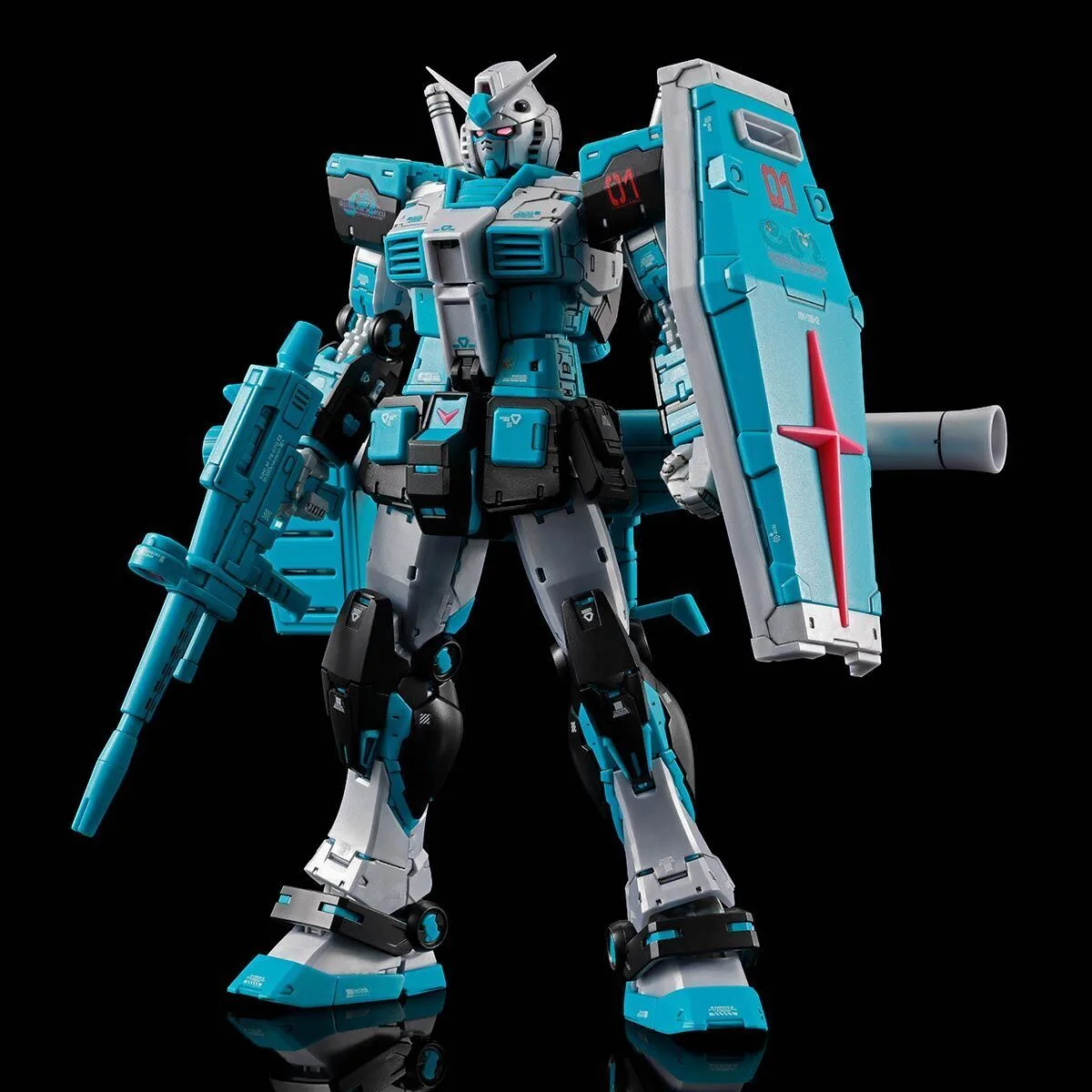
Your favorite anime series often influences your first kit choice. The iconic RX-78-2 from the original Mobile Suit Gundam is a timeless pick, while the Strike Freedom and Unicorn Gundam are fan favorites from newer series. If you prefer something more grounded, the Gundam Iron-Blooded Orphans line features unique, industrial designs that look great on a shelf.
For a truly memorable first build, consider the Ichiban Kuji Gundam Iron-Blooded Orphans Prize E MS Head Magnet — it's a fun desk accessory that celebrates the series without requiring a full model build. It's a great way to dip your toes into the hobby if you're not ready for a full kit.
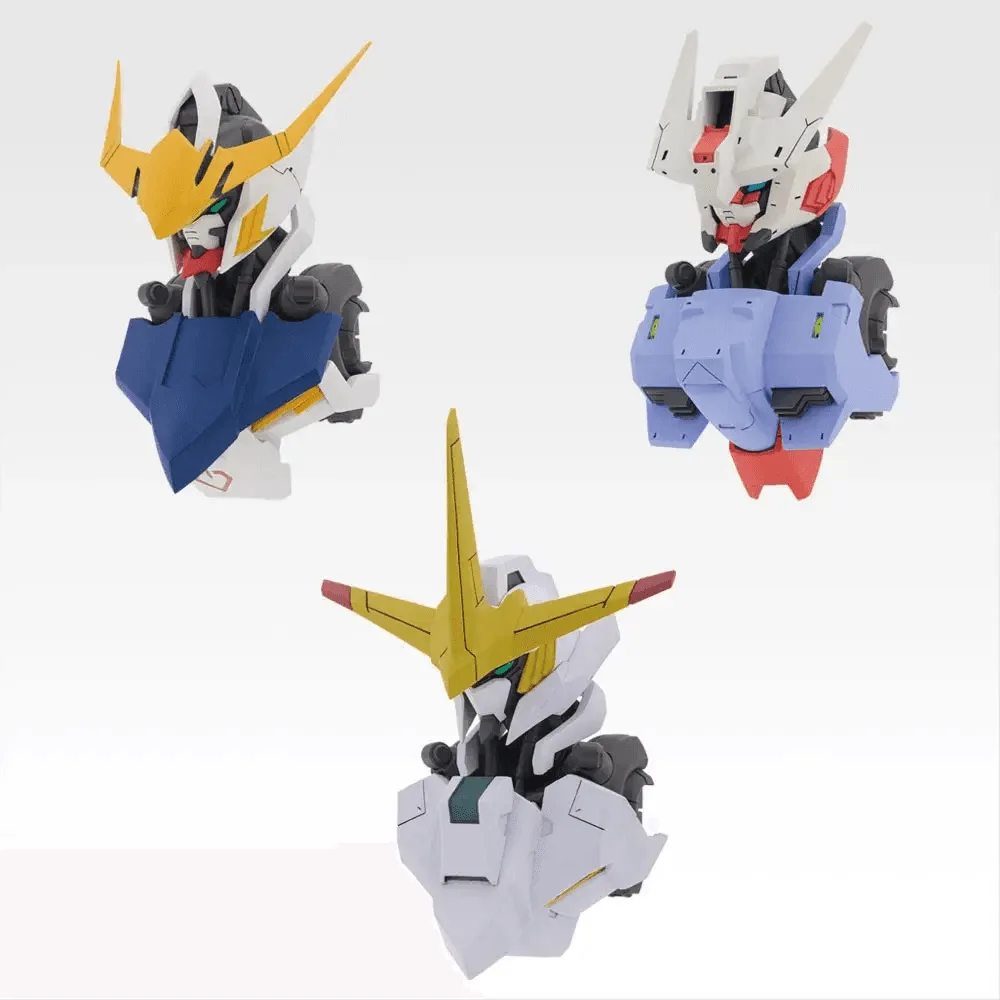
Ichiban Kuji Gundam Iron-Blooded Orphans Prize E MS Head Magnet
- Original Mobile Suit Gundam – classic RX-78-2 and Char's Zaku
- Gundam SEED – Strike Freedom, Justice, and Aegis
- Gundam Unicorn – Unicorn and Banshee with transforming gimmicks
- Iron-Blooded Orphans – Barbatos, Gusion, and other unique frames
Tools and Supplies You'll Need
You don't need a workshop to start building Gunpla. At minimum, you'll need a pair of nippers (plastic cutters) to remove parts from the runners, and a hobby knife to clean up nubs. A cutting mat and a basic sanding stick or file help smooth out rough edges. Many beginners also use a glass file for a quick, clean finish.
Once you've built your kit, you can choose to leave it as-is (called 'straight build') or add panel lining with a fine-tip marker to bring out details. Top coating with a spray can protects the plastic and gives a matte or gloss finish. These are optional but elevate the look of your model.
- Nippers – invest in a good pair; they make a huge difference
- Hobby knife – for precise nub removal
- Sanding sticks or glass file – for smoothing
- Panel lining marker – to add depth to details
- Top coat – optional but recommended for durability
Where to Buy Your First Gunpla
You can find Gundam model kits at hobby stores, online retailers, and specialty shops. When shopping online, check the seller's reputation and look for authentic Bandai products. Prices vary, so compare a few options before committing.
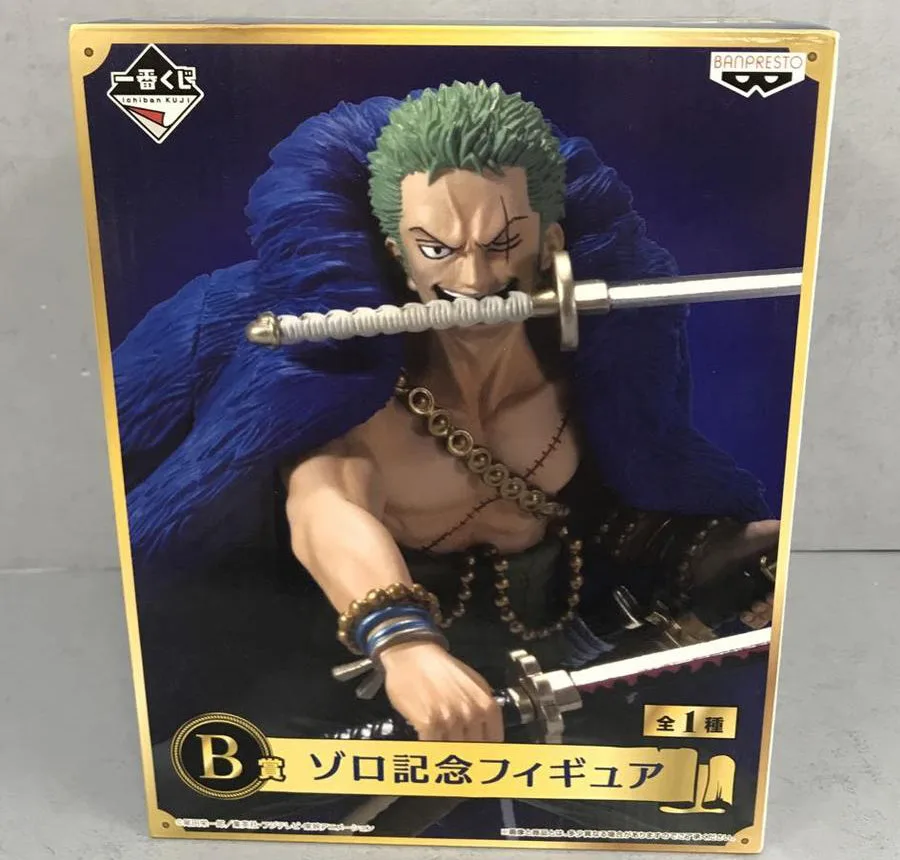
At Figure Start, we offer a curated selection of Gundam kits and related merchandise. For example, the Ichiban Kuji Gundam Iron-Blooded Orphans Prize E MS Head Magnet is a unique collectible that pairs well with your Gunpla display. And if you're a fan of other anime, you might also enjoy the Ichiban Kuji One Piece Red Hair Pirates Prize B Benn Beckman Figure — a great addition to any anime figure collection.
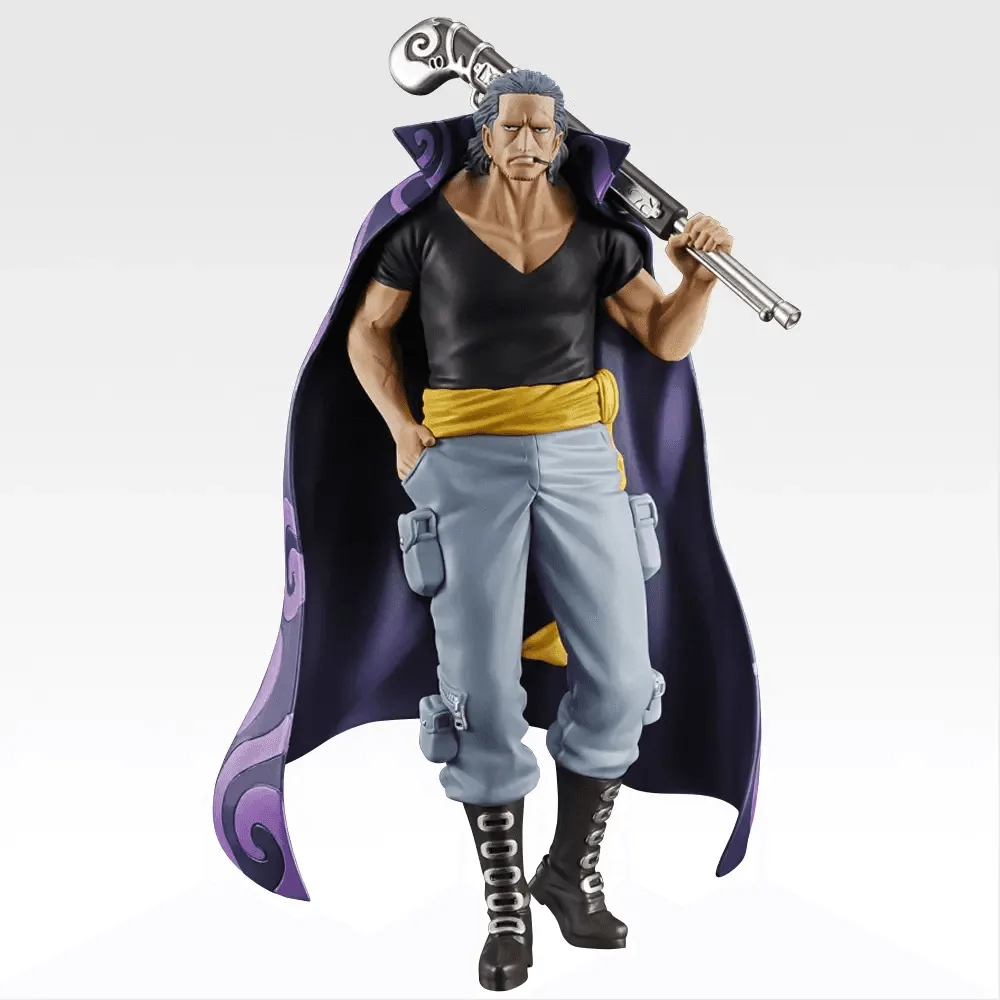
Ichiban Kuji One Piece Red Hair Pirates Prize B Benn Beckman Figure
- Check for authentic Bandai logos and holograms
- Read reviews from other builders
- Consider shipping costs and delivery times
- Look for bundles that include tools or decals
Choosing your first Gundam model kit is all about matching the grade to your experience and interest. Start with a High Grade to learn the basics, then graduate to Master Grade for a more rewarding challenge. And don't forget to explore the wider world of anime figures — a well-rounded collection makes your hobby even more enjoyable. Ready to start building? Check out our selection of Gundam kits and accessories today!