Two Chinese greens, two distinct cups
Gunpowder Pearls and Dragonwell are both Chinese green teas, but they deliver very different drinking experiences. Gunpowder Pearls offers a robust, almost black-tea-like foundation with moderate astringency and a hint of sweetness, while Dragonwell leads with chestnut umami and a chewy-sweet aftertaste. Your choice depends on whether you want boldness or savory depth—and how you like to brew.
This comparison sticks to what the catalog confirms. Where the listings are silent on brewing specifics, we explain how to experiment sensibly rather than guess at temperatures or times.
What the catalog says about Gunpowder Pearls
-
Gunpowder Pearls: Gunpowder Pearls deliver a robust cup with moderate astringency and a hint of sweetness, reminiscent of a black tea. Overtones are green with subtle hints of tart fruit (green apple) and spring flowers. This flavor profile suits drinkers who find many green teas too delicate and want a bolder, more grounding cup.
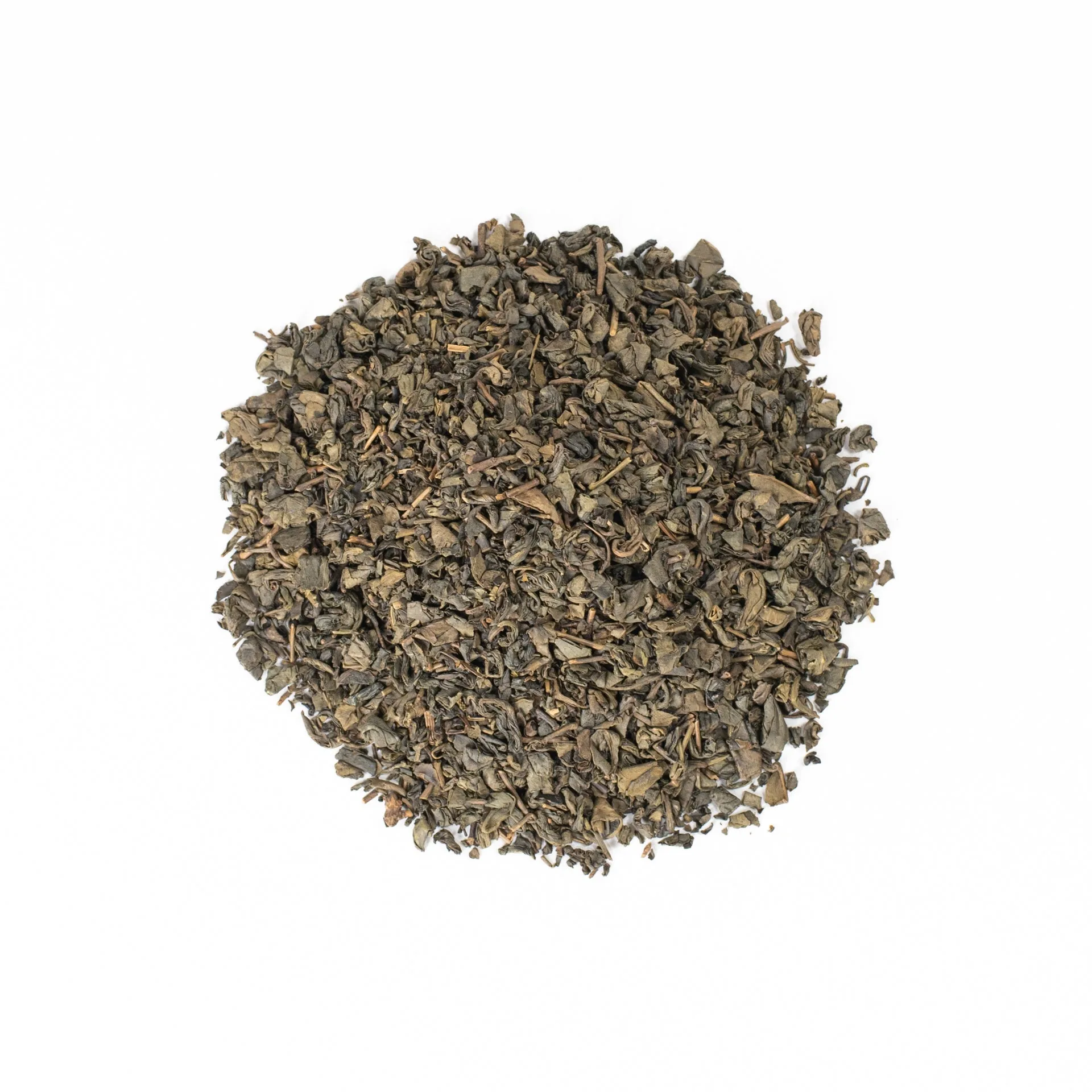
Gunpowder Pearls
-
Gunpowder Pearls: The name 'gunpowder' refers to the process of rolling tea leaves into round pellets. Green tea is the most common style, though black and oolong gunpowder teas exist. The pellet shape is a processing signature, not a flavor additive—it helps you recognize the tea and understand its traditional role.
-
Gunpowder Pearls: The catalog suggests this tea adapts well to most any style of brewing, making it a good starting point for gong fu or for those moving away from coffee. If you are new to loose leaf or want a versatile everyday tea, Gunpowder Pearls is a forgiving choice.
What the catalog says about Dragonwell
-
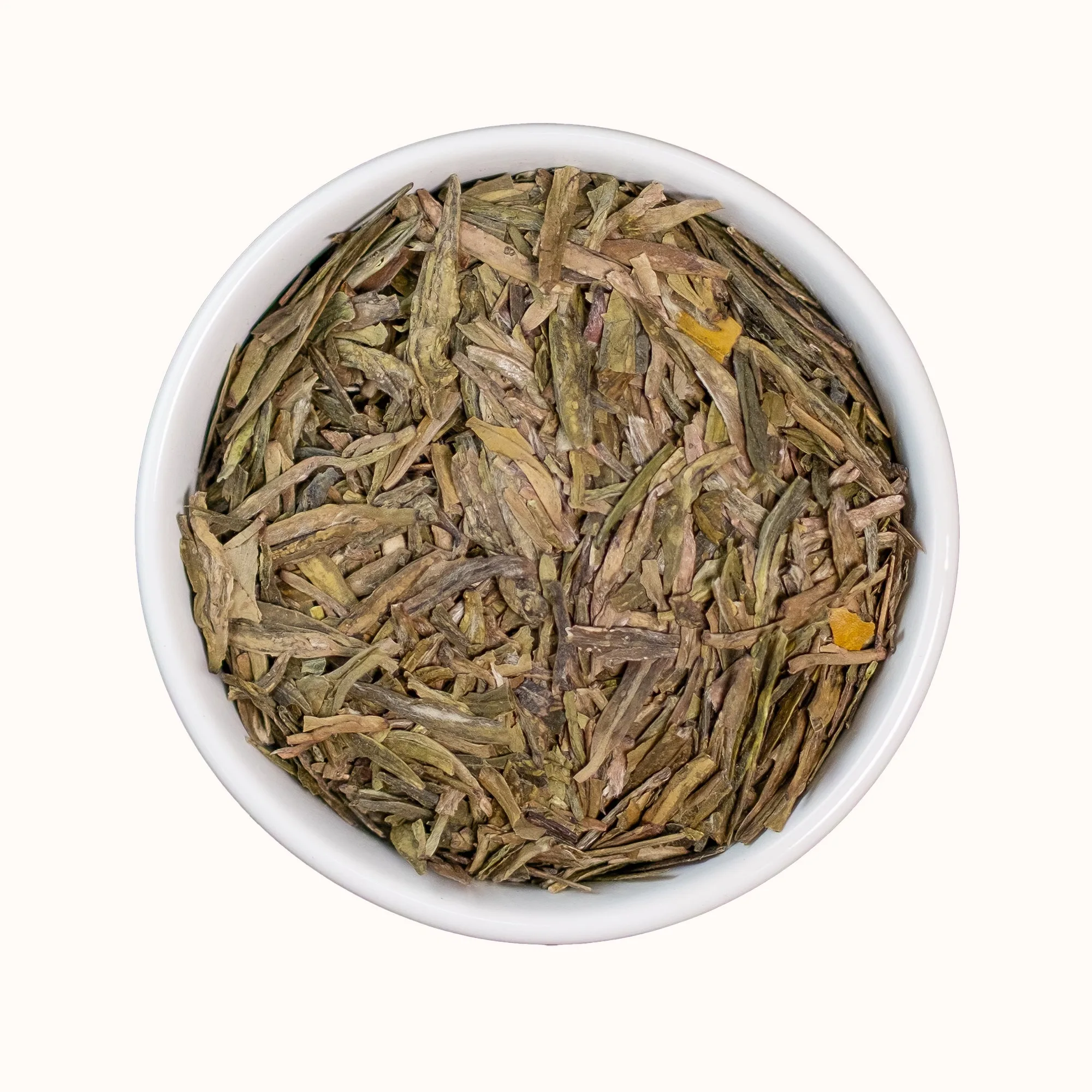
Dragonwell: Dragonwell (Long Jing) is one of China's most famous tea varieties. Its umami heart features chestnut with hints of grass and toasted grain, and the chewy-sweet aftertaste lingers with plum and a soft floral note. This savory-sweet complexity appeals to drinkers who enjoy layered, contemplative cups rather than straightforward boldness.
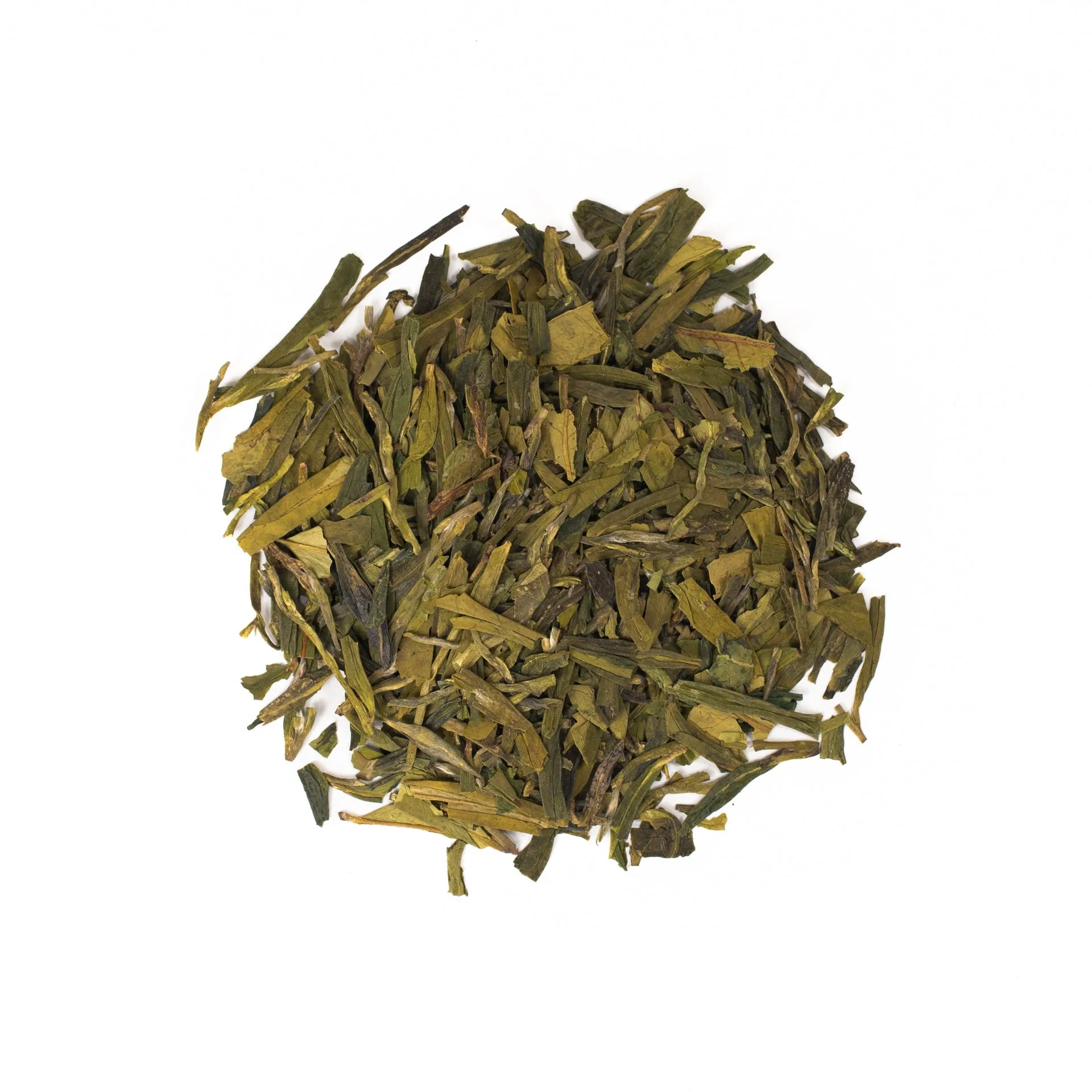
Dragonwell
-
Dragonwell: A longer or hotter steep reveals Dragonwell's fiery nature, bringing roasted notes to the forefront for a bold, bracing cup. The catalog notes it rewards experimentation with steeping times and temperatures. Dragonwell is a tea for tinkerers—if you like adjusting variables to chase different flavors, it offers a wide range.
-
Dragonwell: A pan-roasting finishing process creates the distinctive flat leaf shape and fixes a range of vivid, jade green hues, while also bringing out a robust flavor profile. The flat, pan-roasted leaves signal a different production style from Gunpowder's pellets, and that difference shows up in the cup.
Flavor and mouthfeel: bold sweetness vs. savory depth
The most obvious difference is in the first sip. Gunpowder Pearls leads with a solid, robust base and moderate astringency, then a hint of sweetness—think of a green tea that borrows some of black tea's heft. Dragonwell, by contrast, opens with chestnut umami and grassy toasted grain, finishing with a chewy sweetness and a soft floral trace.
- Gunpowder Pearls: Robust, moderately astringent, subtly sweet with green apple and spring flower overtones. A bold cup that may appeal to coffee drinkers.
- Dragonwell: Umami-rich chestnut and grass, chewy-sweet plum aftertaste, soft floral finish. Can turn roasted and bracing with longer or hotter steeps.
Brewing flexibility: what the catalog does and does not specify
Neither product record provides exact water temperatures, leaf-to-water ratios, or steep times. That is a gap in the supplied information, not a sign that the teas are hard to brew. Both listings encourage experimentation: Gunpowder Pearls is described as adapting well to most any brewing style, and Dragonwell rewards adjusting time and temperature.
Without printed parameters, treat your first cup as a calibration. Start with a modest amount of leaf, water that is hot but not boiling (to avoid scalding delicate green tea), and a short initial steep. Taste, then adjust: if the cup is too astringent, use cooler water or a shorter steep; if it is weak, add more leaf or steep longer. For Dragonwell, deliberately try a longer or hotter steep on a later cup to taste the roasted side the catalog mentions.
This approach applies to both teas, but their different leaf shapes—pellets versus flat leaves—mean they may extract at different rates. Gunpowder's tightly rolled pellets may open more slowly, while Dragonwell's flat leaves may give up flavor quickly. Observe and adjust accordingly.
Leaf style and what it means for your brewing
The physical form of the leaf influences how you brew and what equipment you might prefer.
- Gunpowder Pearls: Rolled into round pellets. These may expand significantly as they steep, so allow room in your infuser or gaiwan. The pellet shape is traditional and helps preserve freshness.
- Dragonwell: Flat, pan-roasted leaves. They unfurl quickly and can be brewed in a simple glass or mug, making them a good choice for easy, watchable steeping.
Size options and choosing for your habit
Both teas come in multiple sizes, so match the bag to how often you drink. Gunpowder Pearls is available in 50g (20 cups), 100g (40 cups), 200g (80 cups), and 500g (200 cups). Dragonwell comes in 30g (12 cups), 80g (32 cups), 200g (80 cups), and 500g (200 cups). If you are new to either, a smaller size lets you experiment without committing to a large bag. If you already know you love the profile, the larger sizes offer better value per cup.
Which one should you choose?
Choose Gunpowder Pearls if you want a robust, forgiving green tea with a touch of sweetness—especially if you are transitioning from coffee or want a versatile tea for gong fu and everyday brewing. Choose Dragonwell if you prefer a savory, umami-driven cup with a sweet aftertaste and enjoy experimenting with steep times to unlock roasted notes.
Both are genuine Chinese green teas with distinct personalities, and neither is objectively better. The right pick depends on the flavor you crave and how much you like to tinker with your brewing.