Quick answer
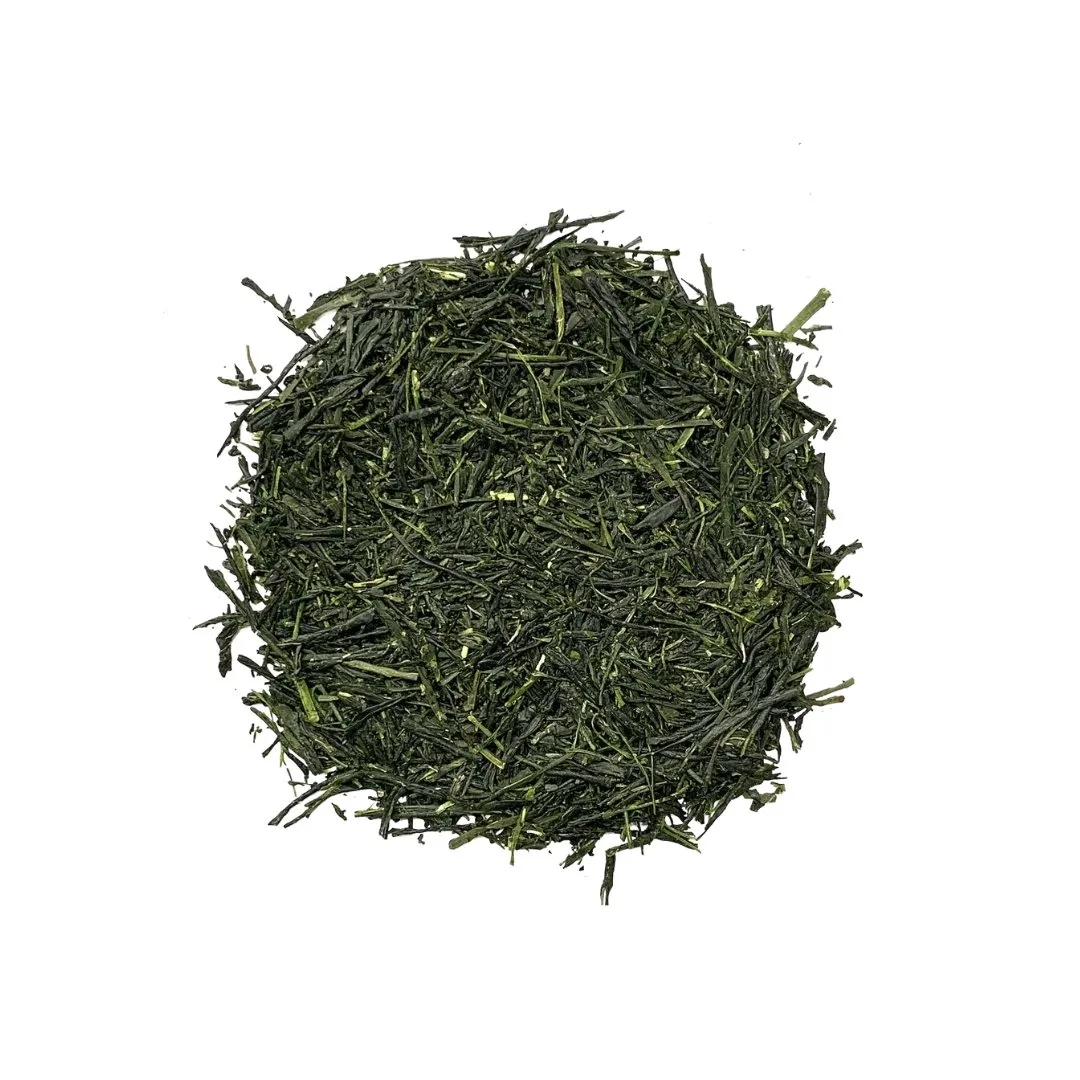
Choose Gyokuro if you want a rare, shade-grown Japanese green tea with deep umami, delicate sweetness, and a buttery finish. Choose Jasmine Dream if you prefer a lighter, floral cup of jasmine-perfumed green tea that is easy to drink every day. Both are loose leaf teas, but Gyokuro costs more and needs cooler water, while Jasmine Dream is more forgiving and beginner-friendly.
What makes Gyokuro different from Jasmine Dream?
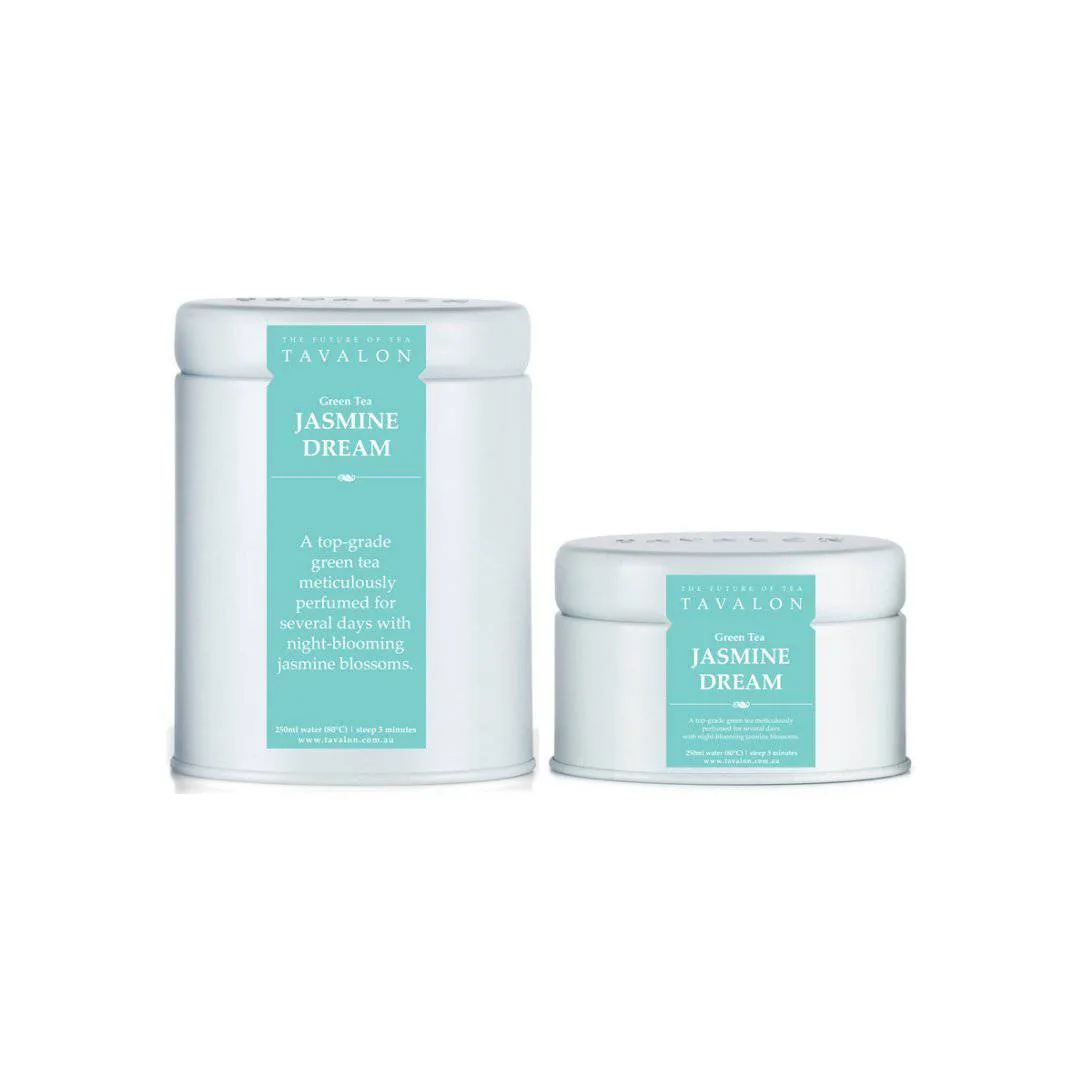
Gyokuro and Jasmine Dream come from different countries and use different processing methods. Gyokuro is a first-harvest green tea from Yame, Japan, grown in the shade for 20–30 days before picking. That shading changes the leaf chemistry and produces the deep umami, delicate sweetness, and buttery finish Gyokuro is known for. Jasmine Dream is a Chun Hao grade green tea from Fujian, China, perfumed for several days with night-blooming jasmine blossoms. The result is a sweet cup with a light, lingering jasmine scent rather than a savoury one.
Because Gyokuro is shade-grown and rare, it is priced higher. Jasmine Dream is positioned as a daily treat at a lower price. Neither is better in absolute terms — they simply suit different tastes and budgets.
Taste and aroma: umami versus floral
Gyokuro leads with umami and a soft, buttery mouthfeel. If you enjoy savoury notes in matcha or sencha, Gyokuro will feel familiar but richer. Jasmine Dream leads with fresh jasmine flowers and a gentle sweetness, with little to no savoury character. If you usually drink jasmine tea bags or floral green teas, it is the closer match.
Brewing Gyokuro and Jasmine Dream without bitterness
Gyokuro is the more demanding tea. Use cooler water than you would for a standard green tea — around 50–60°C — and a short steep of about 90 seconds to two minutes. Hot water will flatten the sweetness and push the tea bitter. Jasmine Dream is more forgiving: water around 75–80°C for two to three minutes brings out the jasmine without scorching the leaf. In both cases, a small amount of leaf goes a long way, so weigh rather than scoop if you can.
Caffeine and daily drinking
Both are true green teas, so both contain caffeine. Gyokuro, being a shaded first-harvest tea, tends to feel more concentrated per gram, so a small serving is enough. Jasmine Dream is a lighter, everyday cup. If you are sensitive to caffeine in the afternoon, keep either tea to the morning, or look at a herbal option for the evening.
Trade-offs at a glance
- Gyokuro: flavour depth vs. effort: You get rare shade-grown umami and a buttery finish, but you must brew it cool and short to avoid bitterness. Worth it if you enjoy savoury, complex green tea and will adjust your water temperature.
- Jasmine Dream: everyday ease vs. intensity: You get a sweet, jasmine-scented cup that is hard to ruin, but it will not deliver the deep umami of a shaded tea. A strong choice if you want a reliable daily green tea with a floral profile.
- Price vs. occasion: Gyokuro costs more per serve because it is a rare first-harvest tea; Jasmine Dream is priced as a daily treat. Buy Gyokuro for slower, focused sessions and Jasmine Dream for everyday drinking.
Product facts
- Gyokuro: Gyokuro is a top-notch, rare, 1st harvest green tea from Yame, Japan, with deep umami, delicate sweetness, and a buttery finish. It is grown carefully in the shade for 20-30 days before harvesting. The shading is what creates the savoury umami and buttery texture, so you are paying for a specific growing method, not just a green tea.
- Jasmine Dream: Jasmine Dream is a top-grade green tea from Fujian, China, perfumed for several days with night-blooming jasmine blossoms. It is a Chun Hao grade tea with a sweet cup and a light, lingering scent of fresh jasmine flowers. The multi-day scenting gives a floral, sweet cup that is easy to drink daily and forgiving if your brewing is not precise.
Which one should you buy?
Best for
- Drinkers who enjoy umami, savoury green teas and will brew at 50–60°C
- Anyone looking for a rare, shade-grown Japanese green tea for focused tasting
- Tea drinkers who want a buttery, lingering finish rather than a floral one
Not for
- People who want a forgiving, everyday green tea they can brew without measuring temperature
- Drinkers who prefer floral, jasmine-scented teas over savoury ones
- Anyone looking for the lowest-cost daily cup