Quick answer
Pick one anchor piece first — usually your earrings — and pull a single color from it into your hair clip. Then decide whether you want a quiet match or a deliberate contrast. Check the pairing in daylight before you commit, because indoor lighting can hide clashes.
Start with one anchor piece and build outward
Choose either your earrings or your hair clip as the anchor, then let the other piece support it. If you anchor with earrings, note the dominant color and one secondary color. If you anchor with a clip, do the same. Your second piece should repeat one of those colors or sit in a neutral zone like cream, black, or gold. This keeps the pairing from competing for attention.
Match scale to your hairstyle and face framing
A small stud earring disappears next to a large, busy clip. If your hair is pulled back, the clip is the visual focus, so keep earrings simple or match their scale to the clip. If your hair is down and the clip is small, larger earrings can balance the look. The goal is not symmetry but visual weight that feels even.
Use finish and material as a quiet bridge
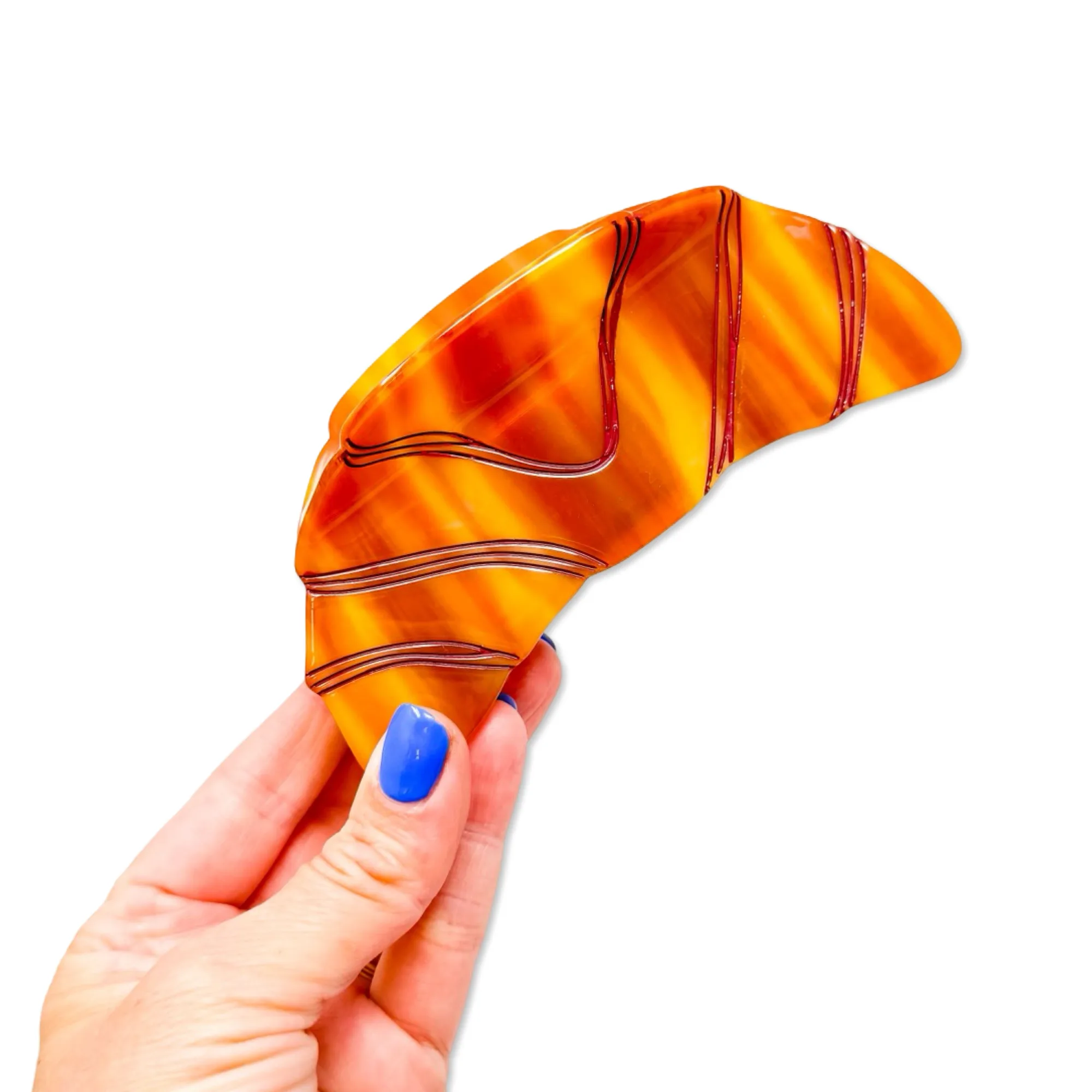
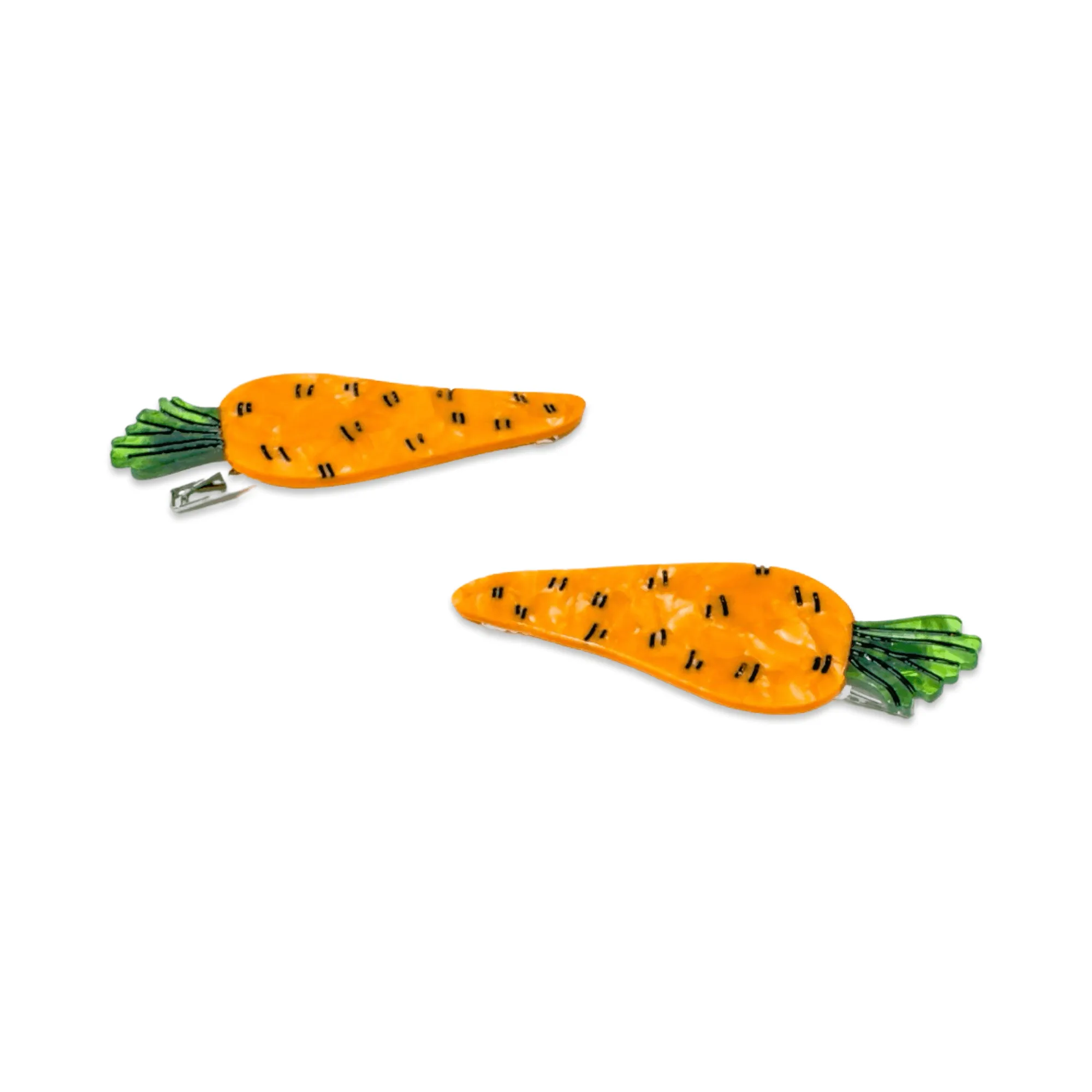
Enamel earrings have a smooth, glossy surface that reflects light, while cellulose acetate clips like the Carrot Alligator Hair Clip Set have a softer, semi-matte finish. Pairing a shiny earring with a matte clip often works better than pairing two high-shine pieces, because the contrast reads as intentional rather than accidental. If both pieces are glossy, keep the colors close so the shine does not fight.
Test in daylight before you leave
Indoor lighting can make two similar colors look identical when they are not. Step outside or near a window and look at the pairing from arm's length. If one color suddenly looks muddy or too loud, swap the supporting piece rather than the anchor. This one check prevents most color mismatches.
Four steps to pair hair clips and earrings by color
- Pick your anchor piece: Choose either earrings or a hair clip as the starting point. Identify its dominant color and one secondary color. Common mistake: trying to match two bold pieces at once, which creates visual noise. Checkpoint: you should be able to name the anchor color in one word.
- Decide on match or contrast: For a quiet look, repeat the anchor color in the second piece. For a playful look, choose a color opposite on the color wheel — orange with blue, yellow with purple. Common mistake: mixing match and contrast in the same outfit without a neutral to separate them. Checkpoint: your second piece should clearly either echo or oppose the anchor, not sit in between.
- Check finish and scale: Pair a glossy enamel earring with a matte or semi-matte clip, and keep visual weight balanced. If one piece is much larger, the other should be simpler. Common mistake: wearing a large, detailed clip with large, detailed earrings. Checkpoint: step back three feet — neither piece should overpower the other.
- Test in daylight and adjust: Look at the pairing near a window or outside. If a color looks muddy or too loud, swap the supporting piece, not the anchor. Common mistake: trusting indoor lighting, which can hide clashes. Checkpoint: if you hesitate, simplify by making the supporting piece neutral.
Jenny Lemons pieces that make color pairing easier
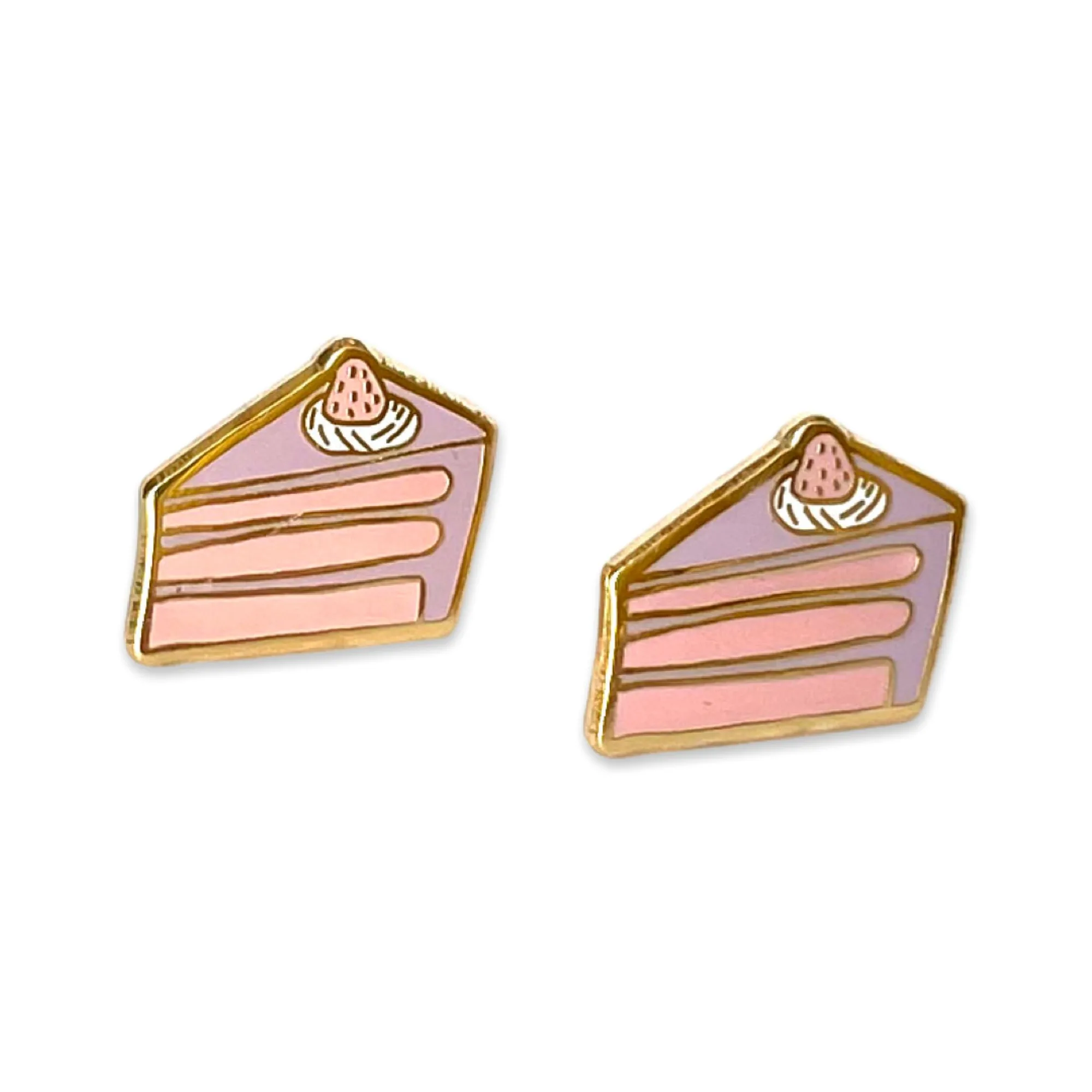
- Cake Enamel Earrings: Cake Enamel Earrings are hypoallergenic studs measuring 0.5 inches long, an original Jenny Lemons design. Their small scale and playful cake motif make them a natural anchor for a color story, and the hypoallergenic build suits sensitive ears.
- Carrot Alligator Hair Clip Set: Carrot Alligator Hair Clip Set includes two clips made from eco-friendly cellulose acetate, each measuring 2.75 by 0.75 inches. The orange and green tones give you two colors to pull from, so you can match one to your earrings and let the other act as a secondary accent.
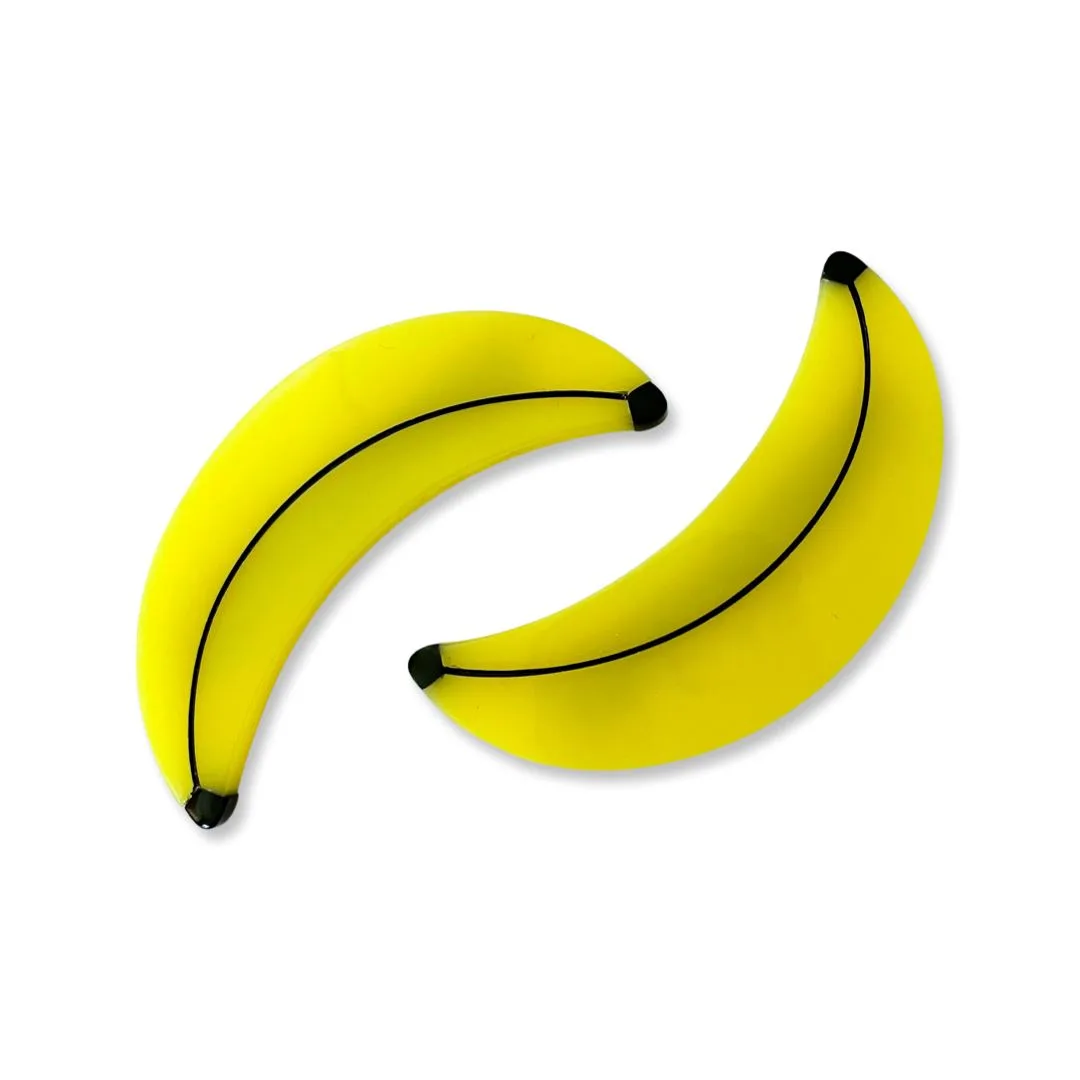
- Banana Alligator Hair Clip Set: Banana Alligator Hair Clip Set includes two handmade, hand-painted clips measuring 2.5 by 1.5 inches, with unique color variations. Because each clip is hand-painted, expect slight color differences — treat the set as a range of yellows rather than one exact shade when coordinating.