Quick answer
Hair color and hair dye are often used interchangeably, but they can differ in formulation and permanence. For natural hair, semi-permanent or demi-permanent colors are generally safer because they use less ammonia and peroxide, reducing damage. Permanent dyes offer longer-lasting results but require more chemicals that can weaken strands.
If you have natural hair, you've probably wondered whether to reach for a box labeled 'hair color' or 'hair dye.' The terms are used loosely, but they can signal different formulations and levels of commitment. Understanding the difference helps you protect your strands while still getting the shade you want.
This guide breaks down what hair color and hair dye really mean, compares semi-permanent and permanent options, and helps you decide which is safer for natural hair. We'll also look at how to minimize damage if you color at home.
What's the difference between hair color and hair dye?
In everyday language, 'hair color' and 'hair dye' are synonyms. However, in professional settings, 'hair color' often refers to products that deposit color without lifting the natural pigment, such as semi-permanent or demi-permanent formulas. 'Hair dye' frequently implies permanent color that uses ammonia and peroxide to open the cuticle and change the hair's pigment more dramatically.
For natural hair, this distinction matters because permanent dyes can be more damaging. Natural hair is often drier and more prone to breakage, so a gentler 'color' that coats the strand may be a better choice if you want to minimize harm.
- Semi-permanent color: no ammonia, low peroxide, fades in 4-12 washes.
- Permanent dye: opens cuticle, lifts natural pigment, lasts until new growth appears.
Semi-permanent vs permanent: which is safer?
Semi-permanent hair color is typically safer for natural hair because it contains little or no ammonia and lower levels of peroxide. It works by coating the outside of the hair shaft rather than penetrating deeply. This means less structural damage, but the color fades faster, requiring more frequent touch-ups.
Permanent hair dye offers better gray coverage and longer-lasting results, but it requires a chemical reaction that swells the cuticle and strips natural pigment. For fragile or breakage-prone natural hair, this can lead to dryness, split ends, and breakage if not done carefully.
- If you want a temporary change without long-term commitment, semi-permanent is the safer bet.
- If you need full gray coverage or a dramatic lift, permanent may be necessary—but always deep condition afterward.
How to minimize damage when coloring natural hair
Regardless of whether you choose hair color or hair dye, preparation and aftercare are crucial. Start with healthy, well-moisturized hair. Avoid overlapping color on previously treated strands, and always use a heat protectant if you style with hot tools.
After coloring, use sulfate-free shampoos and deep conditioning treatments to restore moisture. Protective styling, like wearing a satin bonnet at night, can help reduce friction and preserve your color and hair health.
- Wait at least two weeks between chemical treatments.
- Use a protein treatment if your hair feels mushy or over-processed.
The trade-off: color vs. dye for natural hair
- Semi-permanent color: Gentler on hair, no ammonia, fades gradually. But requires more frequent reapplication and may not cover gray fully. Best for trying a new shade without long-term commitment.
- Permanent dye: Long-lasting, full gray coverage, but uses stronger chemicals that can damage natural hair over time. Reserve for when you're ready for a lasting change and have a good aftercare routine.
- At-home vs. salon: At-home kits are cheaper but risk uneven application. Salon visits cost more but allow for professional formulation and technique. Weigh your budget against your hair's health.
Products that support color-treated natural hair
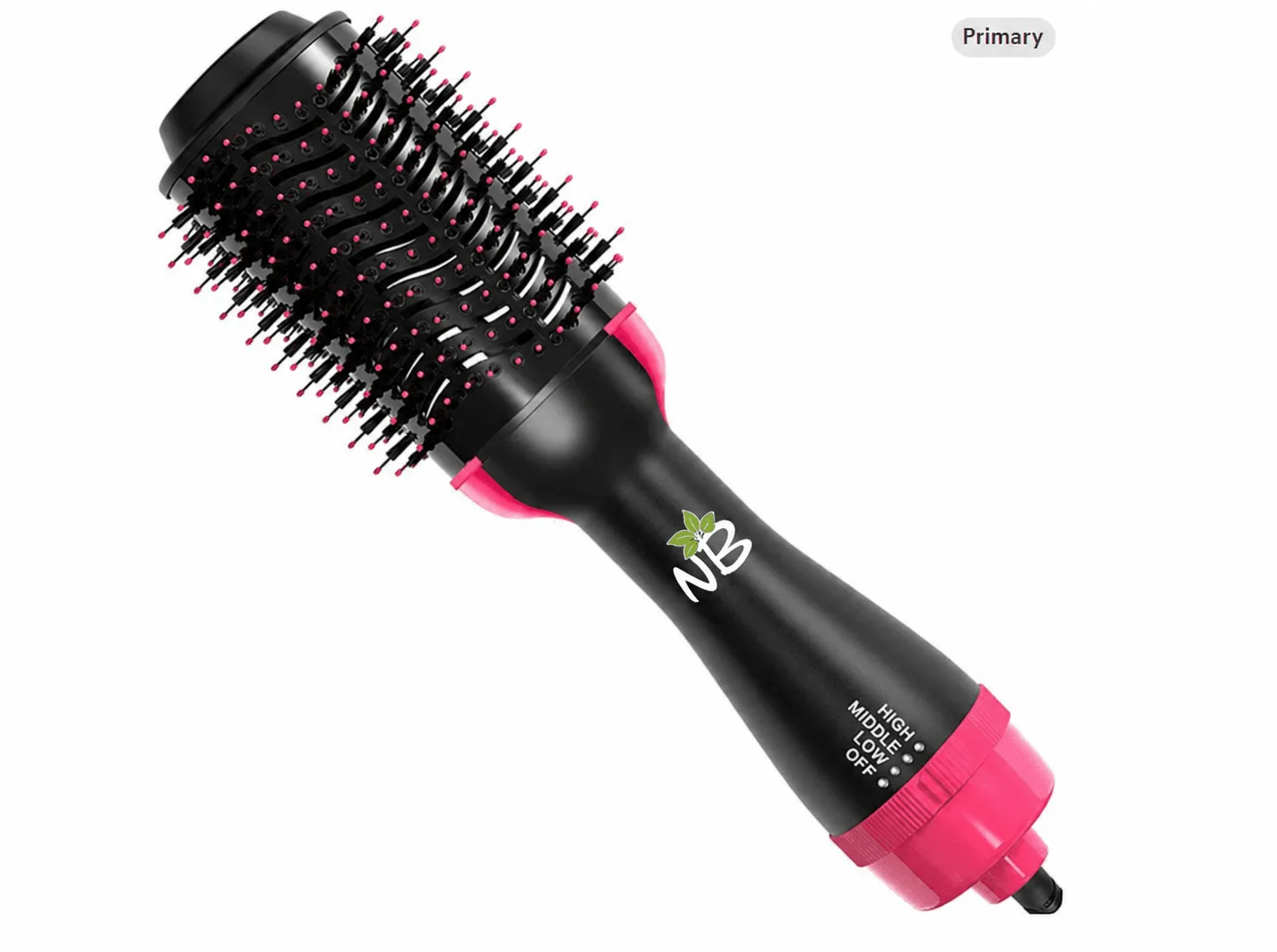
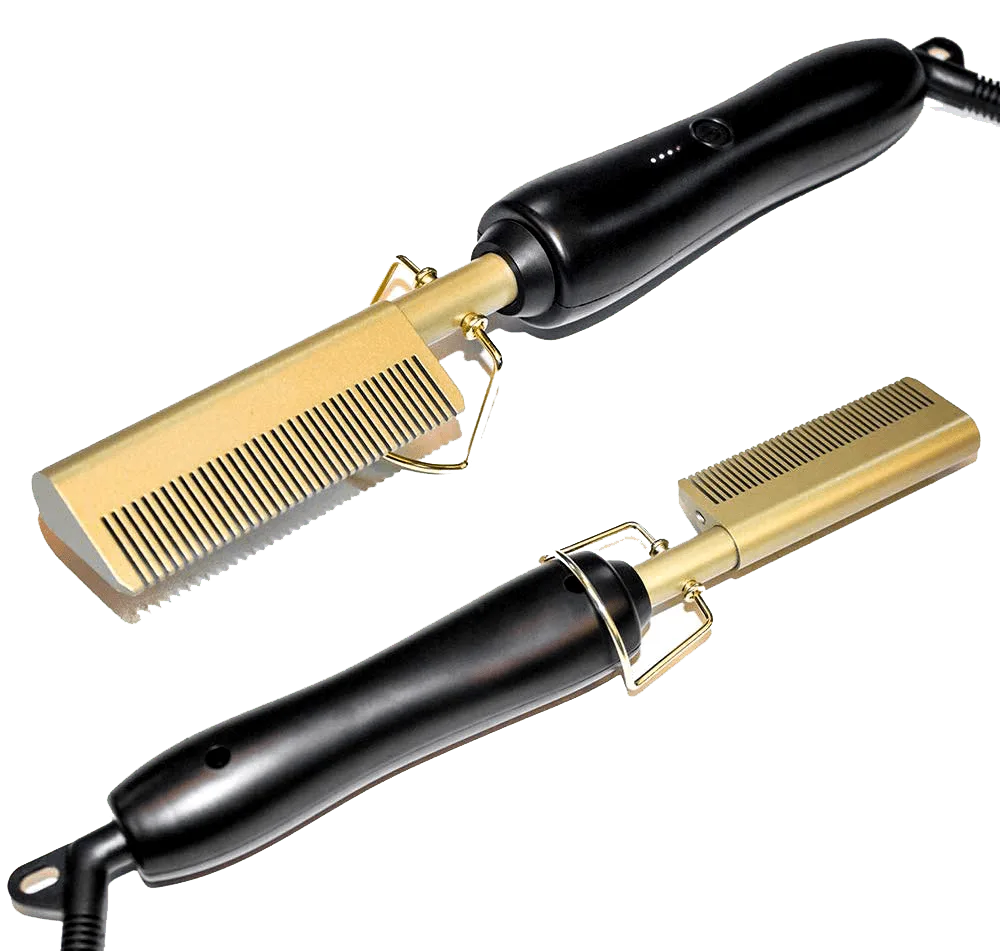
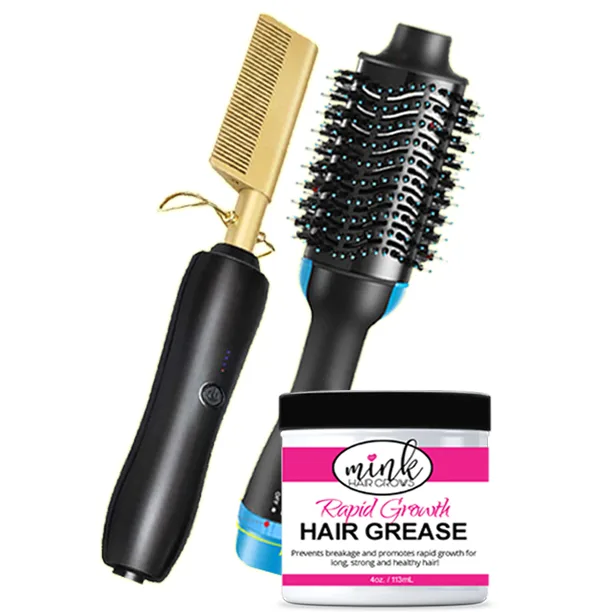
- Salon Silk + Growth Power Pack: Includes Electric Silk Press Hot Comb, Hot Air Blow Dryer Brush, and Intense Rapid Growth Hair Grease 4 oz. If you color your hair, you'll want to style with heat tools that help you achieve sleek looks without excessive heat damage. This bundle also includes a growth grease to help maintain moisture balance.
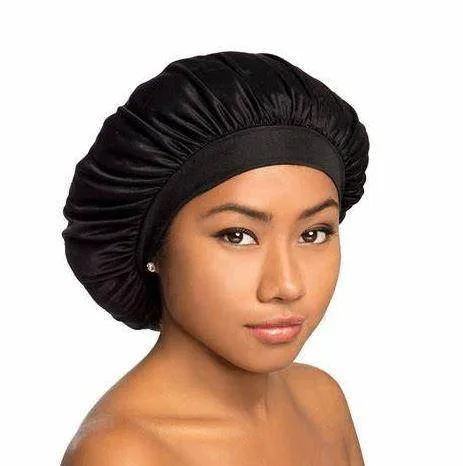
- Miracle Mink Hair Growth Anti-Breakage Bonnet: Padded bonnet designed to help reduce friction while you sleep, protecting edges and the hair perimeter. Color-treated hair is more vulnerable to breakage. Wearing this bonnet at night helps protect your strands and edges, keeping your color looking fresh longer.
Which should you choose?
Best for
- Natural hair that is fragile or breakage-prone and wants a subtle, temporary color boost.
- Those new to coloring who want to experiment without a big commitment.
Not for
- If you need complete gray coverage or a dramatic lift, semi-permanent color may not be enough.
- If you have severely damaged hair, avoid permanent dyes until your hair is healthier.
The safest choice for natural hair is usually semi-permanent color, but the right option depends on your goals and hair's condition. Always prioritize hair health with proper prep and aftercare. For extra protection, consider using a satin bonnet and gentle styling tools.