Quick answer
Use hair grow grease as the final sealing step in your wash-day routine, after moisturizing. Apply a small amount to damp scalp and ends, then style. For ethnic hair repair and dry hair repair, reapply a light layer to dry areas every 2–3 days. Avoid heavy daily use, which can clog pores and attract lint.
Why sealing matters for ethnic hair
Ethnic hair often has a tightly coiled or wavy structure that makes it harder for natural oils to travel from the scalp down the hair shaft. Without a sealing step, moisture escapes and strands become dry, brittle, and prone to breakage. Hair grow grease is designed to sit on top of your moisturizer and lock that water in, rather than replacing it. This is why grease works best as the last step, not the first.
How often to use grease for natural hair
Frequency depends on your scalp and hair porosity. If your scalp is highly porous or dry, you may need to seal two to three times a week. If your scalp is oilier, once a week after washing is enough. Over-greasing can cause buildup, so start with less and adjust. A good checkpoint: if your scalp feels itchy or your hair looks dull and heavy, you are using too much or too often.
Choosing the right grease for your routine
Not all greases are the same. Look for formulas with natural sealants like beeswax, shea butter, and essential oils. These ingredients create a breathable barrier that holds moisture without feeling greasy. Avoid greases with mineral oil or petroleum if you want a more natural option, though those can work for some people. The key is matching the formula to your scalp's needs: minty or tingling greases can soothe itchiness, while heavier butters are better for very dry ends.
Your step-by-step grease routine
- Start with clean, conditioned hair: Wash and deep condition as usual. Rinse well and gently towel-dry until hair is damp, not soaking wet. This is when hair absorbs moisture best. Checkpoint: hair should feel soft and supple, not stripped or squeaky.
- Apply a leave-in or moisturizer: Work a water-based leave-in conditioner or moisturizer through your hair, focusing on the ends. This step adds the moisture that grease will seal in. Mistake to avoid: skipping this step and applying grease to dry hair, which only coats strands without adding moisture.
- Seal with hair grow grease: Take a small amount of grease and rub it between your palms. Apply to your scalp first, using fingertips to massage gently. Then smooth the remaining grease over your ends and any dry areas. Mistake to avoid: using too much. Start with a pea-sized amount per section and add more only if needed.
- Style as usual: Proceed with your normal styling—braids, twists, or a wash-and-go. If you want extra volume, apply a volumizing lotion before the grease. Checkpoint: hair should feel moisturized, not heavy or tacky.
- Maintain between washes: Every 2–3 days, refresh dry areas with a light layer of grease. Focus on the scalp and ends, not the mid-lengths, to avoid buildup. Mistake to avoid: greasing daily without cleansing, which can lead to clogged pores and dull hair.
Product facts
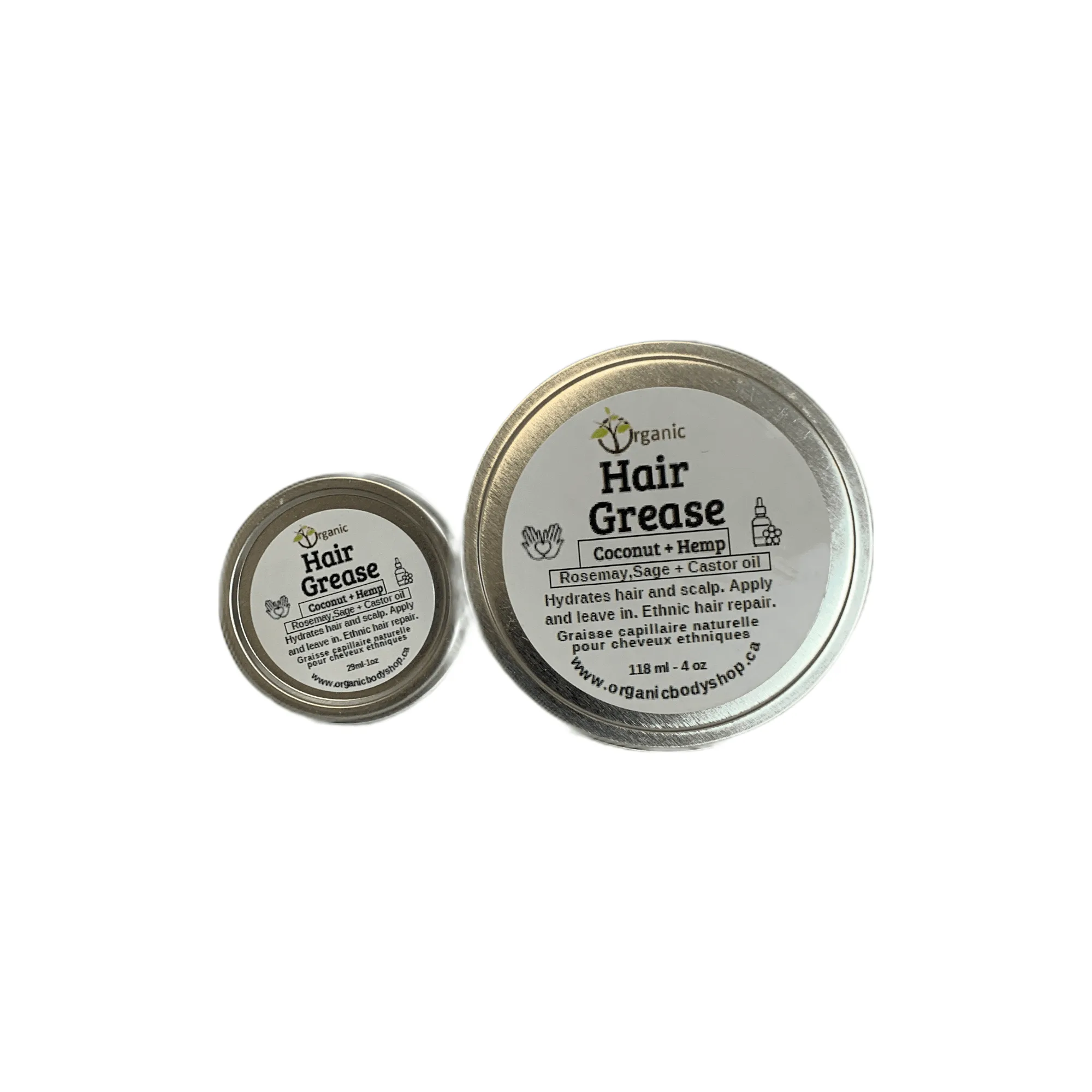
- Hair Grow Grease. Ethnic hair repair.: Hair Grow Grease. Ethnic hair repair. features a beeswax organic natural formula with a refreshing mint scent, ideal for highly porous or dry scalps, and includes shea butter and essential oils. The beeswax and shea butter seal in moisture and help prevent breakage, while the mint scent can reduce itchiness. This makes it a strong choice for dry hair repair and scalp grease for hair growth routines.
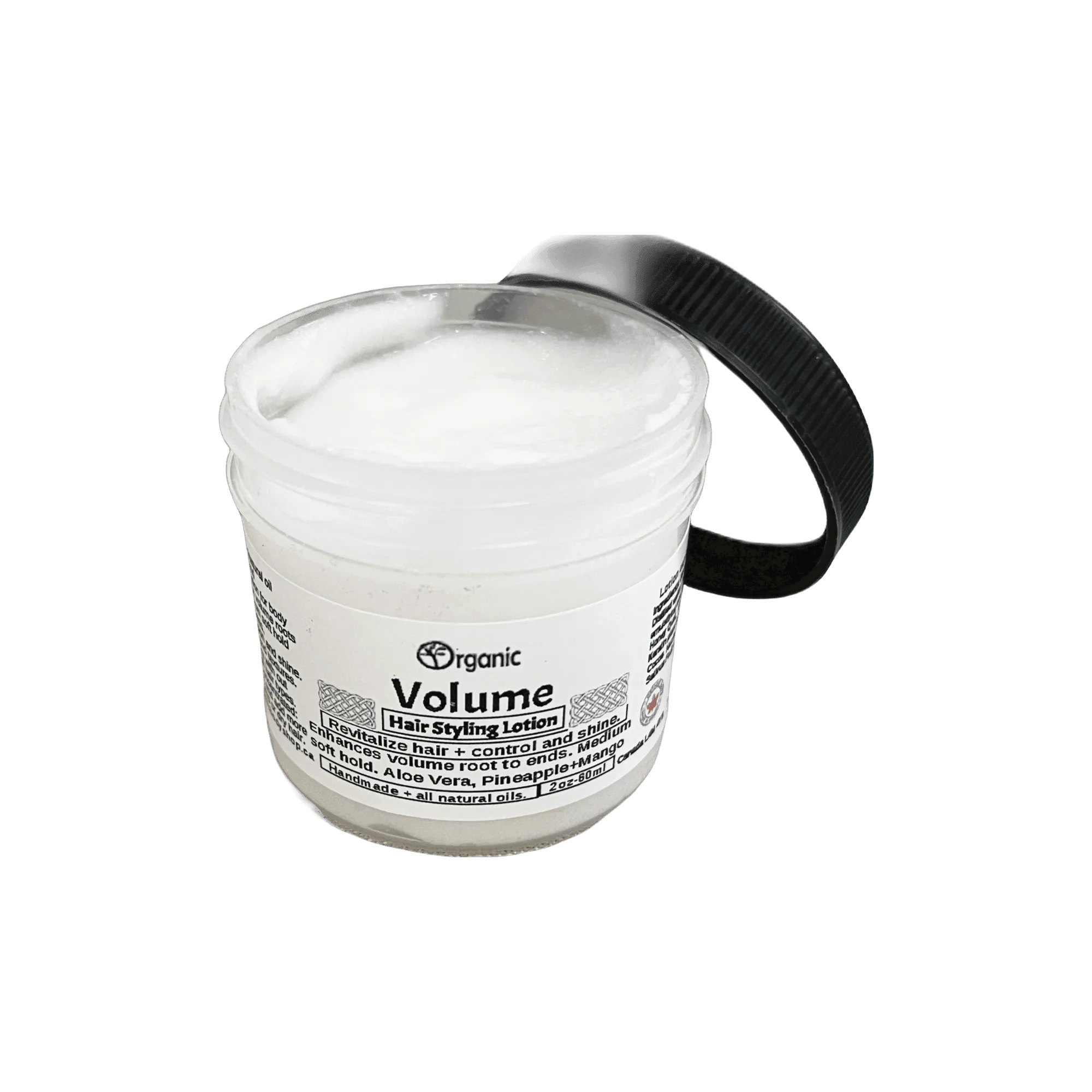
- Hair Lotion. Volume. Control: Hair Lotion. Volume. Control is a volumizing lotion with coconut oil, silk, and aloe vera, medium hold, and a natural pineapple and mango aroma. Use this as a lightweight styling step before sealing with grease. It adds body and manageability without greasiness, which is useful if you want volume but still need moisture control.