Quick Answer
If you want gentle, even heat that adds moisture and works well for low-porosity hair, a hair steamer is your best bet. If you value speed, portability, and simplicity for regular deep conditioning, a heat cap is a practical choice. Your hair's porosity and how much time you can dedicate to treatment will guide the decision.
Deep conditioning is a cornerstone of healthy natural hair, but the tool you use to apply heat can change the results. Hair steamers and heat caps both raise the temperature of your hair to help conditioners penetrate, but they do it differently. Understanding those differences helps you pick the right one for your hair's needs and your routine.
In this comparison, we'll break down how each tool works, the benefits and tradeoffs, and which one fits different hair types and lifestyles. We'll also highlight specific products that complement your deep conditioning sessions, so you can get the most out of your treatment.
How Hair Steamers Work and Their Benefits
A hair steamer uses warm steam to deliver heat and moisture to your hair. The steam opens the cuticle gently, allowing deep conditioners and oils to penetrate more effectively. This is especially beneficial for low-porosity hair, which tends to resist moisture because the cuticles are tightly closed.
Steamers are often hooded units that you sit under, and they provide consistent, even heat without drying out your hair. The added moisture helps with elasticity and can make hair feel softer and more manageable. However, steamers are typically bulkier, take longer to set up, and require more space. They also cost more than most heat caps.
- Best for low-porosity hair that needs extra moisture penetration.
- Provides gentle, even heat that doesn't dry out the hair.
- Adds hydration, which is great for dry, brittle strands.
How Heat Caps Work and Their Benefits
Heat caps are usually microwaveable or electric caps that you wear over your hair. They provide dry heat, which helps open the cuticle and speed up the conditioning process. Heat caps are portable, easy to use, and take up minimal storage space. They're also more budget-friendly than steamers.
The main tradeoff is that dry heat can sometimes cause moisture loss if not used with a plastic cap or a water-based conditioner. You also need to be careful about overheating, as some caps can have hot spots. For those who want a quick, no-fuss deep conditioning session, a heat cap is a convenient option.
- Ideal for quick treatments and travel.
- More affordable and compact than steamers.
- Works well with a plastic cap to trap moisture.
Key Differences at a Glance
The core difference is moisture: steamers add moisture while heat caps apply dry heat. This means steamers are better for hydration-focused treatments, especially for low-porosity hair. Heat caps are better for simply speeding up the penetration of your regular deep conditioner.
Time and convenience also differ. Steamers typically require 20–30 minutes under the hood, plus setup time. Heat caps can be worn while doing chores, and many warm up in minutes. Consider your daily schedule and how much time you want to dedicate to hair care.
- Steamer: adds moisture, gentle heat, longer session.
- Heat cap: dry heat, faster, portable.
- Choose based on your hair porosity and time availability.
Tradeoffs to Consider
- Moisture vs. Speed: Steamers add moisture, making them ideal for dry hair, but they take longer. Heat caps are quicker but use dry heat, which may require extra moisture barriers. If your hair is very dry, invest in a steamer; if time is tight, a heat cap works.
- Cost and Space: Steamers are larger and more expensive. Heat caps are compact and budget-friendly, but may not last as long. Weigh your budget and storage space before choosing.
- Hair Porosity: Low-porosity hair benefits from steam's moisture. High-porosity hair may not need extra moisture and can use a heat cap effectively. Know your porosity to pick the right tool.
Products That Complement Your Deep Conditioning Routine
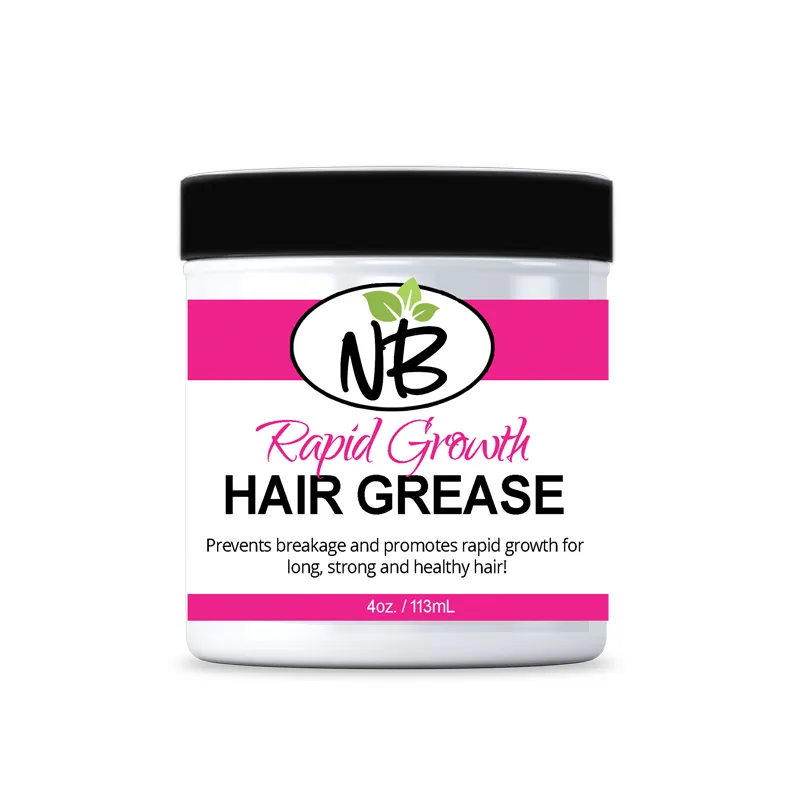
- Rapid Growth Hair Grease & Coconut Oil: Rapid Growth Hair Grease & Coconut Oil is a two-piece hair-care set made for moisture sealing, shine, scalp care, and growth-support routines. Includes Rapid Growth Hair Grease 4 oz and Coconut Serum 1 oz. Hair grease helps seal moisture and support manageability; Coconut Serum helps soften, condition, and add shine. After a steamer session, sealing in moisture with a grease and serum combo can lock in hydration and keep your hair soft between washes.
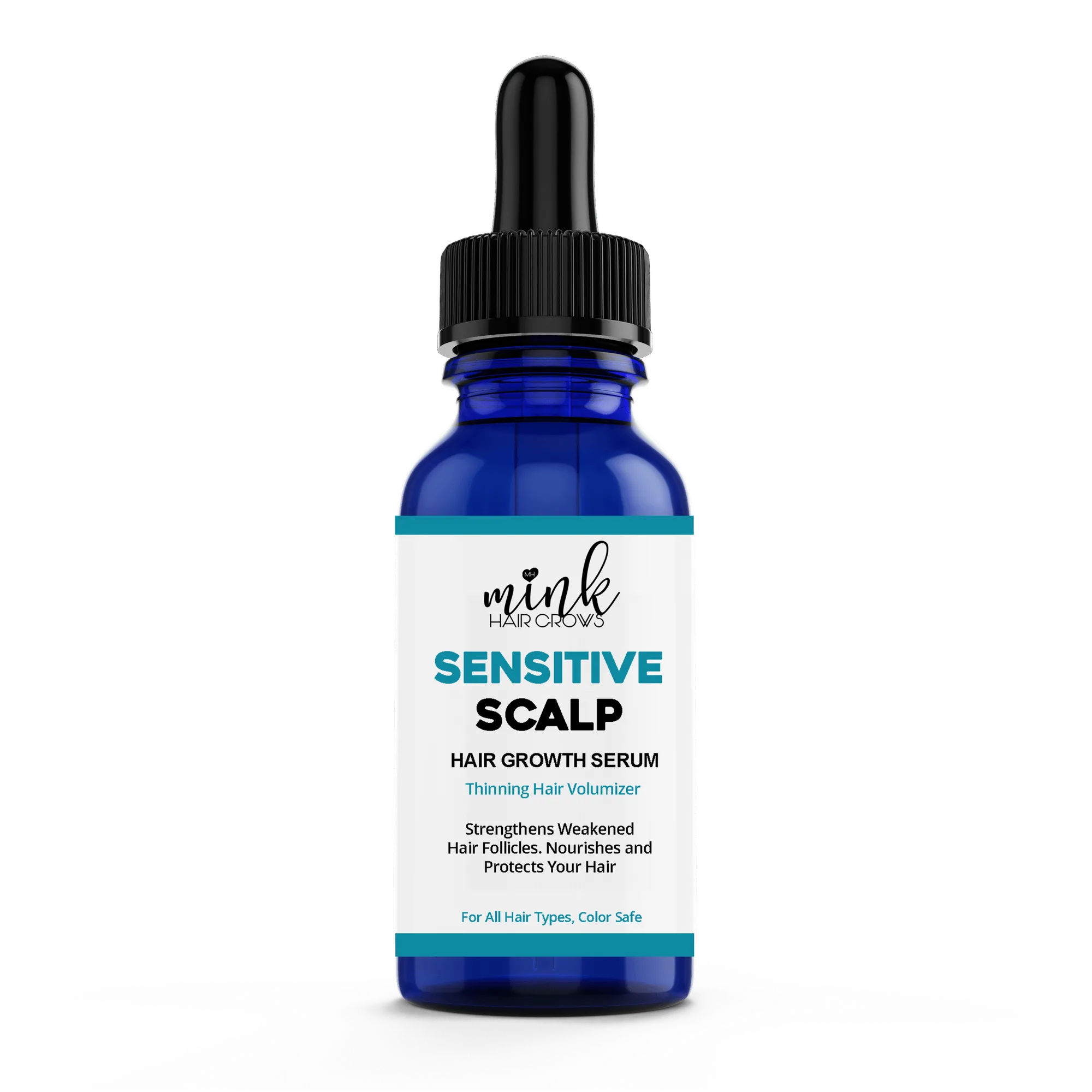
- https://naturalsblessingtg.com/products/bfcm-day-serum-910ed8f6d01f5e621d83910d-649991Sensitive Scalp Growth Activating Serum (Daytime Formula): Sensitive Scalp Growth Activating Serum is a daytime scalp serum made for sensitive-scalp hair-care routines. Lightweight daytime serum format, designed for targeted scalp application, supports stronger-looking, healthier-feeling hair with routine use. Available in Travel: 0.5 oz and Regular: 2 oz. If you have a sensitive scalp, using a gentle serum after deep conditioning can nourish the scalp without irritation, complementing your heat treatment.
Which Tool Fits Your Routine?
Best for
- Hair steamer: natural hair with low porosity, very dry or damaged hair, and those who enjoy longer, spa-like treatments.
- Heat cap: busy individuals, travelers, or those on a budget who need quick deep conditioning sessions.
Not for
- Hair steamer: those with limited space or who need quick treatments.
- Heat cap: those with extremely dry, low-porosity hair that needs extra moisture.
Both hair steamers and heat caps can elevate your deep conditioning game. Your choice comes down to your hair's needs, your schedule, and your budget. If you crave moisture and have the time, a steamer is worth the investment. If you need speed and simplicity, a heat cap is a reliable companion. Pair your chosen tool with quality products like the Rapid Growth Hair Grease & Coconut Oil or Sensitive Scalp Growth Activating Serum to maximize results.