Why Halloumi Handles Heat Differently
Halloumi is a traditional Mediterranean cheese with a firm texture and a high melting point. Unlike most cheeses, it holds its shape when grilled or fried, making it a unique ingredient for hot dishes. This guide covers the two halloumi options available and how to use each in everyday cooking.
Two Halloumi Options: Cow's Milk vs Goat & Sheep Milk
-
Halloumi: Cow’s Milk Halloumi: Mild, creamy, and smooth — ideal for everyday dishes. A milder flavor works well in salads, sandwiches, and breakfast plates where you want the cheese to complement rather than dominate.
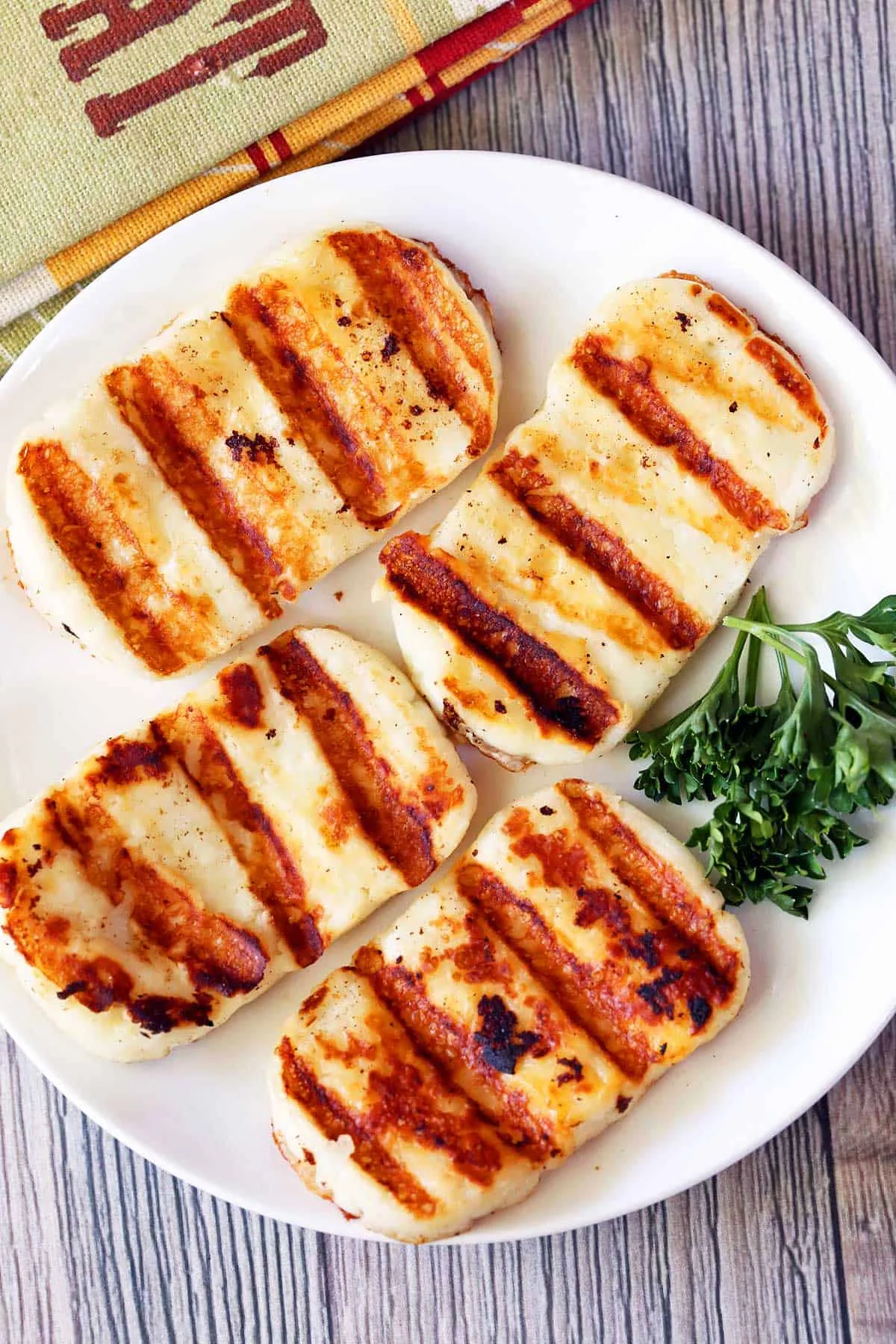
Halloumi
-
Halloumi: Goat & Sheep Milk Halloumi: Richer and tangier with a full-bodied flavor — the classic taste of traditional Halloumi. The stronger taste stands up to bold ingredients like grilled vegetables, herbs, and spices, and is the traditional choice for Mediterranean recipes.
How to Grill Halloumi
Halloumi is well suited for grilling because it softens without melting. Slice the cheese into pieces about as thick as your finger. Place directly on a hot grill or grill pan. Cook until golden grill marks appear on the first side, then flip. The cheese will become soft and slightly squeaky when bitten. Serve warm.
Grilled halloumi pairs well with fresh or grilled vegetables, in wraps, or alongside a simple salad. The Goat & Sheep Milk Halloumi gives a more traditional tang when grilled.
How to Pan-Fry Halloumi
Pan-frying is the quickest way to cook halloumi for a weeknight meal. Heat a non-stick or cast-iron pan over medium heat. Add a drizzle of olive oil. Place halloumi slices in the pan in a single layer. Cook until the underside is golden and the cheese begins to soften, then flip. The cheese will not spread or turn into a puddle.
Pan-fried halloumi can be added to pasta, grain bowls, or served on toast with tomatoes and herbs. The Cow’s Milk Halloumi is a good choice for everyday frying because its mild flavor adapts to many dishes.
Serving Ideas for Halloumi
Halloumi can be served warm or at room temperature. Try it in a warm salad with greens, tomatoes, and a lemon dressing. Add it to a mezze platter with olives, bread, and dips. It also works well chopped into cubes and tossed into a grain bowl or stirred into a pasta dish just before serving.
Both halloumi types are preserved in natural brine without additives or preservatives. After opening, keep the cheese submerged in brine or sealed in the fridge. Consume within 7–10 days after opening for best texture and flavor.
Nutritional Highlights
- Halloumi: Cow’s Milk Halloumi: 310 kcal, 18 g protein, 500 mg calcium per 100 g. A high-protein, high-calcium cheese that fits into balanced meals. The lower calorie count suits lighter dishes.
- Halloumi: Goat & Sheep Milk Halloumi: 350 kcal, 20 g protein, 600 mg calcium per 100 g. Slightly richer in protein and calcium, making it a more nutrient-dense choice for those who want extra protein or calcium from their cheese.