Quick answer
Choose the Kaiser Energy Saving Light Bulb 65W 5500K when you need daylight-balanced continuous light and lower running costs. Choose the Kaiser 300W Halogen Bulb 3400K when your fixture takes a GX6.35 lamp and you want warm, high-output light for short shooting sessions.
Colour temperature decides your white balance workflow
The 65W bulb is rated at 5500K, close to daylight, so it sits naturally alongside window light or a daylight-balanced camera preset. The 300W halogen is rated at 3400K, a warmer tungsten tone that needs a tungsten white balance or a corrective gel if you mix it with daylight.
Neither rating guarantees a perfect match to other fixtures, so set a custom white balance or shoot a grey card when colour accuracy matters. The point is that the two bulbs pull your colour temperature for studio lighting in opposite directions, and that choice affects every shot in the session.
Output and power draw pull in opposite directions
The 65W energy saving bulb produces 5200 lumens at 230V, so it delivers a lot of light for its wattage. The 300W halogen trades higher power draw for a warm, bright source that many older studio heads were built around.
Higher wattage also means more heat at the fixture. The halogen lamp has an average service life of about 15 hours, so budget for spares if you shoot long days. The energy saving bulb's lifespan is not stated in the supplied specifications, so treat that as an open question rather than an assumed advantage.
Sockets are not interchangeable
The energy saving bulb uses an E27 screw-in thread, the common photo bulb fitting found on many continuous lights and practicals. The halogen lamp uses a GX6.35 socket, a two-pin fitting specific to certain studio heads.
Check your fixture before buying either. A bulb that does not match the socket is not a cheaper option, it is a return. The supplied listings do not include dimming compatibility for either lamp, so confirm that with the fixture manufacturer if you rely on dimming.
Trade-offs to weigh before you buy
- Colour temperature vs convenience: Pick 5500K if you want to stay near daylight and avoid gels; pick 3400K if your setup is already tungsten-balanced or you want a warmer look. Set a custom white balance either way rather than trusting the rating alone.
- Output vs heat and running cost: The 65W bulb gives 5200 lumens with lower power draw; the 300W halogen draws more power and runs hotter at the fixture. For long shoots, weigh heat against the room and the fixture's ventilation.
- Service life vs upfront price: The halogen's average life is about 15 hours, so plan for replacements; the energy saving bulb's lifespan is not supplied, so do not assume it lasts longer without checking. Compare the catalog prices with the cost of spare halogen lamps over a season.
- Socket fit comes first: E27 for the energy saving bulb, GX6.35 for the halogen. Match the bulb to the fixture before comparing anything else.
The two bulbs at a glance
-
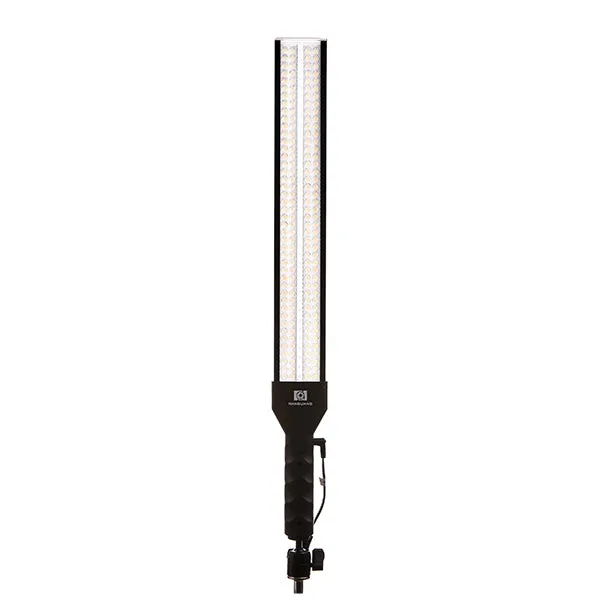
Kaiser Energy Saving Light Bulb - 65W - 5500K - E27: 65W E27 bulb rated 5500K and 5200 lumens at 230V, intended for photography rather than household lighting. It gives daylight-balanced continuous light from a standard screw fitting, which suits mixed daylight setups and lower power draw.
Kaiser Energy Saving Light Bulb - 65W - 5500K - E27
Kaiser Energy Saving Light Bulb - 65W - 5500K - E27
-
Kaiser 300W Halogen Bulb - 230V 3400K Lamp: 300W halogen lamp with a GX6.35 socket, 3400K colour temperature and roughly 15 hours average service life. It suits fixtures built for this fitting and warm-toned work, but the short life means keeping spare lamps on hand.
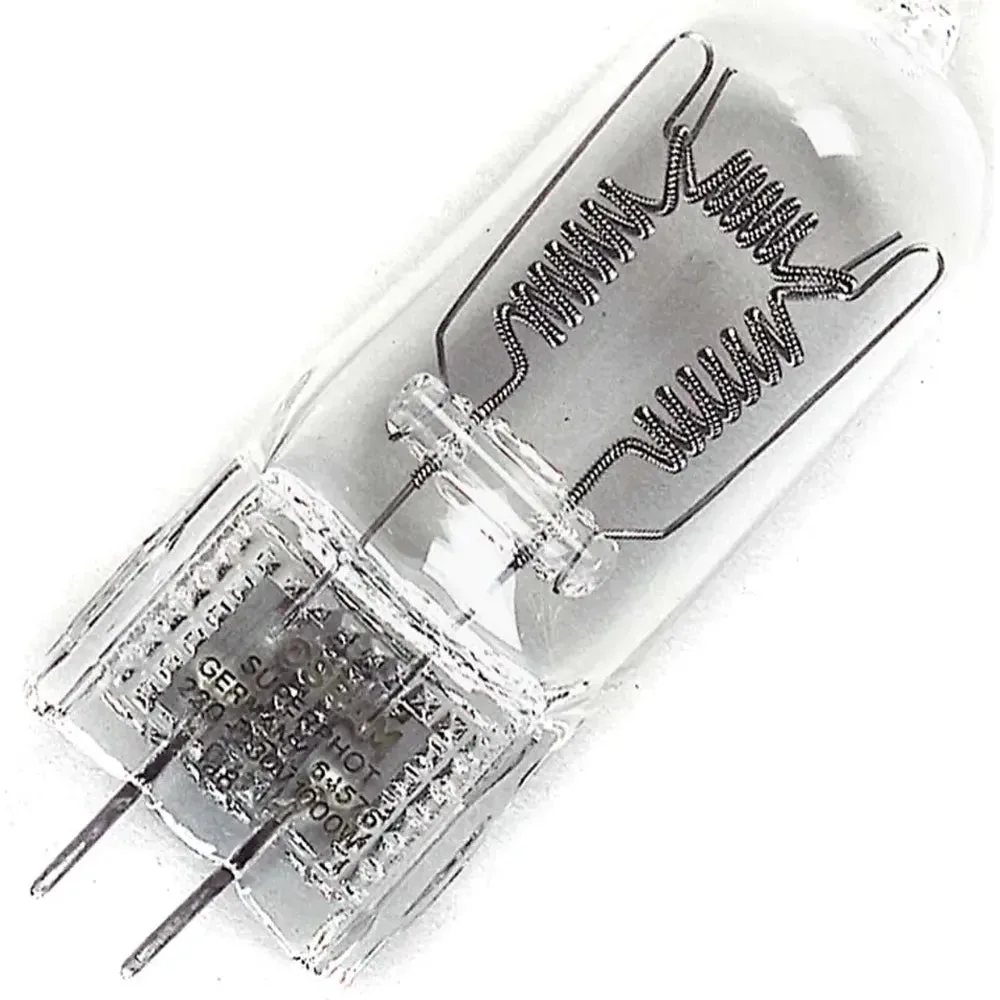
Kaiser 300W Halogen Bulb - 230V 3400K Lamp
Which bulb fits your work
Best for
- Photographers and video makers who want daylight-balanced continuous light from an E27 fixture
- Mixed daylight and studio setups where a 5500K source reduces gel work
- Users who want high lumen output with lower power draw
Not for
- Fixtures with a GX6.35 socket, which need the halogen lamp instead
- Household lighting, since the 65W bulb is intended for photography and image capture
- Shooters who need a warm tungsten look and already own a compatible halogen head