Quick Answer
If you have healthy trees and want the lightest, most packable option, choose hammock straps. If you have no trees or want a permanent backyard setup, choose a hammock stand. If you want one setup that works almost anywhere, pair a hammock with a tree-friendly suspension kit and add a stand only when trees are unavailable.
Choosing a hammock setup comes down to where you hang and how you travel. Trees give you the classic hammock experience, but not every yard, campsite, or park has suitable trunks. A hammock stand solves the no-tree problem, while straps keep your pack light and your options open.
This comparison breaks down the trade-offs between three common hammock setup options: hanging from trees with straps, using a freestanding hammock stand, and carrying a portable suspension kit. You will see which setup fits your space, your trips, and your budget.
Hammock Straps vs. Stand: The Core Trade-Off
Tree straps are the lightest and most portable way to hang. They wrap around trunks without damaging bark, and pre-knotted designs let you adjust height in minutes. The catch: you need two suitable trees or posts at the right distance and diameter. A hammock stand removes that dependency entirely, but it is bulky and stays in one place.
If you camp, hike, or travel, straps win on weight and packability. If you relax in a yard with no trees, a stand is the only reliable option. Many people own both: straps for adventures, a stand for home.
- Measure tree spacing before you buy straps; most hammocks need 13-15 feet between anchor points.
- Check local park rules: some require tree-friendly straps at least 1 inch wide.
Portable Hammock Setup: What You Can Carry
A portable hammock setup usually means a hammock, a suspension kit, and sometimes a rain fly or bug net. The Grand Trunk Tree Slings Hammock Hanging Kit is pre-knotted and tree-friendly, meeting width requirements for state and national parks. It works with most gathered-end hammocks and packs down small.
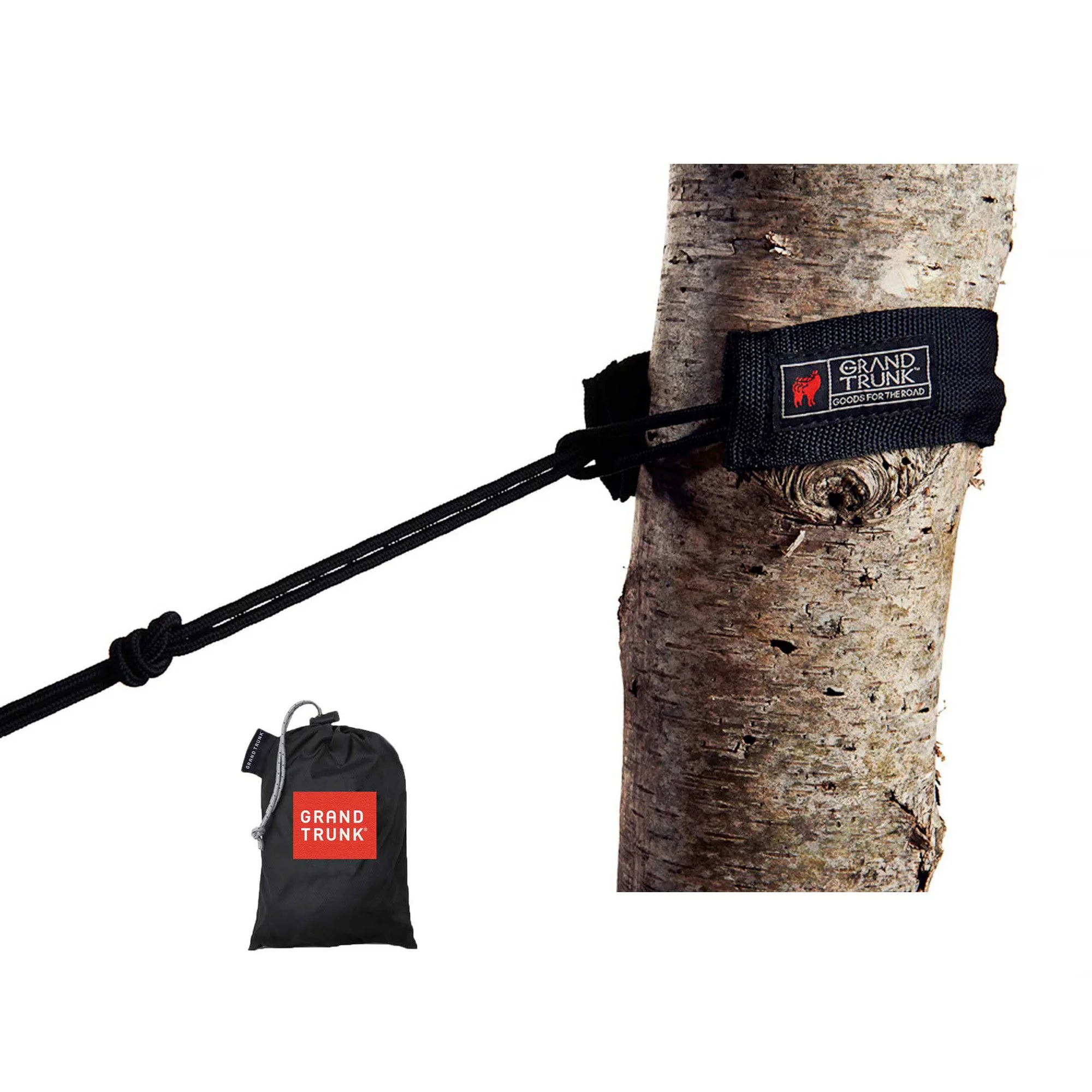
Tree Slings Hammock Hanging Kit
The Ultralight Starter Hammock is a good match for this approach. It includes two nautical-grade carabiners and triple-lock stitched seams, but hanging kit and straps are not included, so you choose your suspension separately. Together, these two items create a light, packable setup for hiking or travel.
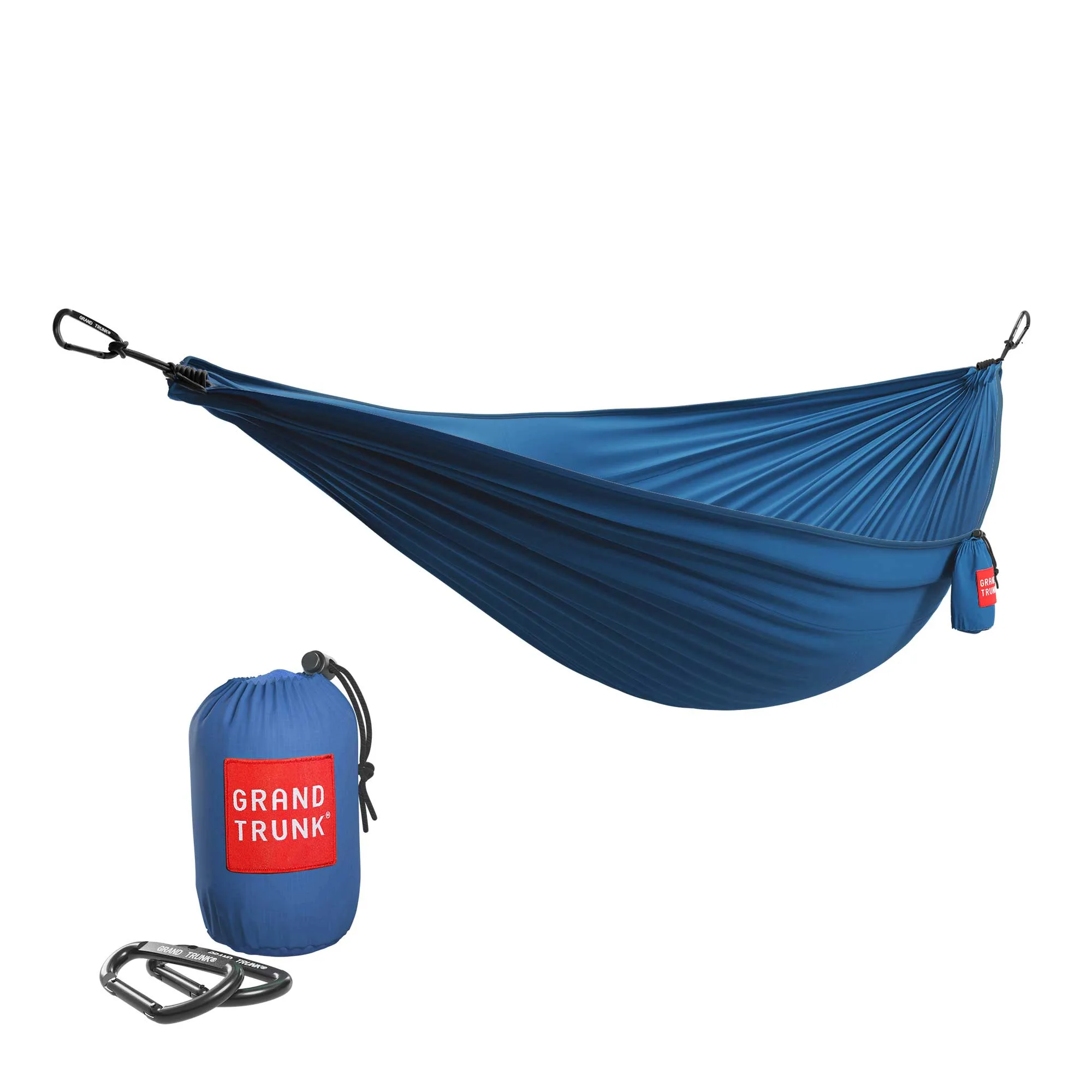
Ultralight Starter Hammock
- Weigh your full setup: hammock, straps, and any insulation or shelter.
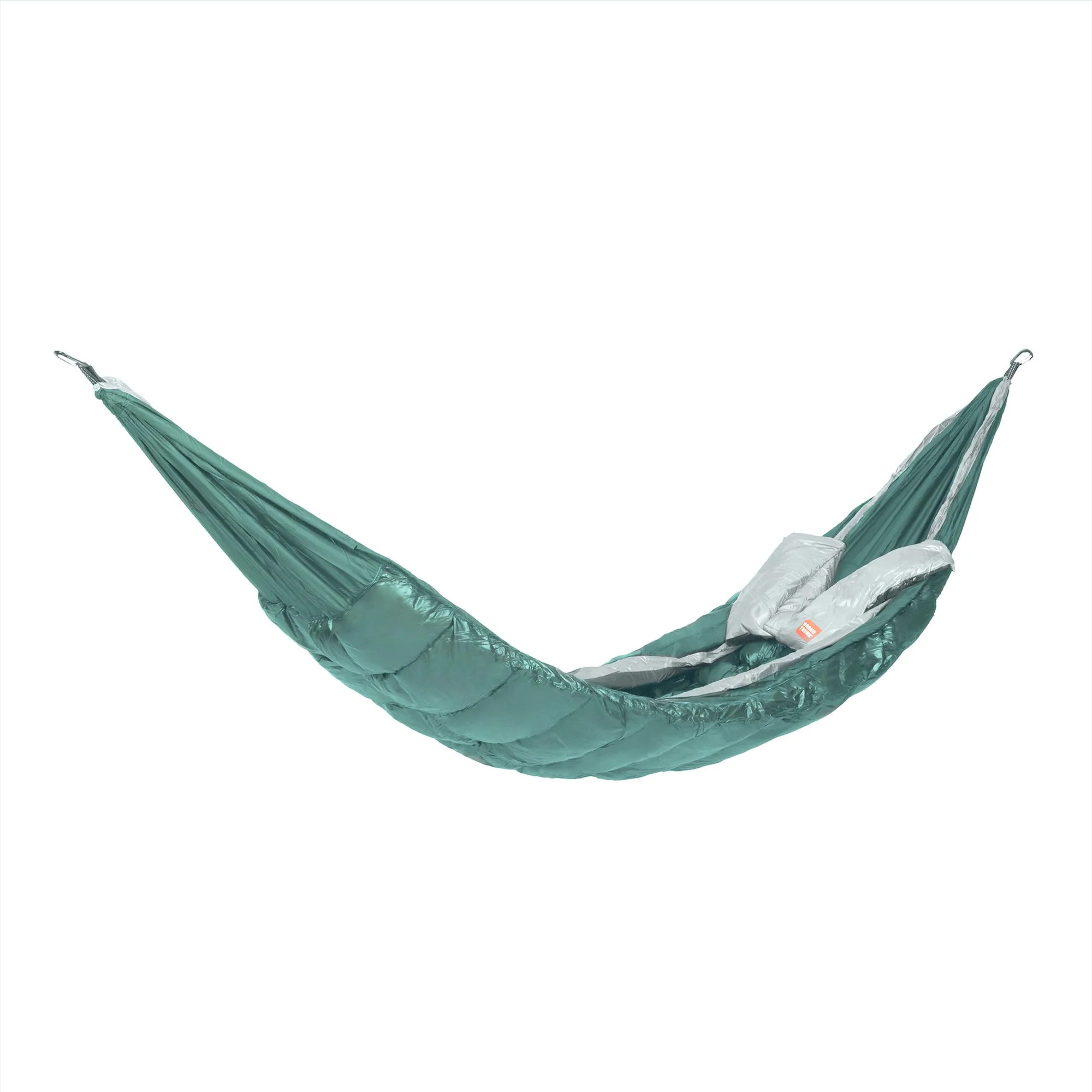
- If you camp in cold weather, plan for under-insulation or choose a hammock with integrated insulation.
Hammock Stand vs. Tree Straps: When Each Makes Sense
A hammock stand is the answer when you have no trees, when you want a permanent spot on a patio, or when you cannot risk damaging bark. It sets up in one place and stays there. The trade-off is weight and portability: most stands are too heavy for backpacking and take up storage space.
Tree straps are the opposite: light, packable, and versatile, but useless without suitable anchors. If you often camp in forests or parks with mature trees, straps are the better primary choice. If your yard is open or you want a dedicated relaxation zone, a stand is more practical.
- For apartment balconies, check weight limits and whether a stand fits your space.
- For car camping, a stand can be worth the bulk if you want to hang anywhere.
Specialty Setups: Shelter and Insulation
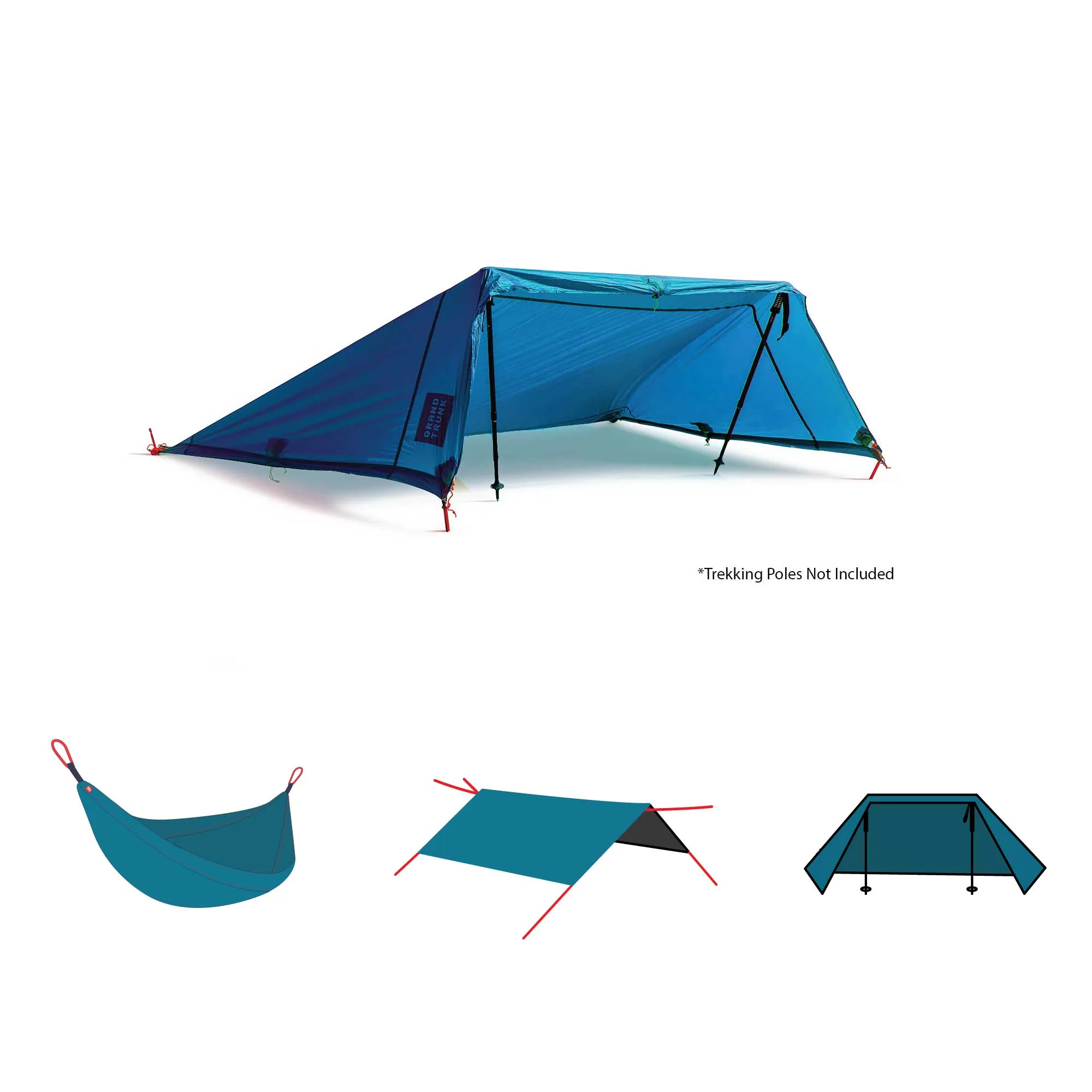
Some hammocks combine multiple functions. The Moab All-In-One Shelter Hammock converts between hammock, canopy, A-frame bivvy, lean-to shelter, tent footprint, and sunshade. That versatility reduces the gear you carry, but it still needs a suspension system and trees or a stand.
The Evolution 20 Synthetic Sleeping Bag Hammock integrates sleeping bag technology with a 20-degree rating and an integrated baffled under-quilt. This eliminates the need for separate underquilts or overquilts, but like most hammocks, hanging kit and straps are not included. These options suit campers who want fewer pieces, not ultralight travelers.
- Integrated insulation adds warmth but also weight and bulk.
- Multi-function shelters can replace a tarp, but practice the conversions before your trip.
Trade-Offs at a Glance
- Tree straps: Lightest and most packable, but require suitable trees or posts. Best for backpackers and travelers with access to trees.
- Hammock stand: Works anywhere, but heavy and not portable for backpacking. Best for yards, patios, and places without trees.
- Portable suspension kit: Adds flexibility and tree protection, but is an extra purchase if not included. Pair with a hammock like the Ultralight Starter for a complete setup.
Product Facts That Matter
- Tree Slings Hammock Hanging Kit: Pre-knotted for easy hanging and adjusting height; tree-friendly and meets width requirements for state and national parks. Lets you hang from trees without damaging bark and adjust height quickly, so you spend less time setting up.
- Ultralight Starter Hammock: Includes two nautical-grade carabiners and triple-lock stitched seams; hanging kit/straps are not included. A light, affordable hammock that requires you to choose a suspension separately, which adds flexibility but also a small extra cost.
- Moab All-In-One Shelter Hammock: Can be used as a hammock, canopy, A-frame bivvy, lean-to shelter, tent footprint, or sunshade. Replaces multiple pieces of gear, but still needs a suspension system and suitable anchors.
Which Setup Fits You?
Best for
- Campers and hikers who have trees and want a light, packable setup
- Homeowners with a yard or patio who want a permanent, no-tree hang
- Travelers who want one hammock that works in many places
Not for
- Backpackers who need to save every ounce (choose straps, not a stand)
- People with no trees and no space for a stand (consider a different relaxation option)
- Campers who want integrated insulation without extra gear (choose a sleeping bag hammock instead)
Match your setup to your anchors. If you have trees, start with a hammock and tree-friendly straps. If you do not, a stand is the practical answer. For the most flexibility, carry straps and add a stand only when you need it.