Choosing between a hand and body cream and a body oil can feel overwhelming, especially when you're trying to build a more sustainable routine. Both promise soft, hydrated skin, but they work in very different ways. Understanding those differences helps you pick the right product for your skin type, your climate, and your values.
In this comparison, we'll break down the pros and cons of creams and oils, look at their ingredients and environmental impact, and help you decide which one deserves a spot in your zero-waste bathroom shelf.
What's the Difference Between Cream and Oil?
At the most basic level, creams are emulsions—mixtures of water and oil—while oils are just that: pure oils with no water content. Because creams contain water, they deliver hydration to the skin's surface and then lock it in with the oil component. Oils, on the other hand, work mainly as occlusives, creating a barrier that prevents moisture loss.
This fundamental difference affects how each feels on the skin. Creams tend to absorb quickly and leave a lighter finish, making them great for daytime use or for people with normal to combination skin. Oils are richer and more emollient, ideal for very dry skin, colder months, or as a nighttime treatment.
- Creams: water-based, hydrating, fast-absorbing
- Oils: oil-based, nourishing, protective
Hydration Showdown: Which Moisturizes Better?
The answer depends on your skin's needs. If your skin is dehydrated—lacking water—a cream with humectants like glycerin or hyaluronic acid will draw moisture into the skin. If your skin is dry—lacking oil—a body oil will replenish lipids and strengthen the skin barrier.
Many people find that layering both works best: apply a water-based cream first, then seal it with a few drops of oil. This method, often called 'slugging' or 'sandwiching,' maximizes hydration for very dry or mature skin.
For a convenient, package-free option, consider a product like the Meow Meow Tweet Juniper Carrot Seed Face Oil—it's a lightweight oil that absorbs well and works for face and body. On the cream side, a rich balm like the Buju Skin Matcha Vegan Under Eye & Lip Balm can double as a targeted treatment for delicate areas.
- Dehydrated skin → choose cream with humectants
- Dry skin → choose oil to restore lipids
- Very dry skin → layer cream then oil
Texture and Absorption: What Feels Better?
Texture is a personal preference. Creams are typically lighter and disappear into the skin quickly, making them ideal for morning routines when you don't want to wait before getting dressed. Oils take a little longer to absorb and can leave a subtle sheen, which some people love for a natural glow.
If you hate the greasy feeling, a fast-absorbing oil like squalane or jojoba might surprise you—they sink in quickly without residue. On the other hand, if you love a rich, massage-like application, a thicker cream or body butter will feel more indulgent.
- Creams: quick absorption, non-greasy
- Oils: richer, can leave a glow
- Test on a small area to see what your skin prefers
Eco-Friendly Ingredients and Packaging
When you're shopping for package-free moisturizers, ingredients matter. Look for plant-based oils like jojoba, argan, and sunflower, which are sustainably sourced and biodegradable. Avoid silicones, mineral oil, and synthetic fragrances that can be harsh on skin and the environment.
Packaging is another key factor. Many creams come in plastic jars or tubes, but you can find package-free options in glass or solid form. Oils are often sold in glass dropper bottles that are easy to recycle or reuse.
For a truly zero-waste option, consider the Gaia Sustainable Mini Vibrator—wait, that's not a moisturizer. Let's refocus. For body care, the Axiology Vegan Sustainable Lip to Lid Balmies - Set of 3 offers multi-purpose balms that can be used on lips, eyes, and even as a highlighter, reducing the number of products you need.

Vibrator
- Choose oils with minimal ingredients
- Opt for glass or solid packaging
- Multi-purpose products reduce waste
Cost and Value: Which Gives You More Bang for Your Buck?
Creams often contain a high percentage of water, so you may need to use more product to see results. Oils are concentrated—a little goes a long way. A 30ml bottle of body oil can last months if you use just a few drops per application.
However, high-quality oils can be more expensive upfront. Creams are often cheaper per ounce, but you might go through them faster. Consider your usage habits and budget when deciding.
For a budget-friendly, package-free option, the Stainless Steel Straight Straw 8 5 4 Pack Rainbow is a fun kitchen accessory, but for body care, you might prefer a simple oil like jojoba that's affordable and versatile.
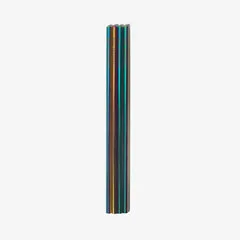
Stainless Steel Straight Straw 8 5 4 Pack Rainbow
- Oils: concentrated, long-lasting
- Creams: lower upfront cost, but use more
- Compare price per use, not just per bottle
How to Choose Based on Your Skin Type
Your skin type is the biggest factor. If you have oily or acne-prone skin, a lightweight, non-comedogenic oil like grapeseed or a gel-cream might be best. If you have dry, flaky skin, a rich oil like marula or a thick cream with shea butter will provide more relief.
Season and climate also play a role. In humid summers, a cream feels lighter; in dry winters, an oil provides a protective barrier. Listen to your skin—it will tell you what it needs.
- Oily skin: lightweight oils or gel-creams
- Dry skin: rich oils or heavy creams
- Adjust with seasons
Both creams and oils have their place in a sustainable skincare routine. The best choice depends on your skin's needs, your lifestyle, and your environmental priorities. If you're ready to make the switch to package-free body care, explore our collection of eco-friendly moisturizers and find the perfect match for your skin.