Understanding Your Handloomed Recycle Yarn Rug
The HANDLOOMED RECYCLE YARN RUG / 1.4 x 2.0 from PUEBCO is a handwoven piece made in a textile-producing region of India. Each rug is crafted on a handloom, with different artisans spinning, dyeing, and weaving the yarn. Because it is made by hand, the density varies slightly across the rug, giving it a unique character that machine-made rugs lack.
The material blend includes recycled cotton, polyester, and other fibers. Since recycled materials are used, the exact composition may not be specified. This natural, handmade construction also means the rug requires some specific care to maintain its appearance and longevity.
Key Facts About Your Rug
-
HANDLOOMED RECYCLE YARN RUG / 1.4 x 2.0: Size: approx. 1400 x 2000 mm. Material: Recycled Cotton, Polyester, Others. Knowing the exact dimensions helps with placement and cleaning logistics. The recycled material blend affects how the rug responds to cleaning methods.
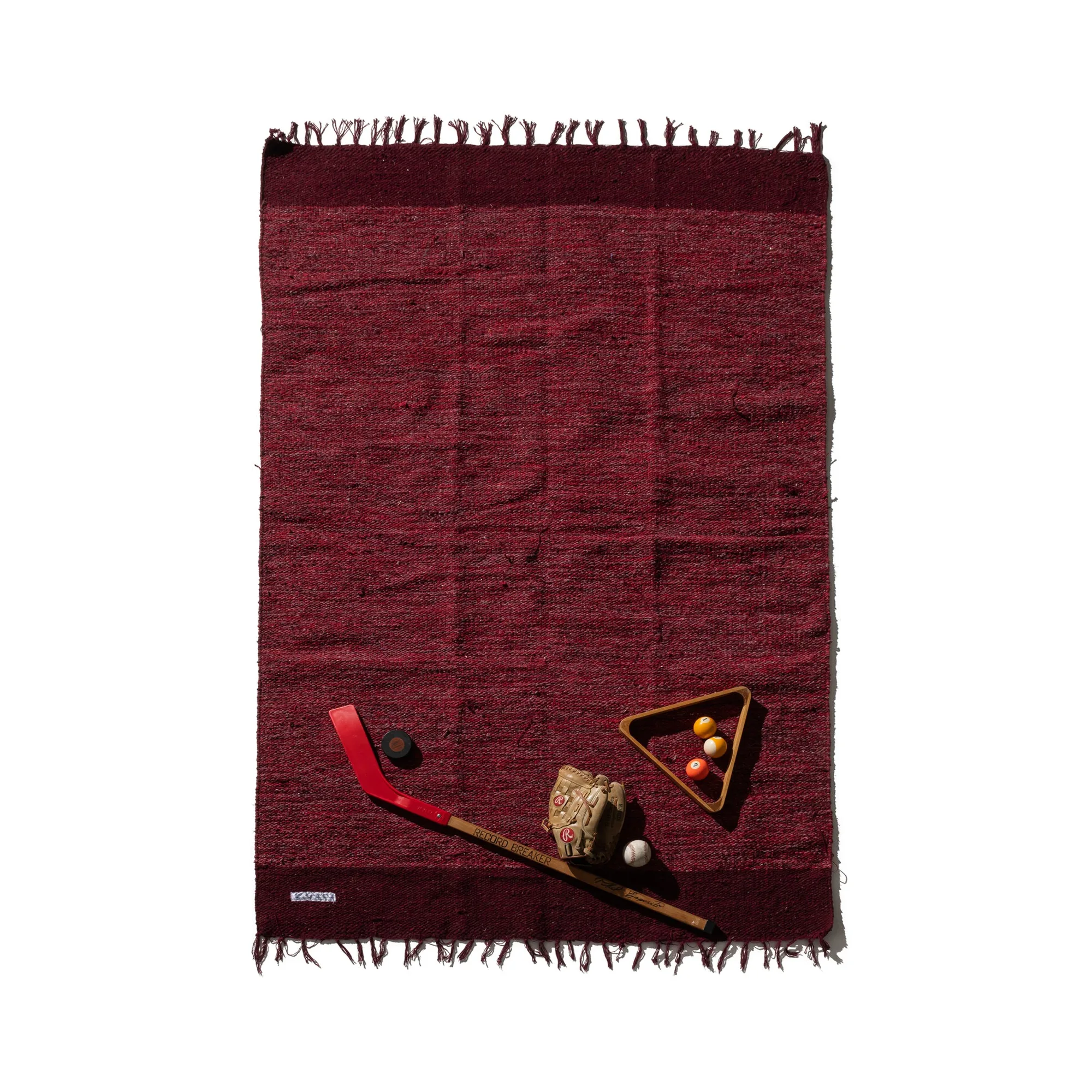
HANDLOOMED RECYCLE YARN RUG / 1.4 x 2.0
-
HANDLOOMED RECYCLE YARN RUG / 1.4 x 2.0: The rug is handwoven on a handloom, resulting in uneven density that adds character. This handcrafted quality means the rug is more delicate than machine-made rugs. Avoid aggressive cleaning that could distort the weave.
-
HANDLOOMED RECYCLE YARN RUG / 1.4 x 2.0: Dyes may transfer to clothing or other items due to water and friction. Prolonged exposure to direct sunlight or fluorescent light may cause fading or discoloration. These are the main risks to be aware of when cleaning and placing the rug. Proper care can minimize these issues.
Cleaning Your Handloomed Recycle Yarn Rug
Because the rug uses recycled materials and natural dyes, cleaning should be gentle. The catalog notes that water and friction can cause dye to transfer to other items. This means spot cleaning with a damp cloth is safer than soaking the rug. Avoid using harsh chemical cleaners or scrubbing vigorously.
For general maintenance, regular vacuuming on a low suction setting can help remove dust and debris without damaging the weave. If a spill occurs, blot it immediately with a clean, dry cloth—do not rub, as that can spread the dye or push the stain deeper into the fibers.
The catalog does not provide specific cleaning instructions beyond these warnings. For stubborn stains, consider consulting a professional cleaner experienced with handmade, naturally dyed textiles.
Preventing Dye Transfer and Fading
The rug's dyes may transfer to clothing or other fabrics, especially when wet. To prevent this, avoid placing the rug in areas where it will get wet frequently, such as near entryways or in bathrooms. If the rug does get damp, allow it to air dry completely before placing furniture or other items on it.
Direct sunlight and fluorescent lighting can cause the colors to fade over time. To preserve the vibrancy, position the rug away from windows or use curtains and blinds to filter light. Rotating the rug periodically can also help ensure even wear and fading.
These precautions are based on the catalog's warnings and are not exhaustive. If you have specific concerns, testing a small, inconspicuous area first is always a good idea.
What the Catalog Does Not Cover
The supplied information does not include specific instructions for washing, drying, or stain removal. It also does not mention whether the rug is suitable for use with underfloor heating or on carpet. For any care questions not addressed here, it is best to treat the rug as a delicate, handcrafted textile and err on the side of caution.