Quick answer
Buy a handmade mystery gift set only when the listing states the item count, size range, and theme, and when you are happy with any item in that theme rather than one specific piece. If you need a guaranteed size, color, or character, skip the mystery format and buy an open listing instead. Treat the stated count and dimensions as your real value check, not the surprise.
What "mystery" actually means in a handmade set
A handmade mystery gift set is a bundle where the maker chooses the exact designs for you inside a declared theme, count, and size. The mystery is the assortment, not the category. That distinction matters because it tells you what you can safely expect and what you are agreeing to give up.
So when you ask what is a mystery gift box, the honest answer is: a curated bundle with a known framework and unknown specifics. A well-built listing tells you how many pieces, what size each piece is, the theme, and the material. A vague listing that only promises "spooky stickers" or "cute keychains" gives you no way to compare value, so treat missing count or size as a real limitation rather than a charming surprise.
The three numbers that decide whether a set is worth it
Before you compare prices, pull three numbers from the listing: piece count, individual item size, and theme breadth. Piece count tells you the cost per item. Size tells you whether the items are usable as intended. Theme breadth tells you how likely you are to actually want everything in the bag.
Run the math out loud. If a 20-piece sticker pack is priced at USD 11.35 against a comparison price of USD 15.99, you are paying roughly 57 cents per sticker at the sale price. That is a useful benchmark: compare it to what you would pay for a single sticker you chose yourself. If the per-item price is close to or above the price of a chosen item, the mystery is costing you money rather than saving it.
Size is the most common disappointment
Mystery sets live and die on dimensions, because a 2-inch sticker and a 5-inch sticker are different products even when the artwork is identical. If a listing states the size, believe it and measure your intended surface before ordering. If a listing does not state the size, assume you cannot control it.
This is also where option types matter. If the listing offers a size selector, use it deliberately rather than defaulting. If the listing offers only a color selector, then color is the variable you control and size is fixed by the maker. Knowing which variable you control prevents the most common post-purchase letdown.
When a surprise set beats choosing items yourself
Mystery sets are strongest when you like a maker's whole style and want a low-effort spread of it: party favors, stocking fillers, advent-style daily gifts, or a small thank-you add-on. They are also good when the recipient enjoys the ritual of opening something unknown more than the specific object inside.
They are weakest when the gift has to match something. If the recipient collects one specific character, needs a particular color for a bag or keyring, or is matching a set they already own, a curated bundle introduces risk you do not need. In those cases, buy one open item you can see and save the mystery for a second, lower-stakes add-on.
Reading a listing like a buyer, not a fan
Check the stated material and durability claims, then check what is not stated. Water resistance, for example, is a meaningful claim for a sticker that will live on a water bottle, and its absence is worth noting if that is your plan. Likewise, if a keychain listing mentions a specific design element and the hardware is not described, do not assume a material.
Finally, look at whether the maker shows the range. A listing that says the assortment is a mystery but still shows the theme and scale is giving you enough to decide. A listing that hides the theme entirely is asking you to buy blind, which is a different and much riskier proposition.
Decision rules for buying a mystery set
- Rule 1: No count, no buy: If the listing does not state how many pieces you receive, you cannot calculate value and cannot compare it to buying one chosen item. Ask the seller or walk away. Checkpoint: you should be able to say the exact number of items before checkout.
- Rule 2: Match size to the surface, not the photo: A stated size like 2 inches is a commitment. Measure the laptop, bottle, or planner you plan to decorate, then confirm the listed size fits it. Checkpoint: if the size is unstated or too small for your plan, choose an open listing instead.
- Rule 3: Buy the theme, not the item: Only order a mystery bundle if you would be content receiving any item within the stated theme. If one specific design is the reason you are buying, the mystery format works against you. Verdict: mystery sets reward flexible buyers and punish picky ones.
- Rule 4: Use the option selector on purpose: When a listing offers a size or color choice, that is the only variable you control. Decide it deliberately rather than accepting the default, because everything else is chosen for you. Checkpoint: confirm which variable is yours and which belongs to the maker.
- Rule 5: Treat unstated specs as limits, not hints: If durability, material, or hardware is not described, do not assume it. Note the gap and decide whether it matters for how the gift will be used. Verdict: buy on what is written, never on what you hope is implied.
How real sets in this catalog break down
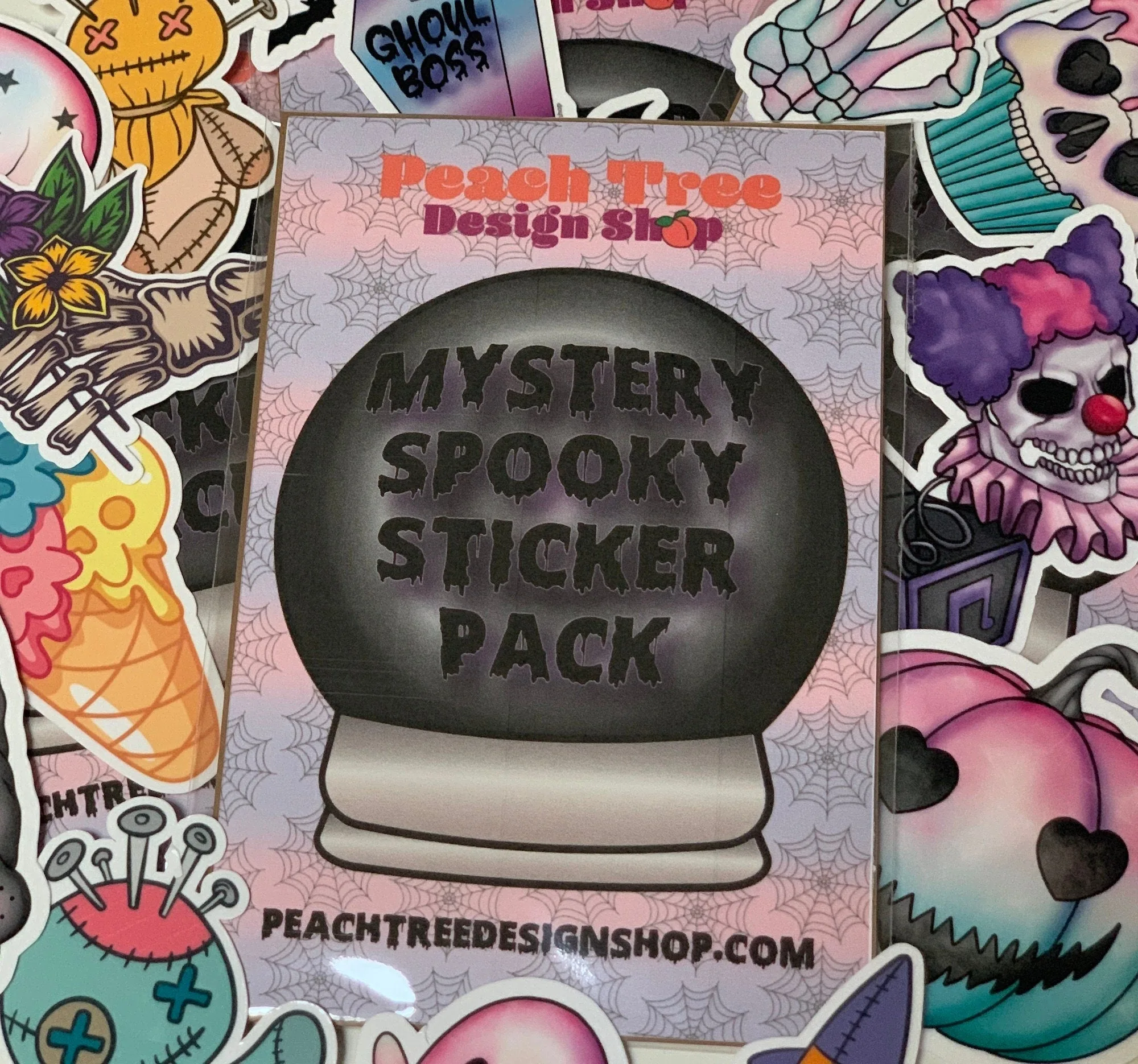
- Mystery Spooky Small Sticker 20 Pack: A 20-piece spooky sticker pack with 2-inch assorted stickers, water-resistant, with a size option selector. The count and the 2-inch size are both stated, so you can calculate cost per sticker and check the size against your intended surface before buying.
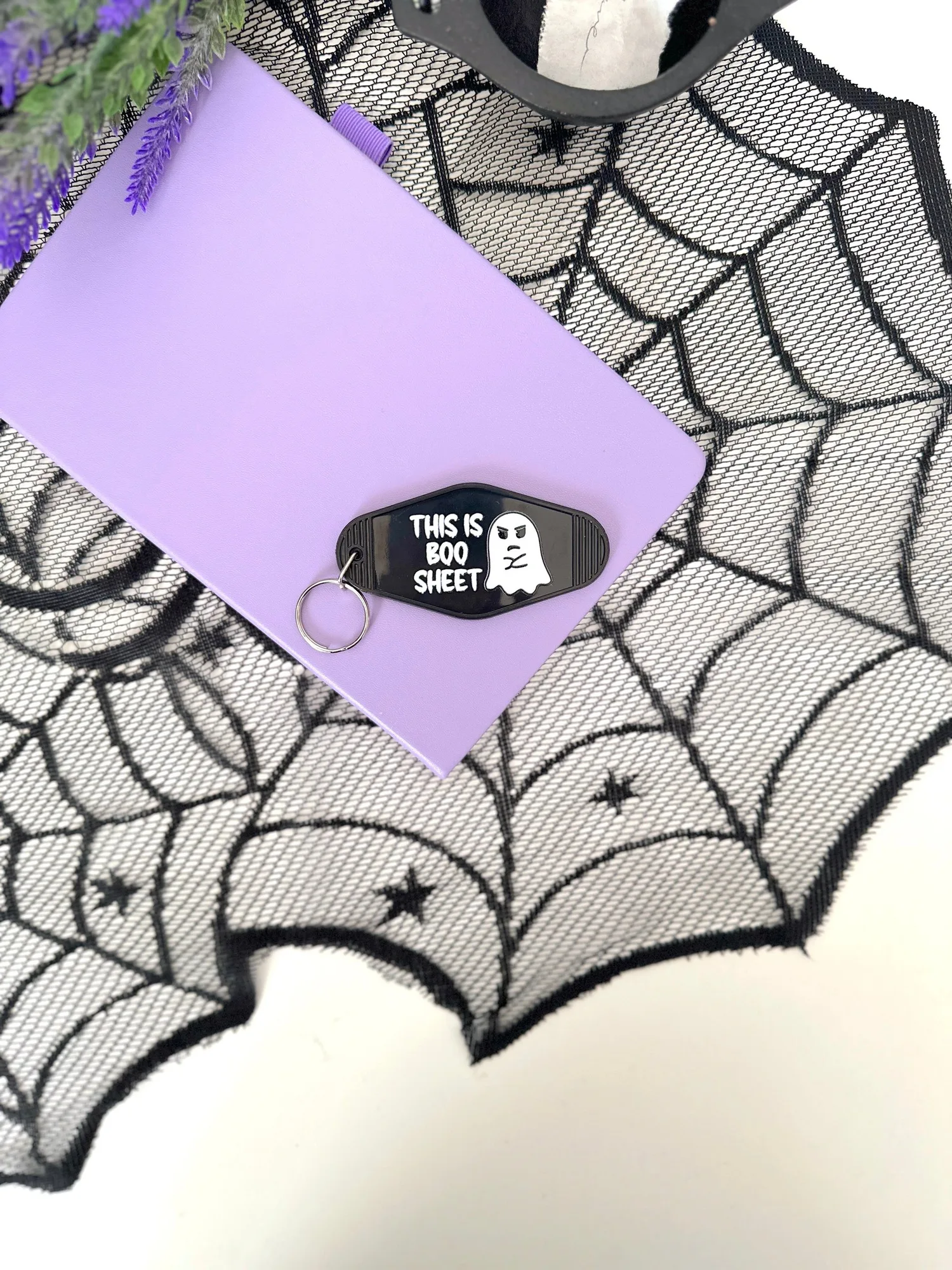
- This is Boo Sheet Ghost Motel Keychain Halloween Keychain, Ghost gifts: A "This is Boo Sheet" ghost keychain with a cheeky ghost graphic, custom drawn by the shop, offered with a color option. This is the opposite structure from a mystery bundle: the design is shown and the variable you control is color, so it suits buyers who need a specific look rather than an assortment.
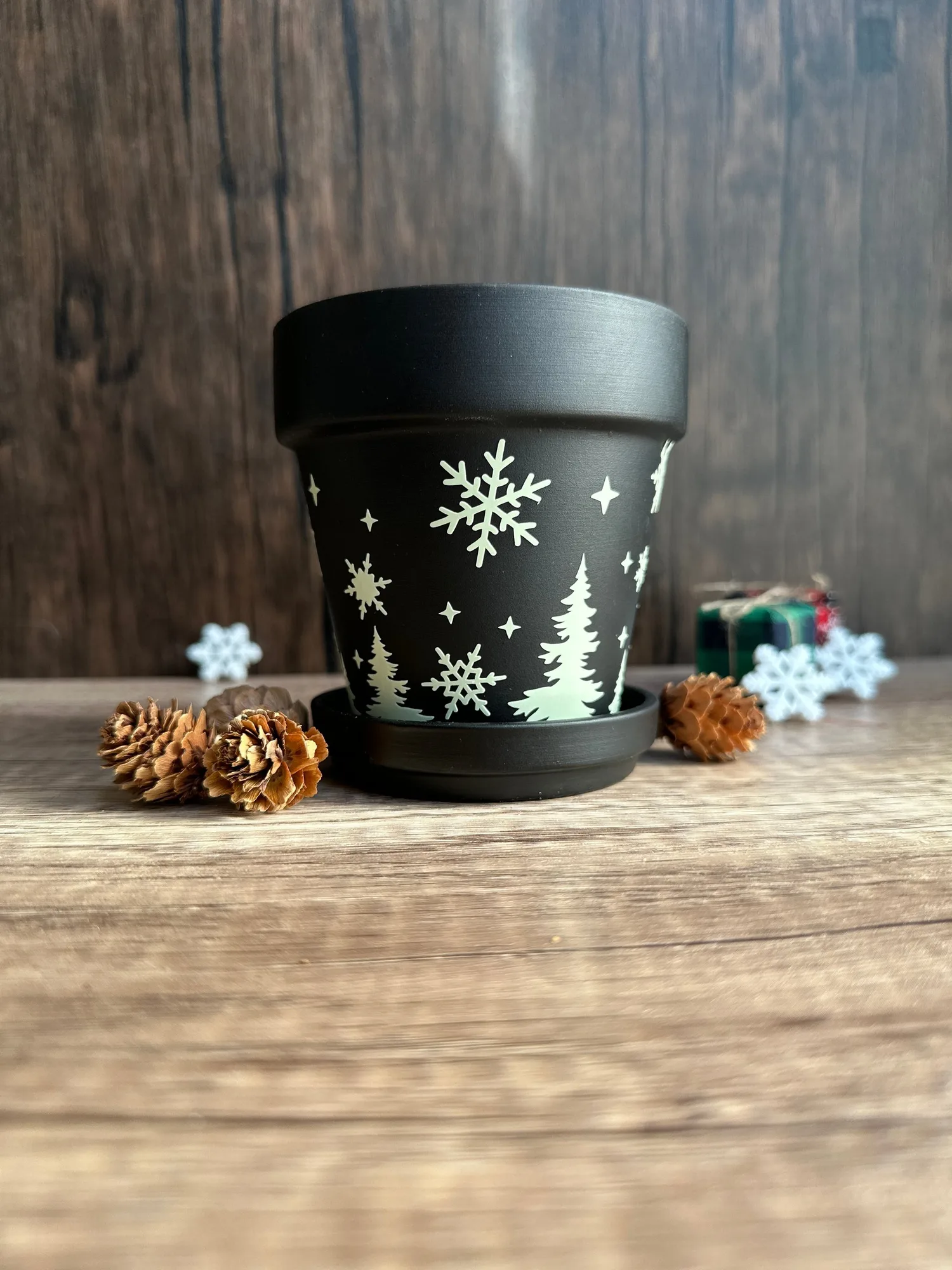
- Winter Solstice Snowflake Planter (glow in the dark): A glow-in-the-dark winter solstice snowflake planter positioned as a holiday, host, or office gift, with no option types supplied. With no selectable options, the item arrives as described, which makes it a safer gift than a mystery set when you cannot ask the recipient's preference.
Who should buy a handmade mystery set
Best for
- Shoppers who like a maker's overall style and want a low-effort spread of it
- Party favors, stocking fillers, and small add-on gifts where variety beats precision
- Recipients who enjoy opening something unknown more than a specific object
Not for
- Buyers who need one exact design, character, or color to match an existing set
- Gifts where the recipient's taste is narrow or already fully specified
- Anyone shopping on a deadline who cannot risk an assortment that misses the mark