Quick answer
Yes, Happy Frog potting soil is designed for containers and works well in most planters. It drains faster than garden soil, which is what you want. Just match the pot size to the plant and refresh the soil every season or two.
Happy Frog potting soil is a popular choice for container gardening, but it's not a one-size-fits-all product. The soil you use in a planter affects drainage, root health, and how often you need to water. This guide answers the questions people actually ask before buying or using it in their pots.
What is Happy Frog potting soil?
Happy Frog potting soil is a blended mix made for container plants. It typically contains peat moss, aged forest products, perlite, and fertilizer to support growth. Unlike garden soil, it's lightweight and drains quickly, which helps prevent root rot in pots. It's not the same as seed-starting mix, which is finer and lower in nutrients. If you're repotting a houseplant or filling a patio planter, this soil is formulated for that job.
- Use it straight from the bag for most container plants.
- Don't mix it with garden soil, which can compact and drain poorly in pots.
Can I use Happy Frog potting soil in any planter?
It works in most containers, but the planter's drainage matters more than the soil brand. If your pot has no drainage hole, even fast-draining soil can stay too wet at the bottom. In that case, use a nursery pot inside a decorative planter, or add a layer of drainage material. For outdoor planters, make sure excess water can escape. Indoor planters with a saucer need you to empty standing water after watering.
- Check for drainage holes before filling.
- For sealed decorative pots, double-pot with a nursery liner.
How does it perform in outdoor planters?
Outdoor planters dry out faster because of sun and wind, so a moisture-retentive mix helps. Happy Frog holds some water but still drains, which suits most annuals, herbs, and small shrubs. In a large outdoor planter, the soil volume means it won't dry as quickly as a small pot. You may need to water less often than you expect. If your planter is in full sun, check the top inch of soil before watering. If it's damp, wait.
- Mulch the soil surface to slow evaporation in sunny spots.
- In rainy seasons, ensure the pot drains freely to avoid soggy roots.
Do I need to add anything to Happy Frog potting soil?
For most plants, no. It already contains fertilizer and perlite for drainage. But if you're planting succulents or cacti, you'll want extra perlite or pumice to increase drainage. For heavy feeders like tomatoes or petunias, you may need to supplement with fertilizer after a few weeks. Always read the bag for specific instructions, as formulations can vary. If you're unsure, start with the soil as-is and adjust based on how your plants respond.
- Succulents: mix in 1 part perlite to 2 parts soil.
- Heavy feeders: add a slow-release fertilizer at planting time.
Can I reuse Happy Frog potting soil?
You can reuse it, but it's not ideal. Over time, soil compacts, nutrients deplete, and salts from fertilizer can build up. If you reuse it, remove old roots and debris, then mix in fresh compost or new potting soil. For disease-prone plants, it's safer to start fresh. Reusing soil in containers is a common practice, but it can lead to poor drainage and nutrient deficiencies. If the soil smells sour or has white mold, discard it.
- Reuse only for healthy plants that showed no disease.
- Blend old soil with fresh mix at a 50/50 ratio.
How does Happy Frog compare to other potting soils?
Happy Frog is a mid-range option that balances quality and price. It's not the cheapest, but it's not the most expensive either. Compared to basic potting mixes, it often has better aeration and organic ingredients. Compared to premium mixes, it may lack some specialized amendments. The best soil for planters depends on your plants and watering habits. If you tend to overwater, a faster-draining mix is better. If you underwater, a moisture-retentive mix helps.
- For beginners, Happy Frog is forgiving.
- For succulents, look for a cactus mix or amend with perlite.
Quick answers to common Happy Frog questions
Is Happy Frog good for indoor plants?
Yes, it works for indoor containers as long as the pot drains and you don't overwater. It's a bit chunky for very small pots, but fine for 6-inch and larger. Use a saucer and empty it after watering.
Does Happy Frog potting soil have fertilizer?
It typically includes a starter charge of fertilizer, but it won't feed plants forever. After 4-6 weeks, you'll likely need to fertilize. Watch for slow growth or pale leaves as a sign to feed.
Can I use Happy Frog for vegetables?
Yes, it's suitable for vegetables in containers. For heavy feeders like tomatoes, add a slow-release fertilizer or liquid feed during the season. Pair with a large planter to give roots room.
Planter pairings that work well with Happy Frog
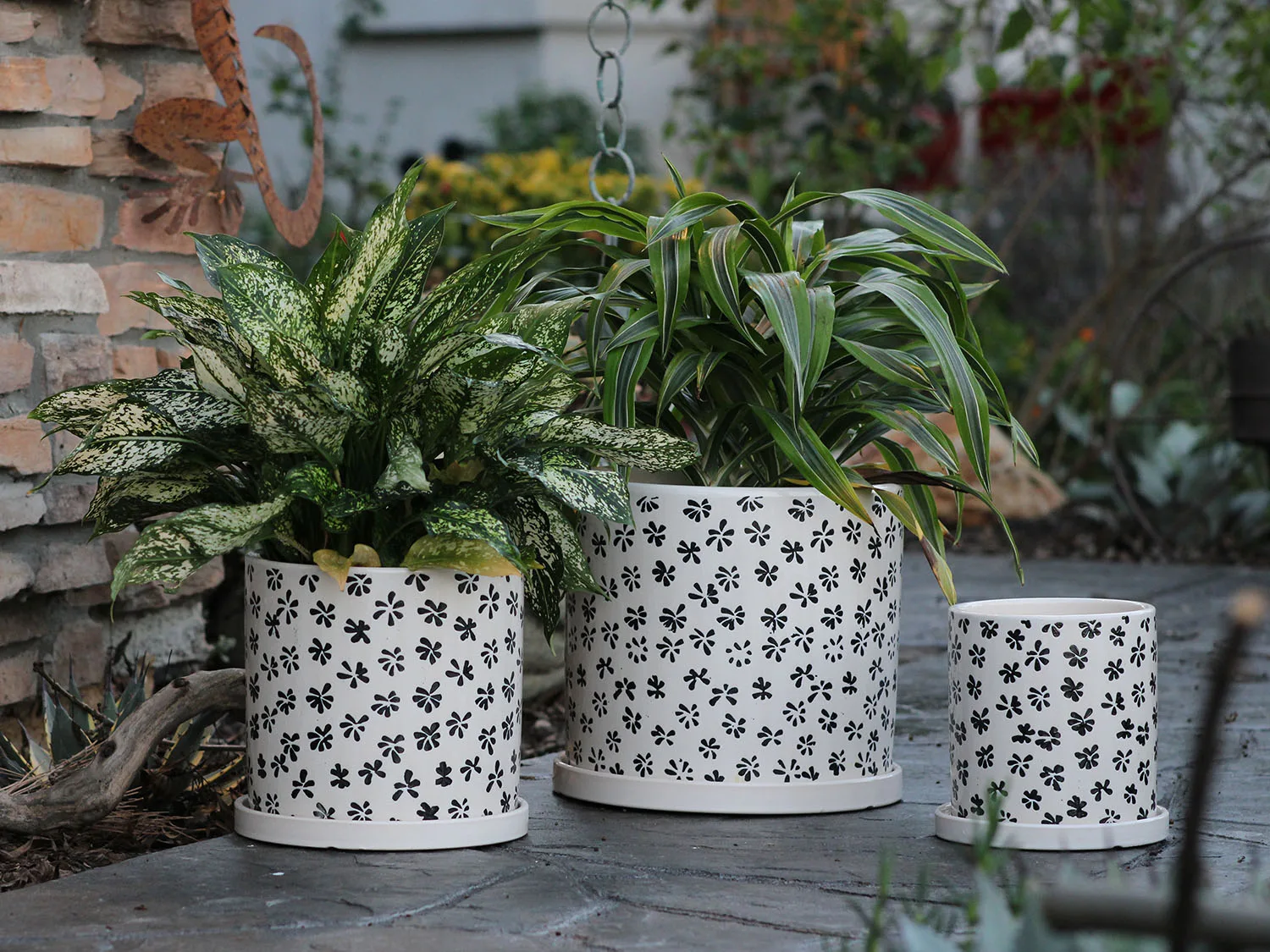
- Cylinder Floral Stamped Planter By Plantatorem: Handmade ceramic piece with a clean look, available in two designs including Black Pansy. The simple shape and neutral colors suit indoor spaces where you want the plant, not the pot, to stand out. Its ceramic body pairs well with Happy Frog's drainage.
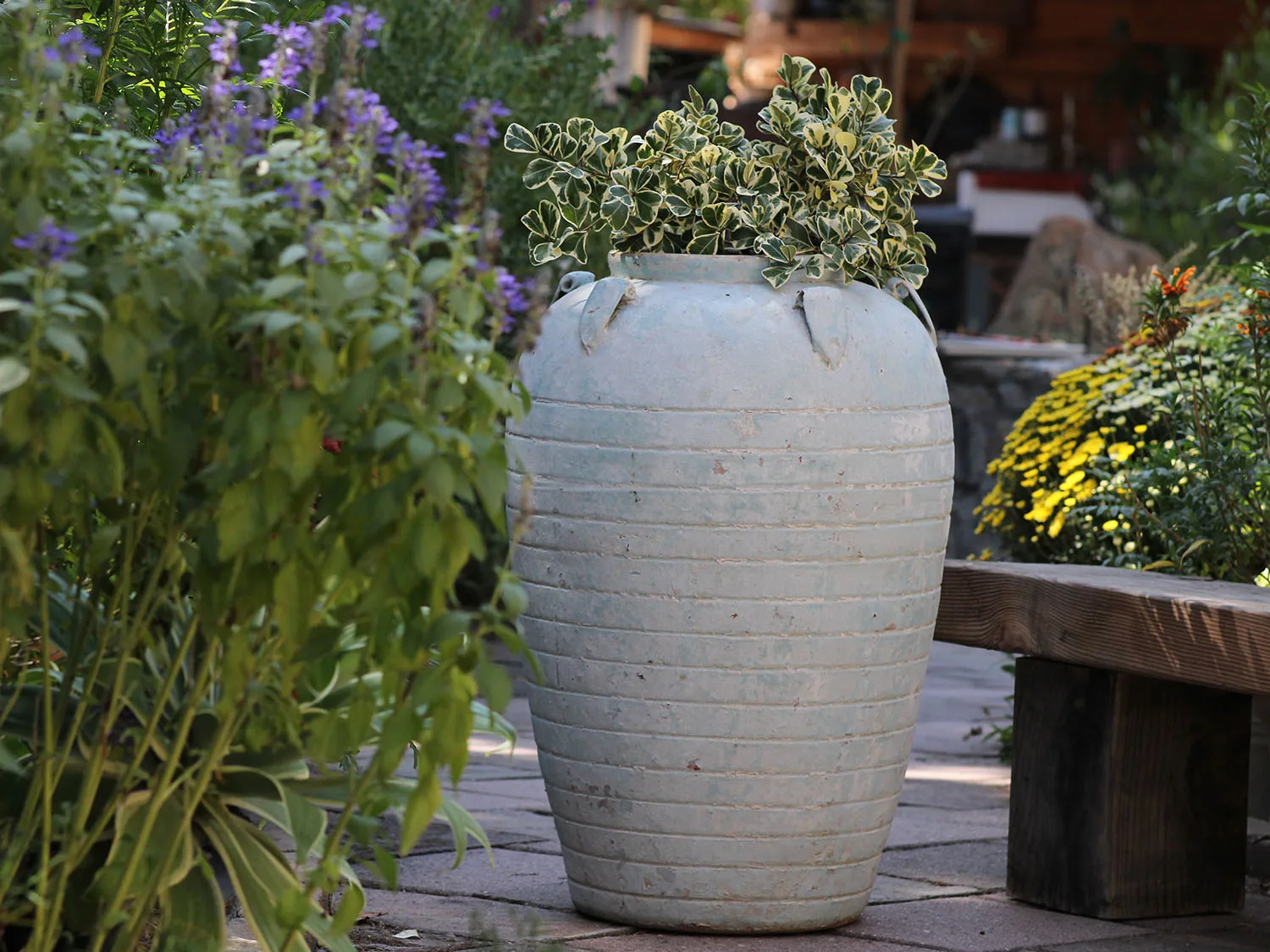
- Ancient Amphora Large Planter By Plantatorem: Shaped like an ancient Greek vessel with a distressed Atlantis Sky finish and grooved lines. Large planters like this hold more soil, so you'll use more Happy Frog. The aged look works for outdoor focal points where you want a rustic feel.
Happy Frog potting soil is a solid choice for most container plants, but the planter you pair it with matters just as much. Match the soil to your watering style and the pot to your space, and your plants will do the rest.