Water hardness is a hidden factor that can make or break your cleaning efforts. If you’ve ever noticed white, chalky residue on your glassware, stubborn spots on stainless steel sinks, or a gradual loss of shine on your cookware, hard water is likely the culprit. On the other hand, soft water—while gentle on appliances—can leave behind a slippery film and require different cleaning strategies. Understanding the difference between hard and soft water is essential for maintaining a spotless home and extending the life of your appliances.
In this article, we’ll explore how hard water and soft water affect everything from dishwashers to coffee makers, and we’ll share targeted cleaning tips and product recommendations—including the best stainless steel cleaner and cooktop cleaner—to keep your surfaces looking pristine. Whether you’re dealing with stubborn limescale or just want to optimize your cleaning routine, this guide will help you make smarter choices for your home.
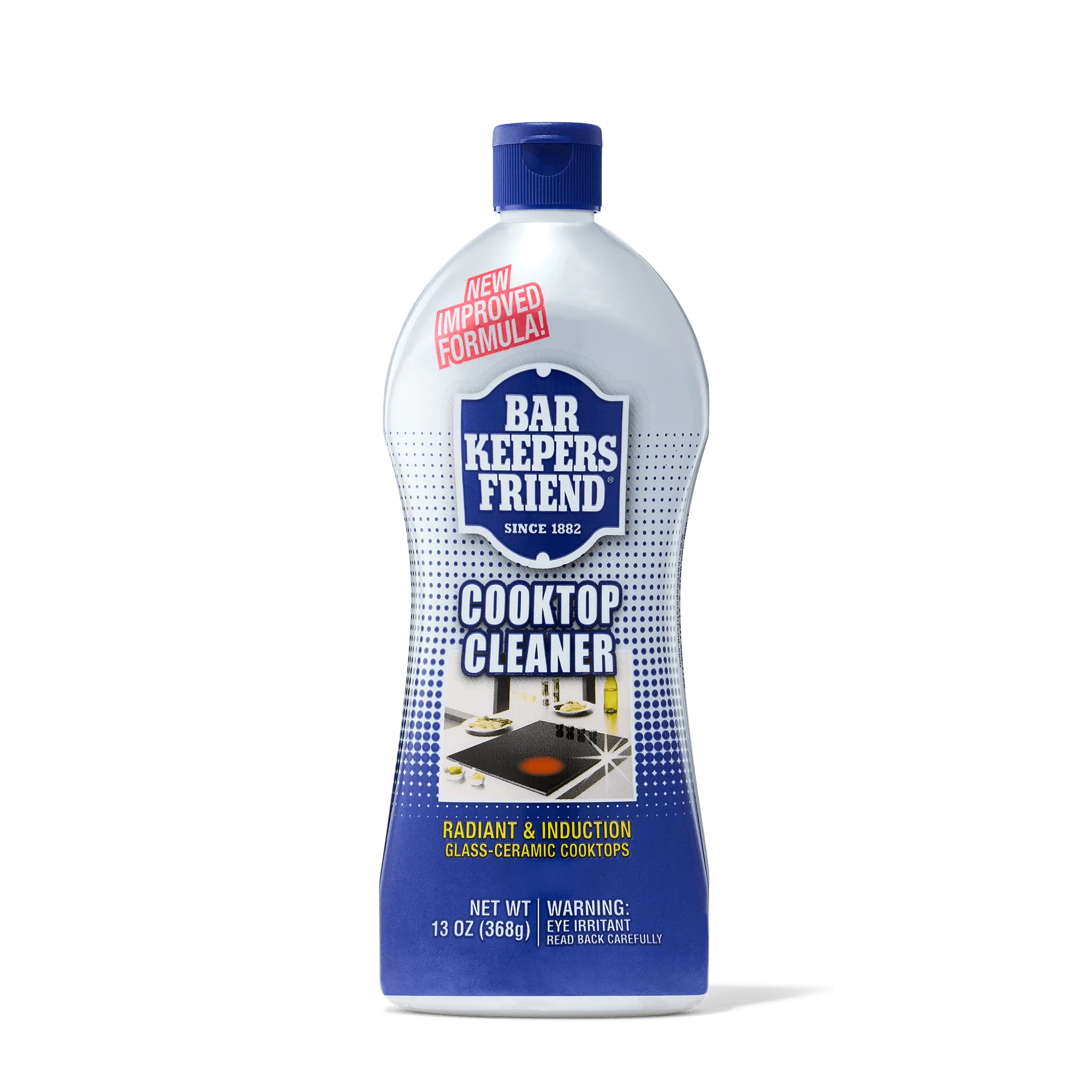
cooktop cleaner
What Is Hard Water and How Does It Affect Cleaning?
Hard water contains high levels of dissolved minerals, primarily calcium and magnesium. When hard water evaporates, these minerals are left behind as white, crusty deposits known as limescale or hard water stains. These stains are notoriously difficult to remove from surfaces like stainless steel, glass, and ceramic. Over time, limescale can build up inside appliances such as coffee makers, dishwashers, and washing machines, reducing efficiency and potentially causing costly damage.
Cleaning with hard water also makes soaps and detergents less effective. The minerals in hard water react with soap to form a sticky residue called soap scum, which clings to bathroom tiles, shower doors, and sinks. This means you often need to use more product to achieve the same level of cleanliness, and you may notice a dull film on your dishes or glassware. For stainless steel appliances, hard water spots can be particularly frustrating because they seem to reappear almost immediately after cleaning.
- Use a dedicated stainless steel cleaner to remove mineral deposits and restore shine without scratching.
- Regular descaling of coffee makers and kettles prevents limescale buildup and extends appliance life.
Soft Water: The Pros and Cons for Your Home
Soft water has had its calcium and magnesium ions removed—typically through a water softener system that exchanges them with sodium or potassium ions. The result is water that feels silky and lathers easily with soap. Soft water is a dream for cleaning because it doesn’t leave mineral spots on glassware or stainless steel, and it prevents soap scum from forming. Your dishes dry spot-free, your shower doors stay clearer longer, and your appliances are less likely to suffer from scale buildup.
However, soft water isn’t without its downsides. Some people find that soft water leaves a slightly slippery feeling on their skin, and it can make it harder to rinse soap completely, sometimes leaving a thin film on surfaces. Additionally, the sodium content in softened water may not be ideal for drinking or watering plants. For cleaning, you may need to adjust your detergent usage—less is often more with soft water, as excess suds can leave residues. Despite these minor drawbacks, soft water generally makes cleaning easier and reduces the need for harsh chemicals.
- With soft water, you can use milder cleaners and still achieve streak-free results on stainless steel.
- Check your coffee maker manual: soft water may require less frequent descaling, but it’s still important to clean regularly.
How Water Hardness Impacts Appliance Lifespan and Performance
The minerals in hard water are the number one enemy of household appliances. In coffee makers, limescale builds up inside the heating element and water lines, causing slower brewing times, reduced water flow, and eventually, complete failure if not addressed. Dishwashers and washing machines suffer similar fates—hard water scale can clog spray arms, coat heating elements, and lead to premature breakdowns. According to the U.S. Geological Survey, hard water can reduce the lifespan of water-using appliances by up to 50%.
Soft water, on the other hand, is gentle on appliances. Without mineral buildup, heating elements operate more efficiently, and moving parts face less friction. This can extend the life of your coffee maker, dishwasher, and water heater. However, soft water can be more corrosive to certain metals, such as copper and brass, due to its higher sodium content and lower pH. It’s a trade-off: soft water prevents scale but may require monitoring for metal components. For most modern appliances, the benefits of soft water far outweigh the risks, especially when paired with regular maintenance.
- Descaling your coffee maker every 1-3 months with a dedicated descaler prevents hard water damage.
- For dishwashers, use a rinse aid to help combat hard water spots and improve drying.
The Best Cleaning Products for Hard Water Stains and Soft Water Residues
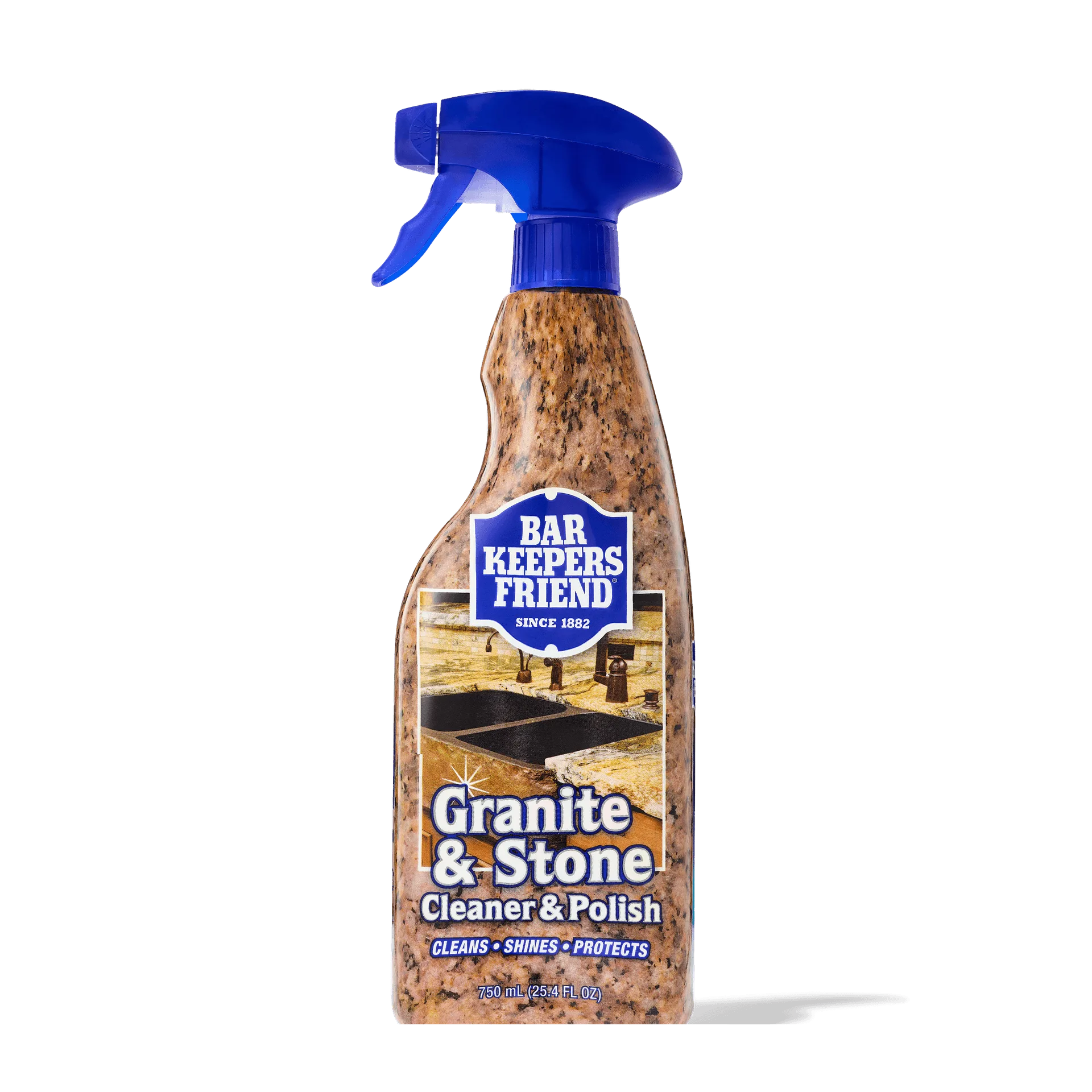
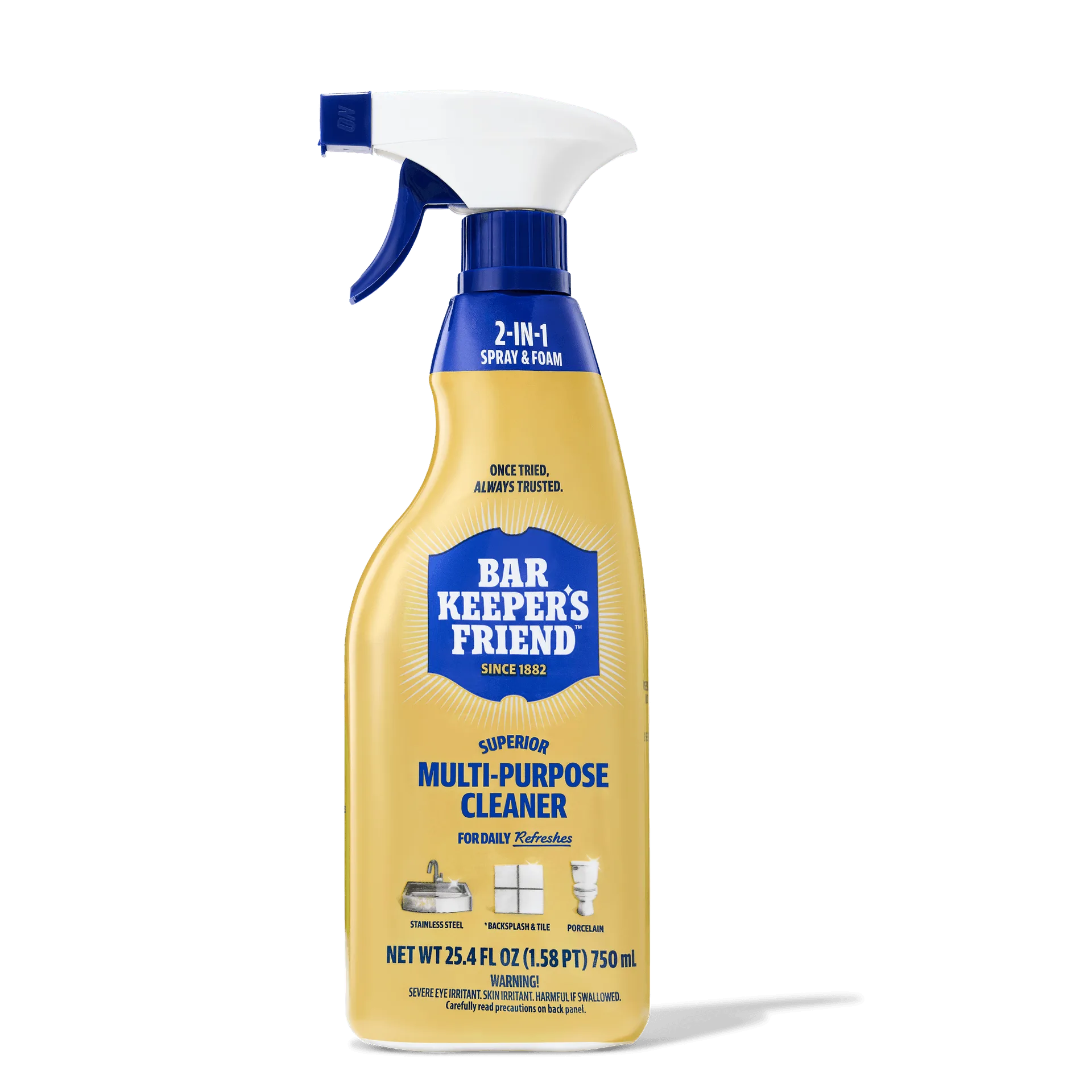
No matter your water type, the right cleaning products can make all the difference. For hard water stains on stainless steel sinks, cookware, and appliances, a specialized cleaner like the Stainless Steel Cleaner & Polish is formulated to dissolve mineral deposits and restore a brilliant shine without scratching. It works by lifting the calcium and magnesium residues that ordinary cleaners leave behind, giving your surfaces a factory-fresh look. For glass cooktops and ceramic stoves, a dedicated Cooktop Cleaner can tackle burnt-on food and hard water spots safely.
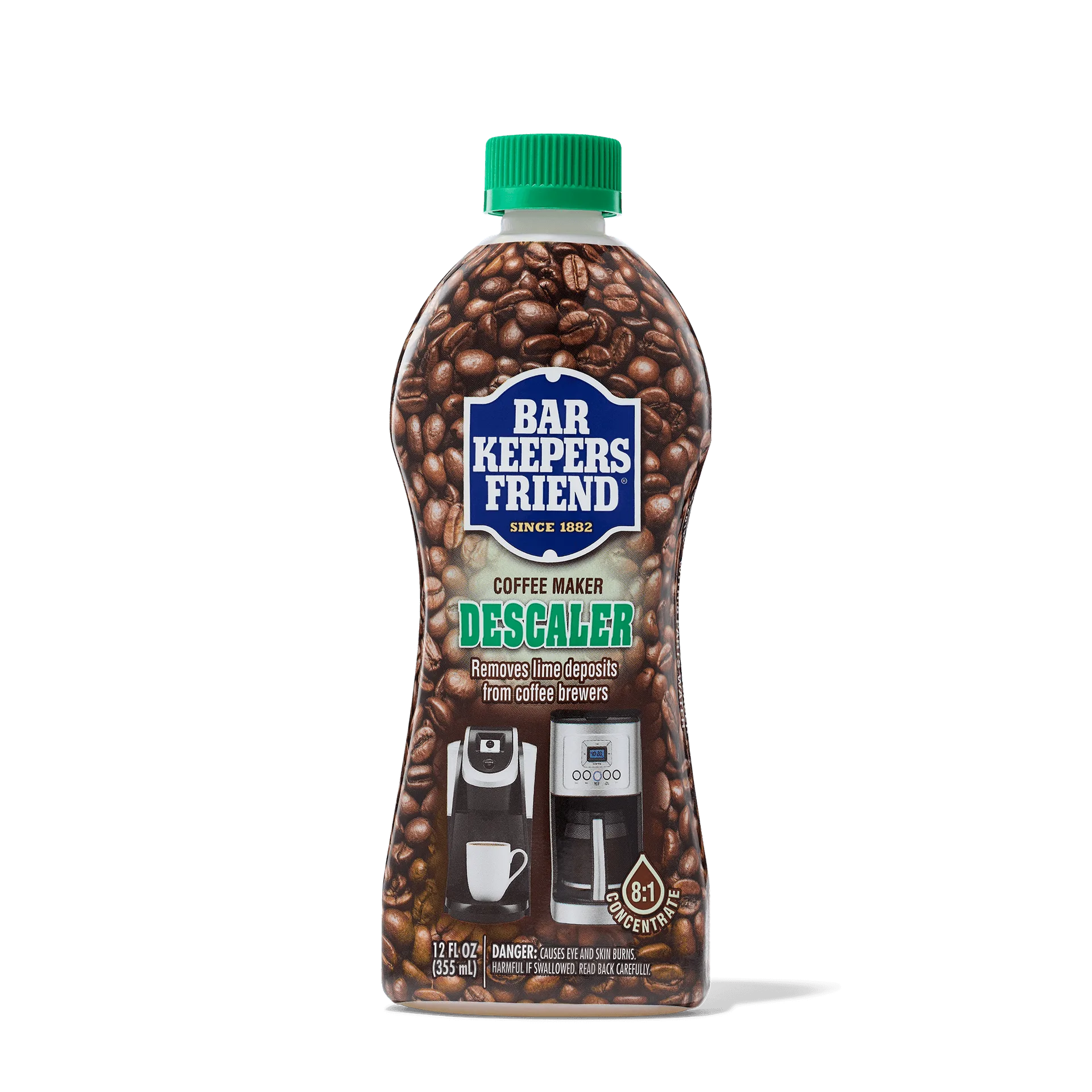
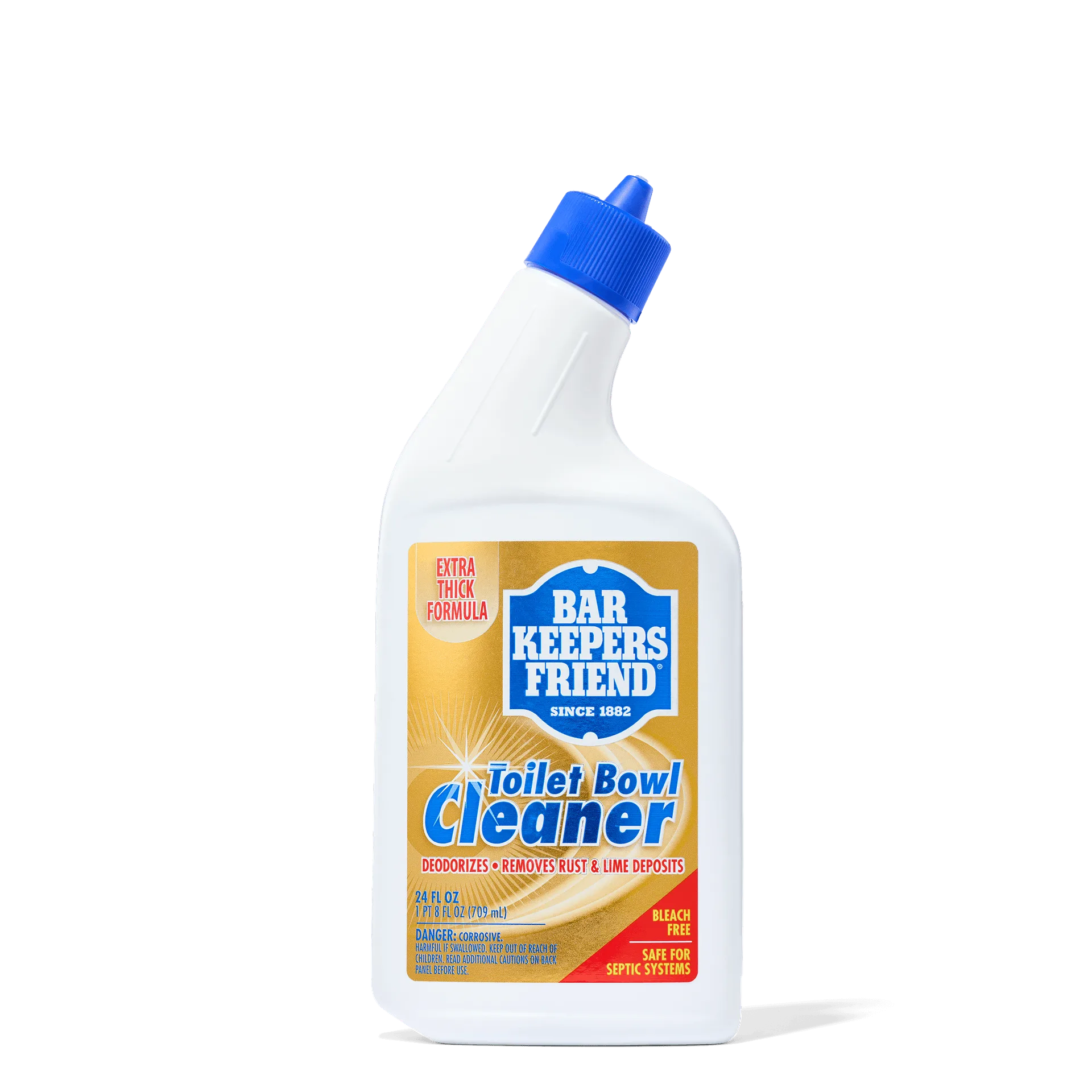
If you have soft water, you may find that your surfaces are easier to maintain but still require regular polishing to avoid a dull film. The Cookware Cleanser & Polish is an excellent choice for removing light residue and restoring the original luster of stainless steel pots and pans. For bathroom fixtures, a gentle cleaner like the Soft Cleanser can remove soap scum and water marks without harsh abrasives. And don’t forget about your coffee maker—using a Coffee Maker Descaler regularly ensures that even soft water doesn’t leave behind hidden deposits that affect taste.
- Always test a new cleaner on a small, inconspicuous area first to ensure compatibility with your surface.
- For tough hard water stains, let the cleaner sit for a few minutes before wiping to allow it to break down minerals.
Practical Tips for Adapting Your Cleaning Routine to Your Water Type
Adapting your cleaning routine to your water hardness can save time, money, and frustration. If you have hard water, invest in a water softener system or use a showerhead filter to reduce mineral content. Wipe down stainless steel surfaces immediately after they get wet to prevent spots from forming. Use distilled water in your coffee maker and iron to avoid scale buildup. For cleaning, choose products specifically designed to combat hard water stains, such as those containing citric acid or oxalic acid.
If you have soft water, you can use less detergent and cleaning product overall. Rinse surfaces thoroughly to avoid soap film, and consider using a squeegee on glass shower doors to prevent water spots. Polishing stainless steel with a microfiber cloth after cleaning will help maintain its shine. Regardless of your water type, regular maintenance is key. A weekly wipe-down of appliances and a monthly descaling of coffee makers will keep everything running smoothly and looking its best.
- Keep a microfiber cloth handy to dry stainless steel after every use—prevention is easier than removal.
- For coffee makers, run a descaling cycle with the Coffee Maker Descaler every 3 months, even with soft water.
Understanding your water hardness is the first step toward a more effective cleaning routine and longer-lasting appliances. Whether you're battling hard water stains or adjusting to soft water's unique quirks, the right products make all the difference. Explore our selection of specialized cleaners—including the Stainless Steel Cleaner & Polish—to keep your home sparkling and your appliances performing at their best. Visit Bar Keeper's Friend today to find the perfect solution for your water type.