Quick Answer
A hardware grab bag is worth it if you want a low-cost way to stock up on versatile metal hardware for bag making, but you should check the contents against your project needs before buying.
What to Expect in a Hardware Grab Bag
Hardware grab bags typically include a mix of metal findings like D-rings, O-rings, swivel clips, and sometimes buckles or rivets. The exact contents vary by seller, so it's a bit of a surprise—but that's part of the appeal for makers who like experimenting.
For example, 3/4" metal D-rings are a common inclusion because they're so versatile. They create junction points where two leather straps connect, and they can be used inside or outside a bag as a place to clip keys. If your grab bag includes these, you'll have a reliable component for strap attachments.
Why Metal Hardware Matters for Bag Making
Metal hardware adds function and durability to bags. D-rings and O-rings provide strong attachment points for straps, while swivel clips make it easy to add or remove accessories. Choosing the right size is critical: a 3/4" D-ring is designed to fit a 3/4" wide leather strap, so mixing sizes can lead to loose or tight fits.
If you're new to bag making, a grab bag can help you learn which hardware works best for different applications without buying large quantities of each item. It's a low-commitment way to build a small stash.
Trade-Offs to Consider
The main trade-off is unpredictability: you might receive pieces you don't immediately need, and you might not get enough of a specific hardware type for a full project. If you're working on a specific design, buying exactly what you need (like a pack of 4 D-rings) is more efficient.
Also, grab bags may include seconds or discontinued styles. That's fine for practice or personal use, but if you're making bags to sell, you'll want consistent, high-quality hardware from a known source.
Decision Rules for Hardware Grab Bags
- Check the listed contents: Before buying, read the product description carefully. If the seller lists the included items, match them against your current project needs. If not, assume you'll get a random mix and plan accordingly. If the contents aren't listed, ask the seller or look for customer photos to get a better idea.
- Match hardware size to your strap width: Use D-rings and O-rings that match your strap width. For example, a 3/4" D-ring fits a 3/4" strap. Using mismatched sizes can cause slipping or difficulty threading. Measure your straps before you buy hardware, and keep a small ruler in your sewing kit.
- Compare cost per piece: Calculate the cost per piece in the grab bag versus buying individual packs. If the grab bag costs more per useful piece, it's not a bargain. For instance, a pack of 4 D-rings at $2.42 gives you a clear baseline. Keep a simple spreadsheet of hardware prices to spot good deals.
- Decide based on your project stage: If you're experimenting or prototyping, a grab bag is great. If you're making a final product or selling bags, buy exact hardware to ensure quality and consistency. For production work, always order extra of the exact hardware you use most.
Product Spotlight
-
3/4" Metal D-Rings: These 3/4" metal D-rings are designed to fit a 3/4" wide leather strap and are sold in packs of 4. Having a pack on hand means you can create secure strap junction points or key clips without running to the store mid-project.
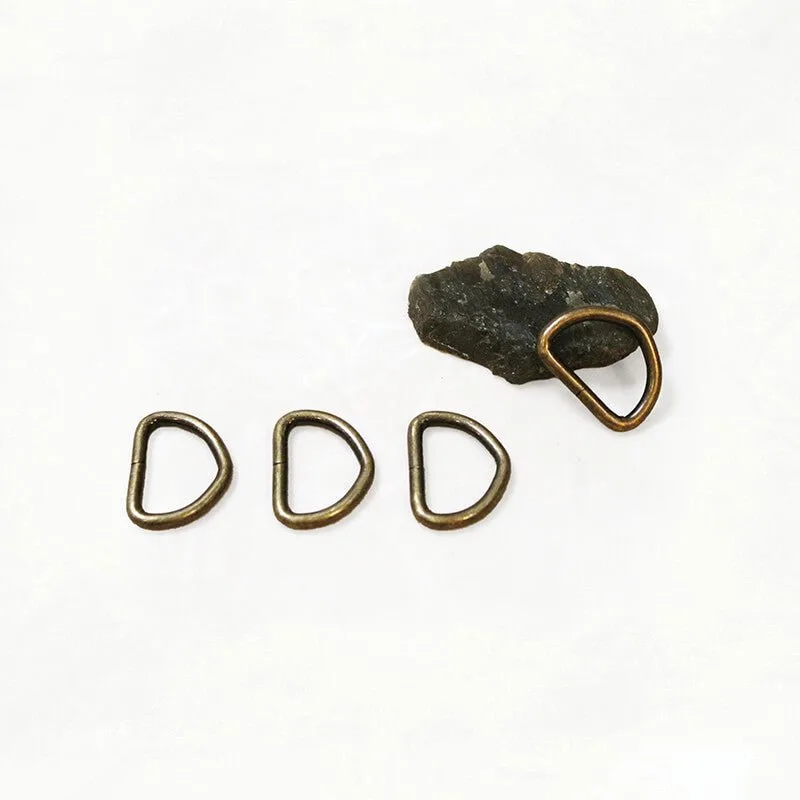
3/4" Metal D-Rings
Who Should Buy a Hardware Grab Bag?
Best for
- Beginners who want to explore different hardware types without a big investment
- Makers who enjoy improvisation and don't mind a random assortment
- Those who need a few extra D-rings or clips for small projects
Not for
- Sewists who need exact quantities of specific hardware for a production run
- Anyone with a strict design spec that requires matching finishes or sizes