Quick answer
Measure your waist at the narrowest point, your hips at the widest, and your torso length from shoulder to waist, then compare those numbers to the harness size chart rather than your pants size. If any measurement lands between sizes, choose the larger size when the harness offers adjustable straps, because a harness that is too small will dig in and ride up. Prioritize strap adjustability over a perfect single-size match, especially if your weight or training volume changes through the year.
Why harness sizing is not the same as pants sizing
Pants sizing is built around your waist and inseam, but a harness has to stay anchored across your waist, hips, and sometimes your thighs while you move. That means the circumference numbers matter less than how the straps distribute tension. A harness that measures correctly at the waist can still pull uncomfortably if the hip or torso strap is too short, and a harness that feels fine standing still can shift the moment you lift your arms or sit down.
The practical fix is to treat the size chart as a starting point and the strap adjustment range as the real fit mechanism. Before you buy, check whether the harness lists a minimum and maximum strap length or only a single size label. If only a size label is listed, that is a decision limitation: you will need to rely on the brand's measurement guidance and a return policy rather than a guaranteed adjustment range.
How to measure for a harness in three steps
Use a soft measuring tape and wear the underwear or base layer you plan to wear under the harness. Measure your waist at the narrowest point, usually just above the navel, keeping the tape level and snug but not compressing. Measure your hips at the widest point of your seat, then measure your torso length from the top of your shoulder down to your natural waist. Write all three numbers down before you open any size chart.
If you are between sizes on the chart, go up rather than down. A harness with adjustable straps can be tightened, but a harness that is too small cannot be stretched, and the pressure points will show up first at the waist and under the arms. Re-measure once in the morning and once in the evening if you are close to a size boundary, because body circumference can shift slightly through the day.
Adjustable harness vs fixed-size harness: what to trade off
An adjustable harness gives you a wider usable range and is the safer choice if you are buying online or if your measurements sit near a boundary. The trade-off is more hardware and strap ends, which can add bulk under clothing and take a few extra seconds to dial in. A fixed-size harness can feel cleaner and lighter, but it only works if your measurements land comfortably inside the chart's range.
For a first purchase, choose adjustable straps at the waist and hips, and check whether the harness uses buckles, slides, or hook-and-loop closures. Buckles hold position well under load but can be bulky; slides are lower profile but need to be threaded correctly; hook-and-loop is quick to adjust but can loosen over time if the strap is not kept clean. None of these is universally better, so match the closure to how often you expect to adjust the fit.
Harness strap fit: how it should feel when you move
A correctly fitted harness should feel secure without leaving deep marks. You should be able to slide one flat finger under each main strap. Test the fit by raising your arms overhead, sitting down, and twisting your torso; if the waist strap climbs toward your ribs or the hip strap drops, the harness is either too loose or the strap geometry does not match your proportions.
Strap width also affects comfort. Wider straps spread pressure over a larger area, which helps during longer wear, while narrower straps feel less restrictive but can concentrate pressure. If you plan to wear the harness under clothing, look for flat seams and low-profile hardware so the straps do not show through.
Using a harness size chart without guessing
A harness size chart is only useful if you measure the same way the brand measured. Check whether the chart refers to waist circumference, hip circumference, or both, and whether it lists a range or a single number. If the chart lists a range, your measurement should sit at least one inch inside the range at both ends for a comfortable fit.
When the chart is ambiguous, look for a product page that states the adjustment range or the intended use. If that information is missing, treat it as a decision limitation and either contact the brand or choose a different harness with clearer sizing data. Do not assume that your usual underwear size will translate directly, because harness straps are anchored differently than a waistband.
Decision rules for buying a harness
- If your waist measurement is between two sizes: Choose the larger size when the harness has adjustable straps, and confirm the strap range covers your measurement at both ends. A larger adjustable harness can be tightened; a smaller fixed harness cannot be stretched.
- If you will wear the harness under clothing: Prioritize flat seams, low-profile buckles or slides, and strap widths that sit flush against the body. Hardware bulk is the most common reason a harness shows through a shirt.
- If your weight or training volume changes often: Choose an adjustable harness with a wide strap range rather than a fixed-size harness that only fits one measurement window. Adjustability is the feature that keeps the fit consistent across changes.
- If the size chart only lists a single size label: Treat the missing measurement range as a decision limitation and look for a product page that states waist and hip ranges or adjustment limits. Without a range, you are guessing; ask the brand or choose a clearer listing.
Product facts that help with harness fit
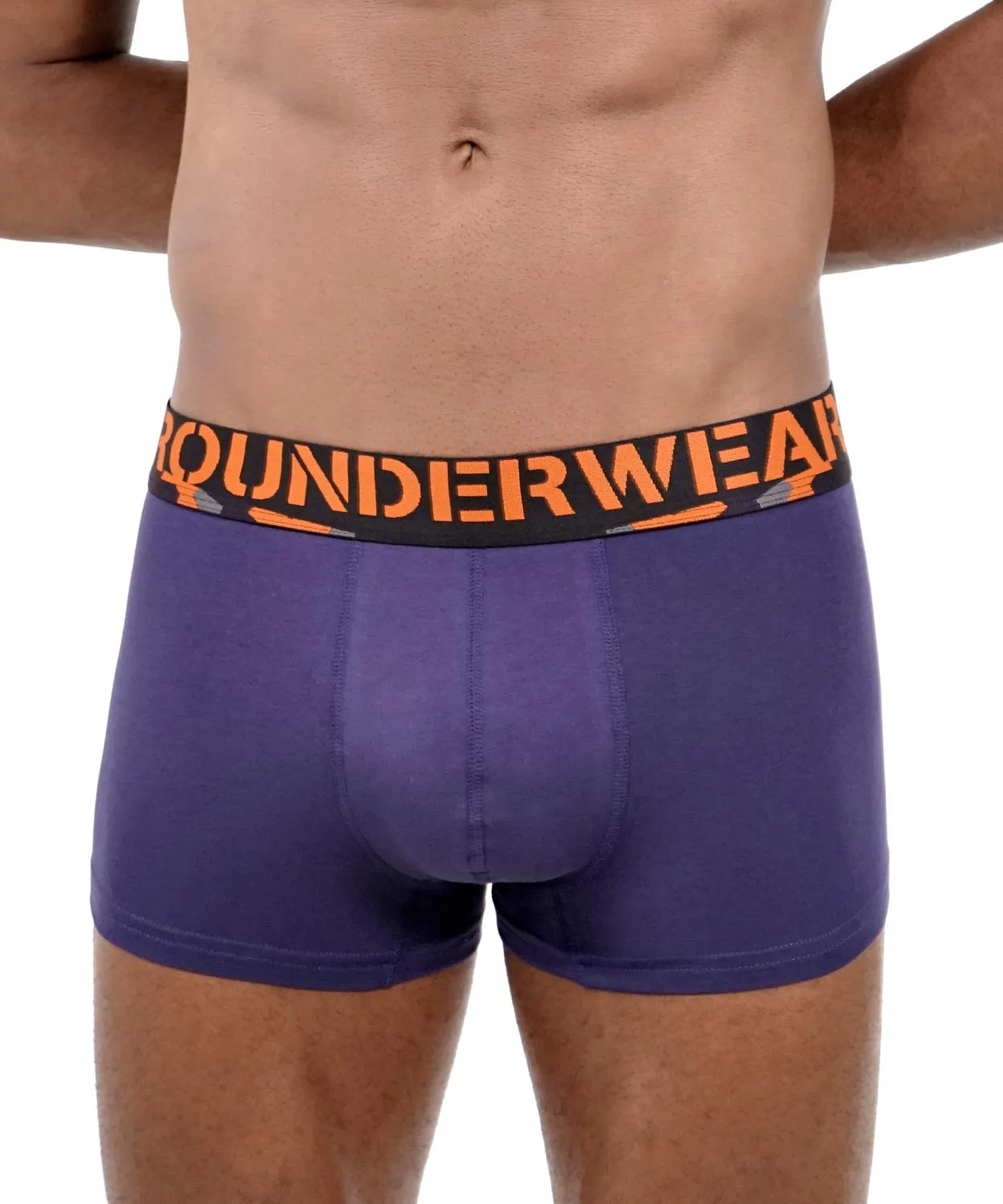
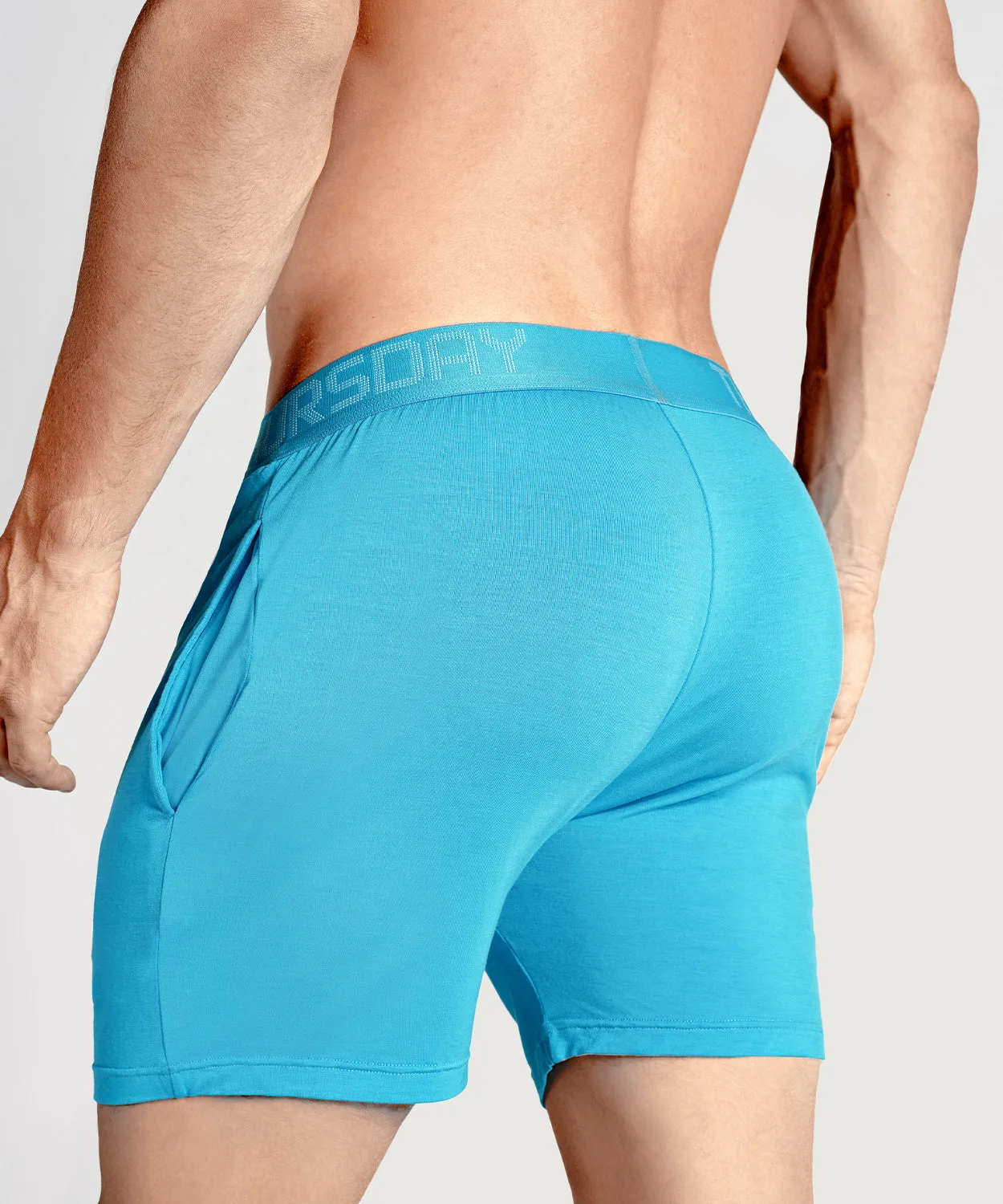
- Anatomic Mini Trunk: Its patented design is anatomically correct so your crown jewels can hang comfortably, with a V-shaped seam that defines your gluteus. If you wear a trunk as a base layer under a harness, an anatomical pouch and seam placement reduce pressure points where straps cross the hip.
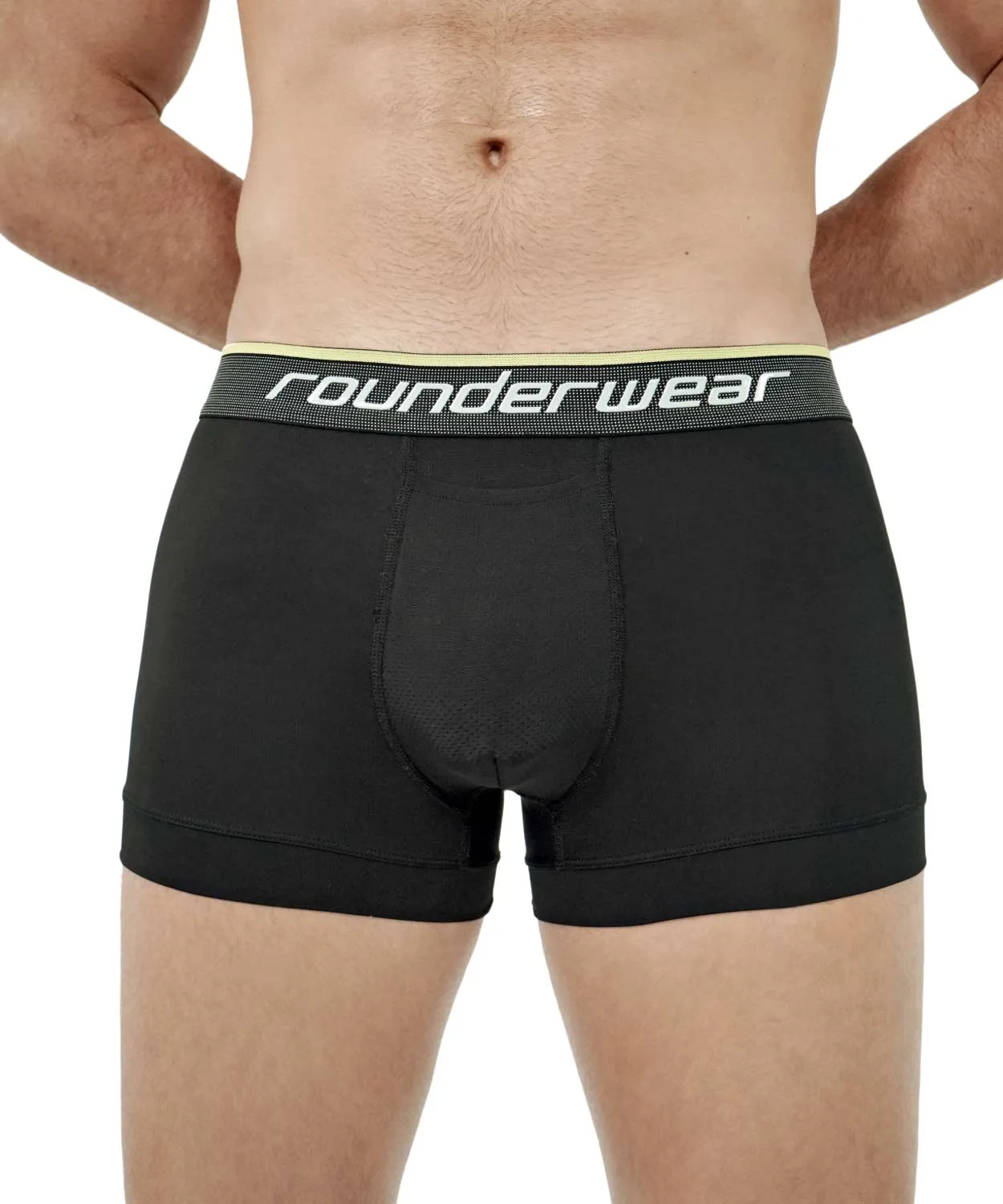
- Basic Padded Boxer Trunk: Our original design gives more gluteal volume and definition, adapting to every body shape, and can be used as everyday underwear, for extreme sports, or for sitting for long periods. A padded trunk can change your hip and seat circumference, so measure for your harness while wearing the base layer you actually plan to use.
Who this harness sizing approach is for
Best for
- First-time harness buyers who want to order the right size online
- Anyone whose measurements fall near a size boundary and needs an adjustable harness
- Men who wear a trunk or brief base layer under a harness and want to avoid pressure points
Not for
- Buyers who already know their exact fixed-size harness measurements and prefer minimal hardware
- Anyone looking for a fashion-only harness with no load-bearing or adjustment requirements