Harness vs Collar: When Safety Means Different Things
The question of whether a harness or a collar is safer for your dog doesn't have a single answer. It depends on your dog's size, behavior, and the kind of walks you take. A harness can offer better control and reduce strain on the neck, while a collar is simpler and often sufficient for calm, well-trained dogs. The key is matching the gear to your dog's specific needs, not picking a universal "safest" option.
Both options from Weatherproof luxury for dogs are built with waterproof materials and solid brass hardware, so durability and weather resistance are consistent across the choice. The real safety differences come down to design and fit.
What the Waterproof Jellies Harness Offers for Safety
-
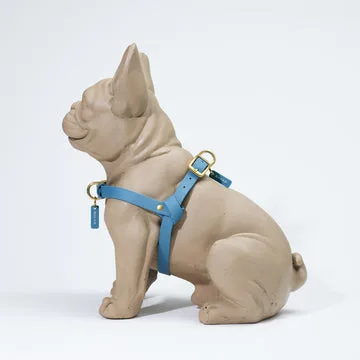
Waterproof Jellies Harness - Storm: The Ultimate Dog Harness — Where Performance Meets Comfort. Built from high-quality, waterproof materials, it's fully washable, incredibly durable, and thoughtfully engineered to be gentle on your dog’s fur and skin — no rubbing, no irritation. A harness that doesn't rub or irritate reduces the risk of skin issues during daily wear, especially for dogs with sensitive skin or short coats.
Waterproof Jellies Harness - Storm
-
Waterproof Jellies Harness - Storm: With both a front clip and back clip, you can choose the leash placement that best suits your walk—whether you’re focusing on training or enjoying a casual stroll. The anti-pull design offers added control without compromising your dog’s comfort. The front clip helps discourage pulling without choking, which is a major safety advantage for strong or excitable dogs. The back clip is convenient for loose-leash walks.
When a Harness Is the Safer Choice
A harness is generally safer for dogs that pull on the leash, have respiratory issues, or are prone to escaping a collar. The Waterproof Jellies Harness - Storm distributes pressure across the chest and back rather than concentrating it on the neck. This reduces the risk of tracheal injury or coughing, especially in small breeds like Chihuahuas or Pugs.
The step-in style is easier to put on dogs that dislike having things pulled over their head, which can make walks less stressful. The flexible structure is designed to fit traditionally tricky body types, so it stays secure without being too tight. The anti-pull design gives you added control if your dog lunges or pulls suddenly.
What the Waterproof Jellies Collar Brings to the Table
-
Waterproof Jellies Collar - Storm: The Everyday Collar – Waterproof, Comfortable, Built to Last. Made from durable, waterproof materials, this collar resists dirt, odor, and moisture, and is fully washable for effortless upkeep. Soft and flexible with a smooth finish, it's gentle on your dog’s fur and skin, preventing rubbing or irritation during everyday wear. A well-made collar that doesn't chafe is safe for everyday use on calm dogs that don't pull. The waterproof and washable design means it stays clean and odor-free even after wet walks.
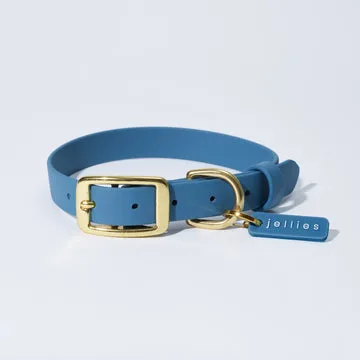
Waterproof Jellies Collar - Storm
-
Waterproof Jellies Collar - Storm: Finished with solid brass equestrian hardware, it delivers both strength and sophistication, aging beautifully over time while standing up to daily use. Strong hardware reduces the chance of the collar breaking or unbuckling during a walk, which is a basic safety requirement.
When a Collar Is a Practical and Safe Option
For dogs that walk calmly on a loose leash and have no neck or breathing issues, a collar is perfectly safe and often more convenient. The Waterproof Jellies Collar - Storm is lightweight, soft, and flexible, so it won't interfere with a dog's natural movement. It's ideal for quick trips, potty breaks, or dogs that don't pull.
However, the supplied information does not confirm that the collar has a breakaway feature or any specific anti-pull design. For dogs that lunge or pull hard, a collar can pose a risk of neck injury or escape. In those cases, the harness is the safer alternative.
Harness vs Collar: Key Safety Differences at a Glance
- Pressure distribution: Harness: Across chest and back, reducing neck strain. Collar: Concentrated on the neck, which can be risky for pullers or small breeds.
- Control on walks: Harness: Front and back clips allow training and anti-pull control. Collar: Standard attachment point; limited control for strong dogs.
- Ease of use: Harness: Step-in style may take a moment to learn but is great for dogs that dislike over-the-head gear. Collar: Quick to put on and remove.
- Comfort and fit: Harness: Flexible structure for tricky body types; fully adjustable. Collar: Soft and smooth, gentle on fur and skin; size options from XS to XL.
- Durability and weather resistance: Both: Waterproof, washable, solid brass hardware. No difference in material quality.
Making Your Decision: Harness, Collar, or Both?
If your dog pulls, has a delicate neck, or you want maximum control for training, the Waterproof Jellies Harness - Storm is the safer choice. If your dog walks calmly and you prefer simplicity, the Waterproof Jellies Collar - Storm is a reliable everyday option. Many owners use both: a harness for walks and a collar for ID tags. The supplied information does not cover whether one option is safer for specific medical conditions, so consult your veterinarian for dogs with known health issues.
Whichever you choose, ensure a proper fit. The harness is available in sizes from XXXS to XL, and the collar from XS to XL. Check the sizing guides and measure your dog before ordering.