Why decaf flavored coffee often tastes weak
Decaf coffee can seem milder than regular coffee, and flavored decaf adds another layer where the hazelnut note may not come through as strongly as you expect. The cause is usually not a defect in the pod. It is a combination of how decaffeination affects the bean, how much flavoring is present, and how you brew and serve the cup.
The good news: you can often improve the cup without changing equipment. Start by tasting the coffee black before adding milk or sweetener. If the hazelnut is faint, adjust one variable at a time—brew size, water temperature if your brewer allows it, or serving style—rather than changing everything at once.
Practical adjustments that can make decaf flavored pods taste better
These tips apply to most flavored decaf pods, including Brooklyn Beans Hazelnut Decaf. They focus on what you can control at home.
- Brew a smaller cup: If your brewer lets you choose a brew size, a smaller setting concentrates the coffee and flavor. A larger cup dilutes both. Try the smallest size your brewer offers for that pod and taste before adding anything.
- Drink it black first: Milk, cream, and sugar can mask a delicate hazelnut note. Taste the black coffee to judge the flavor, then add dairy or sweetener gradually so you don't bury it.
- Check your water: If your tap water tastes strongly of chlorine or minerals, that can flatten any coffee's flavor. Filtered water is a simple upgrade that helps flavored and unflavored pods alike.
- Keep pods sealed until brewing: Flavored pods can lose aroma over time. Store them in a cool, dry place and keep the box closed. Don't transfer them to an open jar where they can pick up odors from the kitchen.
- Clean your brewer: Residue from previous pods can carry stale or burnt notes into a delicate decaf. Follow your brewer's cleaning instructions regularly, especially if you brew dark or flavored coffees often.
- Try it iced: Chilling can mute aromas, so if you make iced coffee, brew a smaller, stronger cup first and pour it over ice. Add milk after brewing, not before, so you can taste the hazelnut before diluting.
What to expect from Brooklyn Beans Hazelnut Decaf
Brooklyn Beans Hazelnut Decaf Coffee Pods use 100% Arabica beans and are described as slightly sweet and nutty with a light roast and roasted nut flavor notes. The pods are compatible with Keurig K-Cup brewers, including 2.0, and come in a 40-count size. The brand states the coffee is gluten free, peanut free, and certified OU kosher.
That description sets expectations: this is a light-roast decaf with a nutty flavor, not an intense dark roast. If you are used to strong regular coffee, the lighter body and decaf base may read as subtle. Adjusting your brew size and tasting black first are the most direct ways to decide whether the flavor level suits you.
Product facts for this decision
-
Brooklyn Beans Hazelnut Decaf Coffee Pods: Hazelnut Decaffeinated Coffee Pod - 100% Arabica coffee beans Arabica beans are the base; the decaf process and light roast shape the milder flavor you may notice.
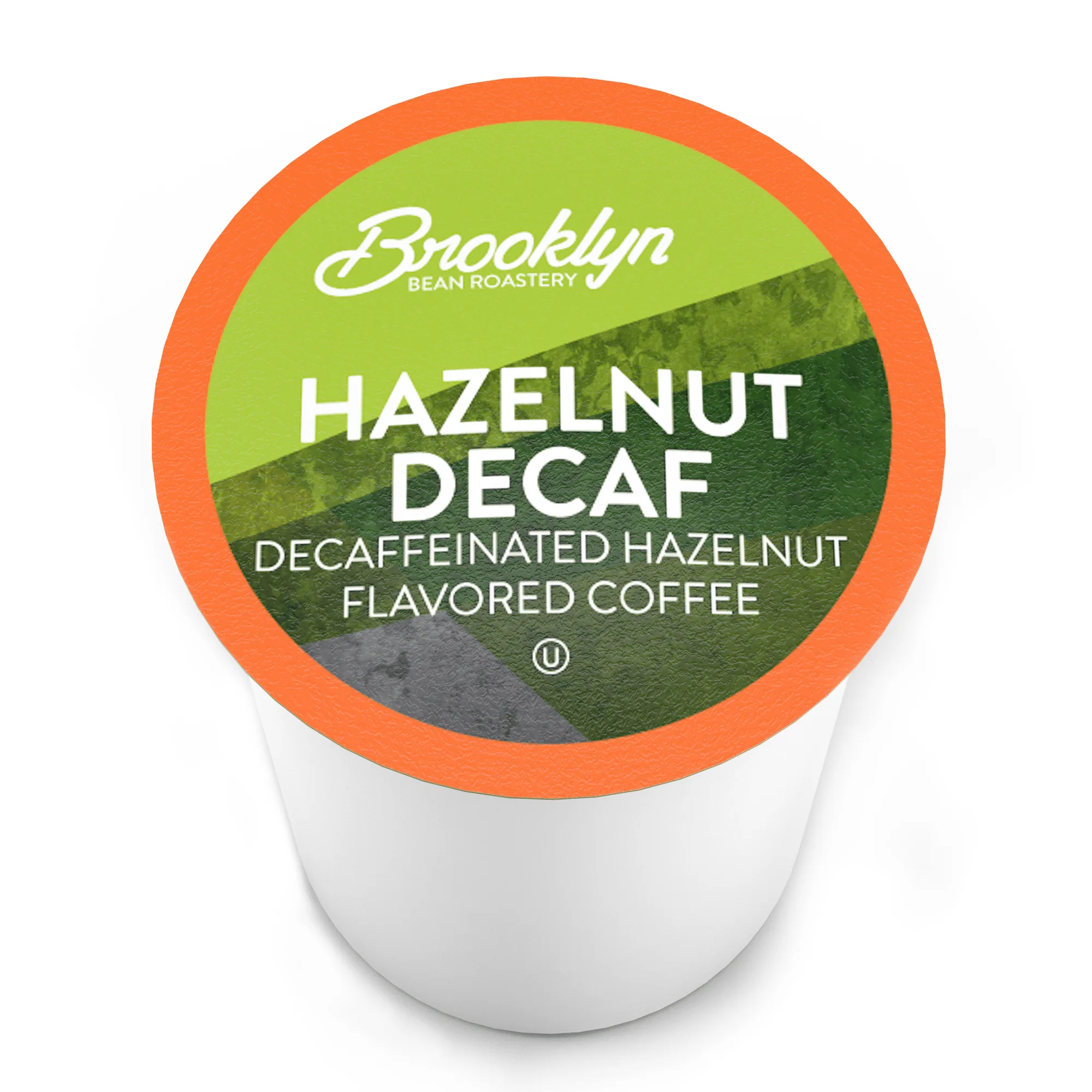
Brooklyn Beans Hazelnut Decaf Coffee Pods
-
Brooklyn Beans Hazelnut Decaf Coffee Pods: Brooklyn Bean Roastery coffee pods are compatible with Keurig k-cup brewers, including 2.0. Confirms brewer compatibility so you can focus on brew-size adjustments rather than hardware mismatch.
-
Brooklyn Beans Hazelnut Decaf Coffee Pods: Allergen information: Gluten free, Peanut free, Certified OU kosher Useful if you are choosing a flavored decaf for a household with gluten or peanut concerns, though always check the package for the most current allergen statement.
-
Brooklyn Beans Hazelnut Decaf Coffee Pods: Flavor notes: Roasted Nut; Roast: Light Explains the intended flavor profile—nutty and light—so you can judge whether a weak-tasting cup is a brewing issue or simply a lighter style than you prefer.
When the problem is the pod, not your method
If you have tried a smaller brew, filtered water, and a clean brewer, and the hazelnut flavor still seems faint, the issue may be your expectations rather than your technique. Light-roast decaf flavored coffee is designed to be milder than a regular dark roast. Some drinkers find that adding a little sweetener or a dash of milk brings out the nutty note; others prefer it black.
Also consider that flavor perception varies. What tastes weak to one person may taste balanced to another. If you want a stronger hazelnut punch, you may prefer a regular (caffeinated) hazelnut coffee or a dark-roast flavored decaf. Brooklyn Beans Hazelnut Decaf is a good fit if you want a gentle, nutty decaf for evenings or sensitive stomachs.
Simple checklist before you blame the pod
Run through these steps in order. Each one is easy to reverse, so you can isolate what actually helped.
- Taste black, small brew: Brew the smallest size your brewer allows and taste without additions. This gives you a baseline for the pod's flavor.
- Try filtered water: If your tap water is hard or heavily chlorinated, switch to filtered for one cup and compare.
- Clean the brewer: Run a cleaning cycle according to your brewer's manual if you haven't done so recently.
- Add milk or sweetener gradually: Stir in a small amount at a time and taste after each addition so you don't overshoot and mask the hazelnut.
- Store pods properly: Keep the box sealed in a cool, dry place away from strong odors. Use pods within a reasonable time after opening.