Quick answer
For short runs, a basic Certified HDMI cable delivers the same picture as a premium one. Picture quality problems almost always come from signal dropouts, not from the cable magically changing colors or contrast. If you see sparkles, blanking, or handshake failures, the fix is a better-built cable for your distance and environment—not a more expensive one for its own sake.
Why digital signals don't degrade like analog ones
HDMI carries digital data. In a properly functioning link, the bits arrive intact and the display reconstructs the exact image that left the source. There is no gradual softening or color shift as you move up the cable price ladder. When a digital signal fails, it fails visibly: you get sparkles, brief black screens, or a complete loss of sync. That binary behavior is why two working cables can look identical, and why a failing cable can look dramatically worse.
What actually affects HDMI signal quality
Three things matter: cable length, the electrical environment around the cable, and the quality of the connectors and shielding. Longer runs attenuate high-frequency data, especially for 4K and 8K resolutions. Nearby power cables, Wi-Fi routers, and other electronics can induce noise that corrupts the signal. A cable with better shielding and solid connectors resists that interference. None of these factors change the color palette or contrast of a working connection—they determine whether the connection works reliably at all.
When spending more on an HDMI cable makes sense
Spending more is justified when you need a longer run, when you route cables near heavy electrical interference, or when you want a cable that will survive repeated plugging and tight bends. For a 3-foot run between a streaming stick and a TV, a premium cable is unnecessary. For a 25-foot run through a wall near power lines, a well-shielded cable is a practical necessity. The goal is reliable data transfer, not a subjective upgrade in image quality.
Practical tips to protect your HDMI signal
Keep HDMI cables away from power cords and power supplies when possible. Avoid sharp bends and tight zip ties that stress the connector. Use the shortest cable that comfortably reaches your devices. If you must run a long distance, consider an active optical HDMI cable, which converts the signal to light and back, avoiding the attenuation problems of copper. Finally, check that your source and display agree on resolution and refresh rate; a mismatch can cause more picture issues than any cable swap.
Myth verdicts
- Myth: Expensive HDMI cables always improve picture quality: A working digital cable delivers the exact same image regardless of price. Price buys durability, length capability, and interference resistance—not better colors or contrast. Verdict: False. Buy for reliability, not for a picture upgrade.
- Myth: Any HDMI cable works fine for every setup: Short runs in clean environments are forgiving. Long runs, high resolutions, and electrically noisy spaces demand better shielding and construction to avoid dropouts. Verdict: False. Match the cable to your distance and environment.
- Myth: If the picture looks good, the cable is perfect: Intermittent sparkles or brief black screens can indicate a marginal cable that works most of the time. These glitches often worsen as resolution or refresh rate increases. Verdict: Misleading. Watch for intermittent errors—they signal a cable that needs replacing.
Product facts
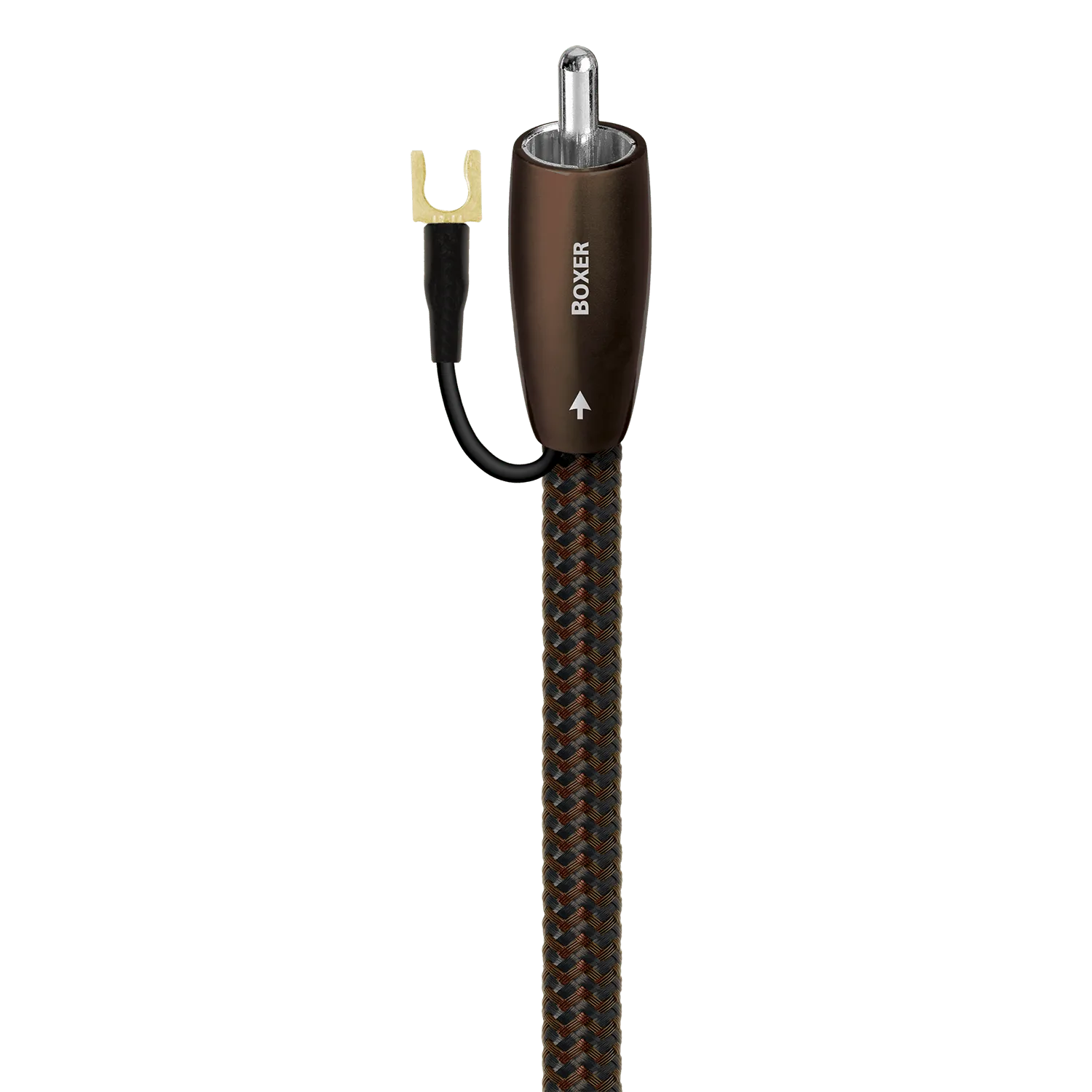
- Boxer RCA Factory Certified Refurbished: Solid 1.25% Silver-Plated Copper Conductors: A superbly cost-effective way to turn up the “sharpness” for a subwoofer, enhancing articulation and intelligibility. While designed for subwoofer cables, the principle of high-purity conductors reducing signal loss applies broadly. For HDMI, it reinforces that conductor quality matters most when you need to preserve signal integrity over distance.
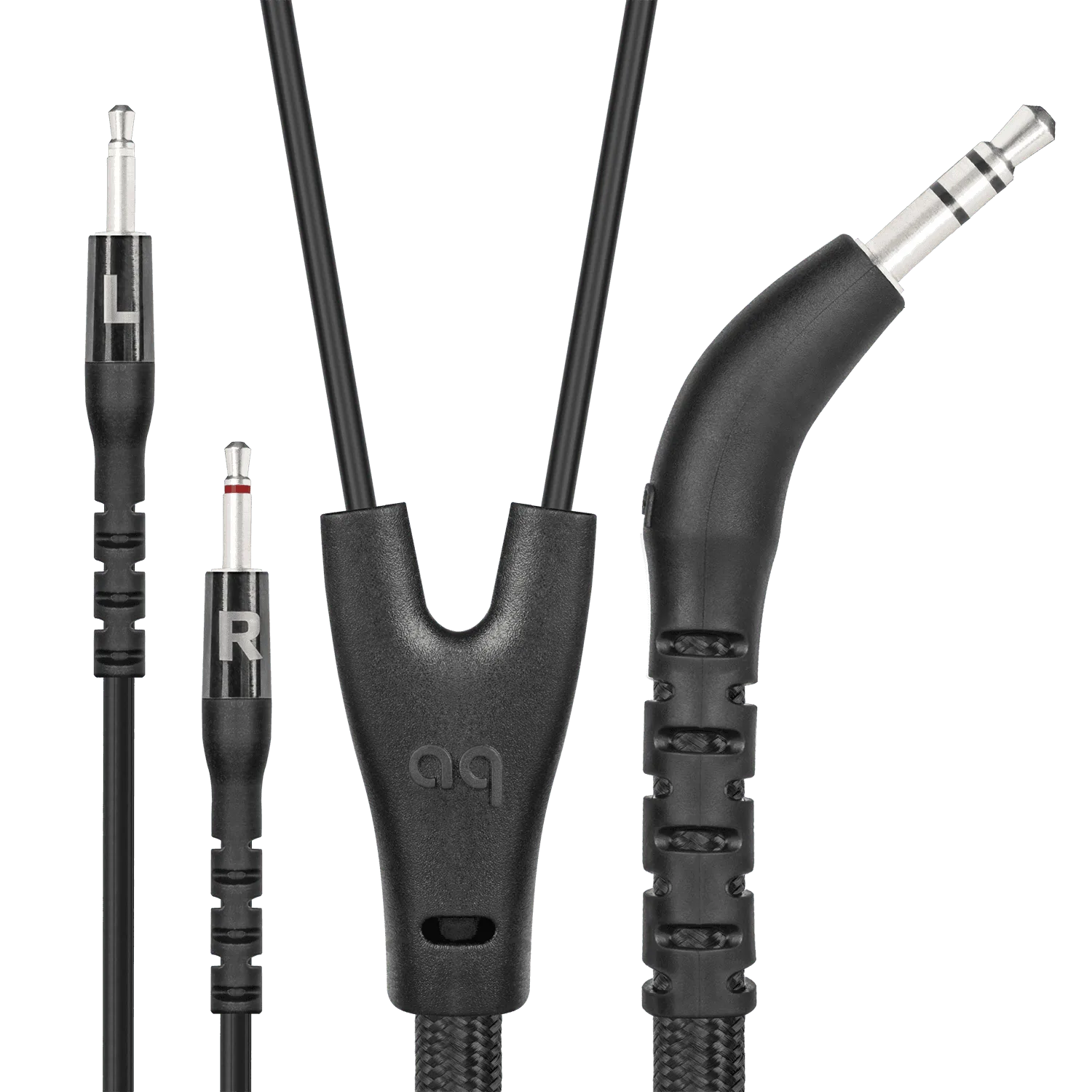
- NightBird Model One: AudioQuest has designed and refined high-performance cables since 1980. Our NightBird Model One headphone cable benefits from that experience, incorporating many of the design elements found in AudioQuest’s finest analog cables. Designed to effectively control noise and minimize distortion, NightBird Model One enables a deeper emotional connection between the listener and the music. This shows that noise control and distortion reduction are engineering goals across cable types. For HDMI, the same focus on shielding and low-loss conductors helps prevent digital dropouts, though the cable itself won't alter a working picture.
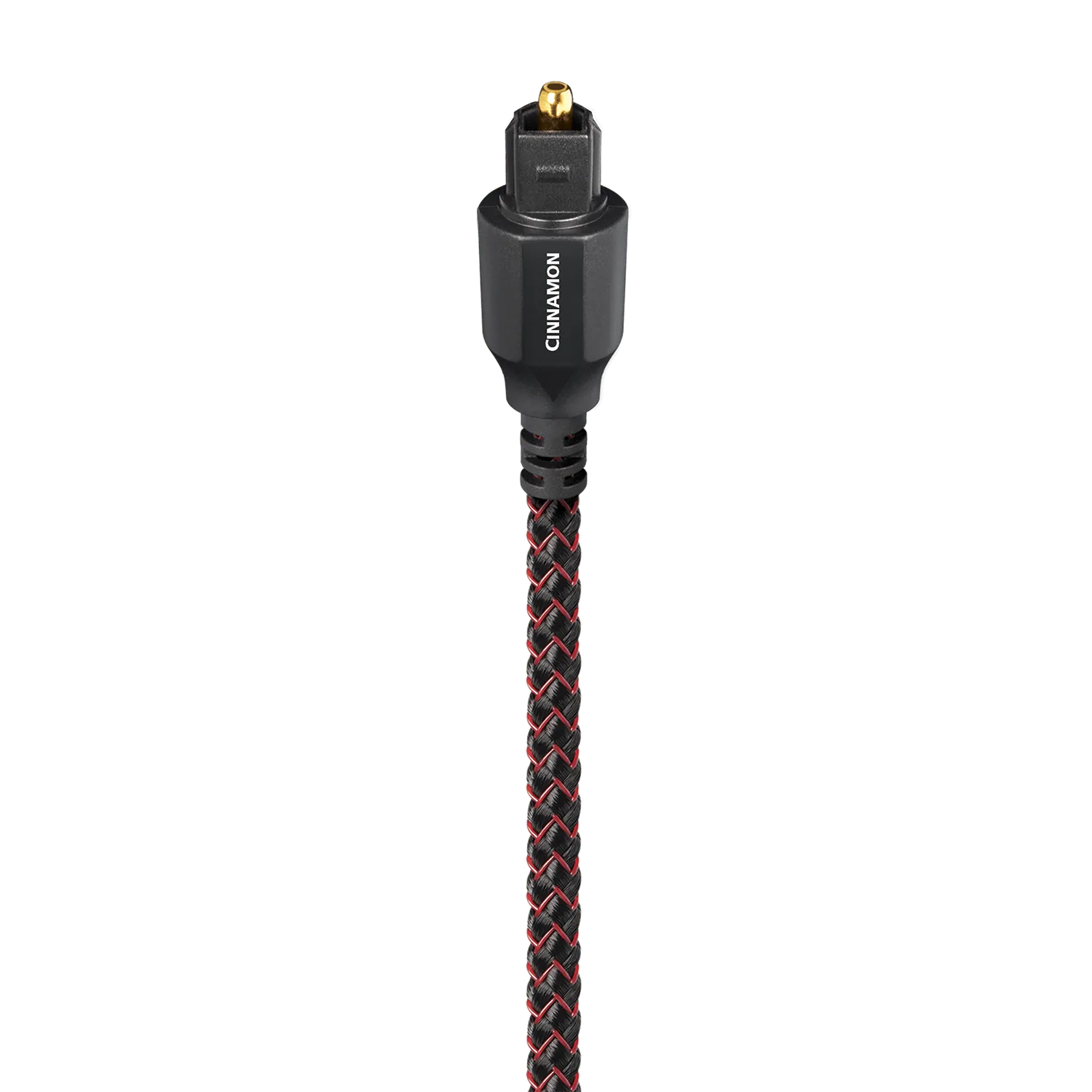
- Cinnamon Optical Factory Certified Refurbished: Lowest-Dispersion Highest-Purity Fiber Conductor: The problem with optical fiber transmission is that dispersed light does get through the Toslink cable, but only after it has taken a longer path, like a pool ball bouncing off the side-rails, causing it to arrive later. This delayed part of the signal prevents the computer charged with decoding the information from being decoded properly, or even at all. This illustrates how signal timing errors—not subtle color shifts—cause digital failures. The same logic applies to HDMI: when data arrives late or corrupted, you get visible glitches, not a slightly softer image.