Green tea has been celebrated for centuries, from ancient Chinese medicine cabinets to modern wellness blogs. Today, it’s one of the most researched beverages on the planet, with headlines promising everything from cancer prevention to rapid weight loss. But how much of what we hear is actually backed by rigorous science? In this article, we’ll separate green tea health benefits from the myths, diving into the latest research on antioxidants, metabolism, heart health, and more.
We’ll also highlight how the quality of your green tea matters. Not all green teas are created equal, and choosing a premium loose-leaf option—like our award-winning Four Seasons - Loose Leaf—can make a real difference in both flavor and phytonutrient content. Let’s brew up some clarity.
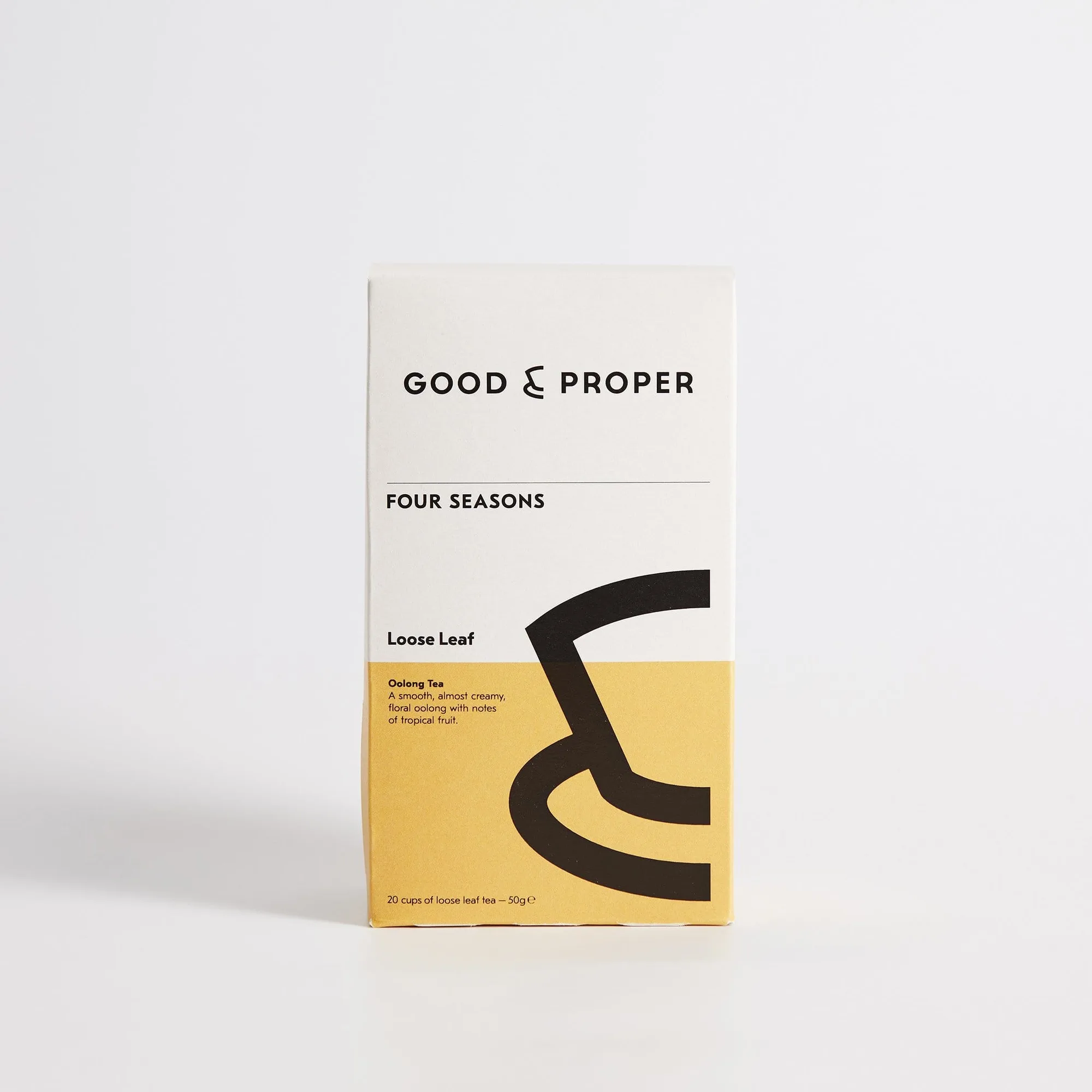
Four Seasons - Loose Leaf
The Antioxidant Powerhouse: Catechins and EGCG
Green tea’s reputation as a health hero largely rests on its high concentration of catechins, a class of antioxidants that fight oxidative stress in the body. The most studied catechin is epigallocatechin gallate (EGCG), which has been shown in lab studies to neutralize free radicals and reduce inflammation. Human trials suggest that regular green tea consumption may support cellular health and lower markers of oxidative damage, especially when the tea is brewed fresh from quality leaves.
However, the fiction often exaggerates these effects. While EGCG is a potent antioxidant in a test tube, the body’s absorption is limited, and drinking green tea alone won’t “detox” your system or cure disease. The real benefit lies in consistent, moderate consumption as part of a balanced diet. For maximum catechin content, choose fresh loose-leaf teas like Bao Zhong (Pouchong) - Loose Leaf, which undergoes minimal oxidation and retains high antioxidant levels.
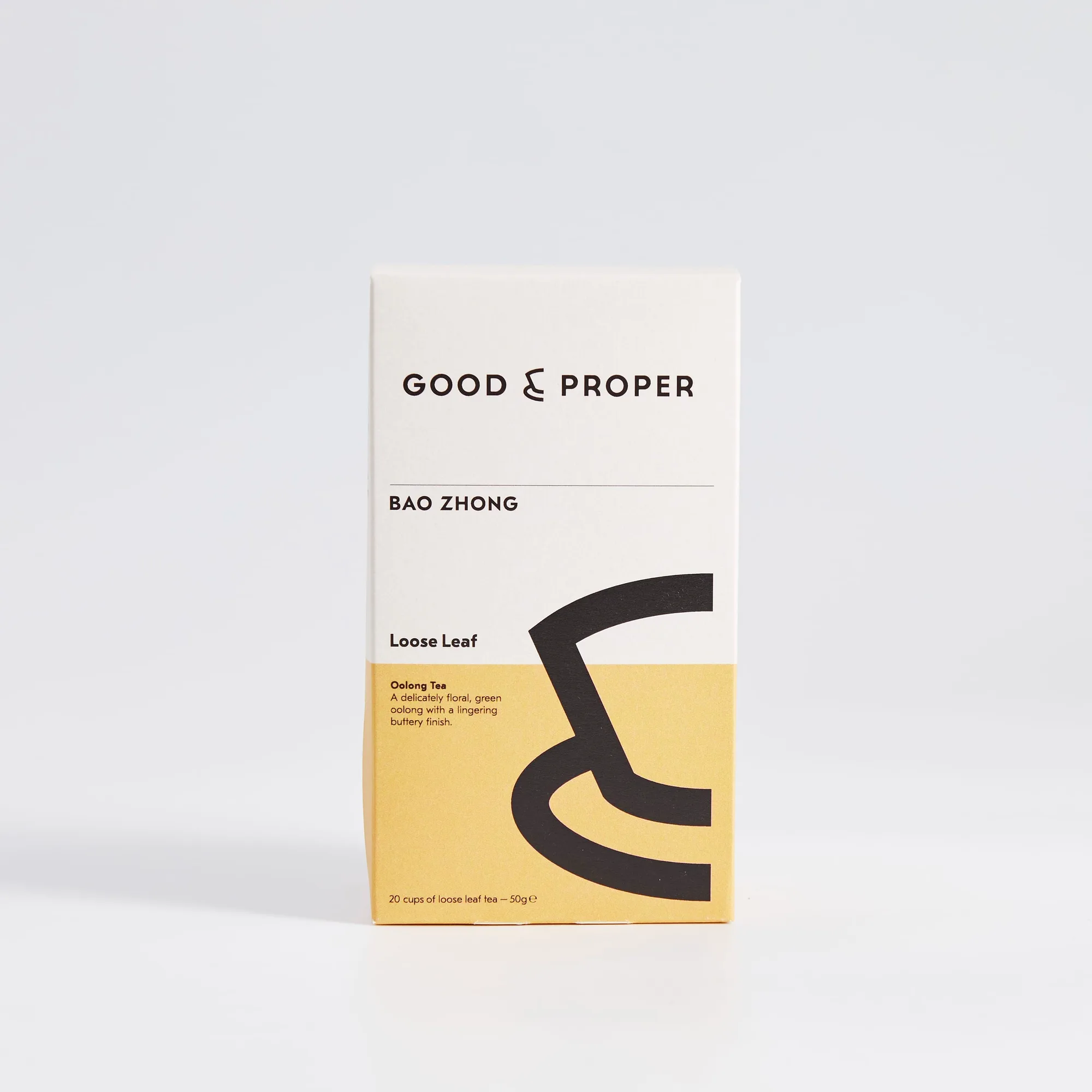
Bao Zhong (Pouchong) - Loose Leaf
- Tip: Brew green tea at 70–80°C (158–176°F) for 2–3 minutes to preserve catechins without bitterness.
Weight Loss and Metabolism: What the Science Actually Shows
One of the most persistent claims is that green tea boosts metabolism and melts belly fat. Some short-term studies do show a modest increase in energy expenditure (about 3–4%) after consuming green tea extract, likely due to the combination of caffeine and catechins. A few meta-analyses link green tea consumption to small reductions in body weight and waist circumference over several months.
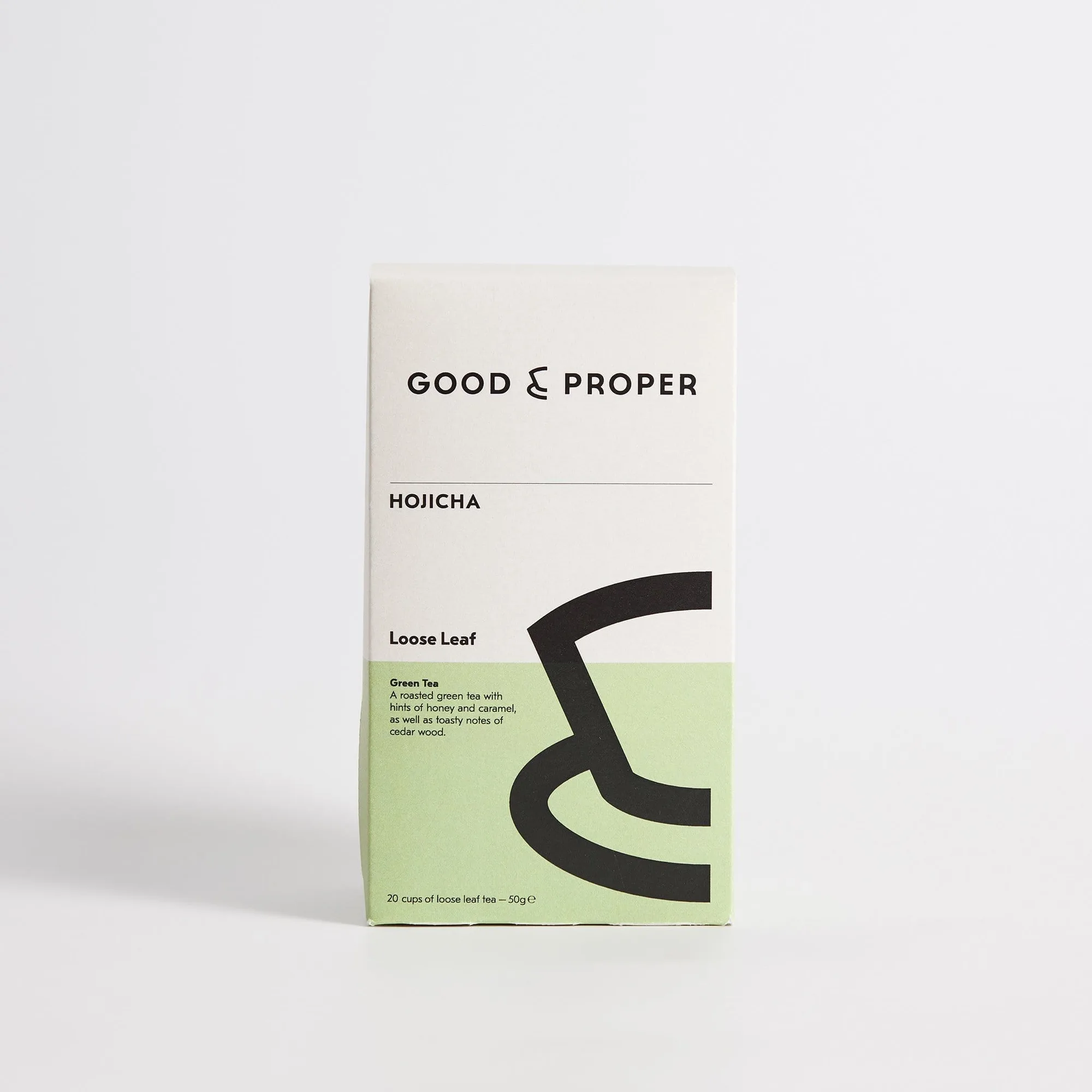
But the fiction part? Expecting dramatic weight loss without diet or exercise. The metabolic boost is too small to produce visible results on its own. Real-world studies show that green tea’s effect on weight is statistically significant but clinically minor—typically 0.2–0.5 kg more weight loss than placebo over 12 weeks. For a refreshing, low-calorie beverage that supports hydration and provides a gentle energy lift, green tea is a smart swap for sugary drinks. Try a roasted option like Hojicha Powder for a unique, toasty flavor with fewer stimulants.
- Fact: Green tea can support weight management, but it’s not a magic bullet. Pair it with a healthy lifestyle.
Heart Health and Cholesterol: The Evidence Is Strong
Here the science is more convincing. Large observational studies, including a 2020 meta-analysis of over 800,000 participants, found that people who drink 3–5 cups of green tea daily have a 20–30% lower risk of cardiovascular disease and stroke. The antioxidants appear to improve endothelial function, lower LDL cholesterol, and reduce blood pressure modestly.
This benefit is supported by randomized controlled trials, though most use standardized extracts rather than brewed tea. To get the real-world advantage, brew your green tea from fresh leaves and drink it without milk (which can bind to catechins). A high-quality, single-origin green tea like Four Seasons - Loose Leaf offers a clean, vegetal flavor that makes drinking several cups a day a pleasure, not a chore.
- Heart-healthy habit: Aim for 2–3 cups of freshly brewed green tea daily, unsweetened.
Cancer Prevention: Hype vs. Hope
Headlines often claim green tea prevents cancer, but the reality is more nuanced. Laboratory studies show that EGCG can inhibit the growth of cancer cells in petri dishes and animal models. Epidemiological research suggests a possible protective effect against certain cancers, particularly breast, prostate, and colorectal cancers, especially in Asian populations with high green tea intake.
However, the fiction lies in promising a cure or guaranteed prevention. Human trials have not yet proven a direct causal link, and results are inconsistent across populations and cancer types. The American Institute for Cancer Research notes that while green tea is a healthy beverage, it should not replace medical screening or treatment. The best approach is to enjoy green tea as part of an antioxidant-rich diet, not as a standalone shield.
- Bottom line: Green tea is a supportive addition to a cancer-preventive lifestyle, not a substitute for medical advice.
Brewing for Maximum Health: Tips and Myths Debunked
How you brew your green tea directly affects its health potential. Using water that’s too hot (above 85°C) destroys heat-sensitive catechins and creates bitterness. Steeping too long also degrades antioxidants. The ideal is 70–80°C water for 2–3 minutes. Loose-leaf teas generally yield more antioxidants than bagged teas because the leaves have more surface area and less processing.
Another common myth is that adding milk negates health benefits. While some studies show that milk proteins can bind to catechins, the effect is minimal with a splash of milk. However, for maximum antioxidant absorption, drinking green tea plain is best. If you prefer a caffeine-free herbal option that still offers antioxidants, consider Hibiscus - Loose Leaf, which is rich in vitamin C and anthocyanins.
- Pro tip: Use a temperature-controlled kettle to hit the perfect brewing range every time.
Green tea is a genuinely healthy beverage with a solid scientific foundation—especially for heart health and antioxidant support. But it’s not a cure-all, and many popular claims are oversimplified. The key is choosing high-quality tea, brewing it correctly, and enjoying it as part of a balanced lifestyle. Ready to experience the real thing? Explore our award-winning Four Seasons - Loose Leaf and taste the difference that quality makes.