Quick Answer
Lutein and zeaxanthin are carotenoids that concentrate in your macula to filter blue light and protect against oxidative stress. A daily supplement like Healthy Eyes Lutein & Zeaxanthin can help fill the gap when your diet falls short.
Why Your Eyes Need Lutein and Zeaxanthin
Your macula, the central part of your retina, naturally contains lutein and zeaxanthin. These pigments act like internal sunglasses, absorbing high-energy blue light from screens and sunlight before it can damage light-sensitive cells. As we age, this natural protection thins, making supplementation a sensible option for adults who spend hours on digital devices or want to support long-term macular health.
Diet vs. Supplements: A Realistic Trade-Off
Dark leafy greens like kale and spinach are rich sources, but getting enough daily can be challenging. A 2024 review in Nutrients noted that most adults consume only 1–2 mg of lutein per day, while research suggests 10 mg may be more beneficial for eye protection. A supplement provides a consistent, convenient dose without requiring major dietary changes.
Frequently Asked Questions About Lutein & Zeaxanthin
What do lutein and zeaxanthin do for your eyes?
They accumulate in the macula, where they filter damaging blue light and neutralize free radicals. This helps maintain sharp central vision and may slow age-related changes in the retina.
How much lutein and zeaxanthin should I take?
Most eye health studies use 10 mg of lutein and 2 mg of zeaxanthin daily. Check the supplement label to match that ratio. Higher doses aren't necessarily better—consistency matters more. Look for a product that provides at least 10 mg of lutein per serving.
Who benefits most from taking lutein and zeaxanthin?
Adults over 40, people with a family history of macular issues, and anyone who spends long hours under blue light from screens. Smokers and those with low vegetable intake may also see the biggest benefit.
Can I get enough lutein from food alone?
It's possible but difficult. You'd need about 1–2 cups of cooked kale or spinach daily. A supplement fills the gap without requiring a major diet overhaul.
Are there side effects or risks?
Lutein and zeaxanthin are generally well-tolerated. Very high doses (above 40 mg) may temporarily yellow the skin, but this is harmless and reversible. Stick to the recommended serving on the label.
How long before I notice results?
These pigments build up in the macula over weeks to months. Most users don't feel a direct change—think of it as long-term maintenance rather than a quick fix. Consistent daily use over 3–6 months is needed for meaningful macular accumulation.
Product Facts
-
Healthy Eyes Lutein And Zeaxanthin: Supports eye health by protecting against digital screen effects, environmental stress, and nutrient deficiencies.* This makes it a practical option for adults who work on computers or spend significant time on phones and tablets.
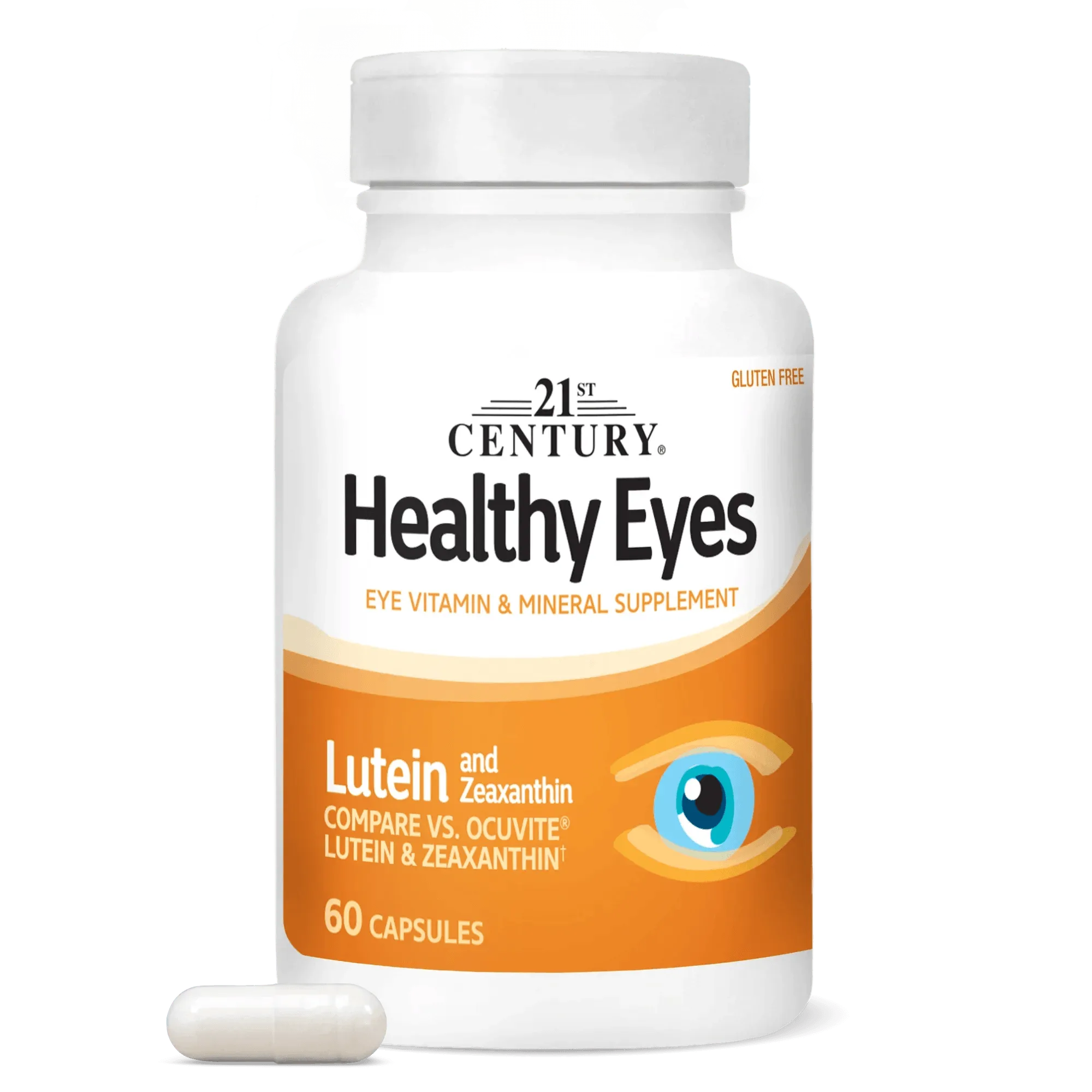
Healthy Eyes Lutein And Zeaxanthin