Quick answer
For reptiles that need heat without visible light at night, a Ceramic Heat Emitter is the better choice. The Heat Red Bulb works well for daytime basking but emits a dim red glow that can disturb nocturnal species.
Light vs no light: the main trade-off
The Heat Red Bulb produces a visible red glow, which can interfere with the natural day-night cycle of some reptiles. A Ceramic Heat Emitter gives off no light at all, making it ideal for nighttime heating. If your reptile is sensitive to light, the ceramic option helps maintain a proper photoperiod.
Wattage and heat output
The Heat Red Bulb is available in 50-watt and 100-watt sizes, letting you match the heat output to your enclosure size. Ceramic Heat Emitters also come in various wattages, but they produce infrared heat that warms objects rather than the air. This can be more efficient for creating a warm spot without drying out the enclosure.
Setup considerations
Both options require a dome housing, which is sold separately for the Heat Red Bulb. Ceramic Heat Emitters typically need a porcelain socket to handle higher temperatures. Always check the housing rating before purchasing. The Heat Red Bulb's red coating can also degrade over time, reducing its effectiveness.
Trade-offs at a glance
- Light output: Heat Red Bulb emits a dim red glow; Ceramic Heat Emitter produces no light. Choose ceramic for 24-hour heating without disturbing sleep.
- Heat type: Heat Red Bulb heats air and surfaces; Ceramic Heat Emitter primarily warms objects via infrared radiation. Ceramic is more efficient for creating a basking spot without raising ambient humidity.
- Wattage options: Heat Red Bulb comes in 50W and 100W; Ceramic Heat Emitters are available in a wider range of wattages. Select wattage based on enclosure size and temperature gradient needed.
- Durability: Heat Red Bulb's red coating can fade; Ceramic Heat Emitters are more robust and last longer. Ceramic emitters are a better long-term investment for constant use.
Product facts
-
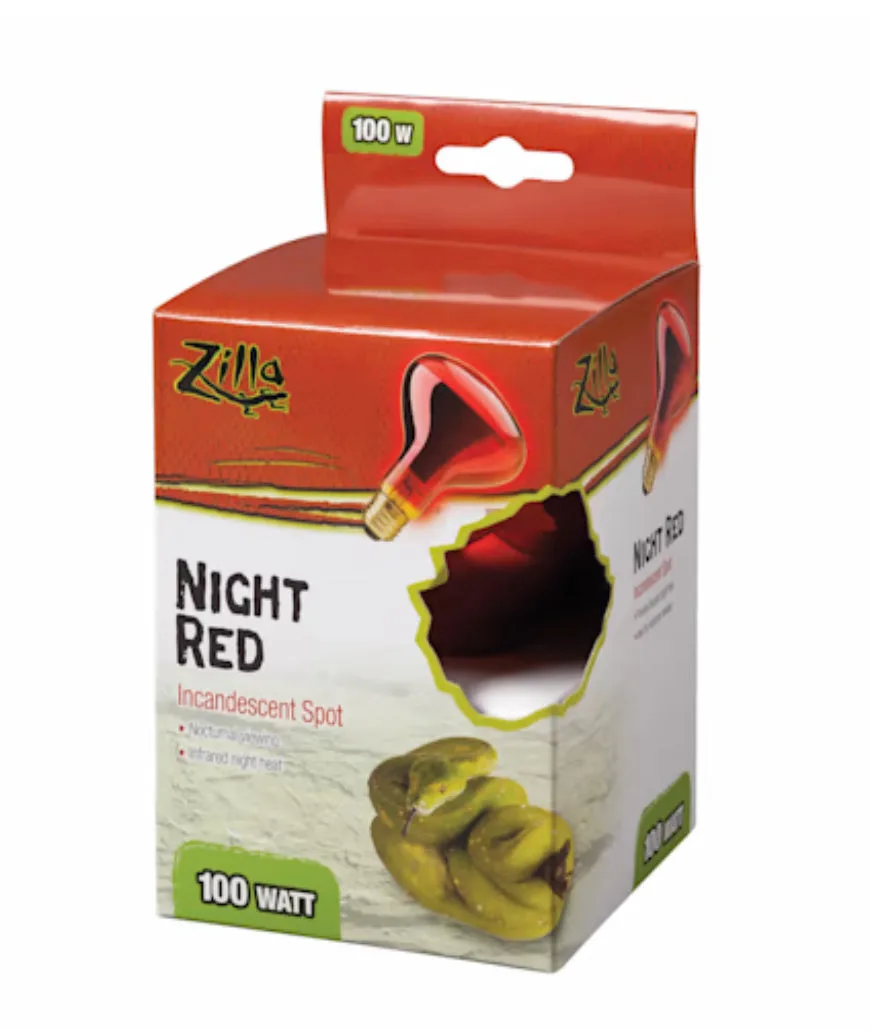
Heat red bulb: The Heat Red Bulb is available in 50-watt and 100-watt sizes and is designed for use with a dome housing (sold separately). You can choose the wattage that fits your enclosure size, but you need to buy the dome housing separately, adding to the initial cost.
Heat red bulb
Which one is right for you?
Best for
- Nocturnal reptiles like leopard geckos or crested geckos that need heat without light at night
- Keepers who want a durable, long-lasting heat source for 24/7 use
Not for
- Species that require visible light for basking during the day (choose a Heat Red Bulb or a white basking bulb)
- Small enclosures where a 50W bulb may still overheat the space