Quick answer
Choose heirloom seeds when you want to save seed, replant the same variety, and grow open-pollinated classics like Copenhagen Market cabbage. Choose hybrids when you need uniform size, faster maturity, or stronger disease resistance. If you garden in raised beds with limited space, heirlooms can be a smart fit because you control the seed supply and can replant what performs best.
The core difference: open-pollinated vs controlled cross
Heirloom seeds are open-pollinated varieties that have been passed down, often for generations. When you plant them and save seed, the next generation generally looks like the parent. That predictability is the main reason seed saving heirloom varieties works. Hybrid seeds are the first generation of a deliberate cross between two parent lines. They often show hybrid vigor — uniform plants, consistent fruit size, and sometimes earlier maturity — but seed saved from a hybrid will not reliably reproduce those traits.
What heirloom seeds give you in a home garden
Heirloom vegetable seeds tend to offer flavor and variety you will not find in a grocery store. They also let you build a seed library over time: save from your best plants, replant next season, and adapt the variety to your soil and climate. The trade-off is less uniformity. Heads may vary in size, and some heirlooms mature over a wider window. That is fine for fresh eating and preserving, but it can complicate a tightly scheduled market garden.
- Best when you want to save seed and replant the same variety next year.
- Expect more variation in size and maturity date between plants.
- Works well in raised beds where you can give each plant consistent spacing and soil.
What hybrid seeds give you
Hybrid seed gardening is about predictability. Hybrids are bred for uniform germination, uniform growth, and often for specific disease resistance. If you sell at market or want a single harvest date for a canning batch, hybrids reduce guesswork. The trade-off is that you must buy new seed each year if you want the same result, and hybrid seed usually costs more per packet than open-pollinated or heirloom options.
- Best when uniformity, earliness, or disease resistance matters most.
- Do not save seed expecting the same plants — the next generation will vary.
- Budget for buying fresh hybrid seed each season.
How to choose for raised beds and small spaces
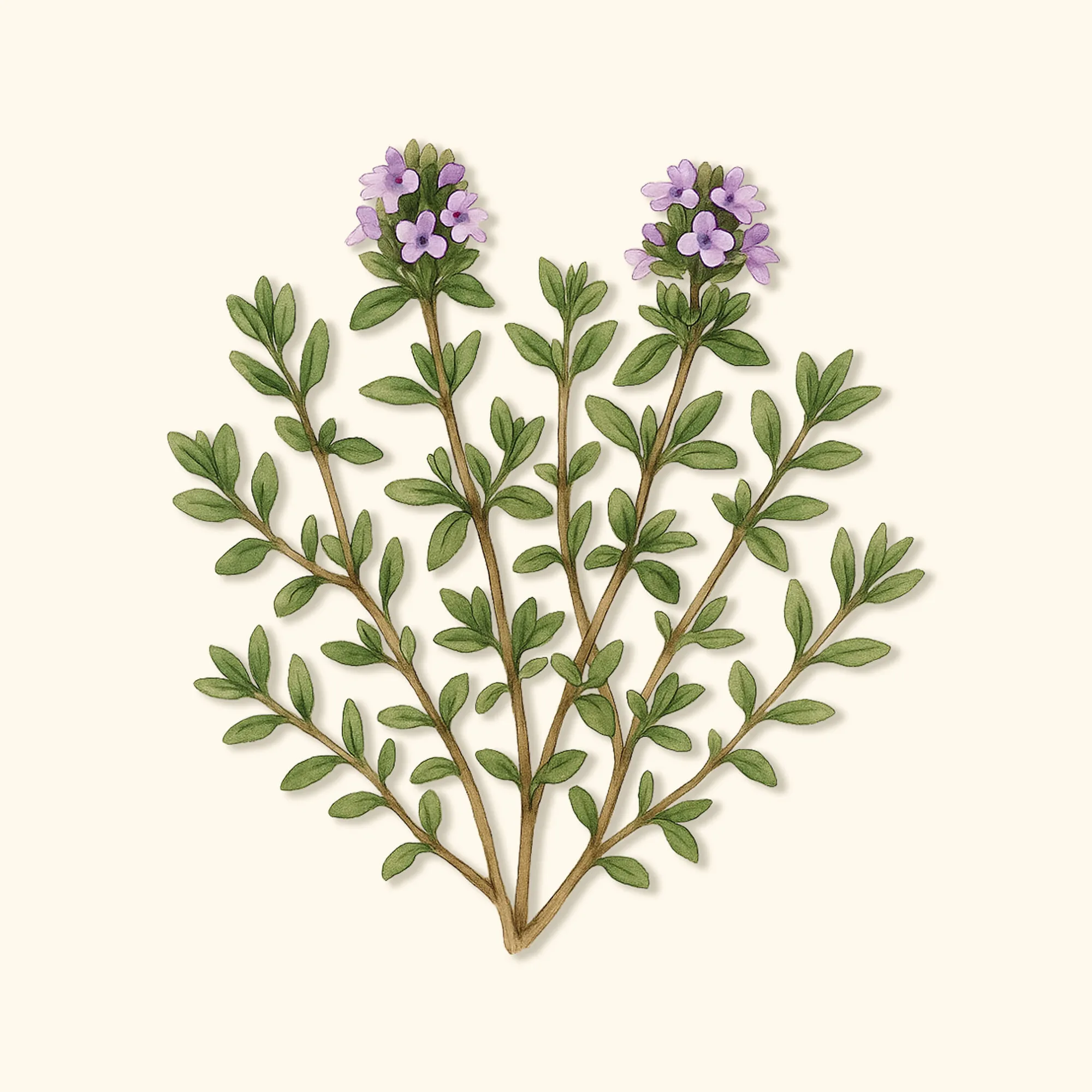
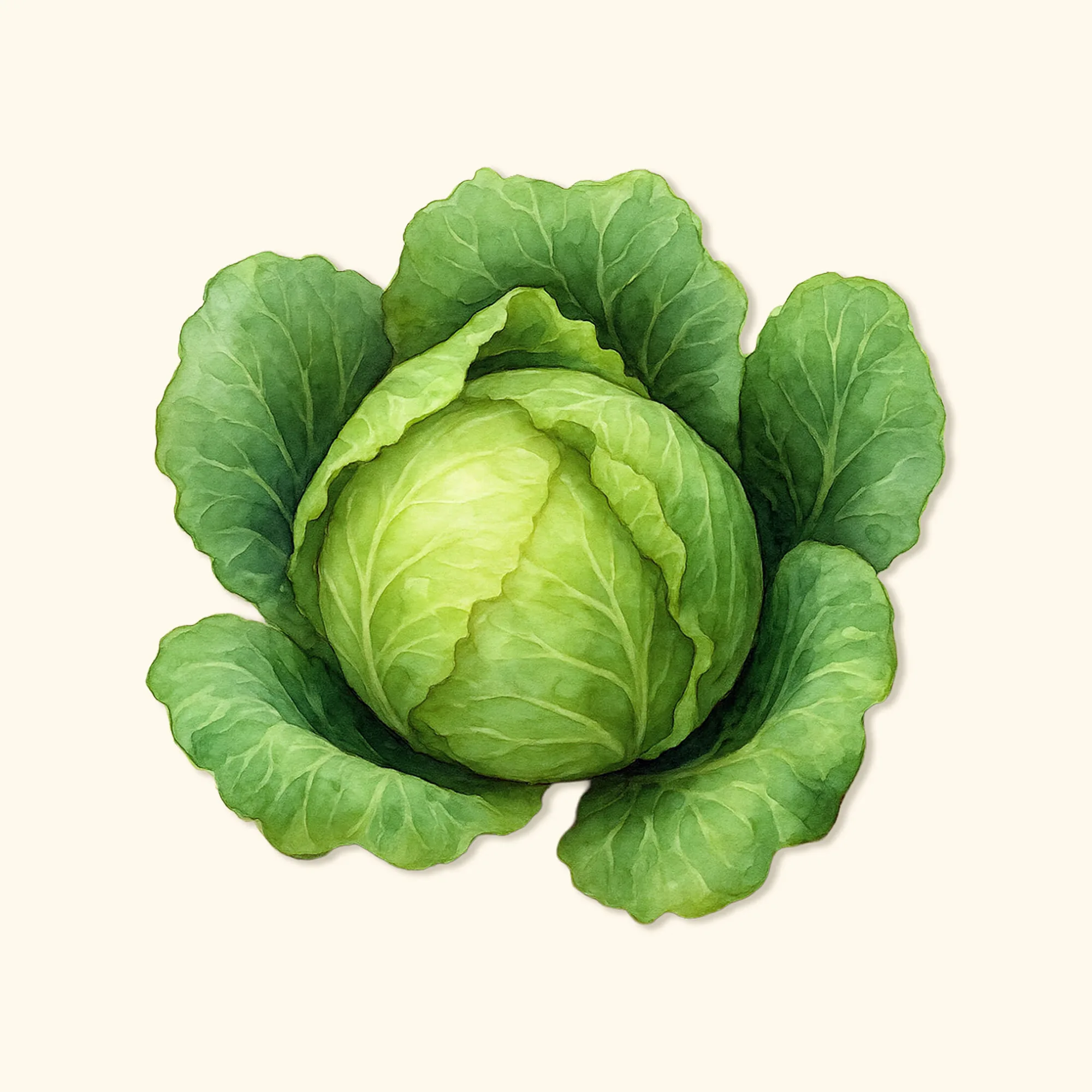
In a raised bed, space is limited, so plant size and days to maturity matter. Compact heirlooms like Copenhagen Market cabbage produce solid, dense heads in minimal garden space, which suits a bed where you want high yield per square foot. If you grow in an elevated bed at standing height, you may prefer varieties you can harvest repeatedly, like perennial herbs. Organic Winter Thyme is a perennial that comes back season after season, so one planting gives a long-term harvest — a different value proposition from annual vegetables you replant each year.
Seed saving basics that decide the comparison
Seed saving is the clearest dividing line. Heirloom and other open-pollinated varieties can be saved and replanted true to type if you prevent cross-pollination with other varieties of the same species. Hybrids can be saved, but the offspring will be a genetic mix and often disappointing. If seed saving is part of your plan, start with open-pollinated or heirloom seeds and isolate flowering crops by distance, timing, or physical barriers.
- Save seed only from open-pollinated or heirloom plants for reliable results.
- Keep varieties of the same species separated when flowering to avoid crosses.
- Label saved seed with the variety name and the year you harvested it.
Trade-offs at a glance
- Seed saving: Heirlooms and other open-pollinated varieties can be saved and replanted true to type; hybrids cannot be relied on to reproduce the same traits. If saving seed matters, choose heirloom or open-pollinated.
- Uniformity and timing: Hybrids are bred for uniform plants and often earlier, more concentrated harvests; heirlooms vary more in size and maturity. Choose hybrids for market sales or single-date processing.
- Cost over time: Heirloom seed can be saved and reused, reducing repeat purchases; hybrid seed must be bought again each season for the same result. Heirlooms lower long-term seed cost if you learn to save seed.
- Flavor and variety: Heirlooms offer distinctive flavors and regional varieties; hybrids focus on consistency and shipping or storage traits. For home eating, heirlooms often win on flavor.
Seed and bed examples from our catalog
- Organic Winter Thyme Seeds: Organic Winter Thyme Seeds are perennial and described as an incredibly tough, reliable herb that comes back season after season. A perennial herb is a low-effort way to get a long-term harvest without replanting each year, which suits raised beds you want to keep productive.
- Copenhagen Market Cabbage Seeds: Copenhagen Market Cabbage Seeds are an heirloom variety that grows perfectly round heads in minimal garden space and matures early. This is a concrete example of an heirloom that fits small-space beds and gives you a harvest sooner than many other heirloom varieties.
Which should you plant?
Choose heirloom seeds if you
- Want to save seed and replant the same variety next year.
- Grow in raised beds and want compact, space-efficient options like Copenhagen Market cabbage.
- Value distinctive flavor and are willing to accept some variation in size and maturity.
Choose hybrid seeds instead if you
- Need uniform plants and a single harvest date for market or processing.
- Want specific disease resistance that hybrids are bred to provide.
- Do not plan to save seed and prefer to buy fresh seed each season.