Quick answer
Pick one Yoto emotions card, play it at a predictable time, and talk about one feeling per listen. Use the card as a calm-down anchor, not a lesson. For a bedtime routine, Explore Emotions with Ralph the Rainbow gives you seven short stories that walk a child through naming and settling feelings.
Set up the card before the feeling gets big
Children rarely learn to name feelings in the middle of a meltdown. The card needs to be familiar first. Choose a regular slot, such as after dinner or before lights out, and let the audio play while your child is calm. That way, when a hard moment arrives, the characters and the rhythm already feel safe. Keep the player in the same spot so your child can reach it without asking.
If you want a gentle starting point, Explore Emotions with Ralph the Rainbow is built as a sleepy seven-story series. The stories are designed to help a child relax and feel more in control of their inner world, which makes the card useful as a wind-down tool rather than a quiz.
Match the card to the feeling you want to practice
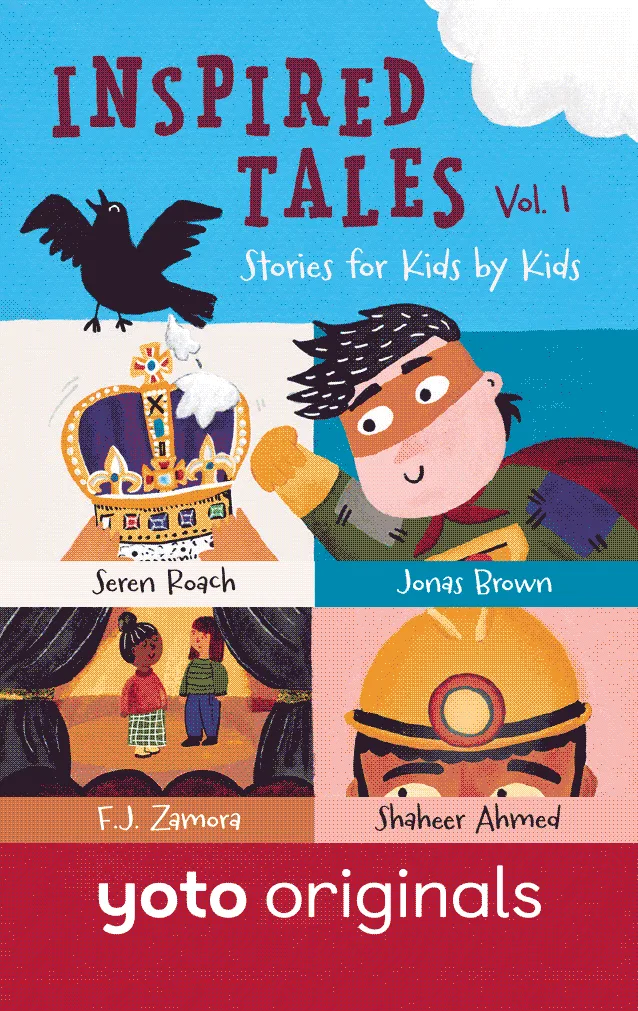
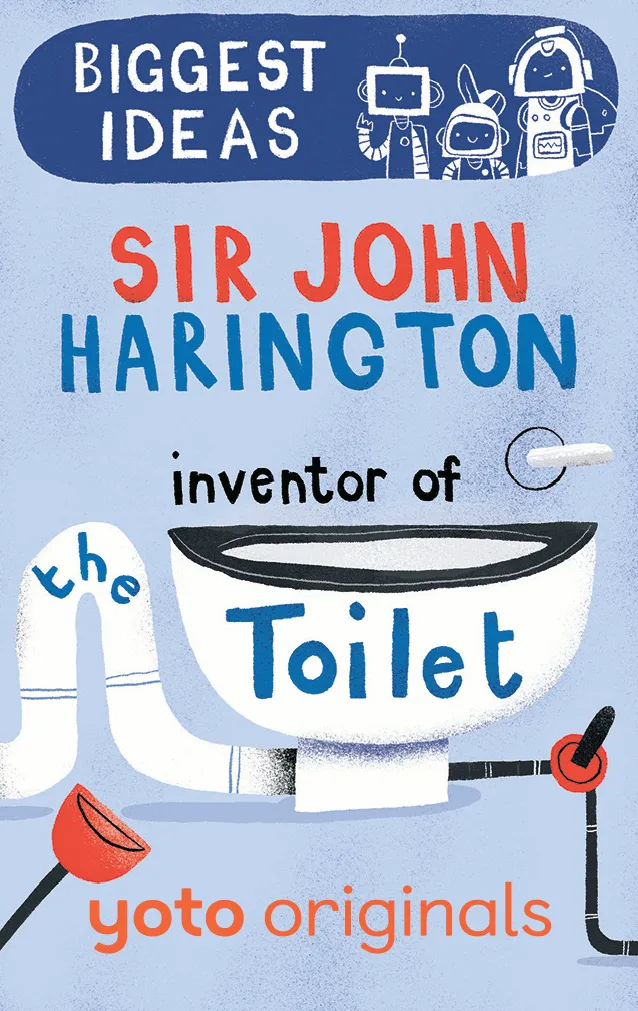
Not every card is a feelings card. Some titles open a conversation sideways. Biggest Ideas: Sir John Harington Inventor of the Toilet is a BrainBots time-travel story about the 16th-century inventor and Queen Elizabeth I. It is funny and fact-heavy, so it works well after a frustrating day when your child needs a reset before talking. Inspired Tales Volume 1: Stories for Kids by Kids collects four short stories written by winners of Yoto's Inspired Tales contest, with writers aged 8 to 13. Hearing peers tell stories can lower the pressure for a child who resists adult-led feelings talk.
Choose one card for calm-down listening and one for lighter distraction. Rotating them keeps the routine from feeling like a lecture.
Keep the talk short and concrete
After a story, ask one question only: which character felt something big, and what did they do? Avoid asking your child to explain their own feelings on the spot. Naming a character's feeling is easier and still builds the vocabulary. If your child answers with a body clue, such as a tight chest or hot face, repeat it back in plain words. That is the teachable moment.
Do not turn the card into a test. If your child says nothing, let the audio keep playing. The repetition does the work over weeks, not minutes.
Use the card as a screen-free reset in real time
When a big feeling hits, offer the player instead of a screen. Keep the request simple: press play, sit nearby, and stay quiet for the first minute. The goal is a shared calm space, not a solution. Once your child's breathing slows, you can name what happened in one sentence and move on.
A screen-free feelings activity works best when it is boringly predictable. Same card, same corner, same short phrase from you. Novelty adds pressure; routine removes it.
A five-step feelings routine
- Choose one anchor card: Pick a single emotions card and keep it in the same place. Do not rotate new feelings cards during the first two weeks. Checkpoint: your child can find and start the card without help.
- Play it at a calm, fixed time: Use the card after dinner or before bed, when no one is upset. Let it play in the background if your child prefers not to sit still. Mistake to avoid: saving the card only for meltdowns, which teaches your child that the audio means trouble.
- Name one feeling per listen: After the story, ask which character had a big feeling and what they did. Keep it to one question and one answer. Checkpoint: your child uses a feeling word without you supplying it.
- Offer the player during a hard moment: Say one short phrase, such as 'Let's press play,' and sit nearby without talking for the first minute. Mistake to avoid: explaining or problem-solving while the audio plays.
- Review once a week, briefly: At a calm time, ask which story your child wants to hear again. Note any feeling words they now use on their own. Next step: add a second card only when the first routine is steady.
Cards that support emotional learning
- Explore Emotions with Ralph the Rainbow: Explore Emotions with Ralph the Rainbow is a sleepy 7-story series in which Ralph helps a child navigate many emotions and feel more in control of their inner world. The seven-story format gives you repeat listens, so a child can hear the same feeling words again on calm nights and recall them during harder ones.
- Biggest Ideas: Sir John Harington Inventor of the Toilet: Biggest Ideas: Sir John Harington Inventor of the Toilet follows the BrainBots to the 16th century to meet Sir John Harington and learn how Queen Elizabeth I played a part in the invention. A funny history story can serve as a neutral reset card when direct feelings talk would feel too intense.
- Inspired Tales Volume 1: Stories for Kids by Kids: Inspired Tales Volume 1: Stories for Kids by Kids includes four short stories written by winners of Yoto's Inspired Tales contest, by writers aged 8 to 13. Peer-written stories can make feelings talk feel less adult-led, which helps older kids who push back on direct questions.