How Hempcrete and Concrete Differ on Insulation
When you compare hempcrete vs regular concrete, the biggest difference is how each material handles heat and moisture. Regular concrete is dense and conducts heat easily, which means it does little to slow temperature transfer through a wall. Hempcrete, made by mixing hemp hurd with lime and water, is lightweight and breathable. The hemp hurd—the clean inner woody core of the hemp stalk—creates tiny air pockets that slow heat movement, giving hempcrete natural insulating properties that regular concrete lacks.
That breathability also helps regulate indoor humidity. Hempcrete absorbs and releases moisture vapor, which can make a space feel more comfortable year-round. Regular concrete is vapor-impermeable and often requires additional insulation layers to achieve similar comfort.
What the Hemp Hurd Brings to the Mix
-
Hemp Crete Hemp Hurd to make hempcrete - Organic Midwest USA Grown: Our hemp hurd is the clean, inner woody core of the hemp stalk, grown organically in the Midwest with no chemicals or pesticides. It is lightweight, breathable, and ideal for mixing with lime and water to create hempcrete. The hurd's organic, lightweight structure is what gives hempcrete its thermal performance. Without it, the mix would be just lime and water—no insulation value.
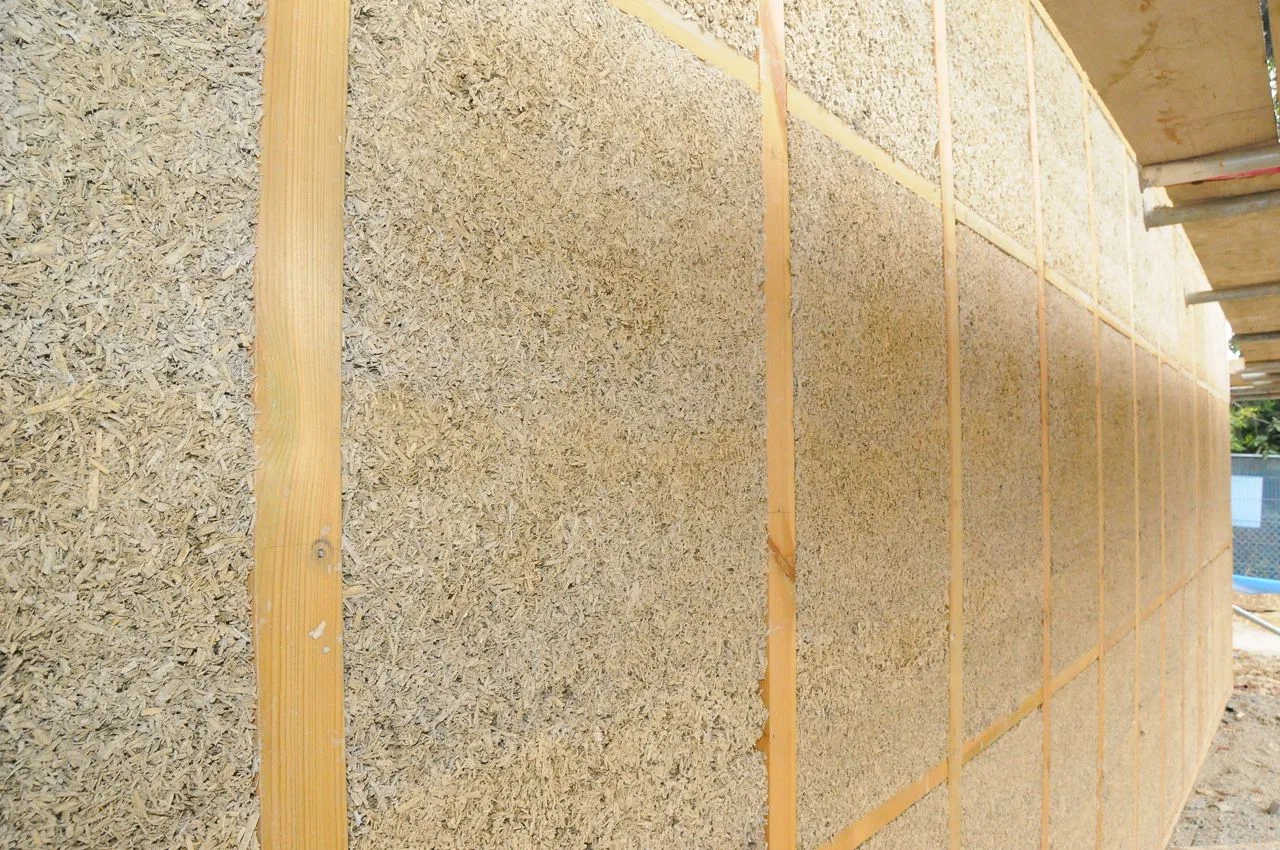
Hemp Crete Hemp Hurd to make hempcrete - Organic Midwest USA Grown
-
Hemp Crete Hemp Hurd to make hempcrete - Organic Midwest USA Grown: It provides strong thermal performance, resists moisture and odors, and contains no toxic chemicals or off-gassing materials. Thermal performance is the key advantage over concrete. The moisture resistance and non-toxic nature make hempcrete a healthier choice for indoor air quality.
-
Hemp Crete Hemp Hurd to make hempcrete - Organic Midwest USA Grown: Excellent thermal and sound insulation. Fire resistance rated up to 2 hours. Hemp hurd smolders rather than ignites, releasing very little heat or smoke. Fire resistance is a safety benefit that concrete also offers, but hempcrete achieves it naturally without added chemicals. The sound insulation is an extra bonus.
Hempcrete vs Concrete: Key Differences at a Glance
The table below summarizes the main contrasts between hempcrete and regular concrete based on supplied evidence.
- Insulation: Hempcrete provides natural thermal insulation due to the air pockets in the hemp hurd. Concrete is thermally conductive and requires separate insulation.
- Breathability: Hempcrete is breathable and moisture-regulating. Concrete is vapor-impermeable.
- Fire Resistance: Both offer excellent fire resistance. Hempcrete walls resist fire exposure up to 2 hours; concrete is also fire-resistant but less breathable.
- Environmental Impact: Hempcrete is carbon-negative and made from renewable hemp. Concrete production has a high carbon footprint.
- Structural Strength: Hempcrete is not load-bearing; it is typically used as infill within a frame. Concrete is structural and load-bearing.
- Typical Mix: Hempcrete: 1 part hemp hurd, 1.5 parts lime, 2 parts water. Concrete: cement, sand, gravel, and water.
When to Choose Hempcrete Over Concrete
Choose hempcrete when your priority is natural insulation, breathability, and a low environmental footprint. It works best as wall infill in timber-frame or similar structures. Because it is not load-bearing, you still need a structural frame. The hemp hurd is available in sizes from 1 lb samplers up to 400 lb totes, so you can test the mix before committing to a large build.
Choose regular concrete when you need load-bearing strength or a structural foundation. Concrete is unmatched for compressive strength and durability in structural applications. If insulation is a concern, you will need to add a separate insulation layer.
The Honest Limits of This Comparison
This comparison is based on the supplied catalog evidence for the organic hemp hurd product. Independent test results for thermal conductivity (R-value) are not included in the supplied information, so we cannot give a precise R-value comparison. The fire resistance claim of up to 2 hours comes from independent testing referenced in the product record. For a full structural and thermal analysis, consult a building professional who can model your specific climate and wall assembly.
Hempcrete is not a direct replacement for concrete in every application. It serves a different role in a building assembly. Understanding that difference is the key to making the right choice for your project.