Quick answer
Choose a herbal syrup when you want fast, easy absorption and a pleasant taste for throat or respiratory comfort. Choose capsules or powders when you need precise, tasteless dosing and travel-friendly storage. Choose tea when the ritual of a warm drink and gentle daily hydration matters more than potency. Match the form to your goal, routine, and tolerance for taste—not to marketing claims.
Match the form to your actual goal
Start with the job you need the herb to do. If you want soothing relief for a scratchy throat or cough, a syrup coats the throat and delivers quick comfort. If you want a daily wellness habit with consistent dosing, capsules or powders remove guesswork. If you want a low-pressure way to hydrate and unwind, tea fits best. Write down your main goal in one sentence before comparing products—this prevents buying a form that sounds appealing but does not fit your need.
Compare absorption speed and duration
Liquids and syrups are absorbed faster than capsules because they do not need to dissolve first. That makes syrups useful for acute comfort, such as a cough that flares at night. Capsules and powders release more slowly, which suits all-day support. Tea delivers a smaller, gentler dose per cup, so it works best for repeated sipping rather than a single concentrated hit. If you need fast action, favor a syrup; if you need steady background support, favor capsules or tea.
Weigh convenience against control
Syrups win on convenience: no water, no swallowing pills, and a taste most people accept. The trade-off is sugar or sweetener content and the need to measure a dose. Capsules and powders give exact dosing and travel well, but some people dislike swallowing pills or mixing powders. Tea is the most ritualistic and least precise—steeping time and water temperature change the strength. Decide whether you value speed and taste (syrup), precision and portability (capsule or powder), or ritual and hydration (tea).
Check the label for form-specific red flags
For syrups, look for a clear herb list and a measurable dose, and check added sugar or preservatives if you monitor intake. For capsules and powders, confirm the herb species and part used, and avoid proprietary blends that hide amounts. For tea, check whether the product is cut leaf, powder, or extract-coated, because that changes how long you steep. In every form, a short ingredient list with named herbs is easier to evaluate than a long list of vague “blends.”
Decision rules for choosing a herbal form
- If you need fast comfort for throat or cough: Pick a syrup. It coats the throat and absorbs quickly, and you can measure a dose without water. Check sugar content and dose per spoonful before buying.
- If you want a precise daily dose with no taste: Choose capsules or a powder. They travel well and remove measuring guesswork, but require swallowing pills or mixing. Confirm the herb species and amount per serving on the label.
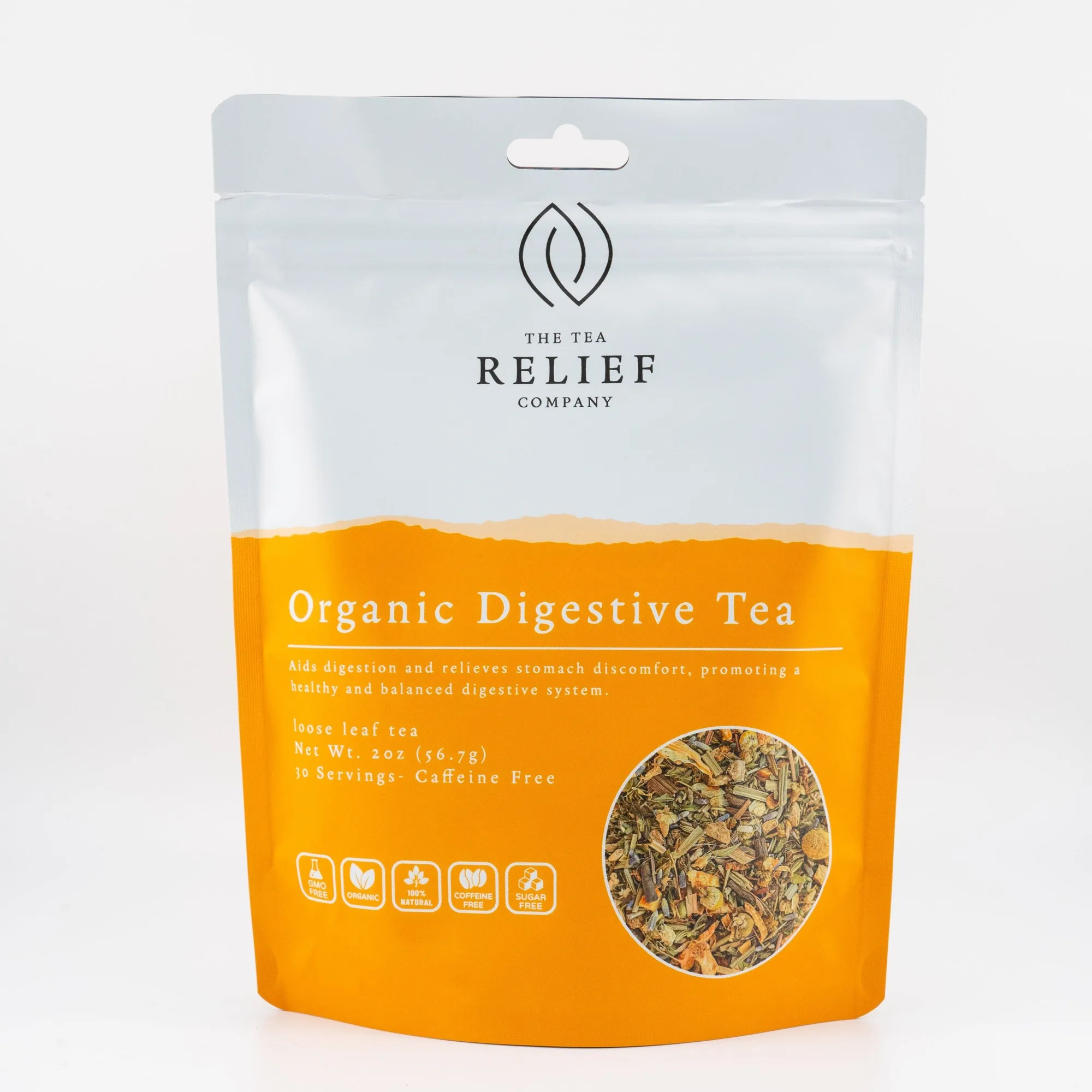
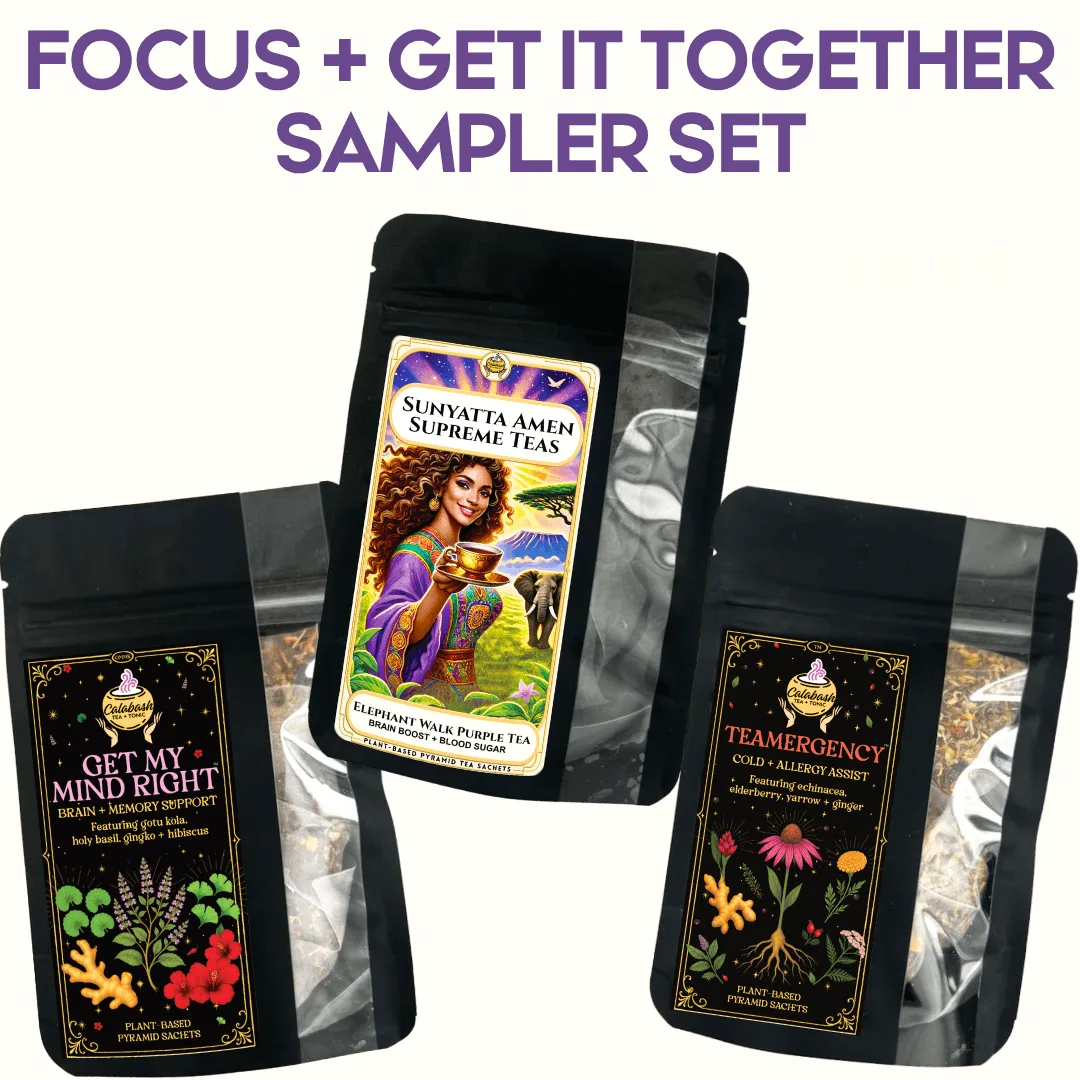
- If you want a gentle daily ritual and hydration: Choose tea. The dose per cup is lower, so it suits repeated sipping rather than acute relief. Prefer whole-leaf or cut herbs over fine powder for easier steeping control.
- If your goal is hair or scalp care: Choose a topical herbal oil, not an ingestible form. Oils are applied directly to the scalp and are not interchangeable with syrups, capsules, or tea. Match the product format to the application site—topical for hair, ingestible for internal wellness.
Product facts to ground your choice
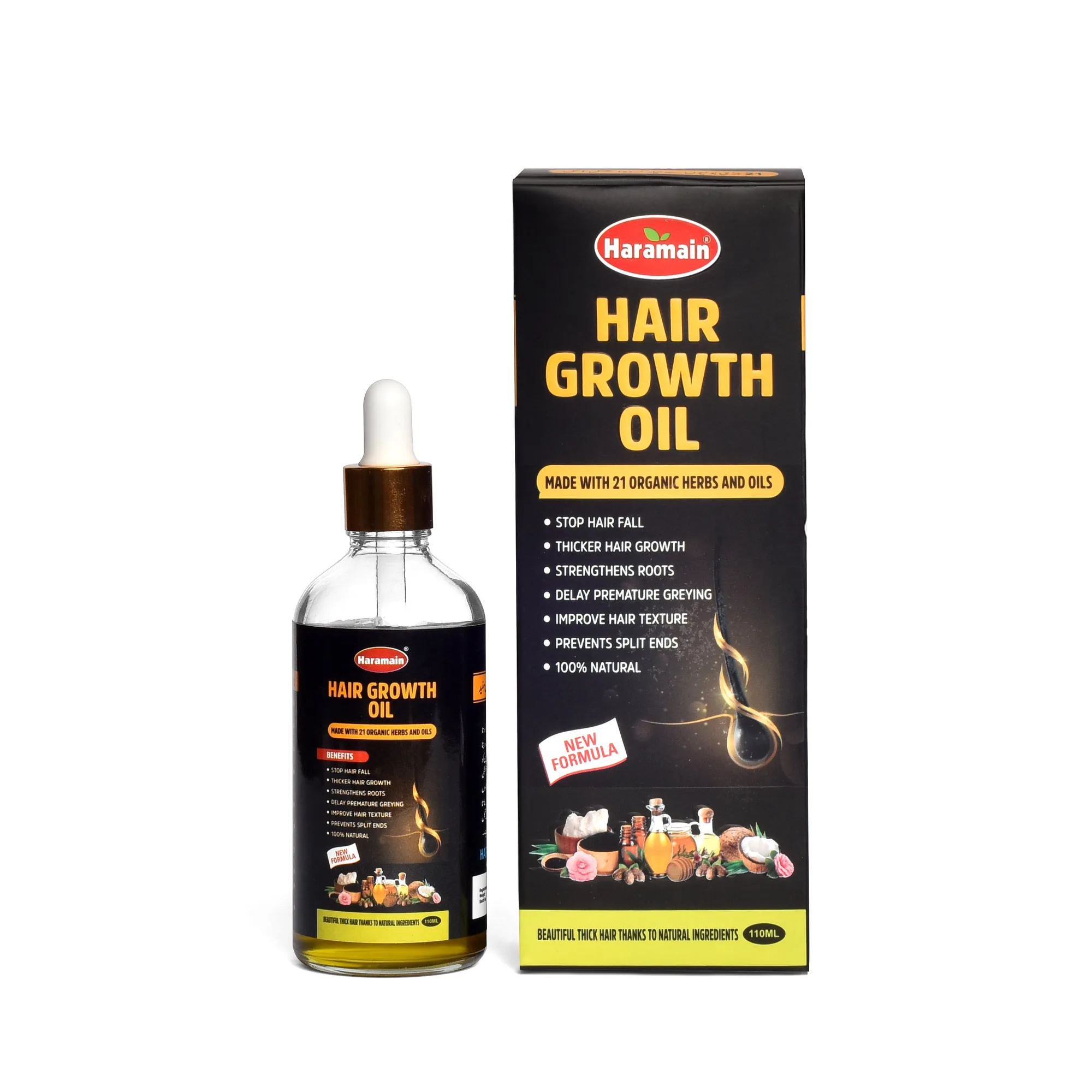
- Hair Growth Oil (with 21 herbs)-100ml: Hair Growth Oil (with 21 herbs)-100ml is a 100% natural hair oil made from a mix of 21 organic herbs, designed to support hair growth, reduce hair fall, and improve overall hair health. This is a topical herbal oil, not an ingestible syrup, supplement, or tea. If your goal is hair and scalp care, choose a topical oil rather than an internal form.
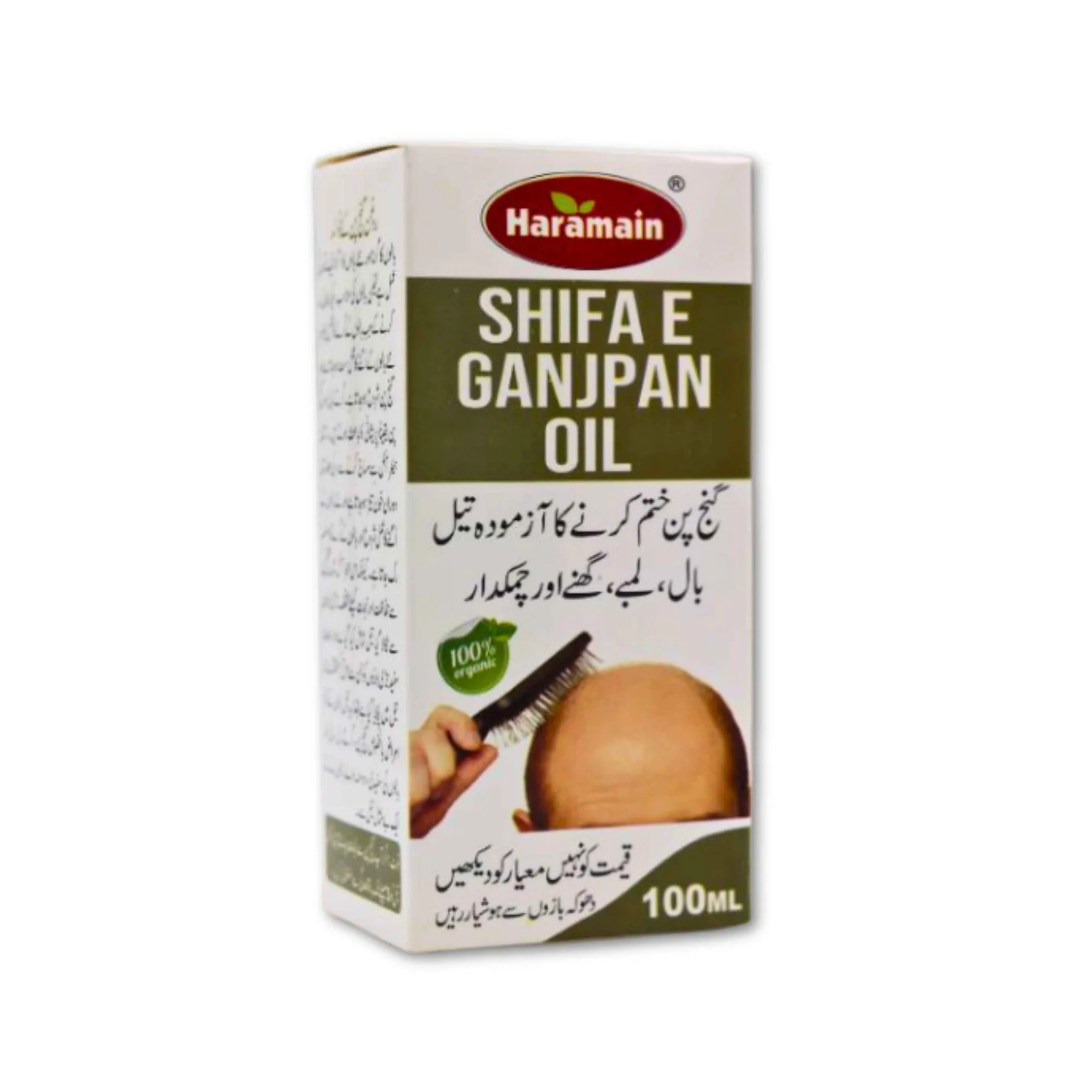
- Shifa E Ganjpan/Baldness Oil: Shifa E Ganjpan/Baldness Oil is a natural baldness and hair regrowth oil formulated to stimulate dormant hair follicles, strengthen roots, and combat hair thinning from the scalp; it is available in weight options. Another topical option for hair-loss concerns. The weight option lets you match quantity to your treatment area and routine, but it still does not replace an ingestible herbal form.
Who should choose which form
Best for
- People who want fast, pleasant relief for throat or cough and do not mind measuring a liquid dose
- Travelers or busy users who need precise, tasteless daily dosing without water
- Ritual drinkers who prefer a warm, low-pressure daily cup over concentrated extracts
Not for
- Anyone expecting a syrup to replace a prescribed medication for a medical condition
- People who dislike swallowing pills or mixing powders and need a tasteless option
- Shoppers looking for hair regrowth—topical oils, not syrups or teas, are the relevant format