Quick Answer
Sleep teas are formulated to promote drowsiness with sedative herbs like valerian or chamomile, while relaxation teas focus on easing stress without making you sleepy. Choose a sleep tea if you struggle to fall asleep, and a relaxation tea if you need to wind down but stay alert. For a flexible option, look for a blend that includes both calming and mildly sedative herbs.
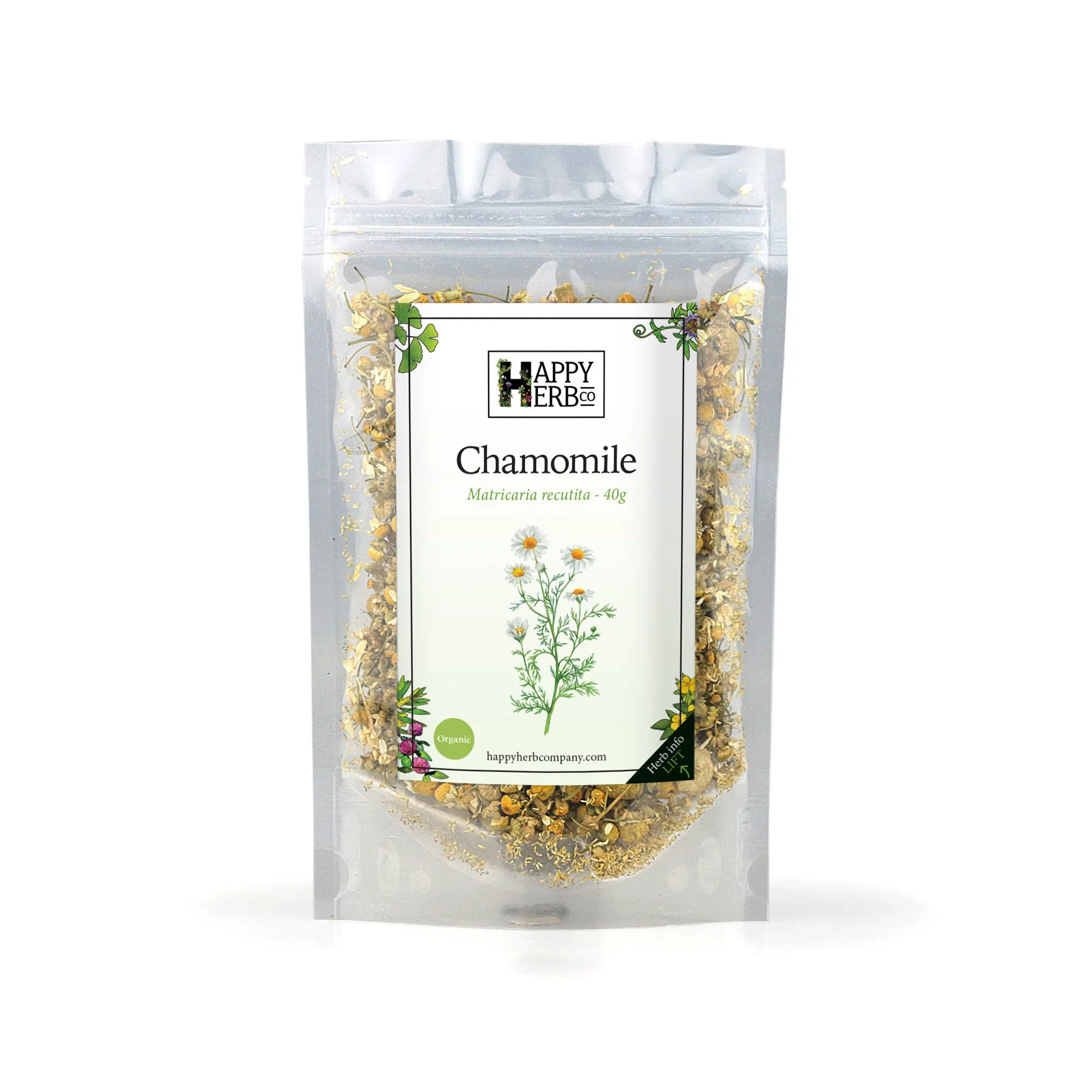
chamomile
When you're winding down in the evening, the tea aisle can feel overwhelming. Many blends promise calm, but not all are created equal. Some are designed to gently nudge you toward sleep, while others simply take the edge off a stressful day without making you drowsy. Understanding the difference between sleep teas and relaxation teas helps you choose a blend that matches your actual need.
This guide breaks down the key differences, highlights the herbs that matter, and offers practical tips for choosing the right tea for your bedtime routine.
What Is a Sleep Tea?
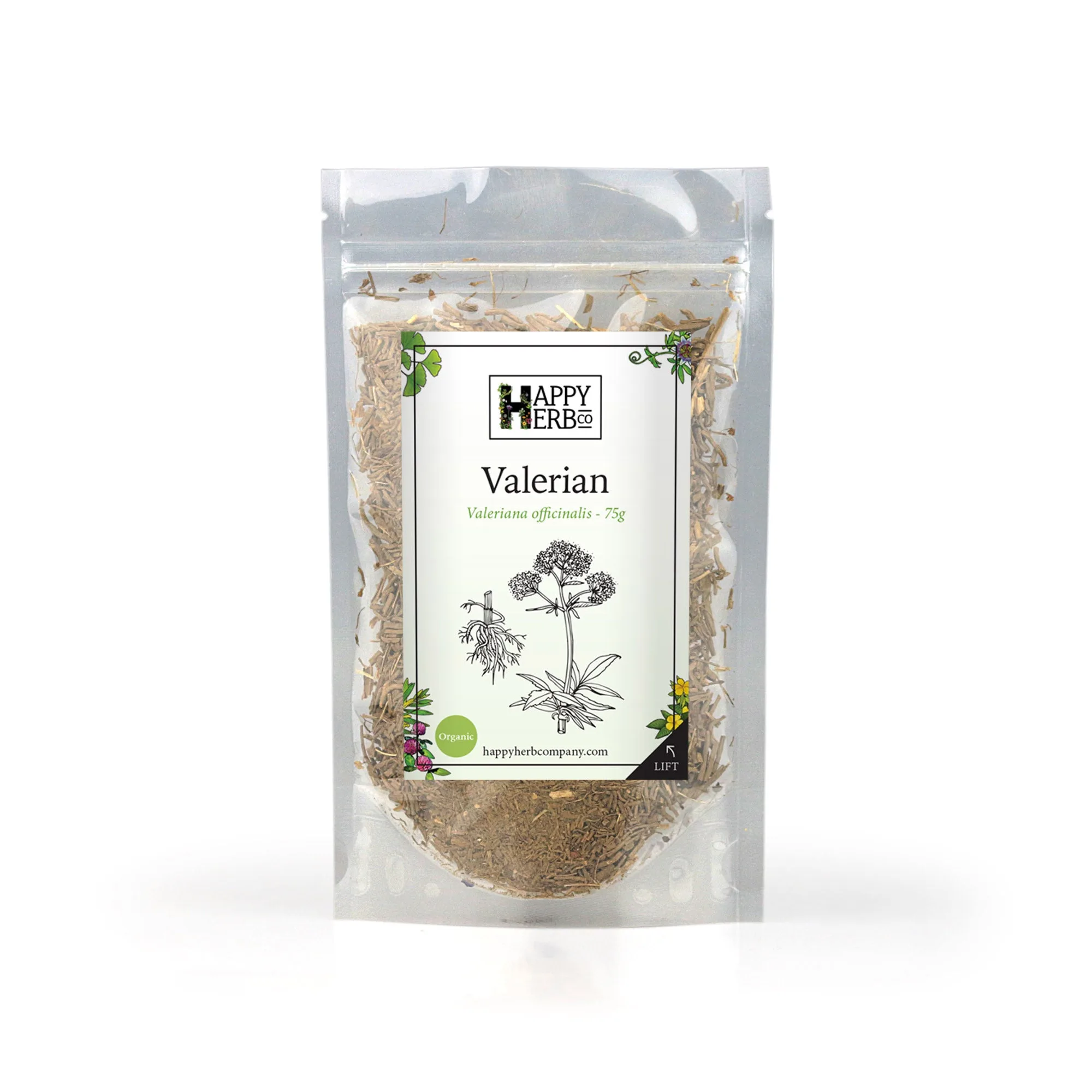
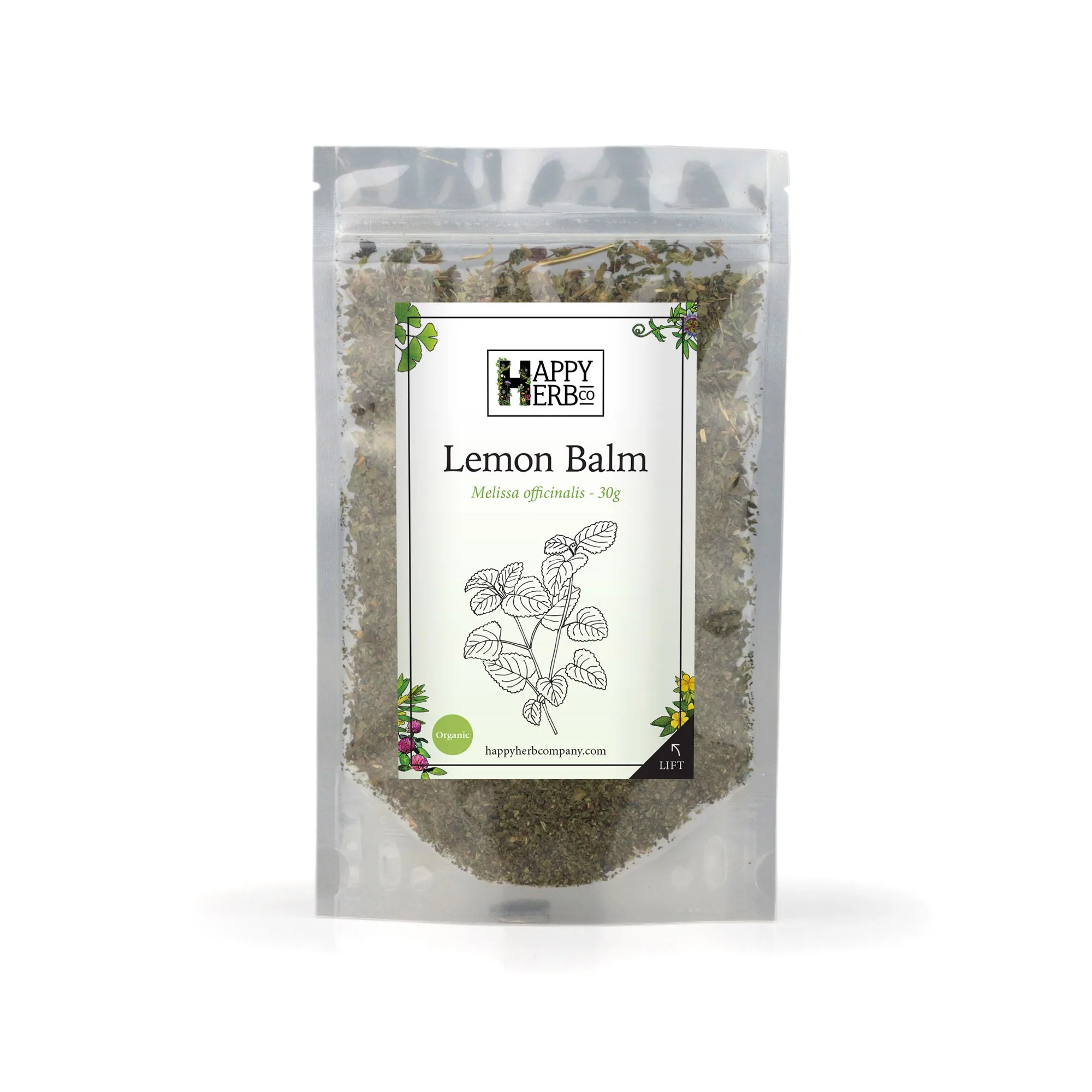
A sleep tea is specifically formulated to promote drowsiness and ease the transition into sleep. These blends often include herbs with sedative properties, such as valerian root, passionflower, or lemon balm. The goal is to reduce the time it takes to fall asleep and improve sleep quality.
Sleep teas are best used about 30-60 minutes before bed. Because they are more potent, they may cause grogginess if you need to stay alert after drinking them. If you wake up in the middle of the night, a sleep tea can help you drift back off.
- Look for herbs like valerian, passionflower, and chamomile in sleep-focused blends.
What Is a Relaxation Tea?
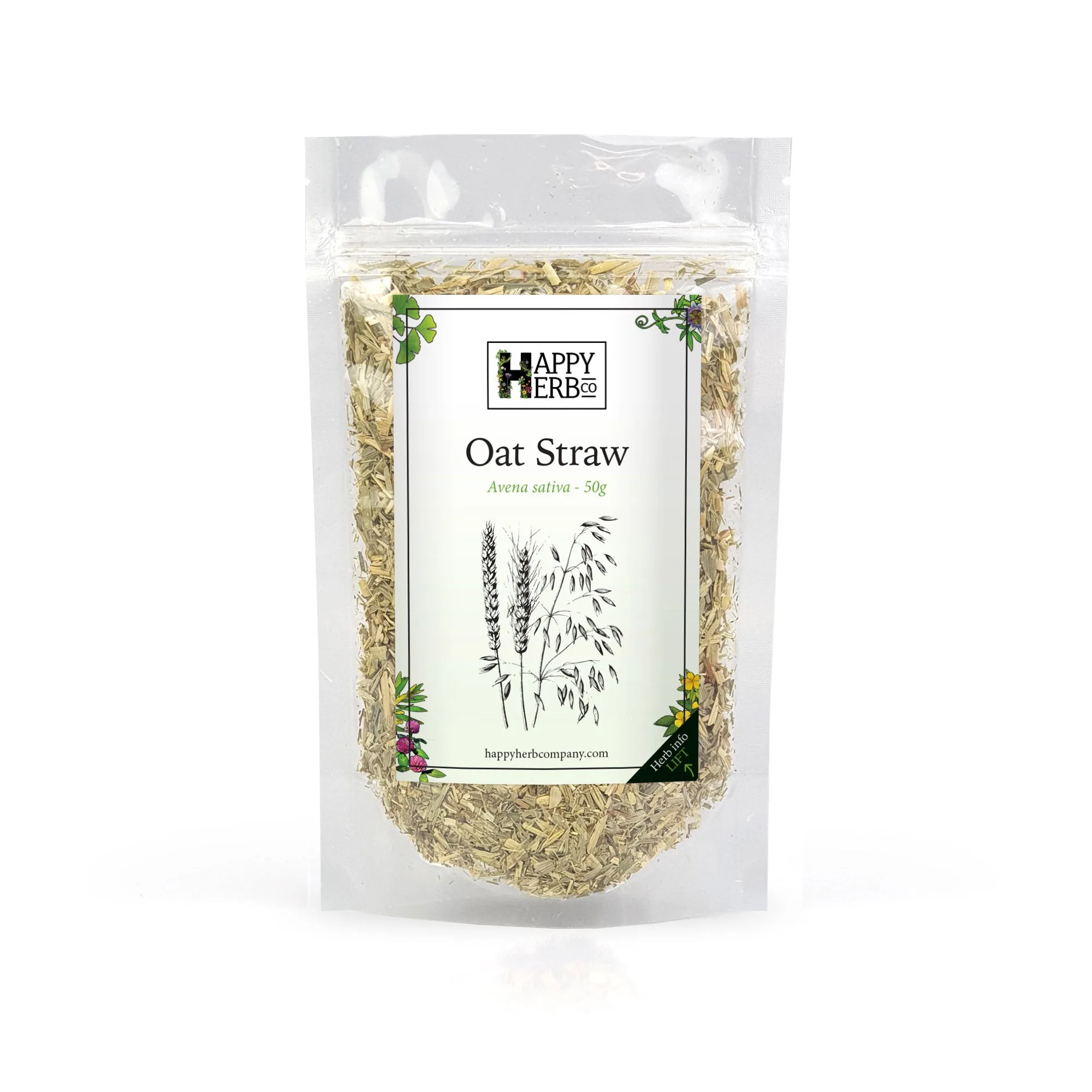
Relaxation teas are designed to calm the mind and body without necessarily making you sleepy. They often feature adaptogenic herbs or mild nervines like tulsi, oat straw, or lavender. These teas help reduce stress and anxiety, making them suitable for daytime use or early evening.
If you need to unwind after work but still want to be productive, a relaxation tea is a better choice. It can help lower cortisol levels and promote a sense of ease without the sedative effects of a sleep tea.
- Choose relaxation teas when you want to de-stress but still need to stay alert.
Key Differences at a Glance
The main difference lies in the herbs and their effects. Sleep teas contain sedative botanicals that encourage drowsiness, while relaxation teas use gentler nervines that calm without sedation. Additionally, sleep teas are typically consumed closer to bedtime, whereas relaxation teas can be enjoyed throughout the day.
Another difference is the intensity. Sleep teas are often stronger and may have a more pronounced flavor, while relaxation teas are milder and more versatile for daily sipping. Consider your schedule and sensitivity to sedatives when choosing.
How to Choose Based on Your Needs
Ask yourself: What is my primary goal? If you have trouble falling asleep or staying asleep, a sleep tea is the right choice. If you experience stress or anxiety during the day and need a gentle calm, a relaxation tea fits better.
If you're unsure, you can start with a relaxation tea and see how you respond. Some people find that calming herbs are enough to ease them into sleep naturally. Alternatively, you can create a routine that combines both: a relaxation tea in the early evening and a sleep tea closer to bedtime.
- Match the tea to the time of day and your desired level of drowsiness.
Sleep vs. Relaxation: The Tradeoffs
- Sedation vs. Alertness: Sleep teas make you drowsy; relaxation teas keep you alert. Choose based on whether you need to stay productive after your tea. If you have work or driving ahead, skip the sleep tea.
- Time of Day: Sleep teas are for bedtime only. Relaxation teas can be enjoyed any time you need to de-stress. Keep relaxation teas on hand for midday stress.
- Sensitivity: Some people are sensitive to sedative herbs and may feel groggy the next morning. Start with a smaller cup or choose a relaxation tea instead. Test how your body responds before committing to a full bedtime routine.
Products That Can Help
- Sinus Support Herbal Tea Blend: Developed by our in-house herbalist with one thing in mind: combining botanicals with a long tradition of use for nasal congestion, sinus pressure and seasonal discomfort. While not a sleep or relaxation tea, this blend can help you breathe easier, which is often a prerequisite for restful sleep. If congestion keeps you awake, this tea addresses that root cause.
- Brahmi 1:2 Liquid Herb: Thoughtful rather than stimulating, it has a long history of use among scholars, meditators, and those drawn to sustained mental clarity over time. Brahmi is a relaxation herb that supports a calm, steady mind without sedation. It's a good option for daytime stress relief when you need to stay focused.
- Snifters Nasal Inhalers - Happy: Made with the highest quality activated essential oils, designed to uplift your mood and leave you feeling fabulous. If you need a quick mood boost rather than deep relaxation, this inhaler offers an on-the-go option. It's not for sleep, but it can help shift your emotional state.
Which One Fits You?
Best For
- Sleep teas for people who have difficulty falling asleep or staying asleep.
- Relaxation teas for people who want to manage stress without feeling sleepy.
Not For
- Sleep teas for anyone who needs to stay alert after drinking (e.g., shift workers).
- Relaxation teas for those who need a strong sedative effect to combat insomnia.
Understanding the difference between sleep and relaxation teas empowers you to make a choice that truly supports your evening routine. Whether you need to drift off or simply decompress, there's a blend that fits. Start with your primary goal, consider the time of day, and listen to your body's response.