Quick Answer
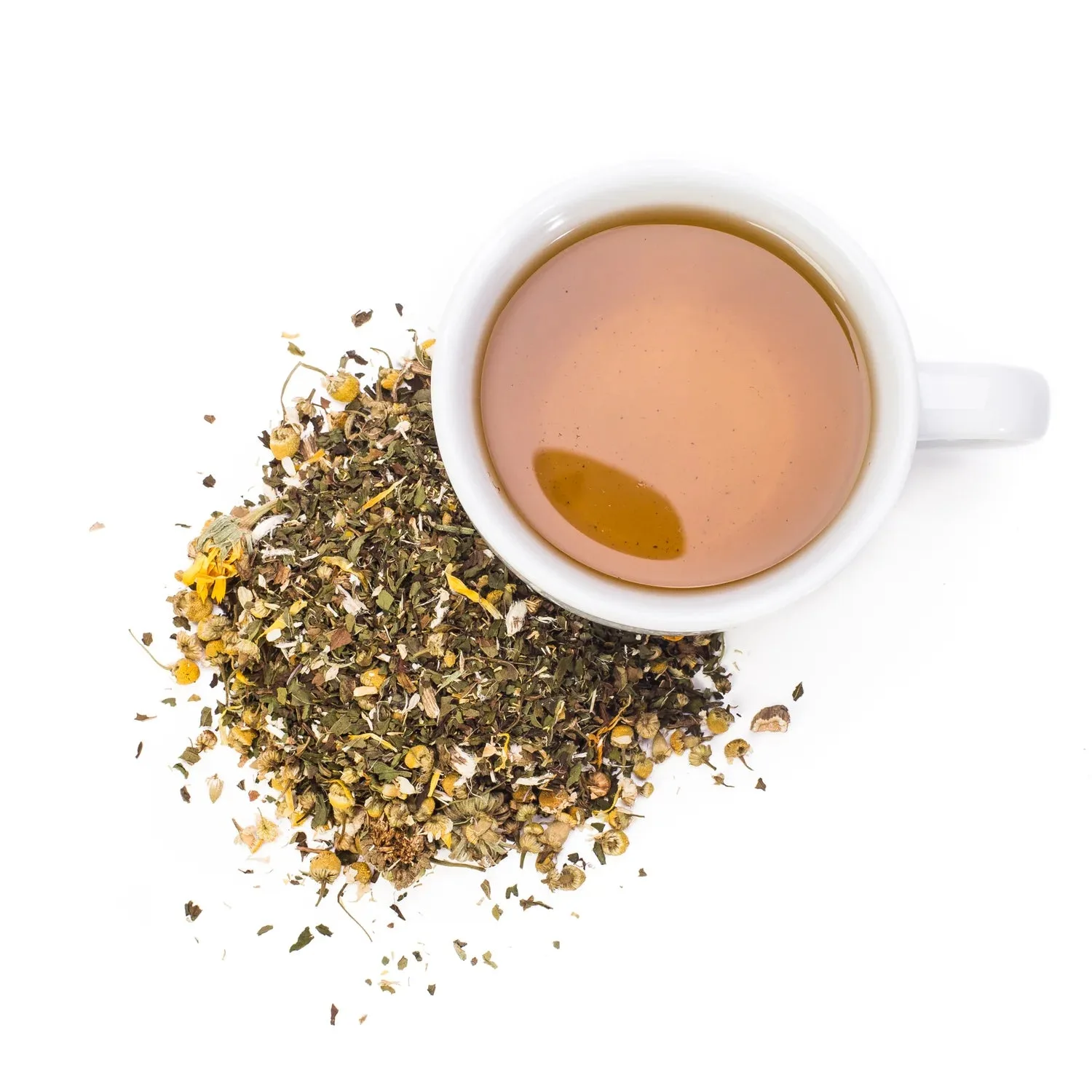
For natural bloating relief and after-meal comfort, choose a caffeine-free herbal tea blend that features carminative herbs like peppermint, ginger, or fennel. If you need a gentle daily digestive tea, look for a blend that combines mild stimulants like green tea with calming herbs for balanced support.
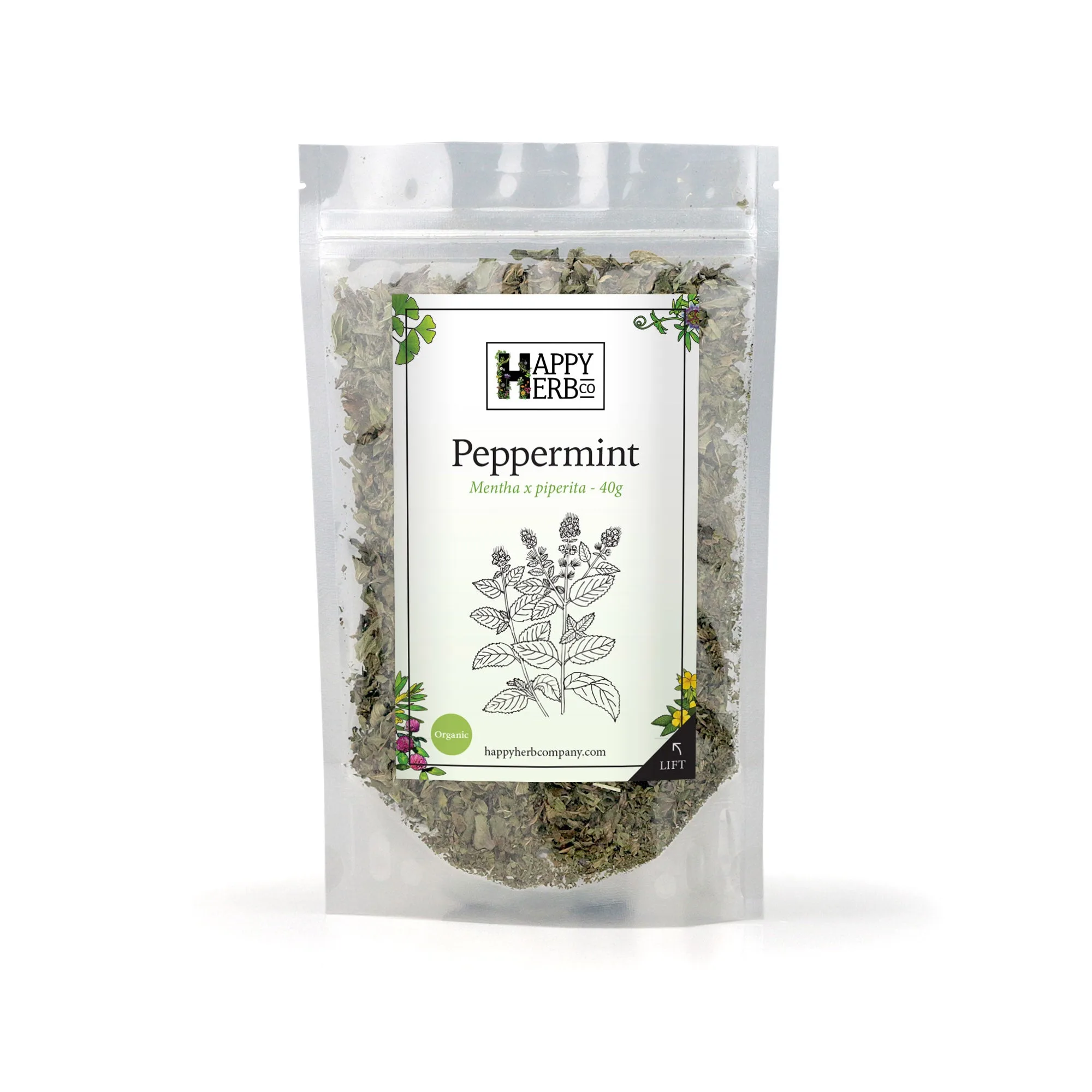
peppermint
If you often feel heavy, bloated, or uncomfortable after eating, a cup of herbal tea can be a simple, soothing ritual. But with so many blends on the shelf, how do you pick the right one? The key is to match the herbs to your specific digestive complaint—whether it's occasional bloating, sluggish digestion, or just a desire for a pleasant after-meal cup.
This guide breaks down what to look for in a digestive tea blend, explains the role of carminative herbs, and offers clear decision rules so you can choose with confidence.
What Makes a Tea Good for Digestion?
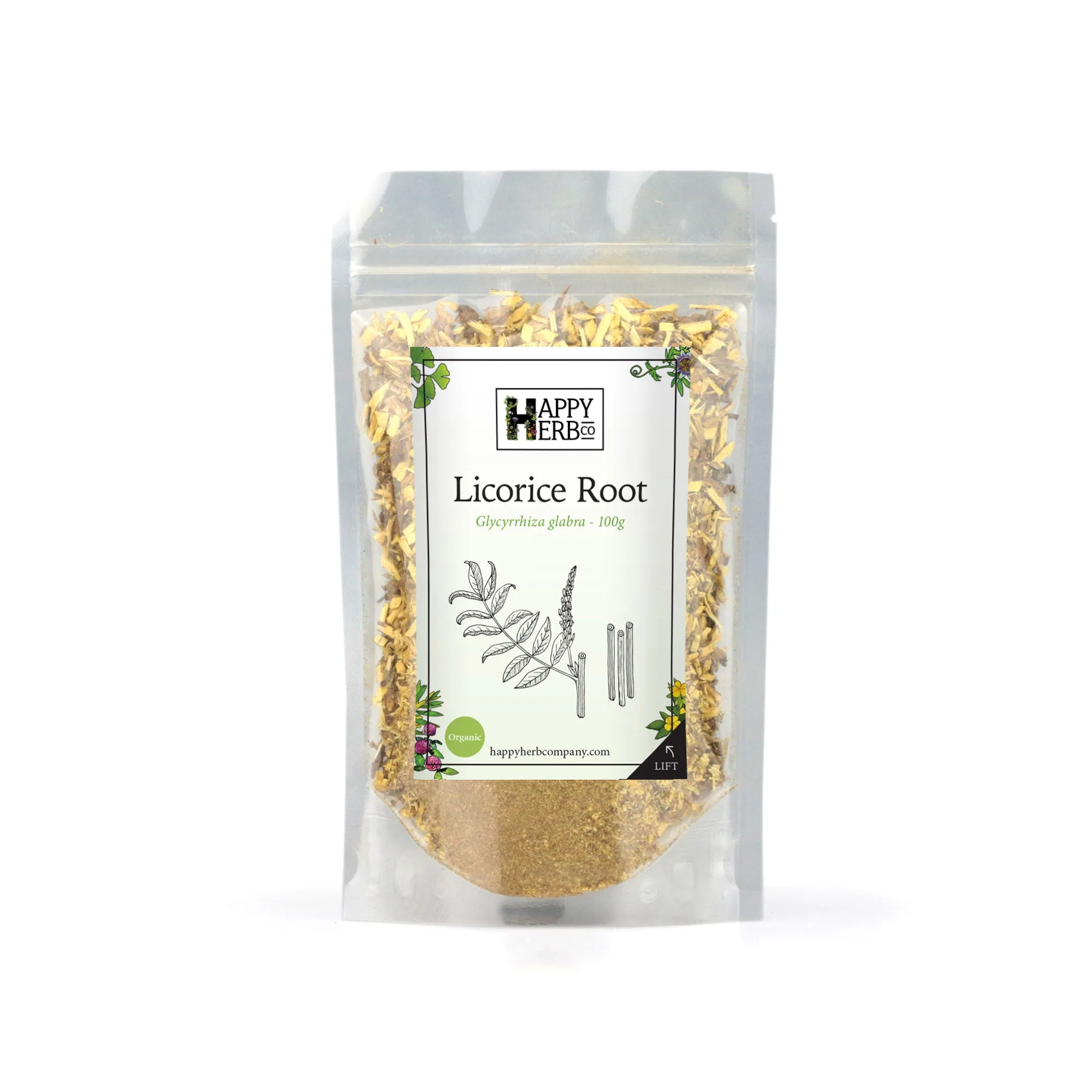
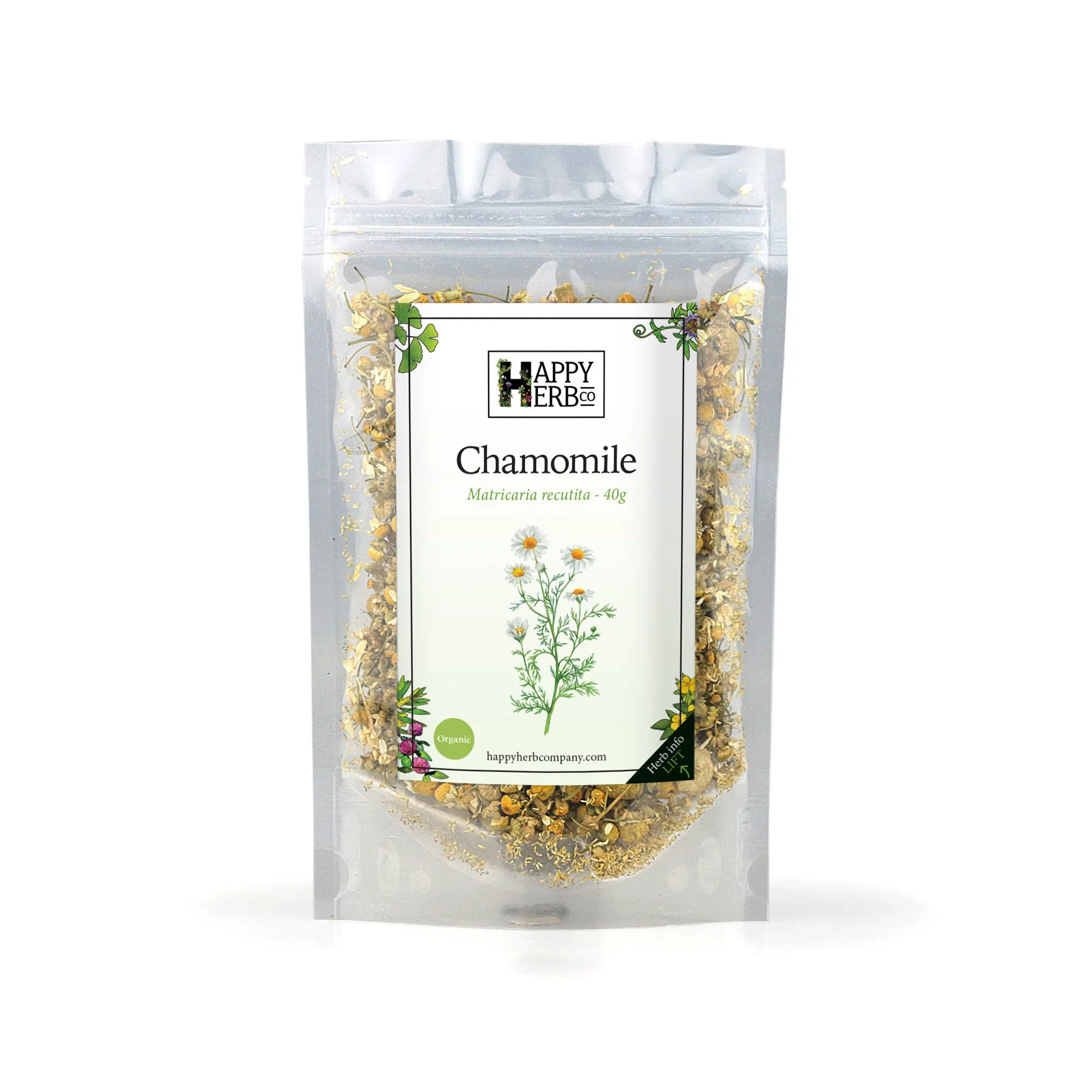
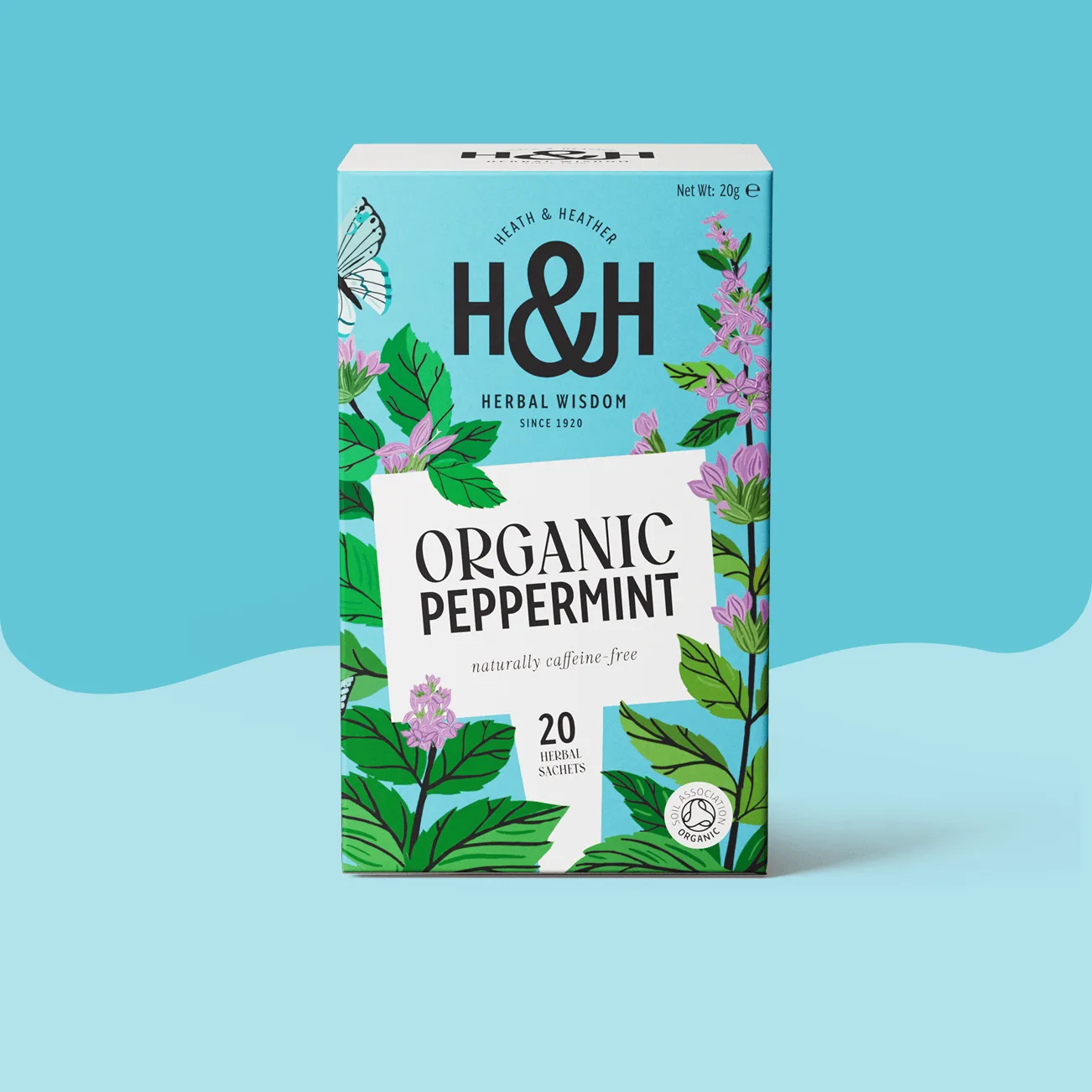
The most effective digestive teas rely on carminative herbs—plants that help relax the digestive tract, reduce gas, and ease bloating. Peppermint, ginger, fennel, chamomile, and licorice root are classic examples. These herbs can be used alone or blended to target different symptoms.
Another important factor is caffeine. While caffeine can stimulate digestion, it can also irritate the stomach or cause jitters for sensitive individuals. For evening or post-meal use, a caffeine-free blend is often gentler. If you prefer a mild lift, a small amount of green tea can provide alertness without overwhelming the system.
- Look for carminative herbs like peppermint, ginger, fennel, or chamomile.
- Decide whether you want caffeine or not—caffeine-free is best for sensitive stomachs or evening use.
- Consider flavor: sweet, spicy, or minty profiles can make the tea more enjoyable.
Common Digestive Tea Ingredients and What They Do
Peppermint is a go-to for bloating and gas because it helps relax the muscles of the digestive tract. Ginger adds warmth and can ease nausea or sluggish digestion. Licorice root is sweet and soothing, often used to harmonize other herbs and support the stomach lining.
Fennel seeds have a mild licorice-like flavor and are traditionally used to reduce gas. Chamomile is calming and can help with stress-related digestive upset. Green tea, in small amounts, provides gentle stimulation that some find helpful for after-meal alertness.
How to Choose Based on Your Symptoms
If your main issue is bloating or gas, prioritize a blend rich in carminative herbs like peppermint, ginger, and fennel. If you experience indigestion after heavy meals, a warming tea with ginger and licorice can be more comforting. For stress-related digestive issues, consider chamomile or other calming nervines.
Also think about when you'll drink it. After dinner, you likely want a caffeine-free tea to avoid disrupting sleep. For a daytime digestive aid, a blend with a touch of green tea can offer a gentle lift without the crash of coffee.
Decision Rules for Choosing a Digestive Tea
- Identify your primary symptom: Bloating and gas call for carminative herbs like peppermint, ginger, and fennel. Nausea or sluggishness may benefit from ginger. Stress-related upset often responds to calming herbs like chamomile. Match the herb to the symptom for the most targeted relief.
- Check the caffeine level: If you plan to drink the tea after dinner or in the evening, choose a caffeine-free blend. If you want a daytime digestive aid with a gentle lift, a blend with a small amount of green tea can work. Caffeine-free for evening; light caffeine for daytime.
- Consider flavor and form: Tea blends are convenient, but liquid extracts like tinctures can be added to hot water or other teas for a more customizable approach. Sweet, spicy, or minty profiles can make the experience more pleasant. Choose a form that fits your routine and taste.
Products That Fit the Bill
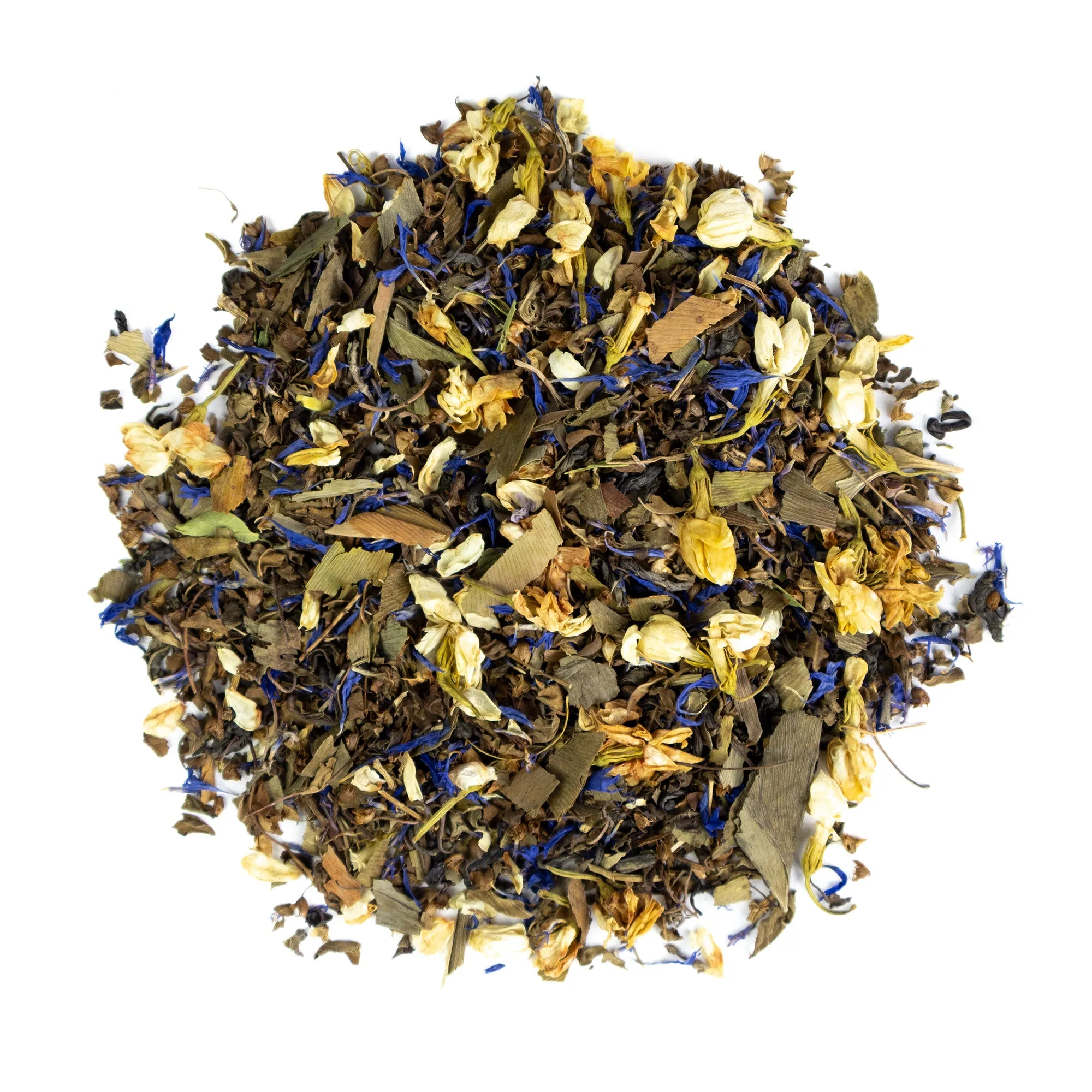
- Brainstorm Herbal Tea Blend: A delicately vanilla enhanced blend from our handcrafted luxury tea range, crafted for clarity, presence and sustained mental engagement. A small amount of green tea provides gentle stimulation and alertness, while the surrounding herbs bring a calm and focused quality that is entirely their own. If you want an after-meal tea that supports digestion while also helping you stay focused for the afternoon, this blend offers a balanced mix of gentle stimulation and calming herbs—ideal for daytime use.
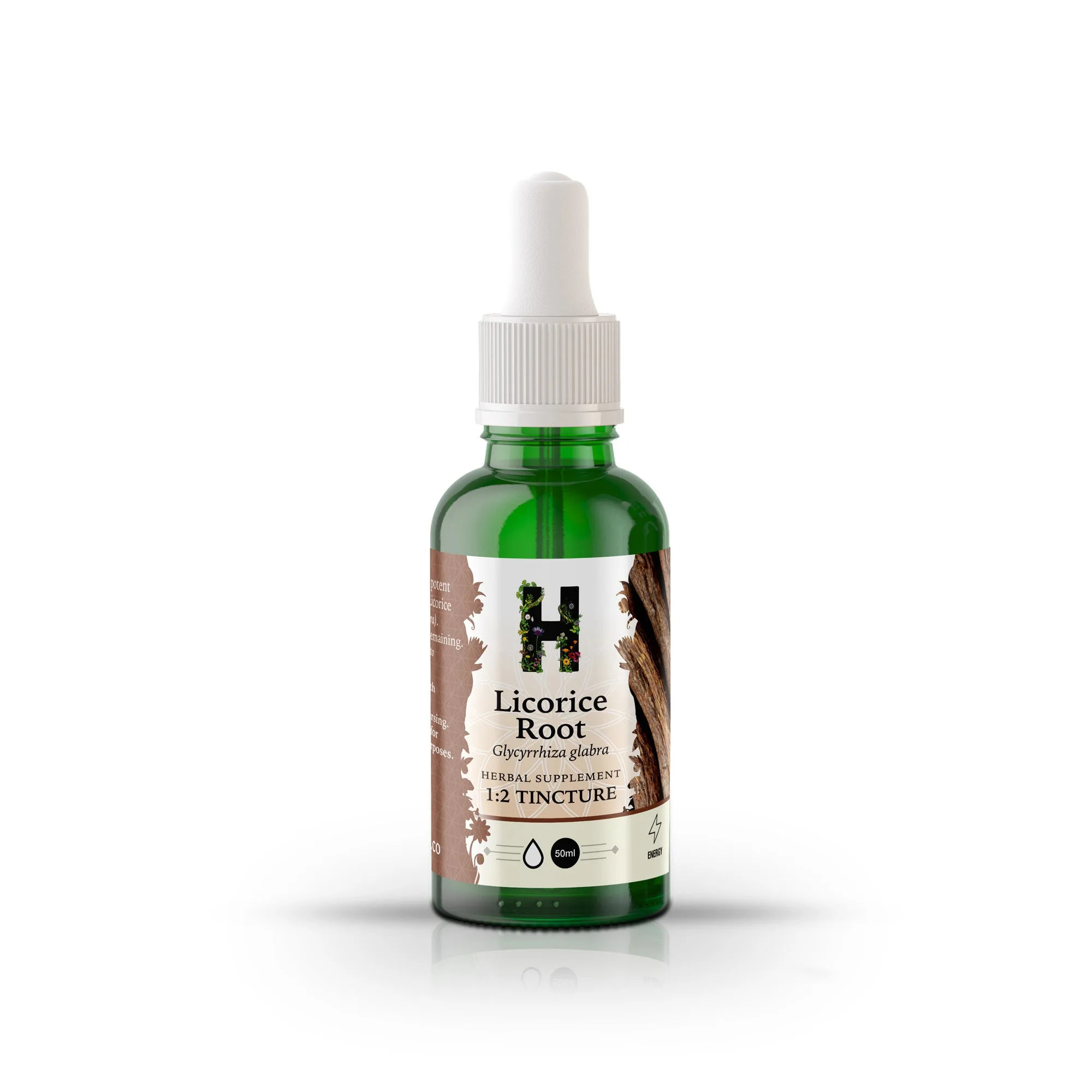
- Licorice 1:2 Liquid Herb: Sweet, grounding and deeply harmonising. Licorice Root has long been valued across Ayurvedic, Chinese and Western herbal traditions as one of herbalism's great unifiers. Traditionally added to formulas to soften, round and bring balance to the character of other herbs. While not a tea, this liquid extract can be added to your favorite digestive tea or taken directly. Its sweet, harmonizing nature makes it a flexible addition to any digestive routine, especially if you enjoy a sweet flavor.
Who Should Choose What
Best for
- People who want a convenient, caffeine-free herbal tea for bloating and after-meal discomfort.
- Those who prefer a mild stimulant with their digestive tea and need focus during the day.
Not for
- If you have severe or chronic digestive issues, consult a healthcare provider instead of self-treating with tea.
- If you are sensitive to caffeine, avoid blends with green tea, especially in the evening.
Choosing a herbal tea for digestion doesn't have to be complicated. Start with your primary symptom, decide on caffeine, and pick a flavor you enjoy. Whether you opt for a ready-made blend or a liquid extract to customize, the right tea can become a comforting part of your daily routine.