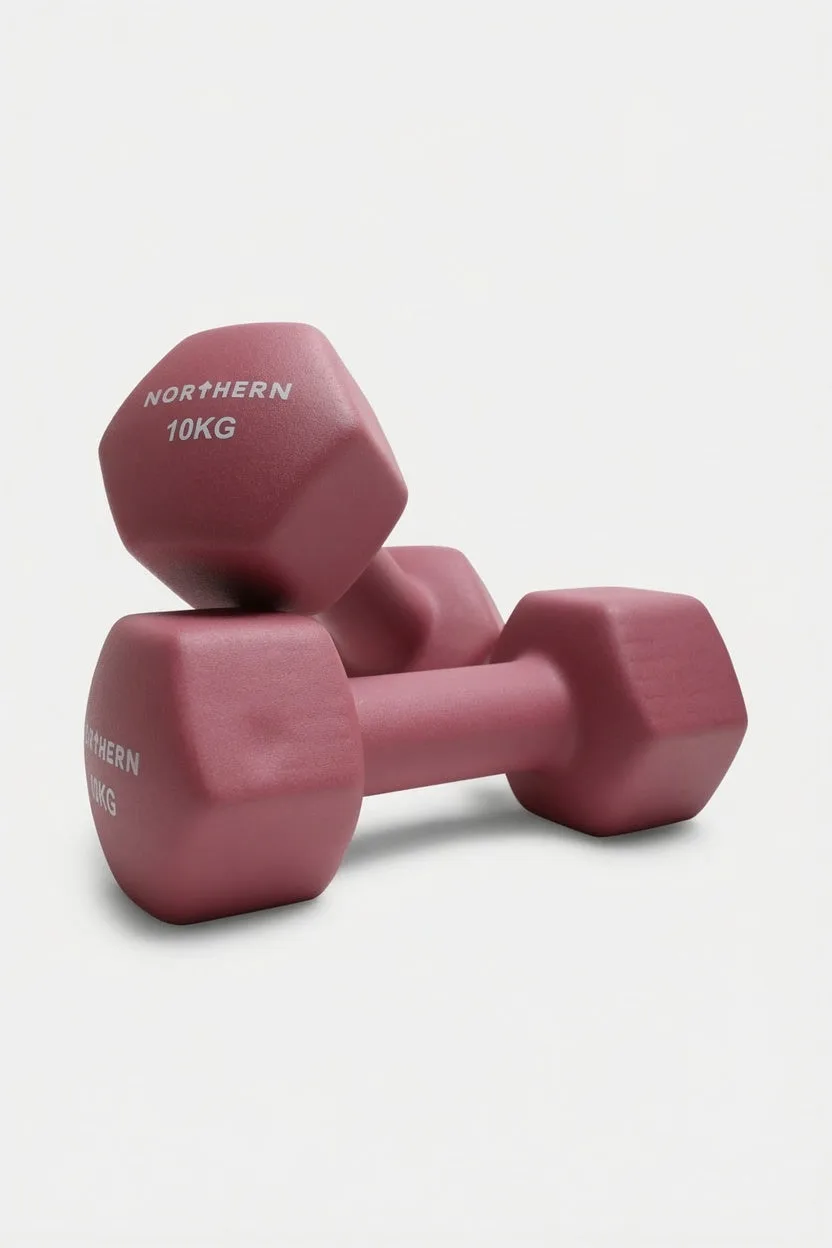
Why Compare 10kg Dumbbells to a Barbell for Legs?
If you are building a home gym on a budget or in a small space, you might wonder whether a pair of 10kg hex dumbbells can handle the leg work that a barbell would normally do. The short answer: for some exercises, yes, but the weight limit and movement patterns matter. This article compares what a 20kg dumbbell pair can and cannot do for leg training, based on the Northern Hex Dumbbells 10kg x 2 (20kg).
Dumbbell vs Barbell for Leg Exercises: Key Differences
A barbell allows heavier loads and bilateral movement, while dumbbells offer independent limb work and a greater range of motion. Here is how the 20kg dumbbell pair compares for common leg exercises.
- Squats: With a barbell, you can load more weight. With 10kg dumbbells (20kg total), goblet squats or dumbbell squats are possible but the weight is too light for progressive overload once you can squat your bodyweight. Follow the supplied product instructions for safe use.
- Deadlifts: Barbell deadlifts typically start at heavier weights. Dumbbell deadlifts with 20kg total are feasible for form practice or high-rep conditioning, but not for building maximal strength. Follow the supplied product instructions for safe use.
- Lunges and Split Squats: Dumbbells excel here because each leg works independently. 10kg per hand is enough for many intermediate lifters to feel a burn on walking lunges or Bulgarian split squats.
- Glute Bridges and Hip Thrusts: A barbell across the hips is awkward with light weight. Dumbbells are easier to position, and 20kg total is a reasonable starting load for glute bridges.
What the Northern Hex Dumbbells Offer
-
Hex Dumbbells 10kg x 2 (20kg): Sold in pairs, weight 10kg each (20kg total). Range available between 2.5kg and 50kg. If 20kg becomes too light, you can purchase heavier pairs within the same hex dumbbell line without changing your equipment style.
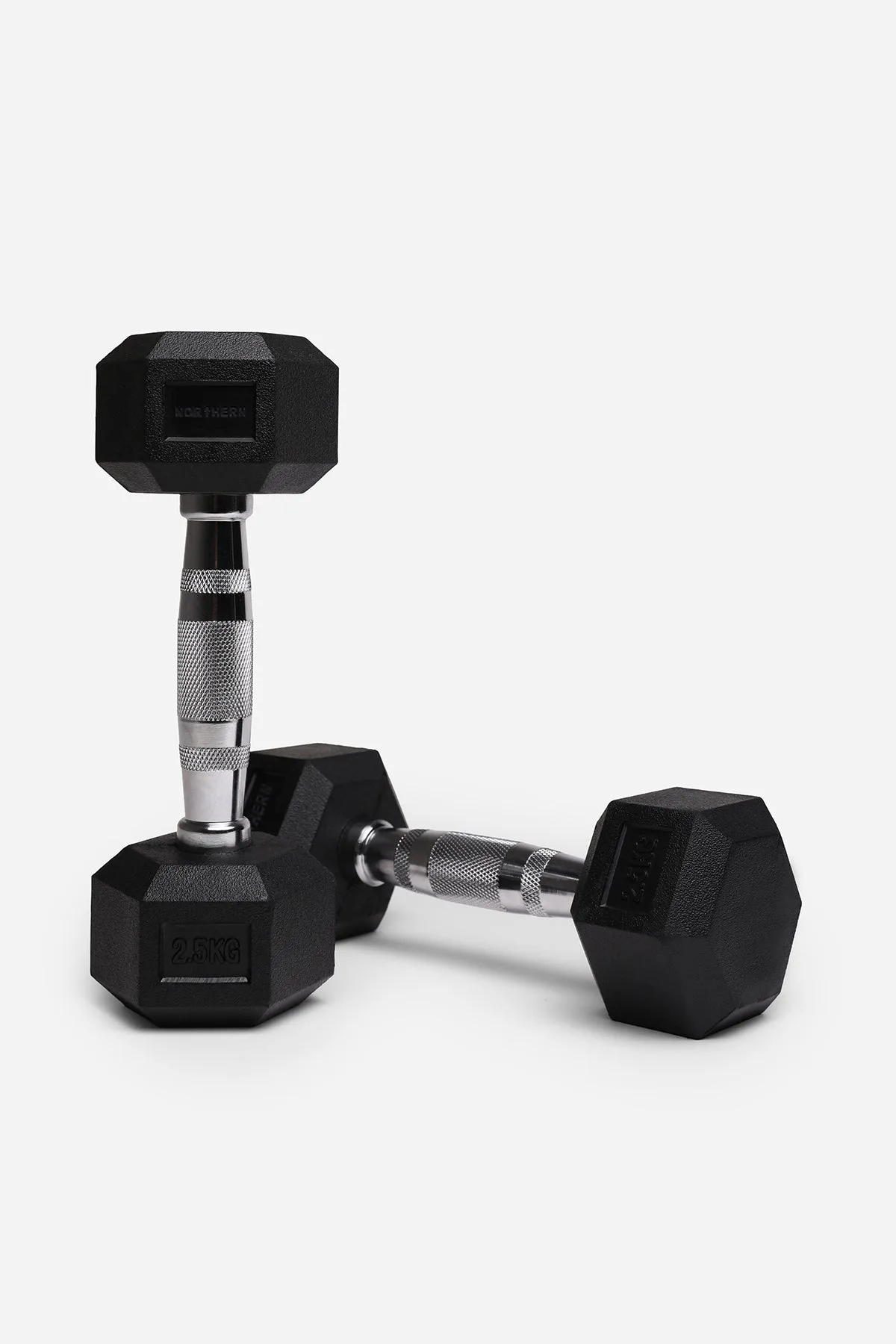
Hex Dumbbells 10kg x 2 (20kg)
-
Hex Dumbbells 10kg x 2 (20kg): Hexagonal shape prevents rolling when not in use, making storage safe and easy. Unlike a barbell, you do not need a rack or stands; these dumbbells sit flat on the floor, ideal for small home gyms.
-
Hex Dumbbells 10kg x 2 (20kg): Rubber-covered heads protect floors and reduce noise during drops or sets. Leg exercises often involve lowering weights to the floor. The rubber coating lets you do dumbbell deadlifts or lunges without damaging your flooring.
When a 20kg Dumbbell Pair Works for Legs
A 10kg dumbbell in each hand is a good starting weight for beginners learning squat and deadlift mechanics. It also works well for high-rep endurance sets, circuit training, or rehabilitation after injury. The ergonomic chrome handle with knurled grip provides a secure hold even during sweaty leg sessions. Because the dumbbells are sold in pairs, you can also use one for single-leg exercises like Romanian deadlifts or step-ups.
When a Barbell Is the Better Choice
If your primary goal is building maximal leg strength or power, a barbell allows you to load more weight. The 20kg total from a pair of 10kg dumbbells will become insufficient within a few months for most lifters. Additionally, exercises like back squats and conventional deadlifts require a barbell to distribute weight across the back or hips. The hex dumbbells cannot replicate that loading pattern. Follow the supplied product instructions for safe use.
Practical Trade-Offs to Consider
The Northern Hex Dumbbells 10kg x 2 (20kg) are a versatile and affordable addition to a home gym, but they are not a full barbell replacement for leg training. If you are a beginner or train for general fitness, they will serve you well for many leg exercises. If you need progressive overload beyond 20kg, consider buying heavier pairs from the same range (up to 50kg per dumbbell) or adding a barbell setup later.