Quick answer
Choose a hex head cap screw when you need a cost-effective, partially threaded fastener for general machinery assembly. Choose a socket cap screw with a hex socket drive when you need a flush, fully threaded fastener for precision tooling and jigs.
Drive style and access
A hex head cap screw uses an external hex head designed for a wrench or socket drive. This gives you high torque application but requires clear access around the fastener. A socket cap screw uses an internal hex socket drive, which allows you to drive it from directly above. This is especially useful in tight spots where a wrench cannot fit.
Thread coverage and grip
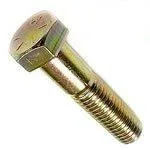
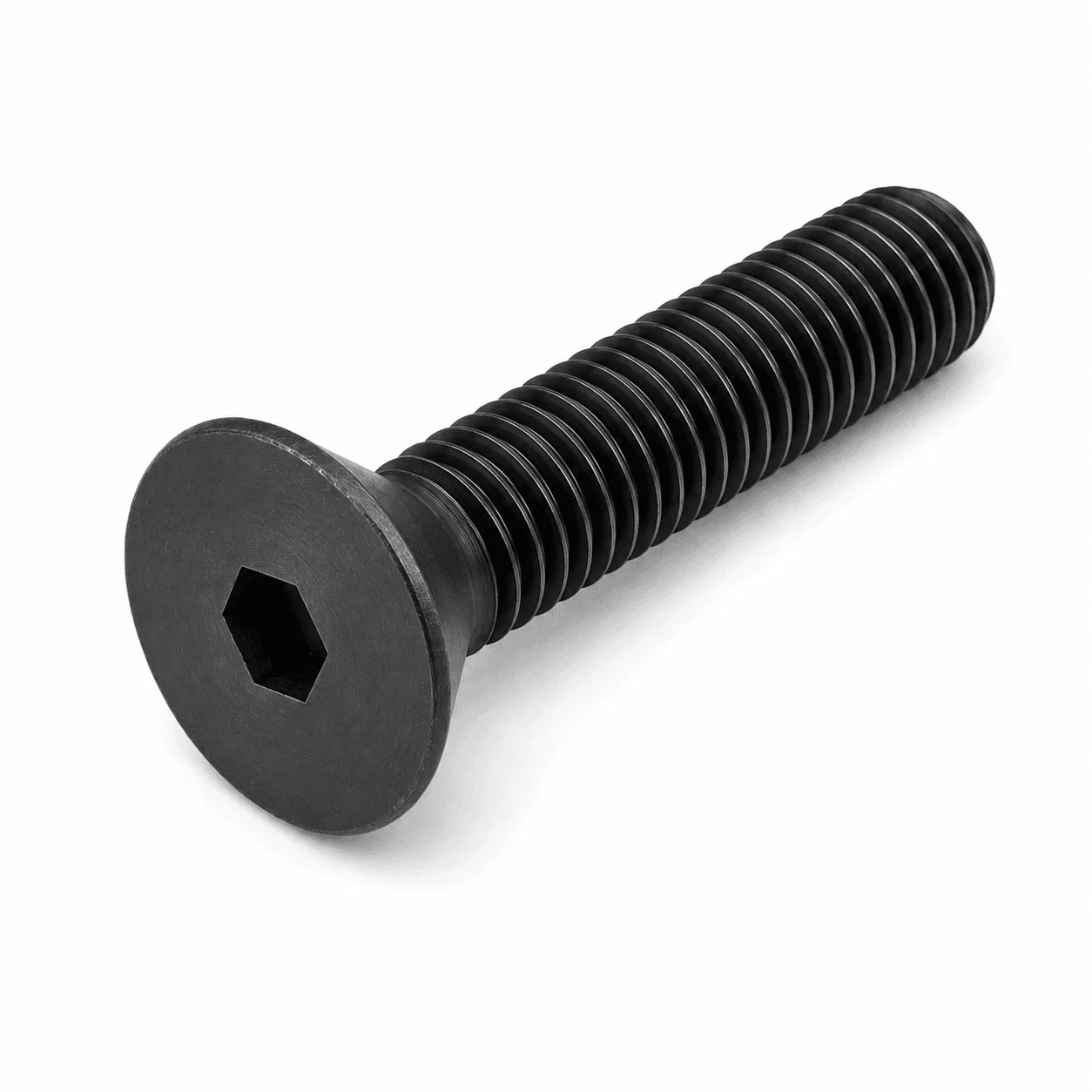
Thread style is a major difference. The 1/2-13 hex head cap screw is partially threaded, meaning the unthreaded shank provides shear strength and precise grip length when clamping stacked components. The 1/2-20 socket cap screw is fully threaded, giving you maximum thread engagement in tapped holes or when used with a nut. For applications where the bolt passes through multiple parts, a partially threaded design can prevent the threads from damaging internal bores.
Grade and finish considerations
The hex head cap screw is Grade 5 steel with a yellow zinc Cr+6 finish, offering good strength and corrosion resistance for general industrial use. The socket cap screw is alloy steel with a thermal black oxide finish, which provides a dark, non-reflective surface and some corrosion protection, but less than zinc. The alloy steel construction is typical for higher strength in smaller diameters, though the catalog does not specify a grade number for this socket screw.
Hex head vs socket cap: trade-offs at a glance
- Drive access: Hex head requires side access for a wrench or socket. Socket cap can be driven from directly above with a hex key, ideal for tight spaces.
- Thread style: Partially threaded hex head provides a smooth shank for shear strength and precise clamping. Fully threaded socket cap offers maximum thread engagement in tapped holes.
- Head profile: Hex head sits above the surface. Flat head socket cap sits flush or slightly below the surface when countersunk.
- Strength and finish: Grade 5 steel with yellow zinc is a common choice for general fastening. Alloy steel with black oxide is typical for higher strength in smaller diameters and a non-reflective appearance. If you need a specified grade rating, confirm the socket screw's grade separately, as it is not listed in the catalog.
Featured products
-
1/2-13 X 2-3/4" Hex Head Cap Screws | Grade 5 Steel Yellow Zinc | Partially Threaded (50 / Pkg.): 1/2-13 x 2-3/4" hex head cap screw, Grade 5 steel, yellow zinc Cr+6 finish, partially threaded, sold in packs of 50. The partially threaded shank gives you a precise grip length for clamping, while the Grade 5 rating and yellow zinc finish provide reliable strength and corrosion resistance for general machinery assembly.
1/2-13 X 2-3/4" Hex Head Cap Screws | Grade 5 Steel Yellow Zinc | Partially Threaded (50 / Pkg.)
-
1/2-20 X 1-3/4" Socket Cap Screws | Flat Head Hex Socket Drive | Nylon Pellet | Fully Threaded | Alloy Steel Thermal Black Oxide (50 / Pkg.): 1/2-20 x 1-3/4" socket cap screw, flat head, alloy steel thermal black oxide, fully threaded, hex socket drive, sold in packs of 50. The flat head and hex socket drive allow flush mounting in countersunk holes, and the fully threaded design ensures maximum thread engagement in tapped holes for precision tooling and jigs.
1/2-20 X 1-3/4" Socket Cap Screws | Flat Head Hex Socket Drive | Nylon Pellet | Fully Threaded | Alloy Steel Thermal Black Oxide (50 / Pkg.)
Which fastener should you choose?
Best for
- General machinery and equipment assembly where a partially threaded shank is needed for precise clamping
- Applications where a wrench or socket can access the bolt head easily
Not for
- Tight spaces where side access is limited
- Applications requiring a flush or countersunk head
- Tapped holes where full thread engagement is critical