The Short Answer: Pick by Flavor Mood
Hibiscus Tea and TST Ginger Tea are both herbal infusions, but they pull in opposite directions. Hibiscus is bright, floral and tangy, with a ruby-red infusion that works hot or iced. TST Ginger Tea is described as a soothing blend built around warmth and natural relief, with ginger as the lead flavor.
If you want a lively, aromatic cup for gatherings or a caffeine-free alternative to traditional tea, hibiscus is the clearer match. If you want a comforting, warming cup for calmer moments, ginger is the better fit. Neither product record supplies brewing times, water temperatures or allergen details, so treat those as questions to confirm on the pack rather than assumptions.
Hibiscus vs Ginger at a Glance
- Flavor direction: Hibiscus is floral and tangy; TST Ginger Tea is warming and ginger-led. This is the main dividing line for most buyers.
- Serving style: The hibiscus record explicitly supports hot or iced serving. The ginger record does not specify iced preparation, so hot is the safer default until the pack says otherwise.
- Pack sizes: Hibiscus comes in 40 g, 60 g, 90 g and g120 variants. TST Ginger Tea comes in 120 g, 220 g, 300 g and 400 g variants.
- Caffeine-free status: Both are described as herbal teas, but the supplied records do not state caffeine content explicitly. Confirm on the packaging if caffeine-free is a hard requirement.
- Gifting fit: Hibiscus suits hosts who enjoy floral, elegant drinks; ginger suits recipients who prefer cozy, warming cups. Both have multiple sizes, which helps with gift budgets.
What the Catalog Confirms About Hibiscus Tea
-
Hibiscus Tea – Premium Floral & Tangy Herbal Infusion: Crafted from pure hibiscus petals for a vibrant, ruby-red infusion. Explains the color and clean floral character you can expect in the cup.
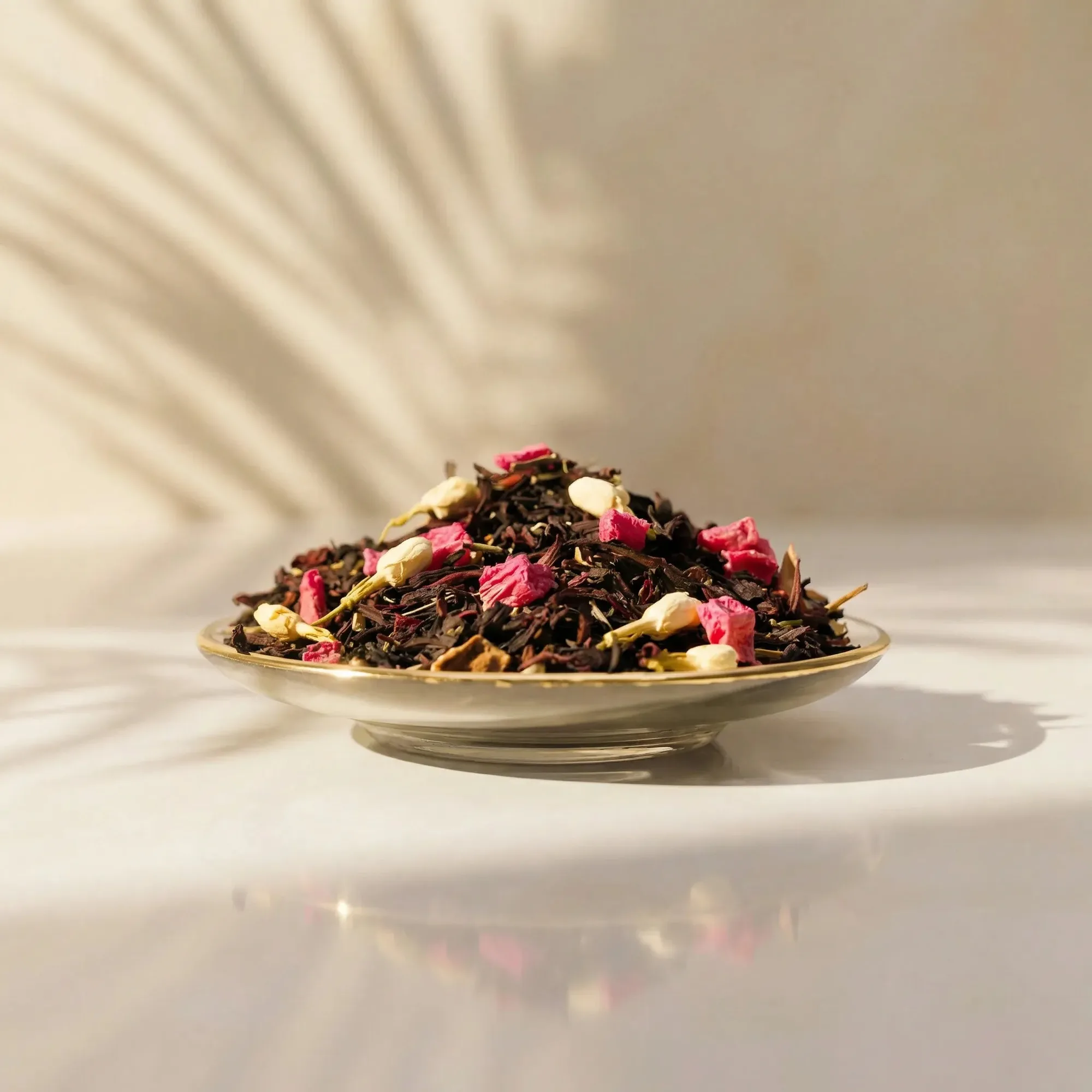
Hibiscus Tea – Premium Floral & Tangy Herbal Infusion
-
Hibiscus Tea – Premium Floral & Tangy Herbal Infusion: Described as bright, floral and refreshing, with a naturally tangy flavor and aromatic profile. Sets expectations for a lively, tart cup rather than a mild or sweet one.
-
Hibiscus Tea – Premium Floral & Tangy Herbal Infusion: Positioned for hot or iced enjoyment, gatherings, relaxing moments and as an alternative to traditional tea. Makes it the more flexible choice for entertaining and warm-weather serving.
-
Hibiscus Tea – Premium Floral & Tangy Herbal Infusion: Available in 40 g, 60 g, 90 g and g120 sizes. Lets you match a small trial pack or a larger household supply.
What the Catalog Confirms About TST Ginger Tea
-
TST Ginger Tea: A soothing blend crafted to bring warmth and natural relief. Frames the cup as comforting and warming rather than bright or tangy.
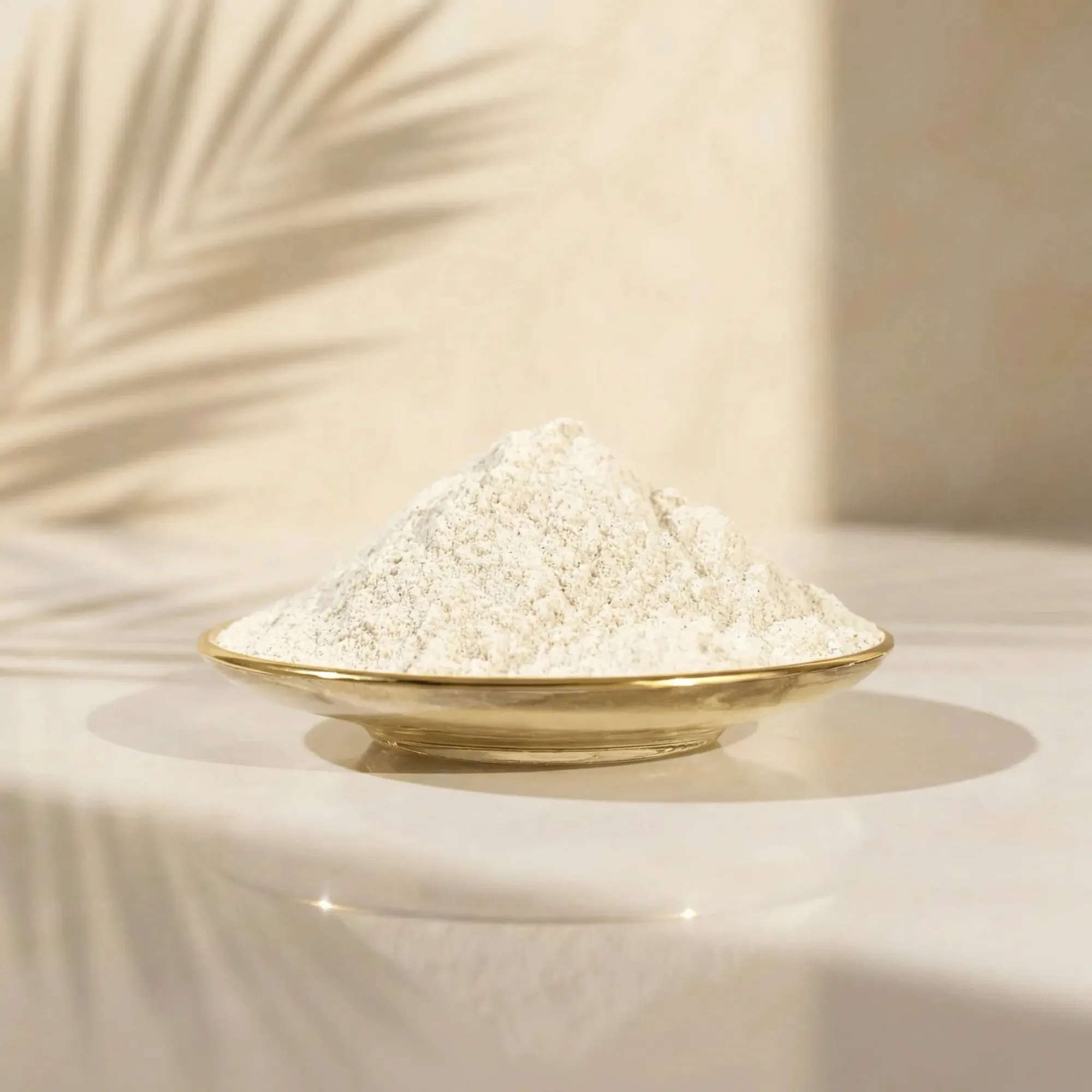
TST Ginger Tea
-
TST Ginger Tea: Ginger is described as known for calming the stomach, easing discomfort, supporting immunity and reducing everyday tension. These are catalog descriptions of ginger generally, not verified medical claims for this product.
-
TST Ginger Tea: Available in 120 g, 220 g, 300 g and 400 g sizes. Offers larger formats than the hibiscus range, which suits frequent ginger drinkers.
Floral vs Spicy: Matching the Cup to the Moment
Hibiscus earns its place when you want contrast: a tangy, aromatic pour that stands out beside food, works over ice, and feels festive enough for a gathering. Its ruby-red color also makes it a natural centerpiece for a drinks table.
TST Ginger Tea is the choice for slow, warming sipping. The catalog language around comfort, balance and gentle warmth points to a cup you reach for in cooler weather or at the end of the day. If you dislike tart flavors, hibiscus may not be your first pick; if you want a bright, refreshing profile, ginger may feel too mellow.
Choosing a Size for Daily Drinking or Gifting
- Try before committing: The 40 g hibiscus pack is the smallest entry point in the supplied records. TST Ginger Tea starts at 120 g, so ginger is less suited to a small trial.
- Regular solo drinker: A 60 g or 90 g hibiscus pack or a 120 g ginger pack covers everyday cups without overbuying.
- Household or entertaining: The g120 hibiscus size and the 220 g to 400 g ginger sizes suit shared kitchens and gatherings.
- Gift giving: Hibiscus leans elegant and floral; ginger leans cozy and warming. Choose by the recipient's taste rather than by price.
What the Records Do Not Tell You
The supplied information does not include brewing instructions, water temperature, steeping time, allergen statements, ingredient lists beyond the lead flavor, or explicit caffeine-free certification. It also does not confirm health outcomes for either product; the ginger record describes general associations with ginger, not tested results for this blend.
Use the pack directions as your authority for preparation, and check the label if you are buying for someone with allergies or a medical condition. Those gaps are not a reason to avoid either tea, but they are a reason not to guess.