Two herbal teas, two different profiles
Hibiscus tea and moringa tea are both popular herbal infusions, but they come from different plants and offer distinct characteristics. Choosing between them depends on what you're looking for in a cup: a tart, floral brew with a clean label, or a leafy tea marketed for energy and nutrition. Here's a side-by-side look based on what the product labels actually confirm.
Hibiscus Tea vs Moringa Tea at a glance
These two teas are not interchangeable; each has a unique flavor and purpose. The table below summarizes the key differences based on the supplied product facts.
- Source ingredient: Hibiscus Tea is made from hibiscus flowers. Moringa tea is made from dried Moringa oleifera leaves.
- Label claims: Hibiscus Tea is labeled 100% Pure, 100% Natural, 100% Vegan, No additives, No preservatives, No GMO, and Gluten free. Moringa tea is described as loaded with antioxidants and vitamins that boost energy and provide clarity of mind; it comes in a box of 20 tea bags.
- Flavor profile: Hibiscus Tea is described as having a unique taste and aroma, a sophisticated blend that tantalizes the senses. Moringa tea is described as a refreshing and nutritious energy boost.
- Form: Hibiscus Tea is sold as loose flowers or bags (not specified in the record). Moringa tea is sold as 20 tea bags.
- Price (catalog comparison): Hibiscus Tea: USD 285.60 (compare at USD 420.00). Moringa tea: USD 92.30 (compare at USD 130.00).
What the labels confirm—and what they don't
The hibiscus tea label explicitly states purity and dietary attributes: 100% Pure, 100% Natural, 100% Vegan, No additives, No preservatives, No GMO, and Gluten free. If you need a tea with no additives or a gluten-free claim, this one is clearly marked. The moringa tea label makes broader claims about antioxidants, vitamins, energy, and mental clarity, but the supplied information does not confirm specific levels of these nutrients or any purity certifications. The moringa tea description also contains a typo ("mowith"), which does not affect the product itself but is worth noting for accuracy.
Product facts: what the supplied records show
-
Hibiscus Tea: Hibiscus Tea is 100% Pure, 100% Natural, 100% Vegan, No additives, No preservatives, No GMO, Gluten free. These claims are directly relevant if you avoid additives, preservatives, GMOs, or gluten, and want a tea with a transparent label.
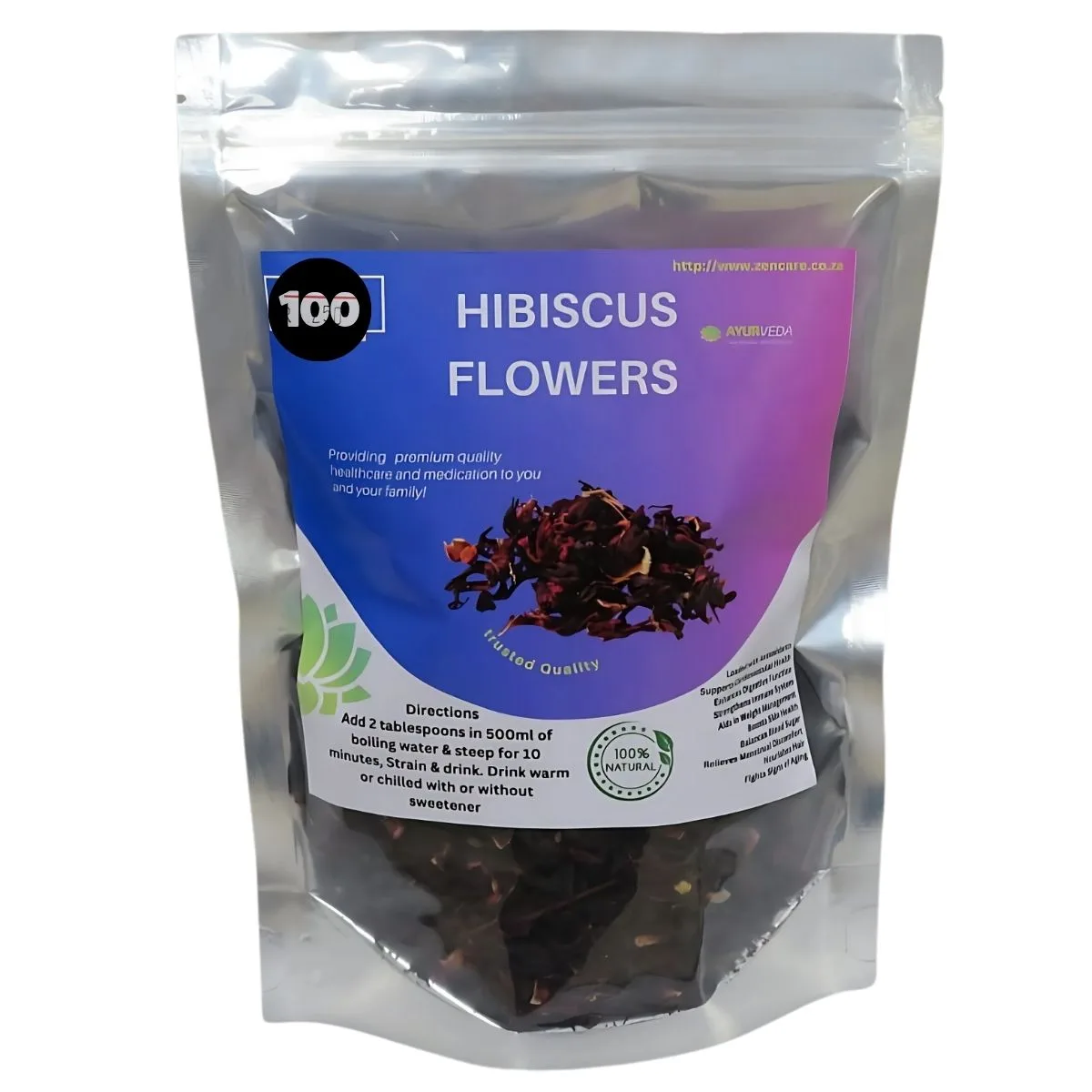
Hibiscus Tea
-
Moringa tea: Moringa tea is described as loaded with antioxidants and vitamins that boost energy levels and give clarity of mind. Contains 20 tea bags. The label positions this tea as an energy and focus aid, but the specific antioxidant and vitamin content is not confirmed in the supplied information.
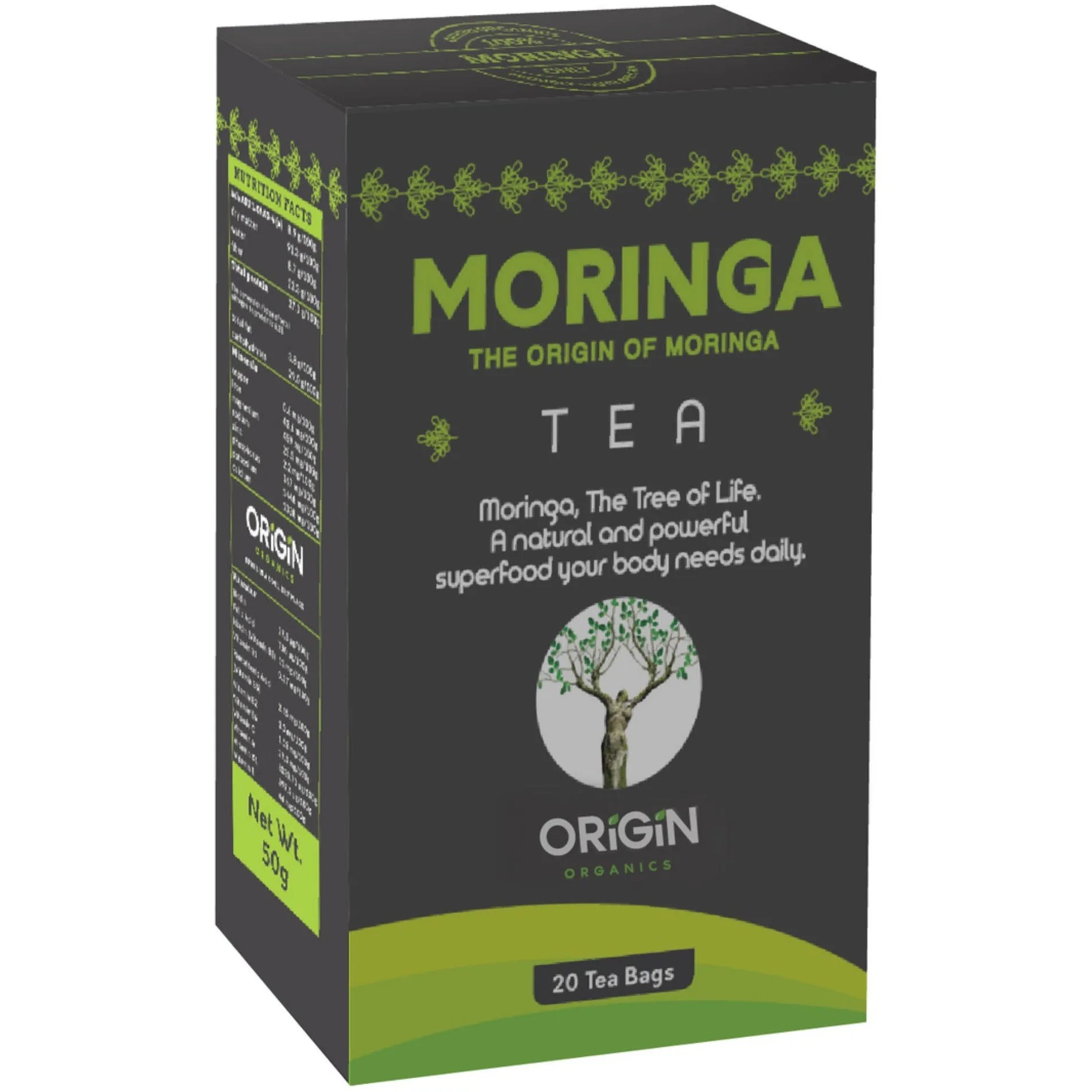
Moringa tea
Key trade-offs to consider
Hibiscus Tea offers a clean ingredient list with no additives or preservatives, which may appeal if you prefer a simple, natural product. However, its flavor is described as unique and sophisticated—some find hibiscus tart, others love it. Moringa tea is marketed for energy and mental clarity, but the label doesn't specify the exact amounts of antioxidants or vitamins. If you need a tea with a specific nutrient profile, you may want to look for a product with third-party testing or a supplement facts panel. Also, the price difference is notable: hibiscus tea is significantly more expensive than moringa tea.
Which one fits your routine?
If you want a tea with clear purity claims—no additives, no GMOs, gluten free—and enjoy a floral, tart brew, Hibiscus Tea is the straightforward choice. If you're looking for a tea that's positioned as an energy and focus booster, and you prefer a more affordable option in tea bag form, Moringa tea may be worth trying. Just be aware that the label claims for moringa are not backed by specific nutrient data in the supplied information. Both teas are herbal and caffeine-free, but your final decision should also consider taste preference and budget.