Quick Answer
Use hickory BBQ seasoning to add smoky depth to roasted vegetables, pan-seared proteins, and homemade sauces—no grill required. Start with a light dusting and build up to avoid overpowering your dish.
Why It Works Beyond the Grill
Hickory BBQ seasoning is designed to deliver that smoke-kissed flavor you associate with charcoal or gas grilling, but it does so through a balanced blend of salt, sweet, and hickory. That balance means it can transform everyday cooking methods—like roasting, sautéing, or even slow-cooking—into something that tastes like it spent hours over open flame.
The key is understanding that the seasoning is concentrated. A little goes a long way, and because it contains salt, you'll want to adjust your recipe's salt accordingly. Think of it as a flavor booster, not a replacement for all your spices.
Choosing the Right Cooking Method
While the grill is the most obvious match, the seasoning's smoky-sweet profile shines in the oven, on the stovetop, and even in slow cookers. The heat source matters less than how you apply the seasoning. For dry heat methods like roasting, a dry rub works perfectly. For wet methods like sauces or braises, the seasoning can be stirred in directly—it dissolves easily and infuses the liquid.
One trade-off: on the stovetop, you may get less of that charred, smoky crust that grilling provides. To compensate, sear your protein first to develop a crust, then finish with a light dusting of the seasoning.
How to Use Hickory BBQ Seasoning Beyond the Grill
- Start with a small amount: Begin with about 1/2 teaspoon per pound of food. You can always add more, but you can't take it away. Taste as you go. Remember: it's easier to add than to fix an over-seasoned dish.
- Apply it as a dry rub for roasting: Coat vegetables or meats with a light layer of oil, then sprinkle the seasoning evenly. Roast at 400°F (200°C) until caramelized. The sugars in the seasoning will help create a nice crust. Check for even coverage—clumps can lead to salty spots.
- Stir it into sauces and marinades: Whisk a teaspoon into your favorite barbecue sauce, or add it to a marinade with oil and vinegar. The seasoning dissolves and infuses the liquid with smoky flavor. Taste the sauce before adding salt—the seasoning already contains salt.
- Use it in pan-searing: Season your steak or chicken just before searing in a hot skillet. The high heat will create a flavorful crust, and the hickory notes will come through. Don't let the pan smoke excessively—adjust heat if needed.
- Finish with a light dusting: After cooking, sprinkle a pinch over the finished dish for an extra smoky kick. This works well on roasted vegetables, eggs, or even popcorn. A little goes a long way—start with a pinch and adjust.
The Seasoning That Makes It Easy
-
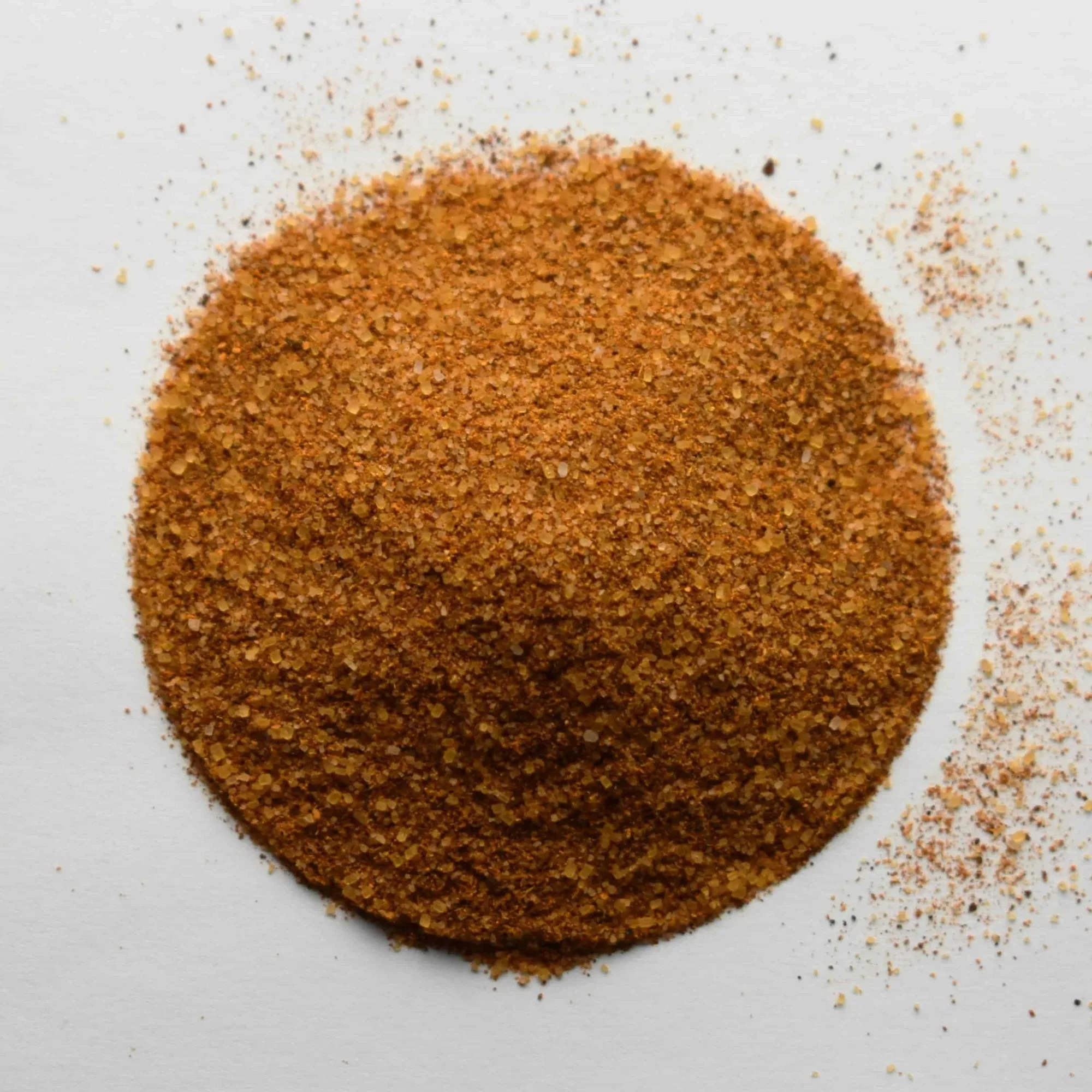
Hickory BBQ Seasoning: Hickory BBQ Seasoning provides a balance of salt, sweet and hickory to give steaks a smoke-kissed flavor, whether you're cooking on charcoal, gas or even the stovetop. This balance means the seasoning is versatile enough for stovetop cooking, not just grilling, so you can get that smoky flavor even without a grill.
Hickory BBQ Seasoning