Quick answer
A high compression waist trainer with 11 steel bones works best when you wear it over a thin base layer, start on the loosest hook, and build up to 2–4 hours per session. For firm, targeted shaping, the High Compression Cinch & Sculpt Waist Trainer (11 Steel Bones) is the one in this lineup built specifically for that job. Skip it for sleep or high-intensity cardio.
A steel boned waist trainer is not a bigger, tighter version of your everyday shaper — it is a structured piece that changes how your midsection feels and moves while you wear it. The 11 steel bones in the High Compression Cinch & Sculpt Waist Trainer are placed strategically to deliver firm support and help prevent rolling, which is the most common frustration with softer trainers.
This guide walks through how to put one on, how long to wear it, and how to care for it so the compression stays consistent. If you are new to waist training, follow the steps in order. If you already own a trainer, use the checkpoints to spot fit problems before they turn into discomfort.
What high compression actually does — and what it does not
High compression means the garment applies firm, even pressure across your waist and midsection while you wear it. In the Cinch & Sculpt trainer, that pressure comes from high-compression latex construction reinforced by 11 steel bones, plus an extended high-back design that supports posture and tummy control. The result is a smoother, more defined silhouette under clothing — not a permanent change to your body.
It is equally important to know the limits. Compression shaping works while the trainer is on; it does not replace strength training, and it is not designed to be worn around the clock. Treat it as a support tool for specific hours, not an all-day default.
- Wear it for shaping and postural support during defined sessions, not as a 24/7 garment.
- If you feel numbness, tingling, or sharp pain, take it off — that is a fit signal, not something to push through.
Choose the right compression level before your first wear
The Cinch & Sculpt trainer lists shapewear support level as an option type, which means you can match the piece to your experience and tolerance. New users should start with a lower support level and move up only after a full week of comfortable sessions. If you want firm compression with a softer feel, the Snatch Pro Waist Trainer 2.0 uses high-elastic polyamide and elastane with five plastic bones, a double-belt design, and a fit aimed at weightlifting and lower back relief.
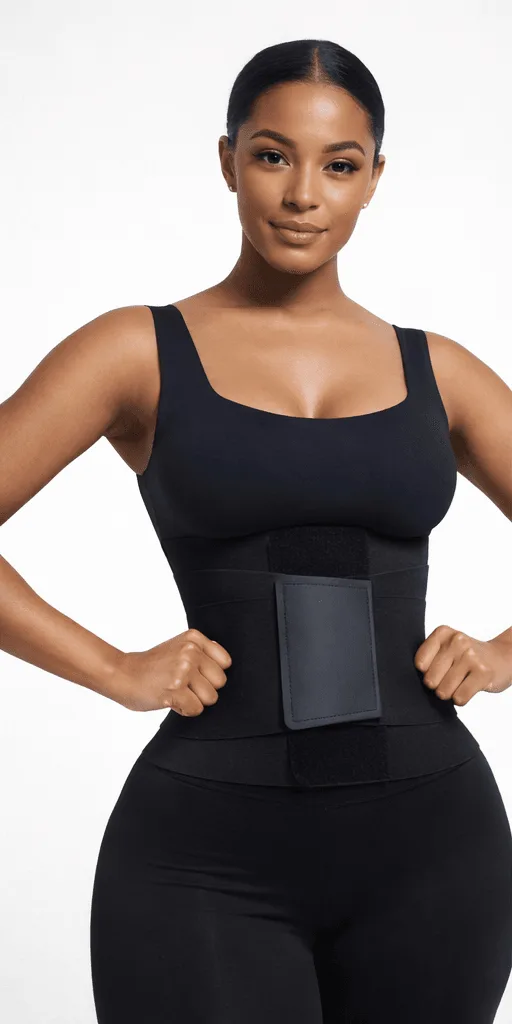
Snatch Pro Waist Trainer 2.0
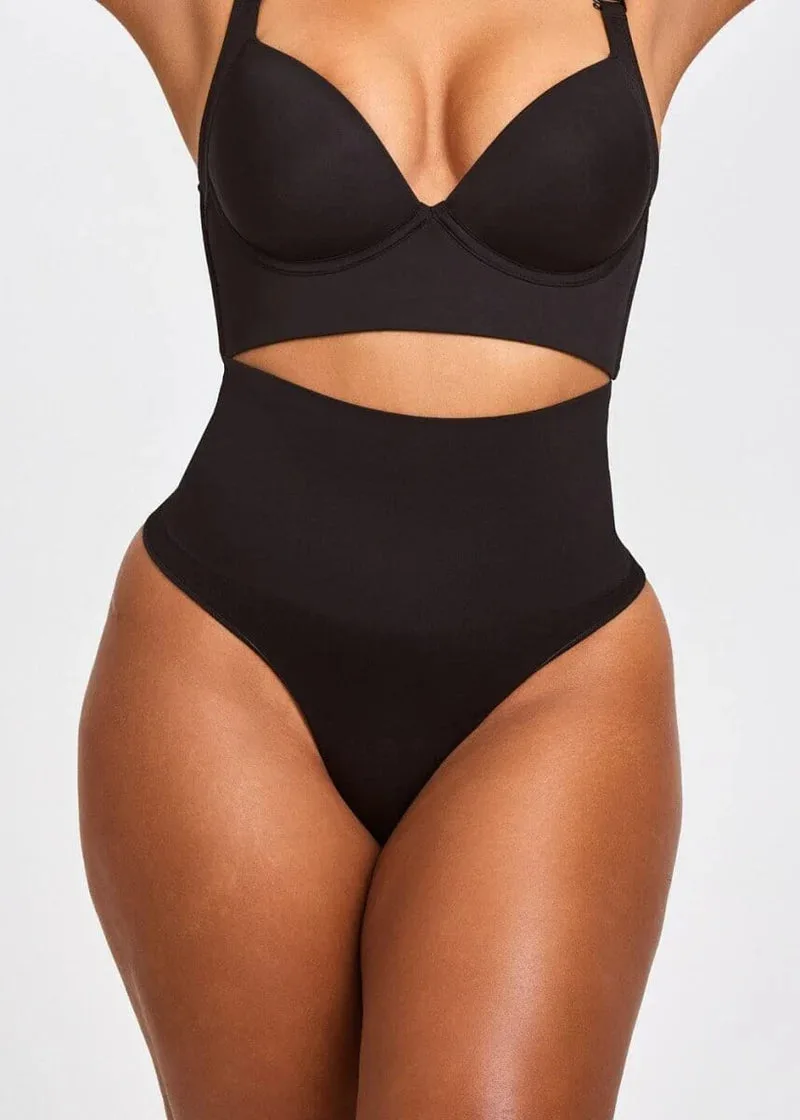
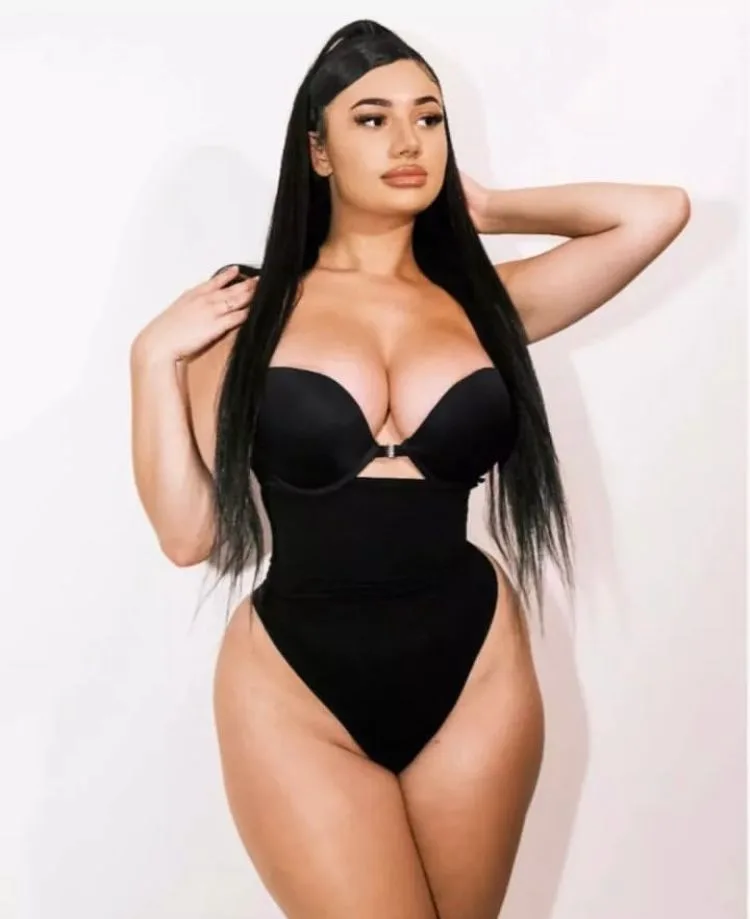
If your main goal is smoothing under clothes rather than structured waist training, a shaper short or panty may be the better first purchase. The High Waisted Core Control Shaper Panties use firm compression to smooth the tummy, waist, and lower back, and the MID WAIST Core Control Panty Shaper offers targeted core control in a lighter, breathable fabric.
- Match the support level to your experience: start lower, move up gradually.
- Choose a structured steel-boned trainer for firm shaping; choose shaper panties or shorts for everyday smoothing.
How to put on a steel boned waist trainer
Put the trainer on over a thin, smooth base layer such as a fitted camisole or a seamless bra and panty set. This reduces friction and keeps the hooks from catching on delicate fabrics. Step into the trainer or pull it over your head depending on the style, then align the front panel so it sits centered on your midsection.
Fasten the hooks from the bottom up on the loosest setting. Stand tall, take a slow breath, and check that the top edge sits below your bra band and the bottom edge does not dig into your hip crease. The glossy front panel on the Cinch & Sculpt trainer should sit flat, not buckle or twist.
- Always start on the loosest hook row; tighter rows are for later in your progression.
- A centered front panel prevents uneven pressure and visible ridges under clothing.
Build a wear schedule that fits your day
Start with 1–2 hours per session for the first few days, then add about 30 minutes per session as long as you remain comfortable. Most people settle into 2–4 hours per session, worn during low-intensity activities like desk work, errands, or light walking. Remove the trainer before workouts, meals that leave you feeling overly full, and sleep.
Consistency matters more than duration. A steady 2-hour session five days a week is easier to sustain than one long wear followed by days off because of discomfort. Log your sessions for the first two weeks so you can see what your body actually tolerates.
- Do not sleep in a high compression trainer.
- Skip it for high-intensity cardio and hot yoga, where heat and movement make compression harder to manage.
Fit checkpoints that prevent the most common problems
Rolling, digging, and gaping are almost always fit issues rather than product flaws. The 11 steel bones in the Cinch & Sculpt trainer are designed to prevent rolling, so if the top edge still curls, the size is likely too large or the trainer is sitting too high on your ribs. If the bottom edge digs into your hips, the trainer is too long for your torso or sitting too low.
Check the fit while seated, standing, and after a short walk. A well-fitted trainer stays in place through all three. If you need to tug it down every few minutes, stop adjusting and re-evaluate the size or support level instead.
- Check fit in three positions: seated, standing, and after a 5-minute walk.
- Persistent rolling usually means the size is too large, not that you need more compression.
Care that keeps the compression honest
Hand wash in cool water with a mild detergent, then lay flat to dry away from direct heat. Do not machine dry, bleach, or iron a steel-boned trainer — heat can distort the latex and the bones. Rotate between two trainers if you wear one daily, so each has time to dry fully and recover its shape.
Inspect the hooks and bones monthly. Loose stitching or a bent bone changes how pressure is distributed, which is exactly when rolling and pinching start. Replacing a worn trainer is cheaper than working around a fit that no longer supports you.
- Hand wash cool, lay flat to dry, never machine dry.
- Rotate two trainers for daily wear to extend the life of each.
Your first-week waist trainer routine
- Day 1–2: Wear it for one hour: Put the trainer on over a thin base layer, fasten on the loosest hooks, and wear it for one hour during desk work or light errands. Do not tighten beyond the loosest row. Checkpoint: you should be able to breathe normally and sit without the bottom edge digging in.
- Day 3–4: Extend to two hours: Add one hour to each session if day 1–2 felt comfortable. Keep the same hook setting and check the top edge for rolling after 30 minutes of wear. Mistake to avoid: moving to a tighter hook row before the loosest row feels easy.
- Day 5–7: Add a second session: Split wear into two shorter sessions rather than one long one — for example, two hours in the morning and one hour in the afternoon. Remove the trainer before any workout. Checkpoint: no numbness, tingling, or red pressure marks that last more than 30 minutes after removal.
- Week 2 and beyond: Progress the hooks, not the hours: Once the loosest row feels consistently comfortable, move to the middle row. Keep session length steady at 2–4 hours rather than pushing for longer wear. Next step: if the trainer still rolls or digs after sizing up or down, the support level is the wrong match — switch to a softer option like the Snatch Pro Waist Trainer 2.0.
Product facts behind these steps
- High Compression Cinch & Sculpt Waist Trainer ( 11 Steel Bones): Combines 11 strategically placed steel bones with high-compression latex construction, a glossy front panel, and an extended high-back design for tummy control and postural support. The bone count and high-back cut are what keep the trainer from rolling and extend support beyond the waist — the two features most likely to determine whether you can wear it comfortably for a full session.
- Snatch Pro Waist Trainer 2.0: High-elastic polyamide and elastane fabric lined with five plastic bones, with a double-belt design and a fit aimed at weightlifting and lower back relief. A softer, more flexible alternative if steel bones feel too rigid at first, or if you want a trainer you can wear during lifting sessions.
- High Waisted Core Control Shaper Panties: Firm compression that smooths the tummy, waist, and lower back, with a high-waisted design that extends to just below the bra line. A lower-commitment option when your goal is smoothing under clothes rather than structured waist training.
A high compression waist trainer with 11 steel bones is a structured tool, not an everyday basic. Wear it over a thin layer, start on the loosest hooks, build to 2–4 hours per session, and stop at the first sign of numbness or pinching. If firm steel-boned compression feels like too much, a softer trainer or a high-waisted shaper will still smooth your silhouette without the rigidity.