Quick answer
Upgrade to a high performance power cord when your system has Better or Upgraded Better components and you notice noise, congestion, or dynamic compression in your playback.
Signs your system is being held back
If your audio system sounds flat, lacks detail, or feels congested during complex passages, your stock power cord may be the bottleneck. Standard cords often have thin conductors and basic connectors that introduce noise and restrict current delivery. This is especially noticeable with amplifiers, preamplifiers, and source components that demand clean, unrestricted power to perform their best.
Where the upgrade matters most
The high performance power cord makes the biggest difference when used with components that have sensitive analog stages or high current draw. These include integrated amplifiers, power amplifiers, phono stages, and DACs. In a system with BELIEVABLE or AUTHENTIC Transparent System Companions, the improvement in clarity, soundstage, and dynamic contrast is often immediate and repeatable.
When the standard cord is still fine
If your system consists of entry-level components or is used primarily for background listening, the audible difference from a power cord upgrade may be marginal. Similarly, digital source components with well-regulated internal power supplies may show less benefit. In these cases, investing in other areas like speaker placement or room treatment may yield more noticeable results.
Decision rules
- Check your component tier: If your amplifier, preamplifier, or DAC is from the Better or Upgraded Better category, a high performance power cord will likely unlock noticeable improvements in clarity and dynamics.
- Listen for noise and congestion: If you hear a haze, grain, or loss of detail in quiet passages, or if complex music sounds congested, the stock power cord may be introducing noise. Upgrading can clean up the signal path.
- Consider the component's power supply: Components with basic internal power supplies benefit more from a clean external power cord. If your component uses a switching supply or small transformer, the upgrade may still help but the effect can be smaller.
- Try before you commit: If possible, borrow or buy from a retailer with a return policy. Listen with familiar music for a week, then switch back to the standard cord. The difference will tell you if the upgrade is worth it for your system. A/B testing with your own system is the most reliable way to decide.
Product facts
-
High Performance Power Cord: The High Performance Power Cord is designed for high-current, low-noise power delivery and works well with Better and Upgraded Better music and film systems. This means it can supply the clean, unrestricted power that higher-end components need to reveal their full dynamic range and detail.
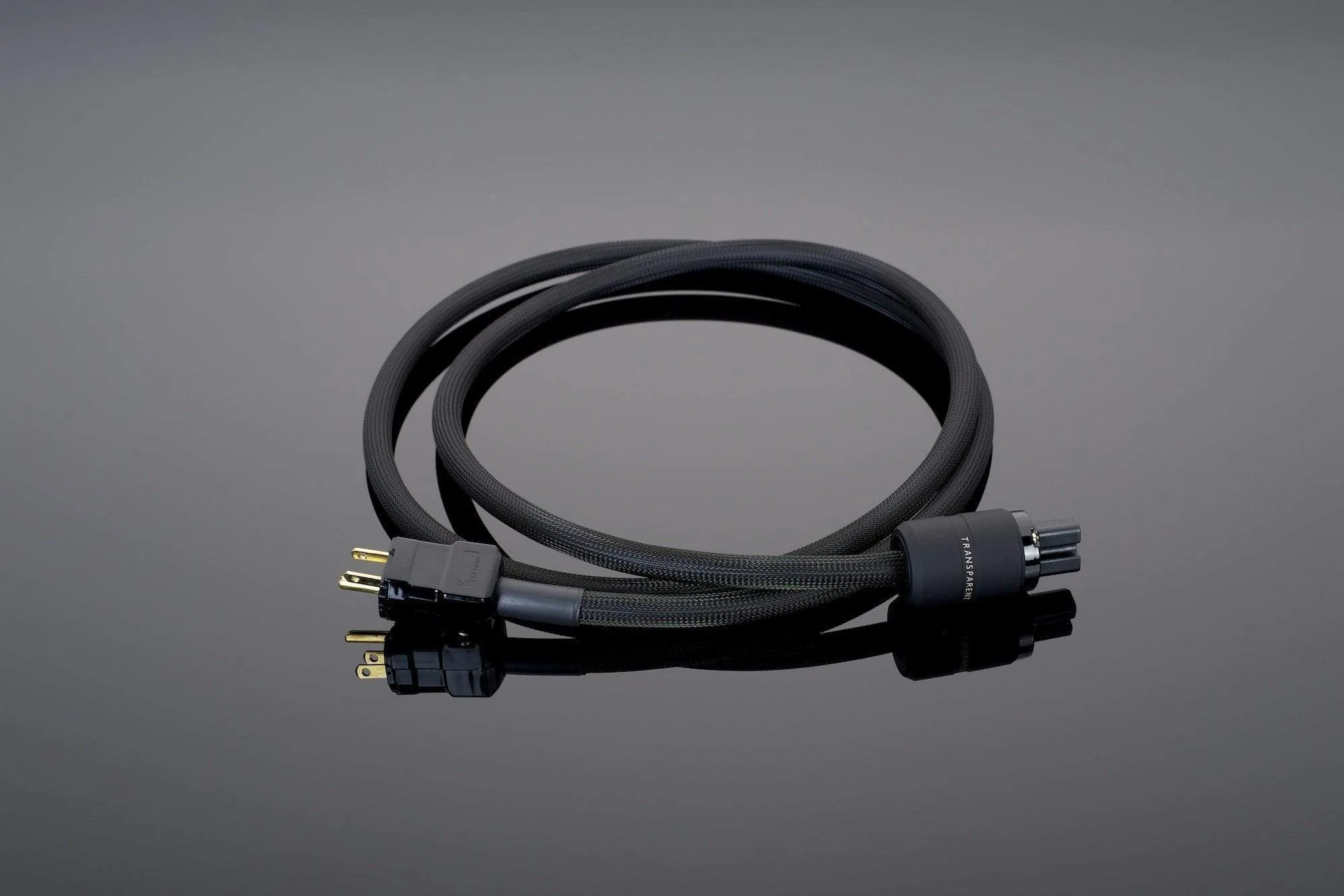
High Performance Power Cord
Who should upgrade
Best for
- Systems with Better or Upgraded Better amplifiers, preamplifiers, or DACs
- Listeners who notice noise, congestion, or dynamic compression in their playback
Not for
- Entry-level or all-in-one systems where other upgrades (speakers, room treatment) offer more impact
- Background listening setups where subtle improvements are not the priority