High-protein snacks have become a staple for fitness enthusiasts, busy professionals, and anyone looking to stay full between meals. But as gut health continues to dominate wellness conversations, a common question arises: Are high-protein snacks good for your digestive system? The answer isn't a simple yes or no—it depends on the type of protein, the ingredients used, and how your individual microbiome responds.
In this article, we'll dive into the latest scientific research on high-protein diets and gut health, explore which snack ingredients support digestion, and help you choose products that fuel your body without upsetting your stomach.
The Connection Between Protein and the Gut Microbiome
Your gut microbiome is a complex community of trillions of bacteria, fungi, and other microbes that play a critical role in digestion, immunity, and even mood. What you eat directly influences this ecosystem. Protein, in particular, can have both positive and negative effects depending on its source and how it's processed.
Research published in the journal Nutrients suggests that high-protein diets can increase the abundance of beneficial bacteria like Bifidobacterium and Lactobacillus, especially when protein comes from high-quality sources such as whey, casein, or plant-based isolates. However, excessive protein intake—especially from red meat or heavily processed sources—may produce byproducts like ammonia and hydrogen sulfide, which can irritate the gut lining and promote inflammation.
- Choose protein sources that are easily digestible and low in artificial additives.
- Pair protein snacks with fiber-rich foods to support microbial diversity.
What to Look for in Gut-Friendly High-Protein Snacks
Not all high-protein snacks are created equal when it comes to gut health. The best options are those that combine clean protein with prebiotic fibers, minimal added sugars, and no artificial sweeteners that can disrupt gut bacteria. Ingredients like chicory root fiber, inulin, and oat flour can provide prebiotic benefits that feed good gut bacteria.
Snacks like the https://questnutritionshop.com/products/oatmeal-chocolate-chip-protein-bars-38274Oatmeal Chocolate Chip Protein Bars offer a balanced blend of protein and fiber from oats, making them a smart choice for digestive wellness. Similarly, the https://questnutritionshop.com/products/cheddar-blast-cheese-crackers-38316Cheddar Blast Cheese Crackers provide a savory crunch with cheese protein that is generally well-tolerated, especially when eaten in moderation as part of a varied diet.
- Check labels for added sugars and artificial sweeteners like sorbitol or maltitol.
- Look for snacks with at least 3 grams of fiber per serving to support gut motility.
How Protein Bars and Shakes Affect Digestion
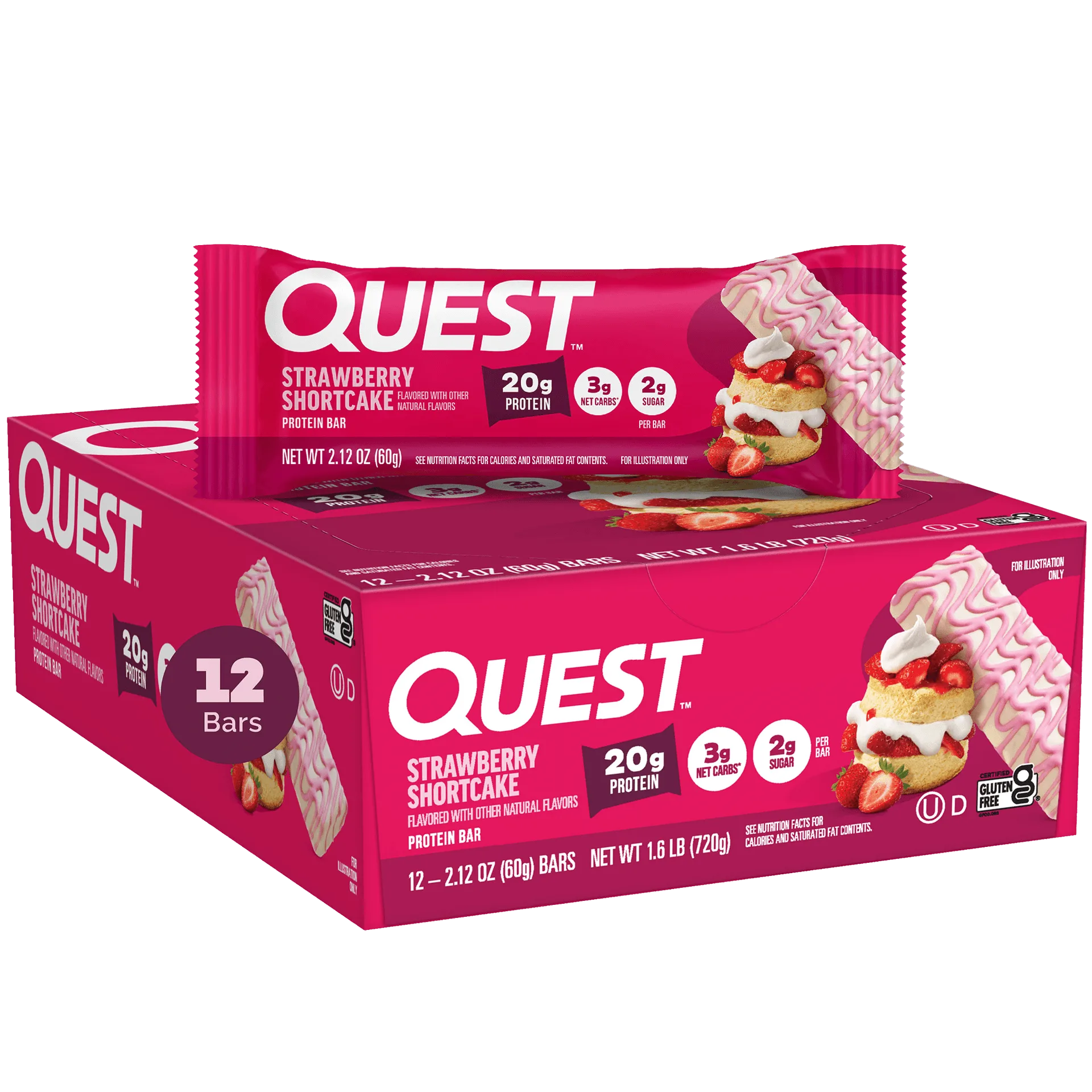
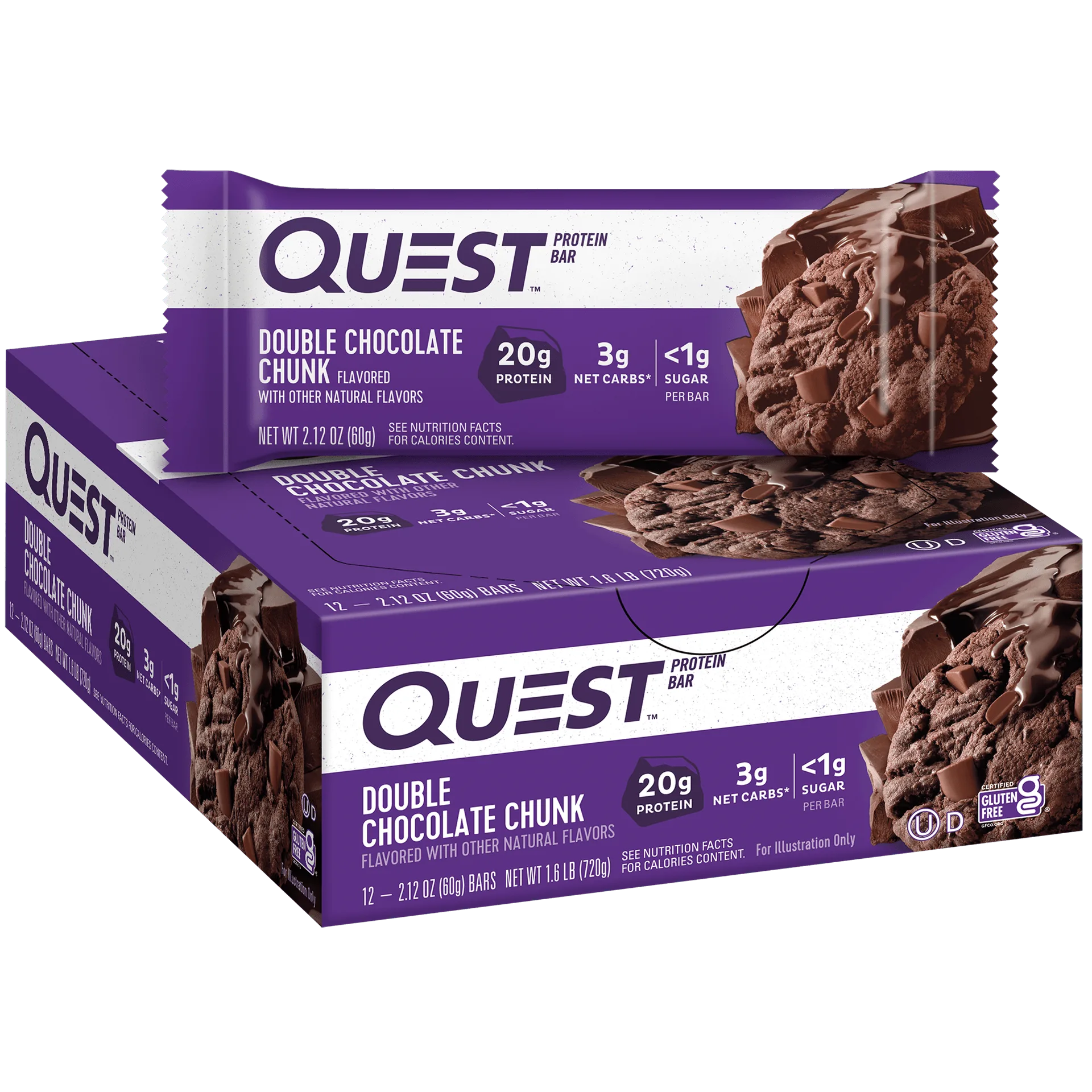
Protein bars and shakes are convenient, but their impact on digestion varies. Many bars use whey protein isolate, which is rapidly absorbed and less likely to cause bloating than whole food protein sources. However, some bars contain sugar alcohols or excessive fiber that can lead to gas and discomfort in sensitive individuals.
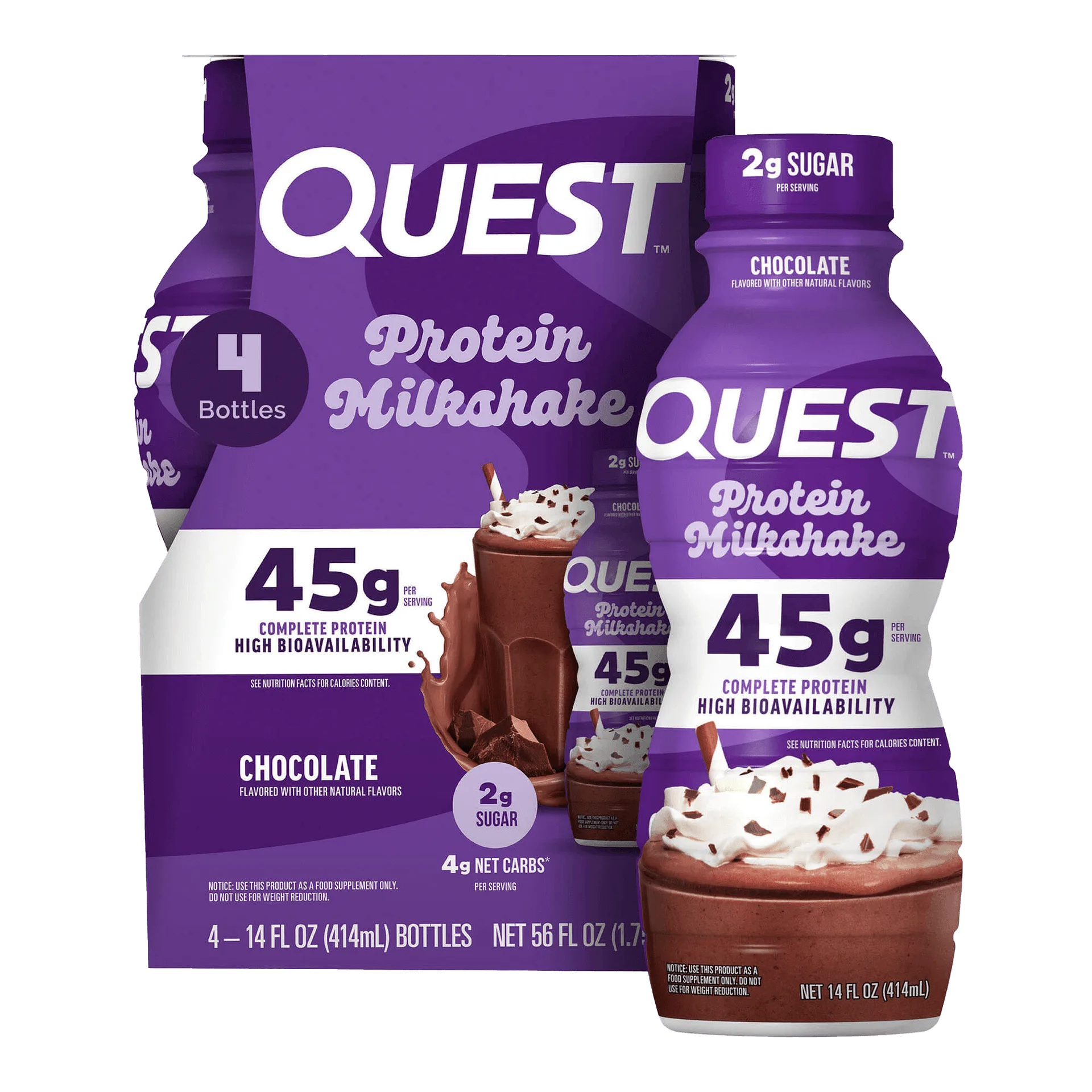
For those who prefer liquid nutrition, the Vanilla Milkshake Protein Powder mixes smoothly and is formulated with digestive enzymes to aid absorption. This can be especially helpful for people who experience bloating from solid snacks. The Coffee Protein Shake is another gut-friendly option, offering a quick protein boost with minimal ingredients that are easy on the stomach.
- Start with a smaller serving to see how your gut reacts to a new protein snack.
- Drink plenty of water when consuming high-protein snacks to help digestion.
The Role of Variety in a Gut-Healthy High-Protein Diet
Experts agree that dietary diversity is key to a robust microbiome. Relying on the same protein snack day after day can limit the range of nutrients your gut bacteria receive. Rotating between different protein sources—such as whey, casein, egg, and plant proteins—can help maintain a healthy balance of microbes.
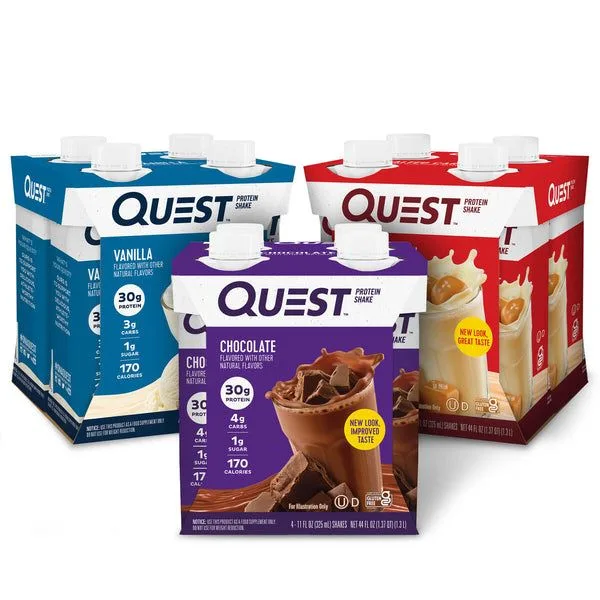
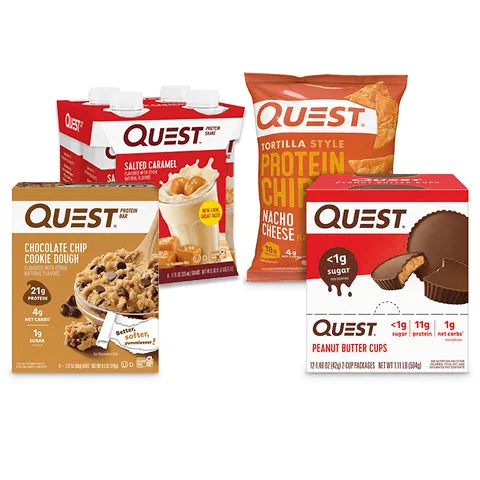
The Bestseller Variety Pack is an excellent way to introduce variety into your snack rotation, offering multiple flavors and protein types. This approach not only keeps your taste buds engaged but also supports a more resilient digestive system. Including snacks like the Salted Caramel Protein Shakes can provide a change of pace while delivering consistent protein quality.
- Try to include at least three different protein sources in your weekly snack plan.
- Pair snacks with fermented foods like yogurt or kimchi for added probiotic benefits.
High-protein snacks can absolutely be part of a gut-healthy diet when chosen wisely. Focus on products with clean ingredients, natural fibers, and minimal additives. Whether you prefer bars, shakes, or crunchy snacks, the key is balance and variety. Explore the Bestseller Variety Pack to discover your new favorite gut-friendly protein snack and support your digestive wellness today.