As we age, maintaining muscle mass becomes increasingly critical for mobility, strength, and overall quality of life. Yet many older adults struggle to consume enough protein due to changes in appetite, dental issues, or simply not knowing which foods pack the most nutritional punch. High-protein snacks offer a convenient, delicious solution that fits seamlessly into a senior's daily routine.
In this guide, we'll explore why protein needs rise with age, how strategic snacking can combat sarcopenia (age-related muscle loss), and which high-protein snacks for seniors are both practical and tasty. Whether you're caring for an aging parent or looking ahead to your own golden years, these insights will help you make informed, nourishing choices.
Why Protein Requirements Increase With Age
Contrary to what many believe, older adults actually need more protein per pound of body weight than younger individuals. Research suggests that seniors should aim for 1.2 to 2.0 grams of protein per kilogram of body weight daily, compared to the standard 0.8 g/kg for younger adults. This increased need helps offset the body's declining efficiency in using dietary protein for muscle synthesis.
Without adequate protein, the body begins to break down its own muscle tissue for energy, leading to frailty, reduced balance, and a higher risk of falls. This is where high-protein snacks for seniors become invaluable—they bridge the gap between meals without requiring large, heavy portions that may be hard to finish.
- Tip: Spread protein intake across three meals and two to three snacks to maximize muscle protein synthesis.
The Best High-Protein Snack Options for Older Adults
When selecting snacks for seniors, texture, flavor, and ease of eating matter just as much as protein content. Soft, chewy, or crunchy options that don't require extensive preparation are ideal. Protein bars, for instance, are portable, shelf-stable, and come in senior-friendly flavors like oatmeal chocolate chip or blueberry cobbler.
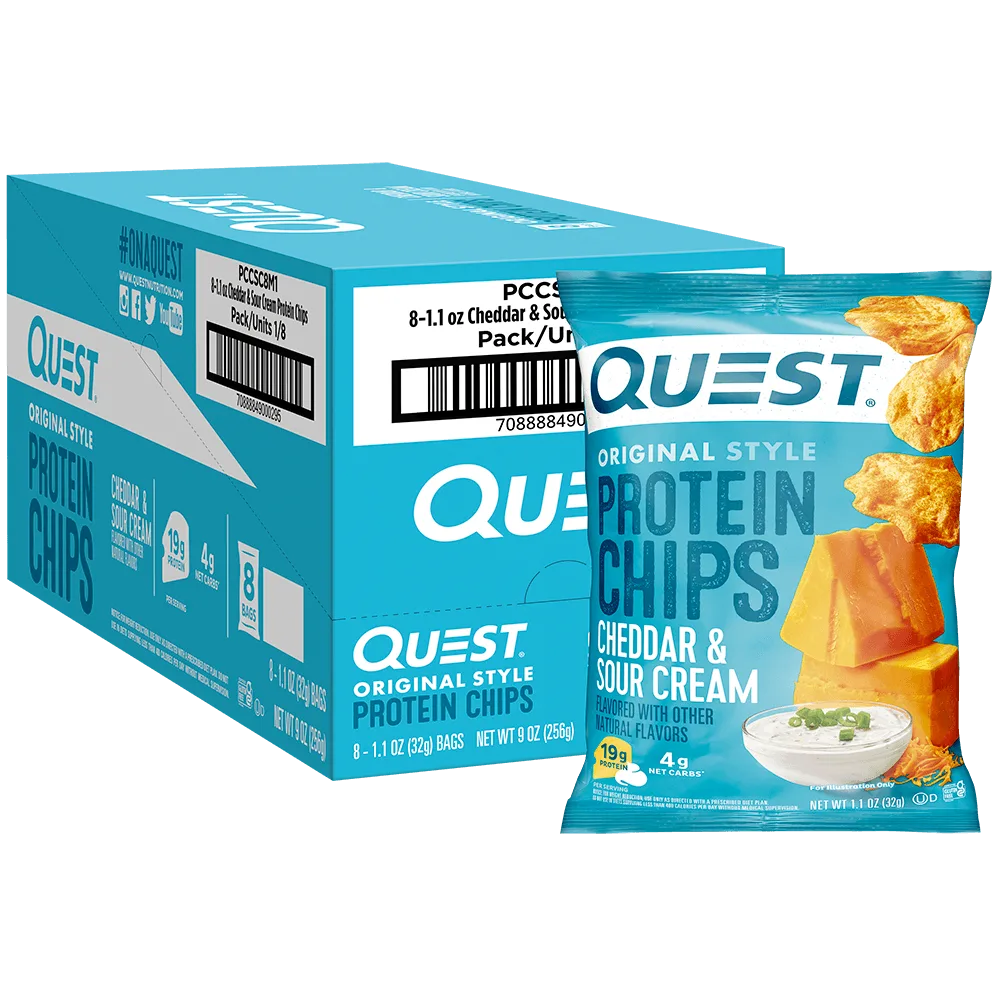
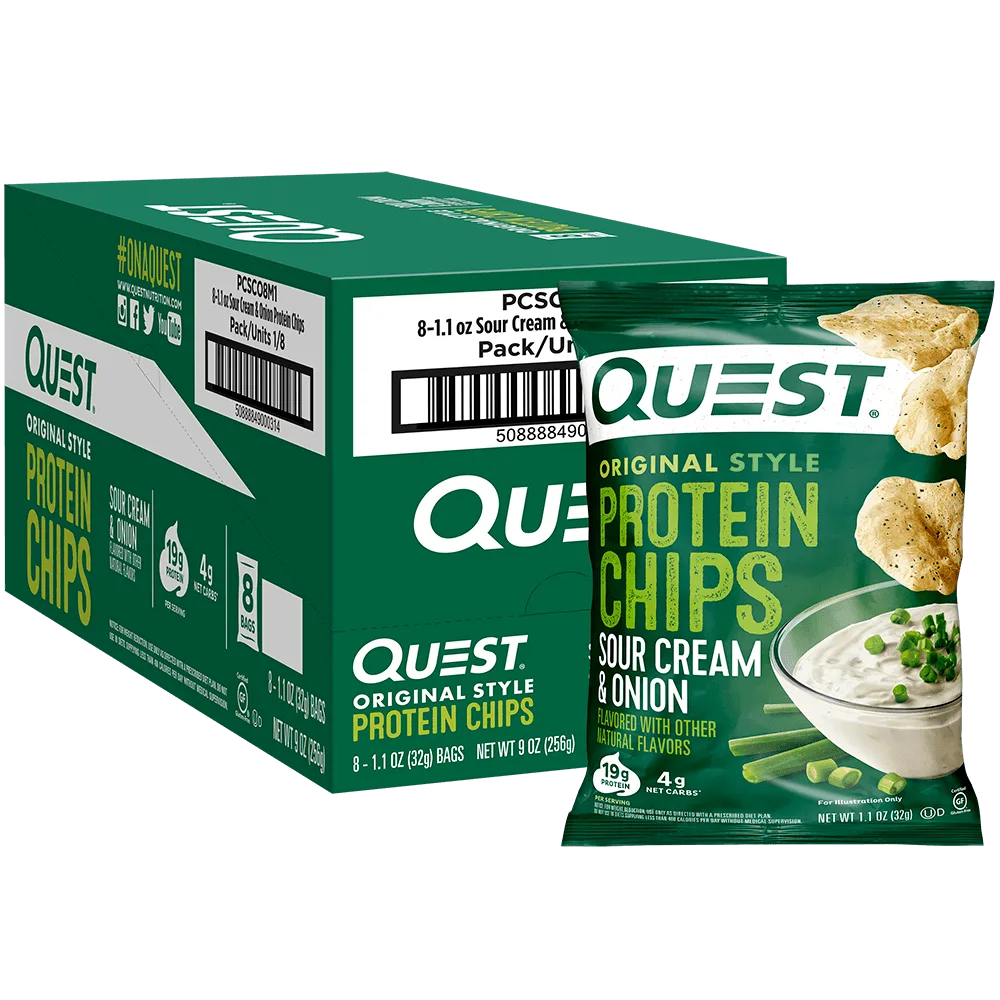
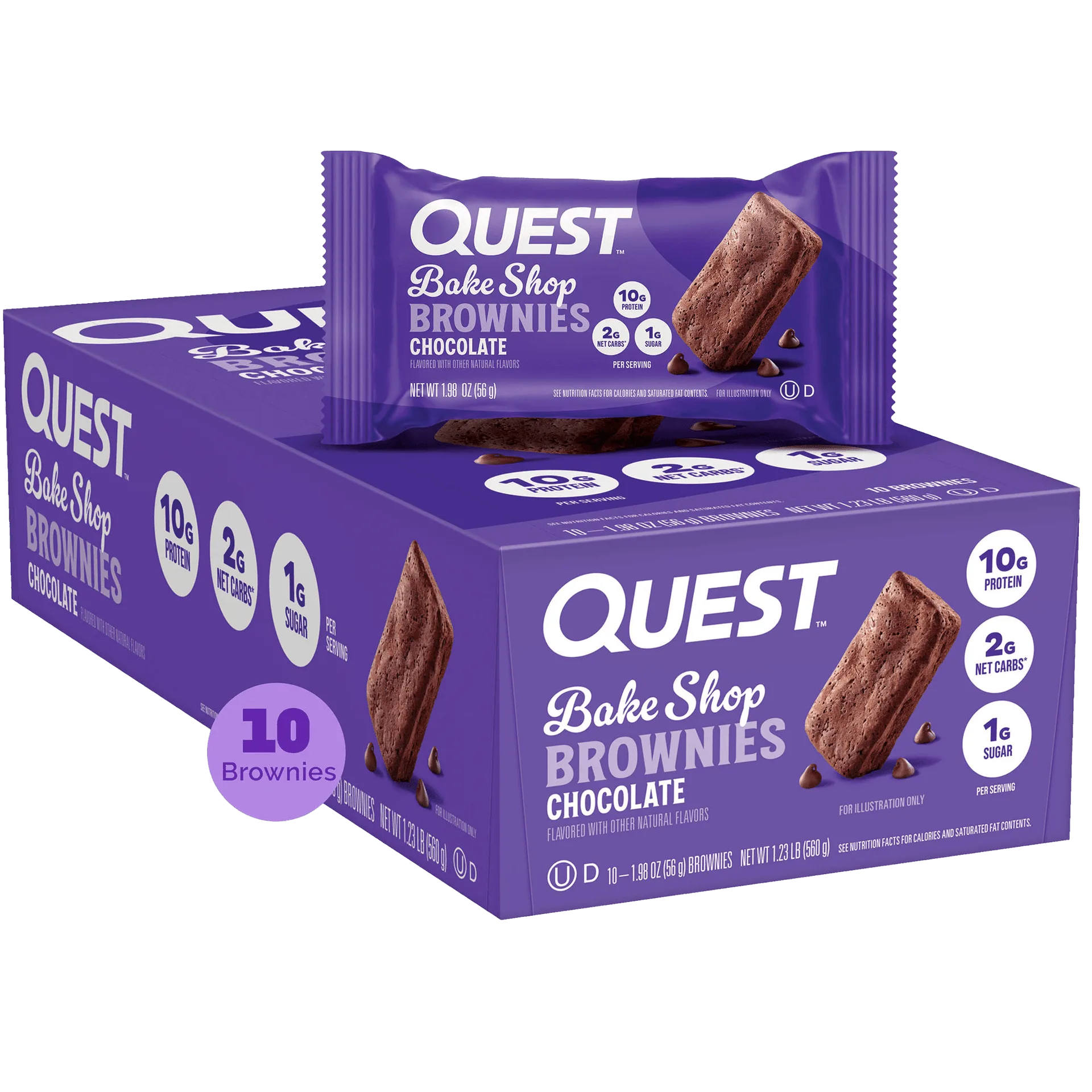
For those who prefer a savory bite, protein chips provide a satisfying crunch without the excess sodium or fat of traditional potato chips. And if a sweet tooth strikes, protein-packed brownies or muffins can feel like a treat while delivering essential nutrients. The key is to choose snacks that are both nutrient-dense and enjoyable to eat.
- https://questnutritionshop.com/products/oatmeal-chocolate-chip-protein-bars-38274Oatmeal Chocolate Chip Protein Bars: A classic flavor that feels familiar and comforting.
- https://questnutritionshop.com/products/blueberry-cobbler-crispy-hero-protein-bars-38297Blueberry Cobbler Crispy Hero Protein Bars: Offers a fruity, crispy texture that's easy to chew.
- Bake Shop Chocolate Brownies: A soft, indulgent option that's perfect for dessert or a midday pick-me-up.
How Protein Supports Bone Health and Independence
Protein's role in senior nutrition goes beyond muscle. It also contributes to bone density, immune function, and the repair of tissues after minor injuries. Strong muscles protect joints and improve balance, reducing the likelihood of falls that can lead to fractures. In fact, studies show that older adults who consume higher amounts of protein have significantly lower rates of hip fractures.
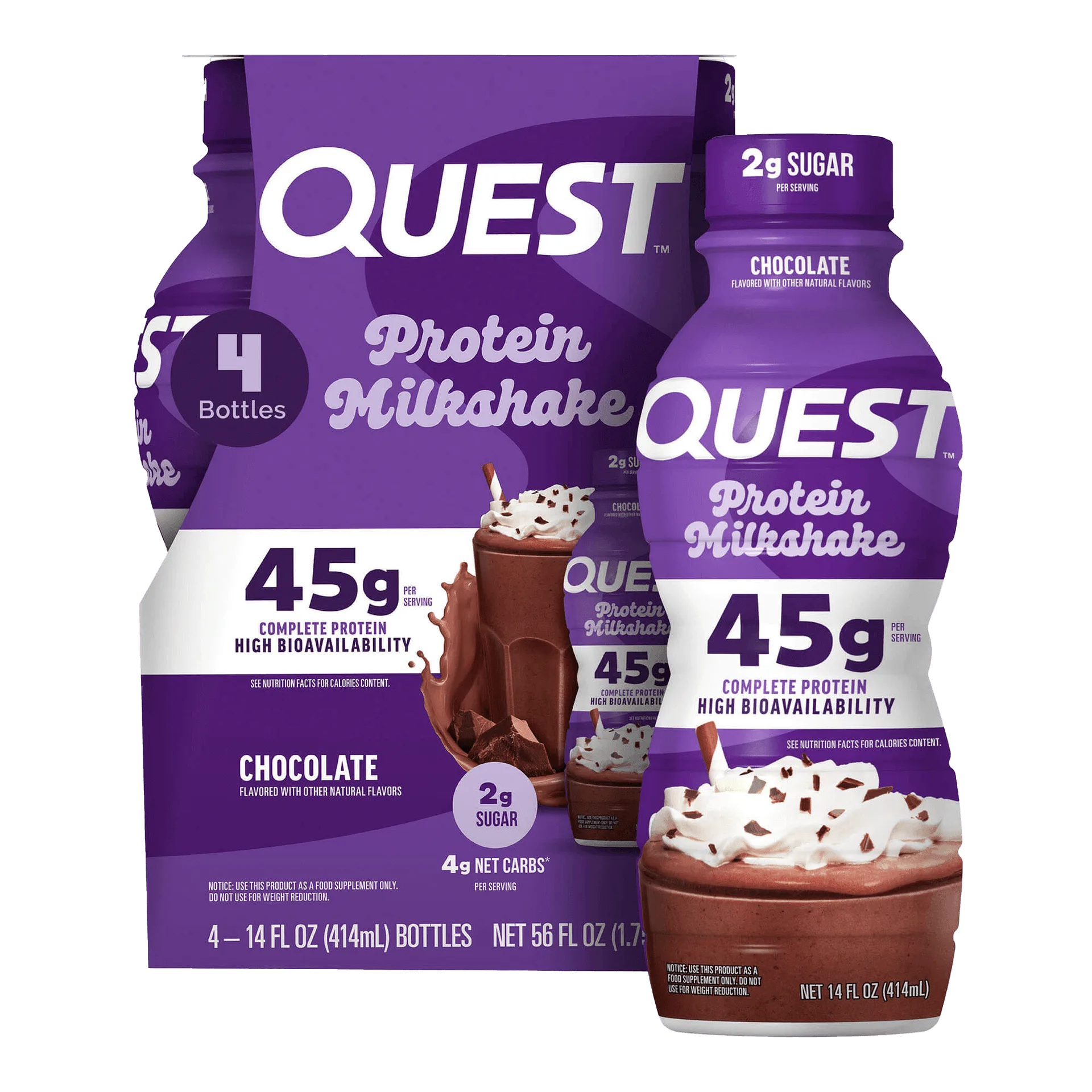
By incorporating high-protein snacks for seniors into daily life, caregivers and older adults can proactively support long-term independence. A simple afternoon snack like a protein shake or a handful of protein-packed candies can help maintain energy levels and prevent the mid-afternoon slump that often leads to skipping exercise or social activities.
- Tip: Pair protein snacks with a source of vitamin D and calcium (like a glass of milk or a yogurt cup) for bone health synergy.
Practical Tips for Adding Protein Snacks to a Senior's Diet
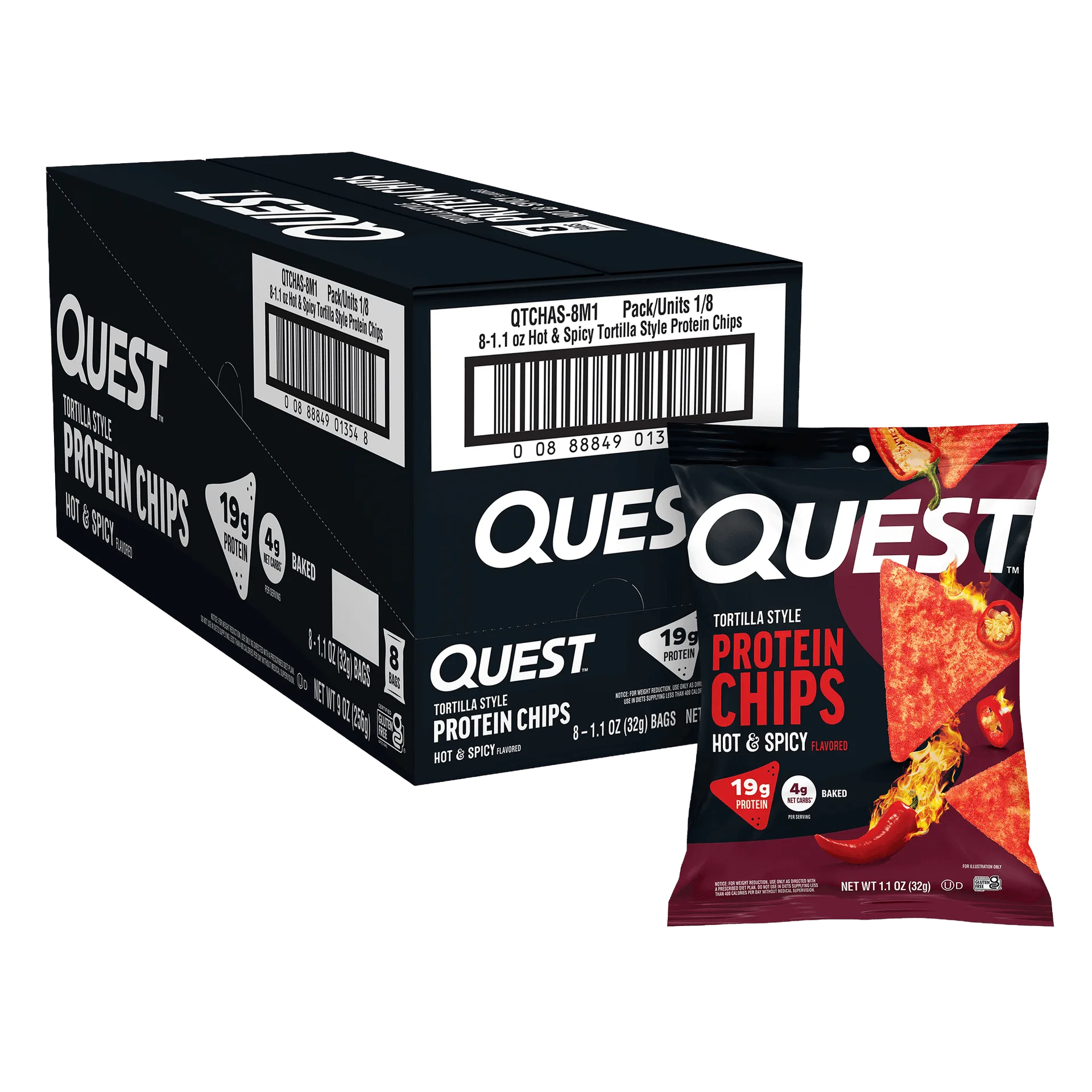
Introducing new foods to seniors can sometimes be met with resistance. To make the transition easier, start by swapping one low-protein snack (like crackers or cookies) with a protein-rich alternative. For example, replace a handful of pretzels with a serving of tortilla style protein chips, which offer a similar crunch but with 10+ grams of protein per serving.
Another strategy is to incorporate protein into familiar routines. A morning coffee can become a protein boost with a scoop of protein powder, or a bedtime snack can be a warm, comforting protein brownie. The goal is to make protein consumption effortless and enjoyable, not a chore.
- Start with one snack per day and gradually increase to two or three.
- Choose soft or easy-to-chew options like protein bars or muffins if dental concerns exist.
- Keep snacks visible and within easy reach to encourage spontaneous eating.
High-protein snacks are not just for athletes or young adults—they are a cornerstone of healthy aging. By choosing convenient, tasty options like protein bars, chips, and baked goods, seniors can protect their muscles, bones, and independence with every bite. Start exploring the variety of high-protein snacks for seniors available today and discover how simple it is to nourish your body at any age. For a delicious start, try the Oatmeal Chocolate Chip Protein Bars—a soft, satisfying snack that makes muscle maintenance a pleasure.