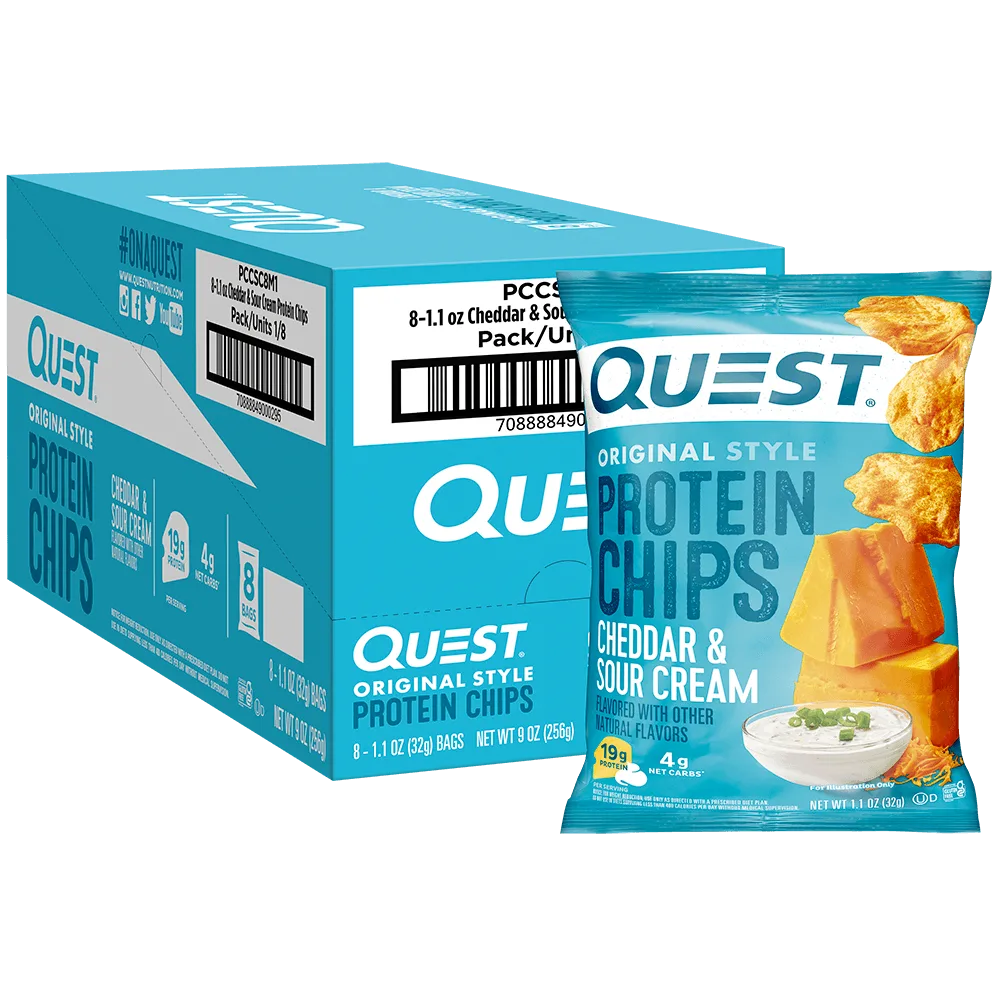
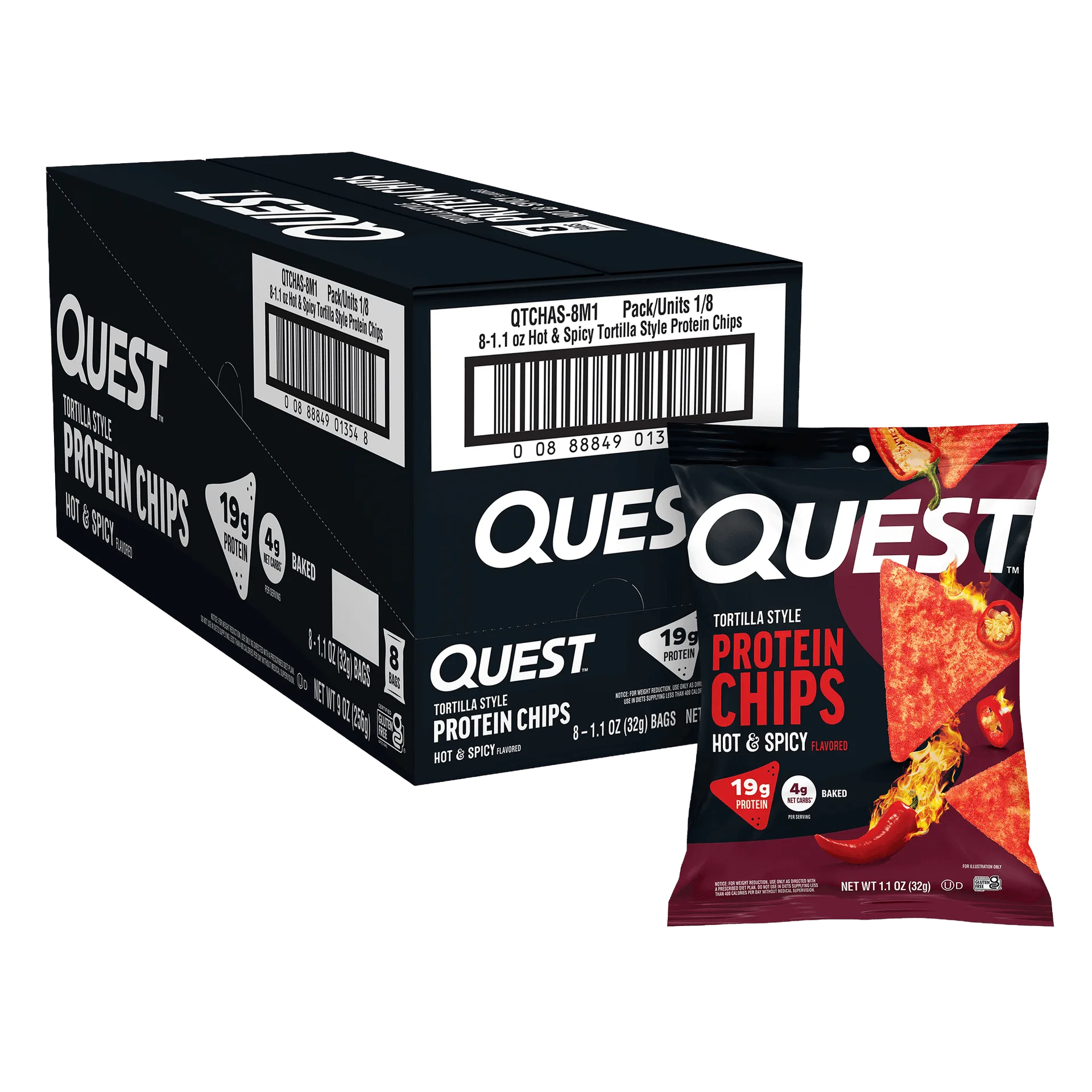
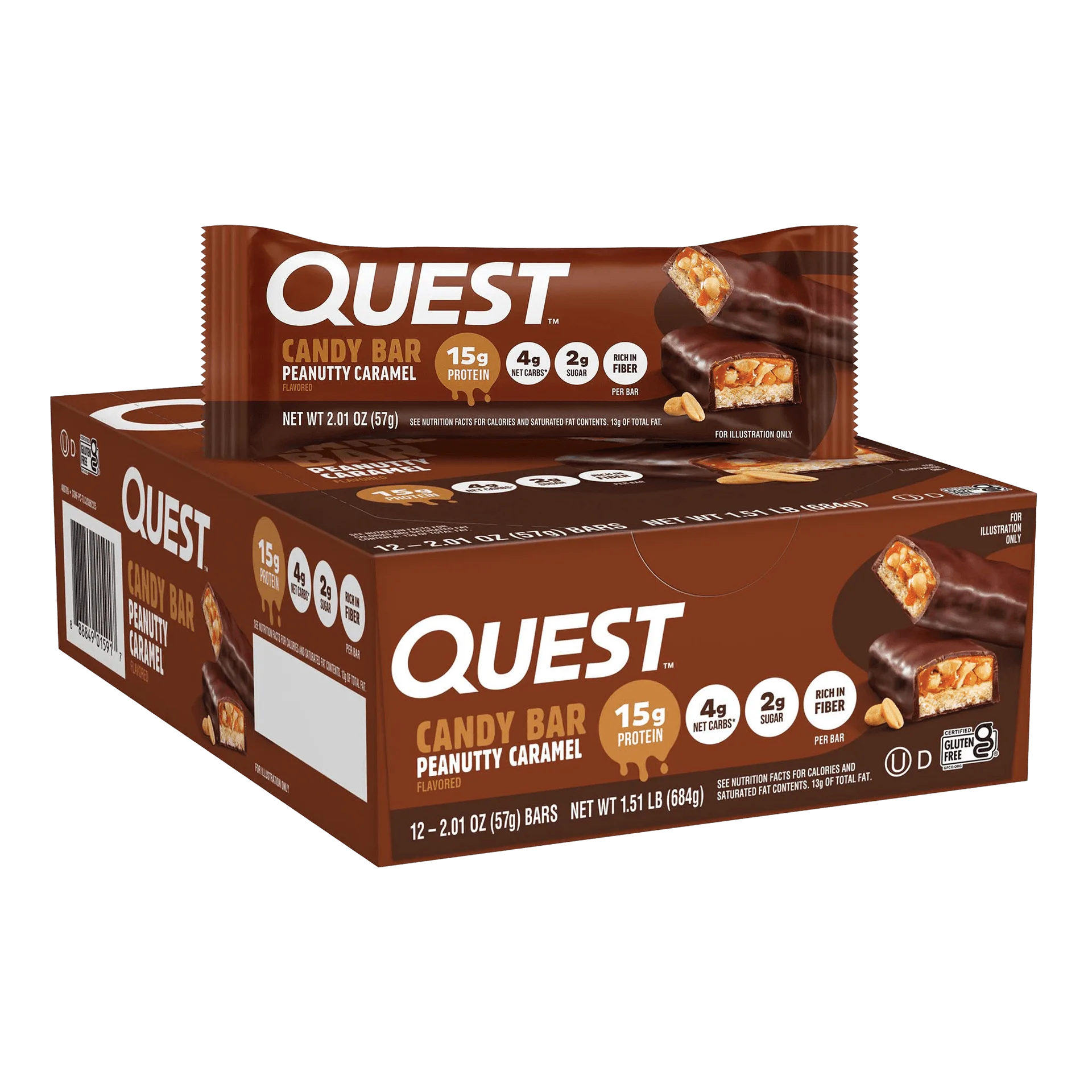
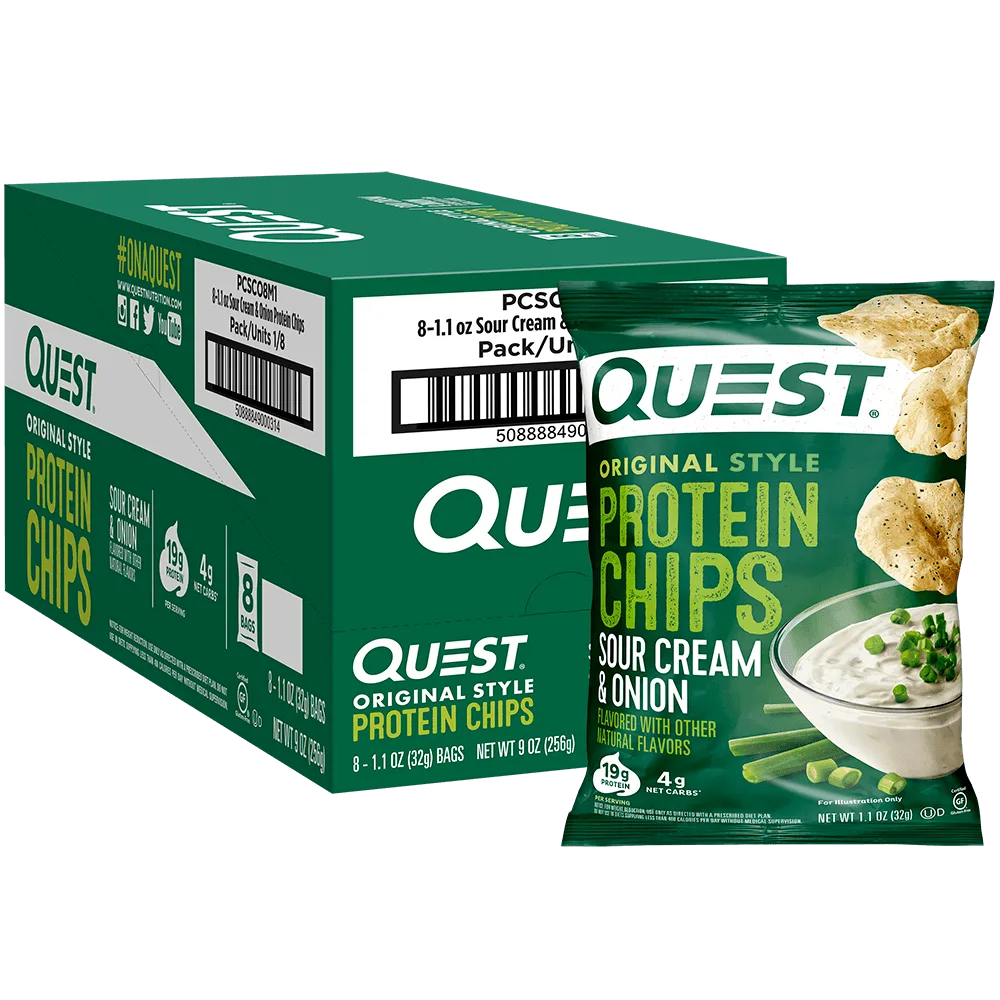
When it comes to weight management, the advice often circles back to one nutrient: protein. But with the rise of convenient, high-protein snacks, many people wonder if these products are truly effective for weight loss or just clever marketing. As a registered dietitian, I’m here to break down the science behind protein for weight control and explain how smart snacking—with options like Bestseller Variety Pack or Buffalo Ranch Protein Chips—can fit into a balanced plan.
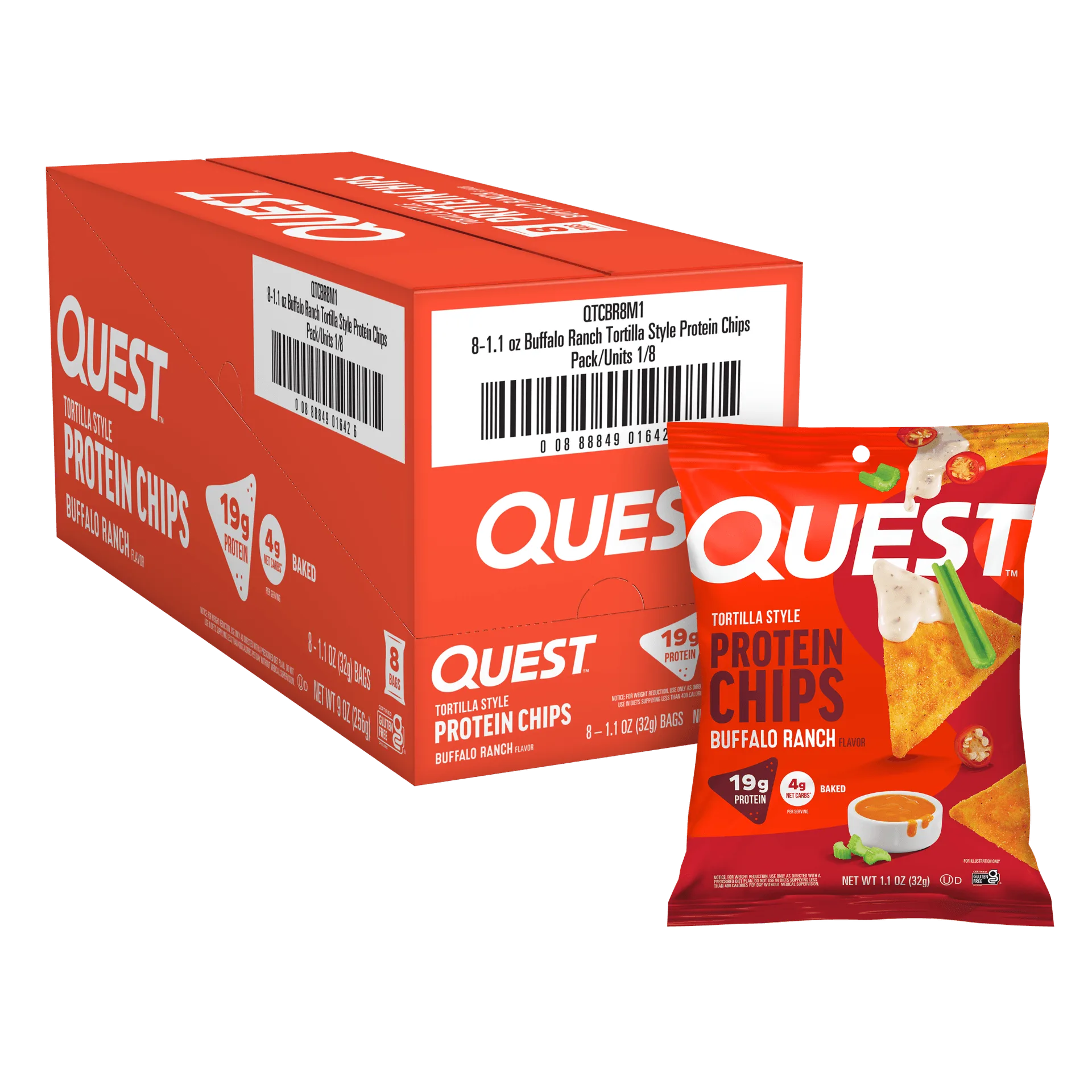
Buffalo Ranch Protein Chips
Why Protein Matters for Weight Management
Protein is a powerhouse nutrient when it comes to weight control. It increases satiety—meaning you feel fuller for longer—thanks to its impact on hunger hormones like ghrelin and peptide YY. Studies consistently show that a higher protein intake can reduce overall calorie consumption without the constant feeling of deprivation. Additionally, protein has a higher thermic effect of food (TEF) compared to carbohydrates or fats; your body burns more calories digesting and metabolizing protein. For anyone aiming to manage their weight, incorporating protein-rich snacks throughout the day can make a significant difference.
How High-Protein Snacks Help Curb Cravings
One of the biggest challenges in weight management is managing cravings, especially for salty or sweet treats. Traditional snack foods are often high in refined carbs and sugars, leading to blood sugar spikes and crashes that trigger more hunger. High-protein snacks, on the other hand, stabilize blood sugar levels. For example, a protein bar or chip provides both protein and fiber, slowing digestion and keeping your energy steady. Products like Double Chocolate Chip Cookies offer a sweet fix without the sugar crash, making them a smart choice for curbing dessert cravings while staying on track.
What to Look for in a High-Protein Snack for Weight Loss
Not all high-protein snacks are created equal. When selecting snacks to support weight management, consider these factors:
- Protein content: Aim for at least 10–15 grams of protein per serving to promote satiety.
- Low added sugar: Excess sugar can undermine weight loss efforts. Look for snacks with 5 grams or less of added sugar.
- Fiber: Fiber complements protein by adding bulk and slowing digestion. Seek snacks with at least 3–5 grams of fiber.
- Calorie density: Snacks should be around 150–250 calories to fit into a balanced diet without overdoing it.
Many Quest products are designed with these principles in mind. For instance, the Buffalo Ranch Protein Chips deliver 20 grams of protein and 5 grams of fiber per bag, with only 140 calories—an ideal macro profile for weight control.
Practical Tips for Using Protein Snacks in Your Weight Management Plan
Here’s how to integrate high-protein snacks effectively:
- Use them as meal replacement supports: If you’re short on time, a protein snack can bridge the gap between meals without overeating later.
- Pair with vegetables: For extra volume and nutrients, enjoy protein chips with raw veggies like bell peppers or cucumber.
- Portion control is still key: Even healthy snacks can be overeaten. Stick to one serving per snack session.
- Combine with hydration: Sometimes thirst is mistaken for hunger. Drink water alongside your protein snack.
A common mistake I see is relying solely on snacks for weight loss without addressing overall diet quality. Protein snacks should complement whole foods like lean meats, eggs, legumes, and vegetables, not replace them entirely.
Common Myths About Protein Snacks and Weight Loss
Let’s debunk a few misconceptions:
- Myth: All protein snacks are healthy. Some protein bars are candy bars in disguise. Check labels for hidden sugars and unhealthy fats.
- Myth: Eating more protein automatically leads to weight loss. Protein helps with satiety, but you still need to maintain a calorie deficit overall.
- Myth: You can eat unlimited protein snacks. Calories add up, even from high-protein sources. Mindful eating is essential.
- Myth: Protein chips are just a fad. Evidence supports that high-protein, low-carb snacks can aid weight control by reducing overall energy intake.
How to Choose Between Protein Bars, Chips, and Cookies for Weight Management
Your choice depends on your cravings and lifestyle:
- Bars: Ideal for on-the-go situations. Look for options with at least 15 grams of protein and low sugar. The Chocolate Caramel Pecan Crispy Hero Protein Bars are a crunchy, satisfying choice.
- Chips: Perfect for savory snackers who miss traditional chips. They offer volume and crunch without the carbs.
- Cookies: Great for sweet cravings. Many protein cookies are soft-baked and taste indulgent without the sugar load.
Rotating these options can prevent boredom and keep your diet sustainable.
Sample Snack Schedule for Weight Management
Time
Snack Idea
Why It Works
10 AM (mid-morning)
1 Quest Protein Bar + water
Staves off hunger until lunch
3 PM (afternoon slump)
1 bag of Buffalo Ranch Protein Chips
Provides protein and fiber to prevent sugar cravings
Evening (post-dinner)
1 Double Chocolate Chip Cookie + herbal tea
Satisfies sweet tooth without disrupting sleep
This schedule keeps protein intake steady throughout the day, which can help with appetite control and muscle maintenance during weight loss.
Final Thoughts from a Dietitian
High-protein snacks can be a valuable tool for weight management when chosen wisely. They help control hunger, support metabolic rate, and make it easier to stick to a balanced diet. However, they should be part of a broader strategy that includes whole foods, regular physical activity, and mindful eating. For a convenient and delicious way to start, consider the Chocolate Chip Protein Cookies—a satisfying snack that fits seamlessly into a weight-conscious lifestyle.